Missouri Waterfowl Seasons and Duck Zones
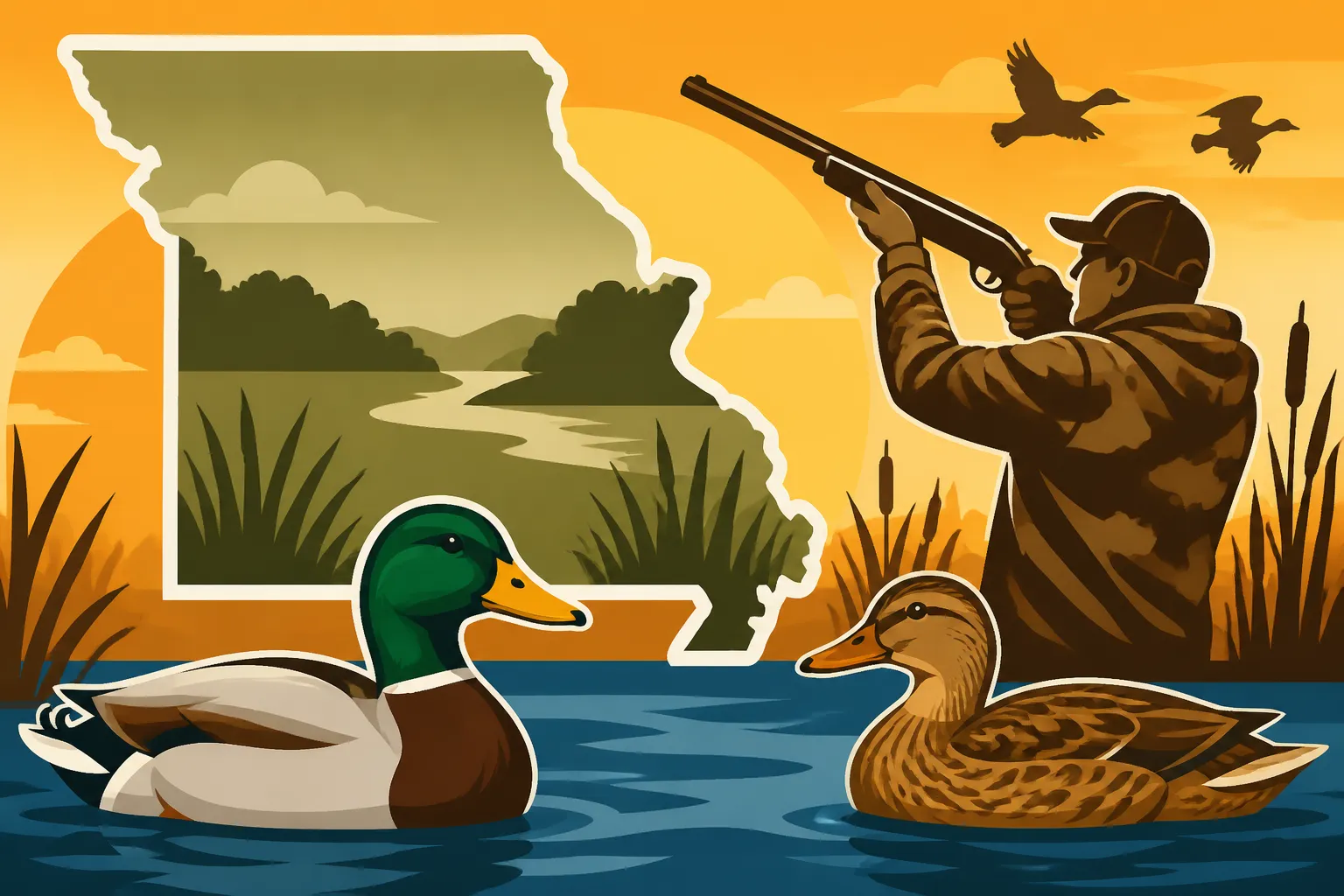
The world of waterfowl hunting in Missouri can feel like navigating a maze, especially with season dates and duck zone boundaries that seem to shift every year. It’s incredibly frustrating when you’re just trying to plan your hunts, book time off work, and ensure you’re legal. This comprehensive guide is here to untangle the complexities of Missouri's duck zones, specific season dates, and crucial regulations, making your planning process a whole lot smoother.
Navigating Missouri's Waterfowl Landscape
For many of us, the first whisper of a cold front pushing south brings visions of greenheads cupped over decoys and honkers pitching into a cut cornfield. But before you can even think about where to set your spread, you've got to understand the lay of the land, or rather, the lay of the flyway. Missouri sits right in the heart of the Mississippi Flyway, a superhighway for migratory birds heading south for the winter. This prime location means incredible hunting opportunities, but it also means dealing with a complex system of regulations designed to manage these valuable resources.
Understanding the Mississippi Flyway's Importance
The Mississippi Flyway stretches from the Arctic tundra all the way down to the Gulf of Mexico, funneling millions of ducks, geese, and other migratory birds right through the Show-Me State. This geographical fact is why Missouri is such a renowned waterfowl destination. Our vast network of rivers, wetlands, and agricultural fields provides critical staging and wintering habitat, drawing in birds from across the continent. Because we're such a vital stopover, the season dates and bag limits are carefully set in coordination with federal guidelines and biological data to ensure the health of these migrating populations.
However, this also means that what might seem like arbitrary rules from a hunter's perspective are actually part of a much larger, continent-wide conservation strategy. It’s not just about what Missouri wants; it's about managing a resource that doesn't respect state lines. This grand scale means that federal agencies like the U.S. Fish and Wildlife Service work closely with state agencies like the Missouri Department of Conservation (MDC) to set frameworks. What we experience on the ground as hunters — the specific dates, the zones, the bag limits — are the practical applications of these broader conservation efforts.
The Frustration of Shifting Dates and Zones
If you've hunted waterfowl in Missouri for any length of time, you know the feeling: you just got used to the season structure, only for it to change again. It’s a common frustration, and honestly, it can be a real headache trying to keep up. One year, the North Zone might open a week earlier, or the Middle Zone’s split might be adjusted. These changes aren’t made to purposefully confuse hunters, though it often feels that way. Instead, they're responses to dynamic factors like waterfowl population trends, habitat conditions, and hunter harvest data.
Think about it from the MDC's perspective: they're constantly monitoring bird numbers, breeding success up north, and local conditions like drought or excessive rainfall that impact wetland availability. If duck numbers are down or a particular species is struggling, seasons might be shortened, or bag limits reduced. Conversely, if populations are robust, they might offer more generous opportunities. While it makes annual planning a bit of a moving target, apps and platforms like GoHunt can really help hunters stay on top of these changes, providing easy access to the most current regulations without having to dig through dense online PDFs every year. It’s all about adapting to nature’s rhythms and ensuring that we have healthy flocks to chase for generations to come.
Missouri's Duck Zones Explained
Missouri is split into three distinct duck zones: North, Middle, and South. Each zone has its own specific opening and closing dates, and often, a different number of days for hunting. This system is designed to account for the progression of the waterfowl migration through the state, with birds typically arriving in the northern parts first and moving south as winter sets in. Understanding which zone you plan to hunt in – or, more importantly, which zone the property you're hunting is located within – is absolutely critical. Getting this wrong can lead to serious legal issues, so it's worth taking the time to map it out.
North Zone Boundaries and Timing
The North Zone is generally the first to open in Missouri, accounting for the earliest push of migratory waterfowl down the Mississippi Flyway. This zone primarily encompasses the northernmost counties, bordered by the Iowa state line to the north and extending down to a line that runs roughly along major highways like US-36. The intent behind its earlier opening is to allow hunters to target early-migrating species like teal and wood ducks, as well as the first waves of mallards and other dabblers, before they continue their journey further south.
For hunters in the North Zone, the season typically opens in late October and might run for a solid 60 days, sometimes with a brief split in the middle. These early season hunts can be fantastic, especially if you catch a cold front pushing fresh birds into the area. However, it also means that by the time the heart of winter truly sets in, the North Zone's season might already be winding down, or even closed. This makes scouting and staying informed about current migration patterns incredibly important for hunters focused on this region. Many hunters with access to prime North Zone wetlands and agricultural fields swear by these early opportunities, especially for fast-paced action.
Middle Zone Boundaries and Timing
The Middle Zone, as its name suggests, sits geographically between the North and South Zones. Its boundaries are defined by a line running west to east, often following significant roadways or county lines that separate it from the North Zone to its north and the South Zone to its south. This zone is typically the last to close and often offers the longest total season days, sometimes running right through the bitter cold of December and into January. This extended timeframe is because the Middle Zone captures the peak of the migration for many species, particularly the large numbers of mallards and other late-season ducks that linger in Missouri.
Hunting in the Middle Zone often involves adapting to a wider range of weather conditions. You might start in mild late-fall weather, perfect for chasing early-season birds, and end up breaking ice in December for those tough, late-season mallards. The season structure for the Middle Zone usually includes a "split," meaning there's a short period where the season closes, then reopens. This split allows for flexibility in managing harvest and can sometimes coincide with the firearms deer season, providing a brief respite for the birds before hunters are back in the blinds. For many Missouri waterfowlers, the Middle Zone offers the most consistent hunting throughout the migration due to its central location and often generous season length. If you're looking for opportunities to hunt late-season food sources for whitetails, knowing the waterfowl season dates can help avoid conflicts or overlap with your deer hunting plans.
South Zone Boundaries and Timing
Finally, we have the South Zone, which covers the southernmost counties of Missouri, extending down to the Arkansas border. This zone is generally the last to open, typically in early to mid-November, as it's designed to coincide with the arrival of the main push of waterfowl that have already passed through the North and Middle Zones. For hunters in the Bootheel region and other southern areas, this means waiting a bit longer to hit the blinds, but it often means targeting birds that are more committed to wintering habitat.
The South Zone's season is usually a bit shorter than the Middle Zone's but is strategically timed to maximize opportunities on the largest concentrations of birds that stage and winter in the state's warmer southern climes. This can include fantastic hunting on larger rivers, reservoirs, and the famous managed wetlands of the Bootheel. Because it opens later, hunters in the South Zone often face colder temperatures right from the start, requiring robust cold-weather sitting strategy. The migration through the South Zone is often more condensed, leading to some incredibly intense hunting action when the conditions are right and the birds are piling in. Understanding these regional differences is key, and it’s something detailed resources on platforms like GoHunt can help you visualize and plan around.
Key Duck Species and Their Season Dates
Beyond the geographical zones, understanding the specific season dates for different groups of waterfowl is crucial. While there's a general duck season, certain species have special early opportunities or specific regulations that you need to be aware of. Misidentifying a bird or hunting out of season for a particular species can quickly lead to trouble.
General Duck Seasons and Bag Limits
The general duck season in Missouri covers most common dabbling ducks like mallards, pintails, gadwalls, wigeon, and shovelers, as well as diving ducks such as canvasbacks, redheads, scaup, and ring-necks. The season structure, as discussed, is dictated by the North, Middle, and South Zones. Within these zones, hunters are allowed a daily bag limit, which is often six ducks per person. However, this isn't a simple "any six ducks" rule. The daily bag limit for ducks includes species-specific restrictions that are critical to know.
For example, within that six-duck limit, you might only be allowed to harvest a certain number of mallards (typically two, with only one being a hen), a certain number of wood ducks, or special restrictions on pintails, canvasbacks, and redheads. These species-specific limits are put in place to protect populations that may be more vulnerable or slower to reproduce. It's vital to be able to identify your ducks in flight, especially before you pull the trigger. Keeping a copy of the current Missouri Duck Daily Bag Limit handy, whether a physical printout or digitally on your phone, is highly recommended to avoid accidental violations. These regulations are updated annually, so always check the most recent MDC waterfowl hunting guide.
Special Teal Season Opportunities
One of the most exciting early-season opportunities for Missouri waterfowl hunters is the special September Teal Season. This early season typically runs for about 16 days in mid-September, long before the general duck season opens. It's specifically designed to allow hunters to target blue-winged teal, green-winged teal, and cinnamon teal (though cinnamon teal are rare in Missouri). These small, fast-flying ducks are early migrants, passing through Missouri well before the bulk of the waterfowl migration truly begins.
The teal season is incredibly popular because it offers a chance to get into the marsh while the weather is still pleasant, often a welcome relief from the scorching heat of early archery deer season. Hunters will find teal in shallow wetlands, flooded fields, and slow-moving river backwaters. The daily bag limit for this special season is usually six teal, with no species restrictions within the teal family. The key to success during this early season is scouting to find where the teal are concentrated. They are often found feeding on small seeds in very shallow water, so knowing how water levels are managed for waterfowl on public wetlands or what has been planted in private fields is crucial. It’s a great way to kick off the waterfowl season without having to wait for the colder weather.
Conservation Order for Light Geese
While not technically a "duck" season, the Light Goose Conservation Order is an incredibly important aspect of Missouri waterfowl hunting, specifically targeting snow geese, blue geese, and Ross's geese. These populations have exploded in recent decades, causing significant ecological damage to their Arctic breeding grounds. To help manage these overabundant populations, the Conservation Order allows for an extended hunting season in late winter and early spring, with incredibly liberal regulations.
During the Conservation Order, which typically runs from early February through late April, hunters can use unplugged shotguns, electronic calls, and there are no daily bag or possession limits. This makes for a unique, high-volume hunting experience, often in huge spreads of thousands of decoys. Hunters participate in the Snow Goose Tactics in Spring by focusing on staging areas in agricultural fields as the geese make their way north. While many hunters pack up their gear after the regular duck and goose seasons close, the Conservation Order offers an exciting, albeit challenging, opportunity to extend your waterfowl hunting well into the spring. It requires a different strategy and often different gear, but it's a memorable experience.
Goose Hunting Opportunities in Missouri
Beyond ducks, Missouri offers incredible opportunities for goose hunting, particularly for Canada geese and white-fronted geese. These birds offer a different challenge, often requiring larger decoy spreads, more powerful calls, and a keen understanding of their flight patterns between roosts and feeding areas.
Canada Goose Seasons and Limits
Canada geese are a staple of Missouri waterfowl hunting. We have both resident populations that breed in the state and migratory birds that pass through the Mississippi Flyway. The season for Canada geese is often split into several segments. There's usually an early resident goose season in September, specifically targeting the local populations before the main migration arrives. This early season often has a more generous bag limit and is a great way to warm up for the main season.
The main Canada goose season typically runs concurrently with the duck seasons in the respective zones, or with slight variations. The daily bag limit for Canada geese is usually three birds. Successful Canada goose hunting often involves finding their preferred feeding fields, whether it's cut corn, winter wheat, or pastures, and setting up large, realistic decoy spreads. Understanding the Missouri Canada Goose Growth in both resident and migratory populations helps the MDC set these seasons. Hunting pressure can make these birds wary, so paying attention to details like concealment and proper calling is paramount.
White-Fronted Goose Seasons and Limits
White-fronted geese, often called "specklebellies" or "specks" by hunters, are highly prized for their distinctive calls and excellent table fare. These birds are primarily migratory, passing through Missouri in significant numbers, especially in the western and central parts of the state along the Missouri River corridor. The season for white-fronted geese is usually shorter and more restrictive than Canada goose season, often running for about 74 days, typically from late October or early November into early February, with a daily bag limit of two birds.
Hunting specks requires a bit of a different approach than Canada geese. While they'll use similar feeding fields, they often respond to different calls and can be even warier. Hunters targeting white-fronted geese often use specific "speck" decoys and calls, and pay close attention to flight lines between their nocturnal roosts on large bodies of water and their daytime feeding areas. Catching a good push of white-fronts can make for an unforgettable hunt, especially if you're able to work them into a realistic spread. Many hunters consider them the ultimate prize among geese due to their challenge and delicious meat.
Hunting Migratory Snow Geese
Aside from the Conservation Order, snow geese also have a regular season that typically runs concurrently with the general duck and Canada goose seasons, though the daily bag limits are much lower, usually around 20 birds per day. While the massive Conservation Order hunts get a lot of attention, hunting snow geese during the regular season offers a different dynamic, often with less pressure and smaller spreads. These birds can be found in similar agricultural fields as Canada geese and white-fronts, but often in even larger numbers.
Snow geese are notoriously difficult to decoy, as they travel in huge flocks and are highly alert. Regular season hunts for snow geese often involve scouting for committed feeding fields and then trying to blend in with massive flocks. Hunters might use a mixed spread of Canada goose and snow goose decoys, trying to appeal to whatever birds are working the area. While the bag limits are lower during the regular season, the challenge and spectacle of hunting these birds in their vast numbers is an experience unto itself. The Missouri Light Goose Conservation Order provides the ultimate opportunity for high-volume snow goose hunting, but don't overlook the possibilities during the regular season.
| Waterfowl Species Group | Typical Season Dates (General) | Daily Bag Limit (General) | Special Rules/Notes |
|---|---|---|---|
| Ducks | Late Oct – Early Jan (Zone dependent) | 6 (species specific) | Includes mallards, wood ducks, pintails, etc. Species-specific limits apply (e.g., 1 hen mallard, 1 pintail, 1 canvasback, 1 redhead). |
| Teal (Special) | Mid-September (approx. 16 days) | 6 teal | Blue-winged, Green-winged, Cinnamon Teal only. Early season. |
| Canada Geese | Sept (early resident), Late Oct – Early Feb (general) | 3 | Separate early resident season. |
| White-Fronted Geese | Late Oct – Early Feb | 2 | Highly prized, often called "specklebellies." |
| Snow/Ross's Geese | Late Oct – Early Feb | 20 | Higher limits during regular season, no limits during Conservation Order. |
| Light Goose Conservation Order | Early Feb – Late April (after regular season) | No limit | Unplugged shotguns, electronic calls allowed. |
Note: All dates and limits are generalized and subject to annual changes by the Missouri Department of Conservation (MDC) and federal regulations. Always consult the most current MDC waterfowl hunting guide.
Permits, Stamps, and Crucial Regulations
Hunting waterfowl in Missouri isn't just about knowing the season dates and zones; it's also about having the right paperwork and understanding a few key regulations that apply to all migratory bird hunters. Missing even one of these details can turn a successful hunt into a costly mistake.
Missouri Hunting Permits and Federal Duck Stamp
To hunt any migratory game birds in Missouri, including ducks and geese, you first need a valid Missouri hunting permit. For residents, this typically means a Resident Small Game Permit or a Resident Combination Hunting and Fishing Permit. Nonresidents will need a Nonresident Small Game Permit. You can usually purchase these permits online through the MDC website, the MO Hunting app, or from authorized vendors across the state. It's always a good idea to buy your permits well in advance, especially if you're a nonresident traveling to Missouri, to avoid any last-minute stress.
Beyond the state permit, every waterfowl hunter 16 years of age or older must also possess a Federal Migratory Bird Hunting and Conservation Stamp, more commonly known as a "Federal Duck Stamp." This stamp is a critical piece of conservation funding, with 98 cents of every dollar going directly to purchase or lease wetland habitats for the National Wildlife Refuge System. It's truly a win-win: you contribute to conservation, and you get to legally chase ducks and geese. You can buy Federal Duck Stamps at most post offices, many sporting goods stores, and online. Just make sure you sign the stamp across the face, as an unsigned stamp is not considered valid.
HIP Registration and What It Means
Another crucial, yet often overlooked, requirement for migratory bird hunters in Missouri is HIP registration. HIP stands for Harvest Information Program, and it's a federal program designed to collect data on migratory bird harvests across the country. Essentially, it's a way for wildlife agencies to get a better handle on how many ducks, geese, doves, rails, snipe, and woodcock are being harvested each year.
Registering for HIP is usually a quick and free process that you can complete when you purchase your Missouri hunting permit or through the MDC website. You'll answer a few basic questions about your hunting activities from the previous year. It's not a permit you carry, but rather a certification number that's typically printed on your hunting permit. If you plan to hunt any migratory birds, regardless of whether you harvest anything, you must be HIP registered. It's a simple step that provides vital information for managing these shared bird populations, ensuring that future generations have ample hunting opportunities.
Nontoxic Shot and Other Key Rules
When it comes to waterfowl hunting, one of the most important regulations to be aware of is the requirement to use nontoxic shot. This rule has been in effect nationwide for ducks, geese, and coots since 1991. The reason is simple: lead shot, when ingested by waterfowl, can cause lead poisoning. Birds mistake spent lead pellets for grit, which they consume to aid digestion, leading to illness and death. To protect these birds and the broader ecosystem, hunters must use nontoxic alternatives.
Common nontoxic shot materials include steel, bismuth, and various tungsten alloys. While steel is often the most affordable and widely available, many hunters prefer the performance of bismuth or tungsten, especially for longer shots or larger birds, as these materials retain more energy. Regardless of your choice, make sure you're using legal nontoxic shot. This rule applies across all waterfowl hunting in Missouri, including on both public and private lands, and particularly on sensitive areas like Missouri's Managed Wetland Areas and federal refuges, where rules are often even stricter. Additionally, always remember to carry a valid form of identification, ensure your shotgun is plugged to only hold three shells (one in the chamber, two in the magazine), and be intimately familiar with all bag limits and shooting hours. Don't forget that using your MO Hunting App can be a handy way to check regulations and log your harvest on the go.
Maximizing Your Success in Different Zones
Understanding the regulations is one thing, but consistently putting birds in the bag requires a solid strategy adapted to the unique conditions of Missouri's different duck zones. From scouting to decoy setups, a nuanced approach will significantly improve your chances.
Scouting Strategies for Each Zone
Effective scouting is the bedrock of successful waterfowl hunting, and it varies greatly depending on which of Missouri's duck zones you're in.
In the North Zone, especially during the early season, scouting might involve flying over harvested fields looking for concentrations of geese or driving rural roads to identify active duck ponds and flooded timber. Given that this zone opens earlier, birds might be less wary, and finding fresh feeding activity is key. Pay attention to local agricultural cycles; when corn comes off or rice fields are flooded, those locations can become immediate hot spots. Often, early-season birds are still relatively spread out, so covering ground and finding specific pockets of activity is crucial. This is where platforms like GoHunt's mapping tools can be invaluable, allowing you to identify potential water sources and field types from above, saving you precious time.
The Middle Zone demands a more persistent and adaptable scouting approach. As the season progresses, ducks and geese become more educated and pressured. Scouting here involves identifying consistent flight patterns between roosting and feeding areas. Look for larger bodies of water—rivers, reservoirs, big private lakes—that serve as safe havens, and then try to pinpoint which adjacent fields they're hitting. During the split season, birds might disperse, only to return to traditional spots once hunting pressure resumes. Late-season scouting in the Middle Zone will focus heavily on available open water (even small pockets that haven't frozen over) and high-energy food sources like standing corn. It’s all about finding what few resources are left that are attracting birds.
In the South Zone, particularly in the Bootheel, scouting often involves understanding specific managed wetlands and their water regimes. These areas are designed to hold large numbers of wintering birds. Scouting might mean observing flight patterns from non-hunting zones, talking to local conservation area staff (where permitted), or using apps to monitor water levels on different units. As the season progresses and temperatures drop, birds in the South Zone become very concentrated, so finding that one "hot" field or timber hole can make or break your hunt. The pressure on public lands can be intense, so locating less-pressured spots, perhaps deeper within a conservation area or a less obvious private field, becomes paramount. A lot of hunters will scout Missouri River Sandbars for Ducks for late-season opportunities.
Adapting Tactics to Zone-Specific Conditions
Once you've scouted and identified a promising location, adapting your hunting tactics to the specific zone and conditions is the next step.
For North Zone early-season hunts, smaller, more mobile decoy spreads might be effective. Ducks are often less wary, and aggressive calling can bring them right in. Focus on realistic motion with jerk strings or spinning-wing decoys. Since temperatures are often milder, scent control (especially for field hunting geese) can still be a factor, even if less critical than for deer. Remember that while some areas are still relatively unpressured, birds that have already flown south from Minnesota or the Dakotas might have seen some hunting pressure along the way, so don't be complacent.
In the Middle Zone, versatility is key. Early in the season, you might use smaller spreads for dabblers in timber, mimicking natural feeding behavior. As the season progresses and the weather turns colder, you'll need larger spreads for mallards and divers on open water or big fields. Calling should be adjusted to the birds' response – sometimes aggressive, sometimes subtle. Concealment becomes even more critical as birds become more educated. This might mean using natural vegetation to brush in your blind or even employing a full layout blind in open fields. Don't forget about Hunting Missouri Standing Corn and Beans as these fields offer vital food sources for migrating waterfowl.
The South Zone, particularly in the late season, often calls for large, impressive decoy spreads to attract distant, high-flying birds. Calling should be powerful enough to reach out, but refined enough to finish them. Think about diver spreads on big lakes or vast spreads of mallard decoys in flooded rice fields. Concealment must be top-notch, as these birds have run the gauntlet of the entire flyway and are extremely wary. The weather can be brutally cold, so your gear needs to be up to snuff, with insulated waders and plenty of layers. Remember that Missouri Flooded Timber Duck Tactics often involves specific decoys and calling sequences in tight cover. No matter the zone, having a good plan for Field Dressing and Cooling in Early-Season Heat or cold-weather conditions is essential for meat care.
Resources and Planning for Your Missouri Waterfowl Hunt
Navigating the complexities of Missouri's waterfowl seasons and duck zones doesn't have to be a solo mission. There are numerous resources available to help you plan, stay informed, and ultimately, have a more successful and enjoyable hunting experience.
Missouri Department of Conservation Resources
The Missouri Department of Conservation (MDC) is your primary and most authoritative source for all things related to hunting regulations, season dates, and public land access in the state. Their website is a treasure trove of information, typically updated annually with the new migratory bird hunting regulations. You can find detailed publications, online maps, and even specific brochures for individual Missouri Conservation Areas Explained.
I strongly recommend bookmarking the MDC's waterfowl hunting page. It will have the official season dates for all three duck zones, as well as specific bag limits for different species, HIP registration links, and information on special hunts or managed wetland drawings. They also publish annual waterfowl forecasts, which provide valuable insights into bird numbers, habitat conditions up north, and expected migration patterns. Don't underestimate the power of simply calling your regional MDC office; the local agents and biologists are often happy to answer specific questions about conditions in their area. They are often the best source of hyper-local information, especially regarding water levels on public lands or recent bird movements.
Leveraging Online Tools and Community
In today's digital age, hunters have more tools at their disposal than ever before. Beyond the MDC's official channels, various online platforms and communities can significantly enhance your planning. For instance, mapping applications like GoHunt offer detailed topographical maps, property lines, and often public/private land overlays, which are incredibly useful for scouting new areas or understanding access points on public ground. Some premium versions even include weather overlays, historical data, and other features specifically tailored for hunters.
Online hunting forums and social media groups dedicated to Missouri waterfowl hunting can also be excellent resources. Here, you can connect with other hunters, ask questions about specific conditions, or even find hunting partners. While always take online advice with a grain of salt and cross-reference with official regulations, these communities can offer real-time insights into bird activity, water levels, and even gear recommendations. Just remember to be respectful and practice good ethics when discussing locations. Keeping an eye on Missouri Duck Zone Boundaries through these mapping tools can prevent any accidental zone violations. Don't forget, using your Missouri Conservation Atlas in conjunction with these digital tools provides a fantastic holistic view of potential hunting grounds.
Disclaimer
Please remember that hunting regulations, season dates, and zone boundaries are subject to change annually by the Missouri Department of Conservation and federal authorities. Always consult the most current official MDC hunting regulations before planning and participating in any hunting activity. This guide is for informational purposes only and should not be considered a substitute for official legal documentation.