Angeline Conservation Area Access
Navigating public lands can be a real head-scratcher, especially when you're eyeing a specific tract like Angeline Conservation Area in Missouri. It's easy to feel overwhelmed by maps and regulations, wondering where you can actually park or whether that promising-looking creek bottom is accessible. This guide will peel back the layers on Angeline, giving you the insider's view on how to access this beautiful Ozark hunting ground and what to expect when you get there.
Angeline Conservation Area: An Ozark Gem for Hunters
Angeline Conservation Area, tucked away in the rugged landscape of the Missouri Ozarks, represents a fantastic opportunity for public land hunters. It's one of those places that feels a world away from the hustle and bustle, offering deep timber, winding creeks, and plenty of elevation changes that define the true Ozark experience. But for folks who aren't familiar with it, or with hunting in this part of the state in general, it can be a bit daunting to figure out where to start.
The Lay of the Land at Angeline
Angeline Conservation Area spans thousands of acres, primarily covered in mature oak-hickory forest, interspersed with pine plantations and occasional small glades or open areas. The topography is classic Ozarks: steep ridges, deep hollows, and drainages that feed into larger creeks. This varied terrain isn't just beautiful; it's also key to understanding wildlife movement and patterns. Deer, turkeys, and other small game thrive in these conditions, utilizing the diverse habitat for food, water, and cover.
The elevation changes can be significant, which means your hunts here will likely involve a good amount of walking and climbing. This isn't flat farm country, and your boots will definitely get a workout. For those who embrace the challenge, it offers a real sense of accomplishment and often leads to finding areas less pressured by other hunters. You'll want to be prepared for the physical demands, especially if you're planning an all-day sit or still-hunting through a long hollow.
What Makes Angeline Unique
Compared to some of the sprawling national forest lands or more manicured conservation areas, Angeline retains a wilder, more remote feel. This isn't an area with extensive developed trails or numerous marked food plots. Instead, it offers a more natural, primitive hunting experience. This can be a huge draw for hunters looking to escape the crowds often found in more accessible public lands, particularly during peak seasons like the November firearms portion.
The management here focuses on maintaining healthy forest ecosystems, which in turn benefits a wide variety of game species. You'll find areas managed for timber production, which creates varied age classes of trees, providing both mature mast production and dense young growth for bedding and browse. This habitat diversity is crucial for supporting a robust deer herd and healthy turkey populations, making it a prime spot for Hunting the Missouri Ozarks.
Navigating Access Points and Regulations
Getting onto Angeline Conservation Area effectively requires a bit of homework before you even leave home. Unlike some areas with a single main entrance, Angeline has numerous access points, mostly along county roads that border its expansive boundaries. Knowing where these are and what to expect when you arrive can save you a lot of time and frustration, especially when it's still dark on opening morning.
Vehicle Access and Parking Areas
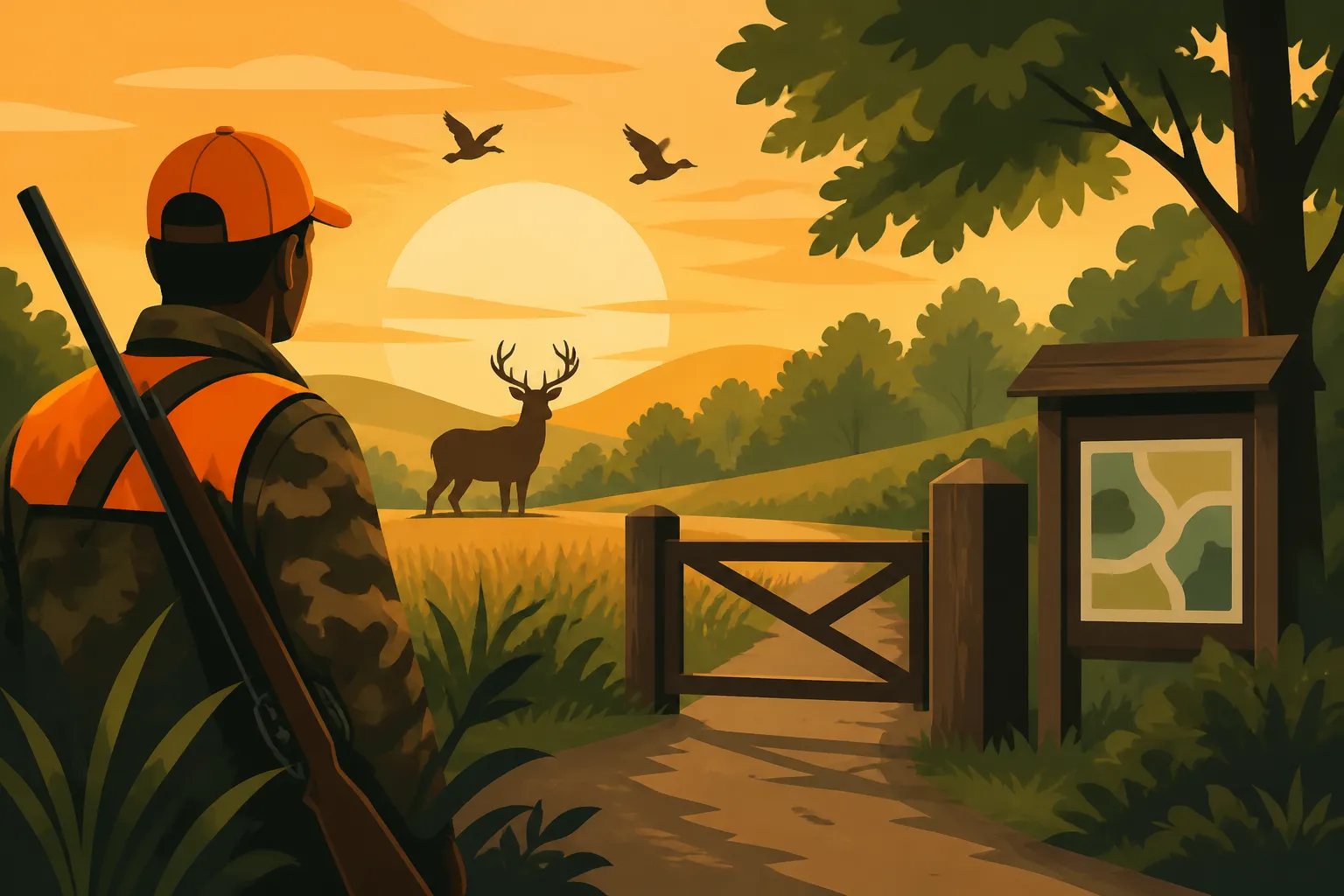
Most of the primary access points to Angeline are small gravel parking lots or pull-offs directly off the county roads that crisscross the area. These aren't always paved or clearly marked with large signs, so keeping a keen eye on your mapping app is essential. You might encounter anything from a well-maintained gravel parking area with an informational kiosk to just a wide spot in the road that local hunters have used for decades. It's always a good idea to scout these spots on a map beforehand, looking for "dots" or designated parking areas shown on official conservation area maps or advanced GPS layers.
Access roads within the conservation area itself are often gated and closed to public vehicle traffic, especially during hunting seasons, to maintain the primitive nature of the area and prevent disturbance. This means that once you park, you'll likely be hoofing it on foot for the rest of your journey into the timber. Pay close attention to signage regarding Vehicle Rules on Missouri Conservation Areas. Never block a gate or a private drive, and always ensure your vehicle is fully off the main thoroughfare. Having a reliable 4×4 or at least a vehicle with good ground clearance can be beneficial for navigating some of the rougher county roads leading to these access points, especially after a heavy rain.
Foot Traffic and Interior Trail Systems
Once you're parked, your journey into Angeline truly begins on foot. The conservation area largely relies on existing logging roads, fire breaks, and deer trails for interior access. While there might be some faint, unmarked trails, don't expect a network of neatly maintained hiking paths. This is rugged, raw country, and navigating it requires good map reading skills and a compass or GPS device. Often, the best way in is simply by following a ridge top or working up a drainage.
Many experienced hunters prefer this less-developed approach, as it allows them to penetrate deeper into the property, away from the typical "easy access" spots that can see higher hunting pressure. Learning to read the topography, such as finding ridge saddles or benches, will be far more important than looking for marked trails. Be prepared to create your own path and rely on your navigational tools to get you in and out safely. This is where applications like onX Hunt truly shine, allowing you to mark your vehicle, plot your route, and see property boundaries clearly.
Understanding Area-Specific Regulations
Like all Missouri Conservation Areas, Angeline has its own set of specific regulations that supplement the statewide hunting rules. These area-specific rules are typically posted on kiosks at main access points and are also available in the Missouri Department of Conservation's (MDC) online Conservation Atlas or on individual area brochures. It’s absolutely critical to check these before you hunt. For example, some areas might have restrictions on certain types of weapons, specific hunting methods, or even rules about where you can place Blinds and Stands on Missouri Public Land.
While statewide regulations cover things like permit requirements and shooting hours, area-specific rules might dictate things like the use of ATVs (generally prohibited), or specialized regulations for youth hunts. Make sure you understand the nuances. For instance, while baiting is generally prohibited on public lands, knowing if there are any unique food plot rules or restrictions on scouting cameras is vital. Missouri Conservation Area Rules are not universal; they vary, so always check the specific rules for Angeline.
Hunting Opportunities and Species at Angeline
Angeline Conservation Area offers a diverse hunting experience, primarily focusing on white-tailed deer and wild turkeys, but also providing opportunities for small game. The rugged terrain and extensive timber cover make it an ideal habitat for these species, attracting hunters looking for a challenge and a chance at a true Ozark trophy.
Deer Hunting in Angeline
Deer hunting is arguably the most popular pursuit at Angeline. The mix of mature hardwoods, pine plantations, and natural openings provides excellent cover and food sources. Hunters often find success by focusing on ridge lines and saddles, which act as natural travel corridors, especially during the rut. Deep hollows can also be productive, particularly on cold, blustery days when deer seek shelter. Learning to interpret Wind and Thermals in Ozark Hills is paramount for still-hunting or sitting effectively in this kind of terrain.
You'll encounter deer throughout Angeline, but the sheer size and density of the timber mean that locating them often requires extensive scouting and patience. This isn't an area where you'll typically see dozens of deer in an open field. Instead, it's more about finding fresh sign, understanding deer movement through thick woods, and being ready for those fleeting opportunities. Many hunters choose to use portable treestands or ground blinds, packing them in to remote locations to minimize pressure. During the firearms portions, expect higher hunter numbers, but the vastness of Angeline still allows for finding secluded pockets. Don't forget to secure your Missouri Deer Permits and How to Buy One well in advance.
Here’s a quick overview of hunting opportunities at Angeline:
| Species | Primary Season Types | Typical Habitat | Special Considerations |
|---|---|---|---|
| White-tailed Deer | Archery, Firearms, Alternative Methods | Oak-hickory forests, pine plantations, hollows, ridge tops | Scouting for travel corridors is key; physical exertion. |
| Wild Turkey | Spring, Fall | Roosting in tall timber, strutting areas in openings | Locator calls and run-and-gun tactics work well. |
| Squirrel | Fall, Winter | Mature oak and hickory stands | Good for youth hunters or those seeking relaxed pace. |
| Rabbit | Fall, Winter | Brushy edges, clearings, old fields | Limited, but possible in smaller openings/edge habitat. |
Turkey Hunting Prospects
Spring turkey hunting in Angeline can be nothing short of spectacular. The mature timber provides excellent roosting habitat, and the rolling terrain allows for classic run-and-gun tactics. Listening for gobblers on the roost from a high ridge at dawn, then moving in strategically, is a common and effective method here. Hunters will often set up along creek bottoms or near small openings where turkeys might strut. Fall turkey hunting is also permitted, offering a different challenge, often involving breaking up flocks and calling them back in.
Just like with deer, understanding the terrain is crucial for turkey hunting. You'll need to be ready to move quickly and quietly through the woods, often navigating steep slopes. Missouri Spring Turkey Permits and Limits apply, so make sure you're up-to-date on bag limits and season dates. Early season scouting for roost trees and feeding areas can significantly increase your success. The quiet solitude of a spring morning in Angeline, punctuated by a booming gobble, is an experience not soon forgotten.
Small Game Hunting
While deer and turkey get most of the attention, Angeline also provides opportunities for small game hunters, particularly for squirrels. The abundant oak and hickory trees are prime habitat for both fox and gray squirrels, offering a fun and relatively relaxed hunt. This is an excellent option for introducing new hunters, especially youth, to the woods, as success rates are generally higher, and the pace can be more forgiving. Carrying a trusty .22 rifle or a small-gauge shotgun can make for a memorable outing.
Rabbit hunting can also be found in areas with thicker underbrush, brush piles, and along the edges of any small clearings or glades. While Angeline isn't typically known as a premier rabbit destination due to its dense timber, pockets of habitat exist, especially where past logging or natural disturbances have created new growth. These hunts are often more opportunistic, encountered while scouting for larger game or specifically targeted in very specific areas.
Planning Your Hunt and Using Navigational Tools
A successful hunt at Angeline Conservation Area, especially for first-timers, hinges on thorough preparation and smart use of modern tools. This isn't a place where you can just show up and expect to stumble onto game without understanding the terrain and how to navigate it.
Pre-Season Scouting and Map Study
Before you ever set foot in the woods, dedicate significant time to pre-season scouting, both virtual and in-person if possible. Start with online mapping tools. The Missouri Conservation Atlas is an invaluable resource, providing detailed maps of conservation areas, including boundary lines, terrain features, and sometimes even marked access roads or parking areas. Pair this with satellite imagery from Google Maps or a dedicated hunting app like onX Hunt.
Using satellite images, you can identify potential bedding areas, food sources (like oak ridges), and natural travel corridors such as ridge lines, creek drainages, and saddles. Look for areas with diverse habitat – where mature timber meets younger growth, or where a dense hollow transitions to a more open ridge. Pay attention to topography; steep slopes and deep ravines can reveal overlooked travel routes. You can also use these tools to identify potential parking spots and plan your entry and exit routes, which is vital on such a vast property.
Leveraging Digital Mapping Applications
In today's hunting world, digital mapping applications are practically essential, especially on large, rugged public lands like Angeline. An app like onX Hunt allows you to download offline maps, so you're never without navigation, even if you lose cell service deep in a hollow. You can mark your truck, pinpoint potential stand locations, track your movement, and most importantly, clearly see property boundaries. This last feature is incredibly important in areas where public and private lands might be intermingled, helping you stay on the correct side of the line.
Another option for serious big game scouting is a platform like GoHunt, which can provide even deeper insights into habitat, historical harvest data, and weather patterns. While some of these tools have a subscription cost, the peace of mind and strategic advantage they offer are often well worth the investment for hunters tackling challenging public ground. They can help you visualize the terrain, identify subtle features like benches or small clearings, and even track thermals in relation to the topography.
Gear and Physical Preparation
Given the rugged nature of Angeline, your gear choices and physical conditioning are critical. Comfortable, sturdy boots with good ankle support are a non-negotiable. You’ll be covering miles over uneven, rocky terrain, and a twisted ankle can quickly ruin a hunt or worse. Dress in layers, as Ozark weather can be unpredictable, with significant temperature swings from morning to afternoon. A quality hunting pack capable of carrying water, snacks, emergency supplies, and perhaps even quartered game meat is also essential. Check out tips for Boots and Packs for Ozark Country.
Physical preparation shouldn't be overlooked. Hikes with a weighted pack, stair climbing, or working on steep inclines will pay dividends when you're three miles deep in a hollow and need to Recovering a Deer in Steep Ozark Ground. Don't underestimate the energy required to traverse this type of terrain, especially if you're planning to hunt all day or haul out a harvested animal. Being in good shape means you can hunt longer, go deeper, and enjoy the experience more fully. Always carry a first-aid kit, a headlamp, and means of communication, even if it's just your cell phone.
Disclaimer
This article is for general informational purposes only and does not constitute professional advice. Laws, prices and regulations vary by location and change over time. Consult a qualified professional for guidance on your specific situation.