Vehicle Rules on Missouri Conservation Areas
Hunting on Missouri's Conservation Areas offers incredible opportunities, but let's be honest, figuring out the specific rules about where you can and can't drive your vehicle can feel like navigating a maze. It’s a common frustration, trying to do the right thing while also getting to your hunting spot efficiently. This guide is here to untangle those confusing vehicle rules, helping you understand the regulations, avoid common mistakes, and use the right tools to stay on the right side of the law while enjoying Missouri's public lands.
Understanding the "Why" Behind the Rules
It's easy to look at a locked gate or a "No Vehicles Beyond This Point" sign and feel a pang of annoyance, especially when you're loaded down with gear or facing a long walk to your favorite spot. But these rules aren't just there to make things harder; they serve some really important purposes for both the land and us, the hunters who use it. Understanding the intent behind the regulations can actually make them easier to follow.
Protecting Habitat and Infrastructure
Missouri's Conservation Areas (CAs) are managed for a wide array of wildlife and public uses, and maintaining healthy habitats is paramount. When vehicles venture off designated roads, even "just for a little bit," they can cause significant damage. Think about a wet spring or fall: tires can easily rut up soft ground, destroying vegetation that wildlife relies on for food and cover. Those ruts can also become channels for water runoff, leading to erosion and impacting water quality in nearby streams and rivers. It’s not just about the immediate damage; a single track can invite others to follow, creating new, unauthorized trails that fragment habitat and disturb sensitive areas.
Beyond natural resources, there's the practical side of infrastructure. The gravel roads, culverts, and bridges on CAs are built to handle specific types of traffic and conditions. Off-road driving, or even driving large, heavy vehicles on roads not designed for them, can lead to costly repairs and maintenance. Imagine showing up to your hunting area only to find a road impassable because someone tore it up during a wet spell. The rules are there to prevent this kind of wear and tear, ensuring that these areas remain accessible and functional for everyone in the long run. It's a collective effort to keep our public hunting grounds in top shape, and respecting these rules is a big part of that. You can learn more about how these lands are managed in Missouri Conservation Areas Explained.
Ensuring Fair Access and Safety
Another critical reason for vehicle restrictions is to ensure a fair and safe experience for all users. If vehicles were allowed to drive anywhere, it would drastically alter the hunting experience. Imagine a dense timber block riddled with truck tracks, or a secluded food plot constantly disturbed by engines. This would lead to unequal access, favoring those with more capable vehicles and potentially ruining the quiet, wild feel many hunters seek. By limiting vehicle access to designated points, the Missouri Department of Conservation (MDC) creates a more level playing field, where scouting and foot travel become key elements of the hunt.
Safety is also a major consideration. Unregulated vehicle use can create hazardous conditions, especially during busy hunting seasons. Hunters on foot might not expect a vehicle to appear in certain areas, increasing the risk of accidents. Designated parking areas and clearly marked roads minimize these risks by concentrating vehicles in predictable locations. Furthermore, restricting off-road travel helps maintain a sense of solitude and immersion in nature, something many of us cherish when we head out into the woods or fields. It allows wildlife to move more naturally without constant vehicle disturbance, ultimately leading to better hunting for those who are willing to put in the legwork.
Navigating the Specifics: What's Allowed and Where
Alright, let's get down to the nitty-gritty of what you actually can and cannot do with your truck or ATV on a Missouri Conservation Area. This is where most of the confusion, and sometimes frustration, comes in. Knowing the specific rules for vehicle operation can save you a headache, and potentially a citation, down the line.
Designated Roads and Parking Areas
When you visit a Missouri Conservation Area, you'll primarily be using established, designated roads. These are typically gravel or improved dirt roads that are clearly marked and maintained for public vehicle access. It's important to understand that "designated" is the key word here. This means roads shown on official MDC maps, marked with signs, or that are clearly part of the established infrastructure. Think of the main access roads that lead into an area, or those that crisscross larger properties, often leading to specific parking lots, boat ramps, or trailheads.
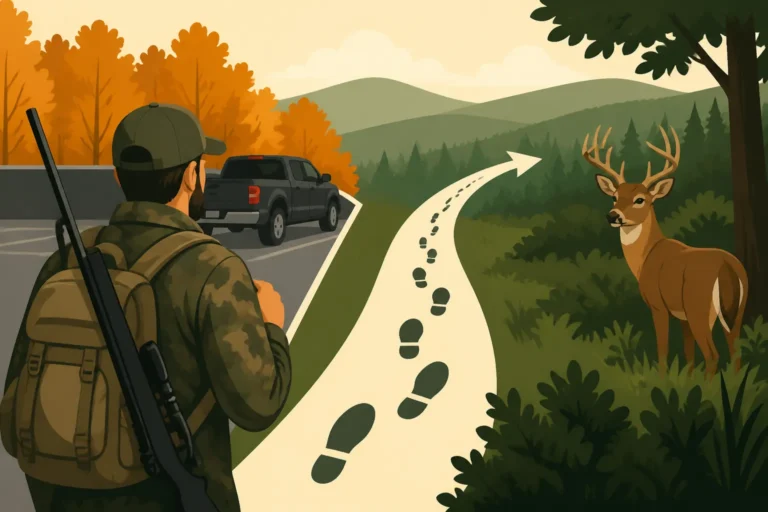
Parking is generally restricted to designated parking lots or areas specifically marked for parking. You’ll see gravel pull-offs or clearly defined lots. The general rule of thumb is that if it doesn't look like an official parking area, it probably isn't. Pulling off the side of a road, even if it seems wide enough, can sometimes be problematic if it obstructs traffic, creates erosion, or damages roadside vegetation. Always look for official signage. If you're unsure, it's always safer to park in a known lot and walk the extra distance. These rules are usually outlined in the individual Missouri Area Brochures and Local Rules for each property.
Restrictions on Off-Road Travel
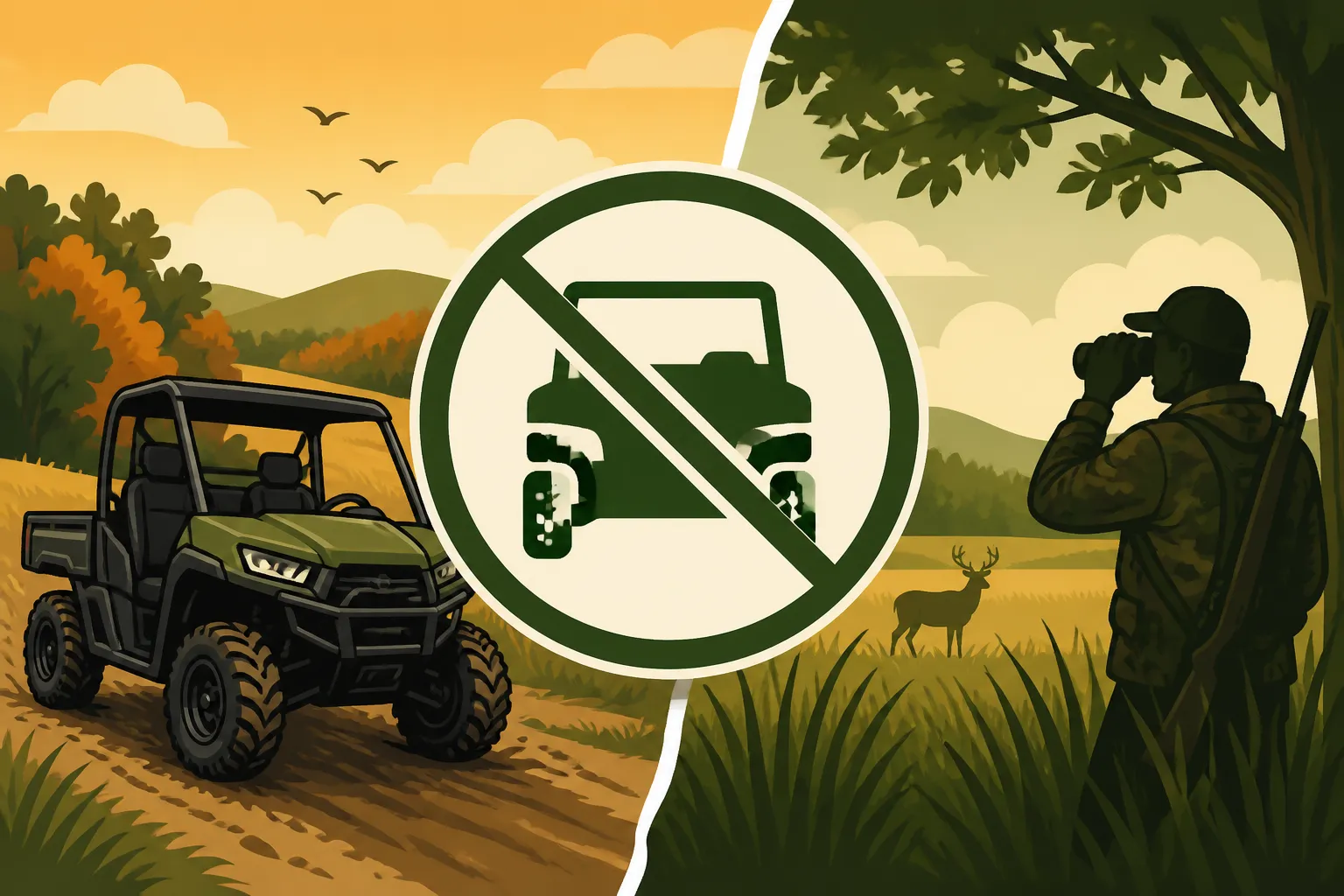
This is perhaps the most critical rule to internalize: off-road travel on Missouri Conservation Areas is almost universally prohibited. This means no driving your truck, ATV, UTV, or any other motorized vehicle across fields, through timber, down old logging trails that aren't marked as open roads, or along power lines, unless explicitly permitted by signage for a specific purpose (which is rare outside of managed hunts or specific work details). That tempting game trail that looks like it could save you a mile of walking? It's off-limits for your vehicle.
The temptation can be strong, especially when you've got a long drag ahead of you, or you think you've found a "shortcut" that nobody else uses. However, venturing off designated roads can lead to severe penalties, including fines, and more importantly, contributes to the habitat degradation discussed earlier. These restrictions are in place to preserve the wild character of these areas and protect the resources they offer. Remember, part of the challenge and reward of hunting public land often comes from the effort of accessing remote spots on foot.
Special Considerations for Mobility-Impaired Hunters
The Missouri Department of Conservation recognizes that some hunters face physical challenges that limit their mobility. To ensure equitable access, there are provisions for hunters with mobility impairments. These usually involve special permits that allow access to certain areas with an off-road vehicle where general public access is otherwise restricted. However, these are not blanket permissions to drive anywhere. They are typically tied to specific individuals, specific vehicles, and often designated routes or areas.
If you or someone you hunt with has a mobility impairment, it's absolutely crucial to contact the MDC directly and apply for the necessary permits before attempting to use a vehicle in a restricted area. There's a specific application process, and you'll need to meet certain criteria. Simply having a disabled parking placard, for example, does not automatically grant you permission for off-road vehicle use on a CA. Always carry your permit and any supporting documentation with you when hunting, as conservation agents will verify your authorization. This program is a wonderful example of how the MDC strives to make hunting accessible while still protecting the resource.
Common Pitfalls and How to Avoid Them
Even with the best intentions, it's easy to make mistakes when it comes to vehicle rules on public land. Nobody wants to face a conservation agent with a sheepish explanation about why their truck is where it shouldn't be. Being proactive and understanding these common missteps can save you a lot of grief.
The Lure of the "Shortcut"
We've all been there: you're looking at your Scouting Missouri Public Land Before Season map, or even just walking a long logging road, and you see what looks like an old faint two-track cutting directly to your hunting spot. It whispers promises of a quicker entry, less sweat, and maybe even a deeper penetration into quiet deer country. This is the "shortcut" trap, and it's a common pitfall. Many of these faint tracks are old skid trails from past timber harvests, maintenance access points that aren't for public use, or simply game trails that have been widened by occasional foot traffic. They are almost never designated roads for public vehicle use.
The biggest mistake is assuming that because a path exists, it's permissible to drive on it. On Conservation Areas, unless there's a clear sign indicating vehicle access, or it's a well-maintained, clearly marked road, assume it's walking access only. The allure of getting "just a little closer" can lead to getting stuck, damaging habitat, or worse, facing a hefty fine. Always resist the urge to create your own road. The extra walk often pays off in peace of mind and knowing you're preserving the area for future hunts.
Misinterpreting Maps and Signage
Another frequent issue arises from misinterpreting maps or overlooking crucial signage. Many hunters rely on older paper maps, screenshots, or even basic online maps that might not accurately depict current vehicle access. A road that was open five years ago might now be gated, or a parking area might have been relocated. Similarly, a small, faded sign might be missed in the brush, leading you unknowingly into a restricted zone. This is particularly true if you're exploring a new area.
It's critical to use up-to-date resources. Many CAs have specific brochures that detail access points and rules, which you can often find online on the MDC website. When you arrive at an area, take a moment to look at the entrance signs, kiosk boards, and any immediate signage along the access roads. These often contain vital information, including specific vehicle rules for that particular property. Ignoring or misinterpreting these can be an honest mistake, but it's still a violation. Always cross-reference multiple sources and pay attention to what's physically on the ground.
The Consequences of Non-Compliance
It's not just a minor slap on the wrist if you're caught driving where you shouldn't be. Violations of vehicle access rules on Missouri Conservation Areas can lead to significant consequences. Depending on the severity and nature of the offense, you could be looking at fines that can quickly add up. Beyond monetary penalties, there's the potential for points on your conservation permit, which can impact your hunting privileges in the future. In extreme cases, repeated offenses or significant habitat damage could even lead to revocation of hunting privileges.
But it's not just about the legal repercussions. There's also the ethical dimension. When hunters disregard rules, it reflects poorly on the entire hunting community. It can lead to further restrictions, tighter regulations, and even a negative public perception of hunting on public lands. We all have a responsibility to be good stewards of these resources. Respecting vehicle rules is a simple, yet powerful, way to show that respect and ensure that these opportunities remain available for everyone, including future generations of hunters. Let's make sure we're contributing positively to the legacy of public land hunting in Missouri.
Tools and Tips for Staying Compliant
Navigating public land, especially in a state like Missouri with so many fantastic but often varied Conservation Areas, doesn't have to be a guessing game. We have some incredible tools at our disposal these days that can make understanding vehicle rules a whole lot clearer. The key is knowing what to use and how to use it effectively.
Leveraging Digital Mapping Tools
In today's hunting world, digital mapping tools are indispensable for public land navigation. Applications like onX Hunt and GoHunt have revolutionized how hunters scout and traverse public ground. These platforms offer detailed satellite imagery, topographical maps, and, most importantly, crucial public land boundaries and features overlaid directly onto the map. Many even show designated roads, trails, and sometimes even specific parking areas.
Before you head out, spend some time exploring your chosen Conservation Area on a digital map. Look for layers that show public land boundaries, clearly marked roads, and any designated parking. While these apps are fantastic, remember they are tools, not gospel. Always cross-reference with official MDC maps or area brochures whenever possible. What looks like a road on a satellite image might actually be an old, overgrown track that's no longer open to vehicles. Using the GPS functionality in these apps can help you stay on designated roads and ensure you don't inadvertently stray into restricted areas or private land. For instance, Finding Missouri Property Lines is a common use for these tools, preventing accidental trespassing.
Checking Area Brochures and Local Rules
While digital maps are excellent for a broad overview, the most accurate and up-to-date information regarding vehicle rules on a specific Conservation Area will almost always be found in the official MDC area brochure. Every major Conservation Area in Missouri has a dedicated brochure, usually available as a PDF download from the Missouri Department of Conservation website. These brochures are goldmines of information.
They contain detailed maps specific to that area, marking all designated public access roads, parking lots, and areas where vehicle travel is explicitly prohibited. They also outline specific regulations that might be unique to that particular CA, which often include detailed vehicle rules, camping guidelines (see Camping Rules on Conservation Areas), and even rules about Blinds and Stands on Missouri Public Land. Take the time to download, read, and even print out the brochure for your target area. It's much easier to clarify a rule from a printed map in the field than to try and get cell service to check online when you're deep in the timber. Knowing these local rules is your best defense against unintended violations and helps ensure a smooth, enjoyable hunting trip.
A Quick Reference for Missouri CA Vehicle Rules
To help sum things up and provide a quick visual guide, here's a table outlining general vehicle guidelines on Missouri Conservation Areas. Remember, always check specific area brochures for the most precise rules for your destination!
| Activity | Generally Allowed (Check Specific Area Rules) | Generally Prohibited (Unless Explicitly Marked/Permitted) | Notes |
|---|---|---|---|
| Driving on designated gravel/dirt roads | ✅ | Stick to roads clearly marked or shown on official MDC maps. | |
| Parking in designated parking lots | ✅ | Look for gravel lots, clear pull-offs, or "Parking Area" signs. | |
| Driving off-road (fields, timber, etc.) | ❌ | This is almost universally prohibited on CAs. | |
| Using ATVs/UTVs on designated roads | ✅ (Check road type & local signage) | Often allowed on designated CA roads, but not all. Verify for each area. | |
| Driving on old logging roads/two-tracks | ❌ | Unless specifically marked as an open public vehicle route, assume foot traffic only. | |
| Access for mobility-impaired hunters | ✅ (With valid MDC permit & specific routes) | Requires a special permit from MDC; not blanket access. | |
| Creating new pull-offs or parking spots | ❌ | Use established parking areas to prevent erosion and habitat damage. |
Disclaimer
This article is for general informational purposes only and does not constitute professional advice. Laws, prices and regulations vary by location and change over time. Consult a qualified professional for guidance on your specific situation.