Trapping Furbearers in Winter
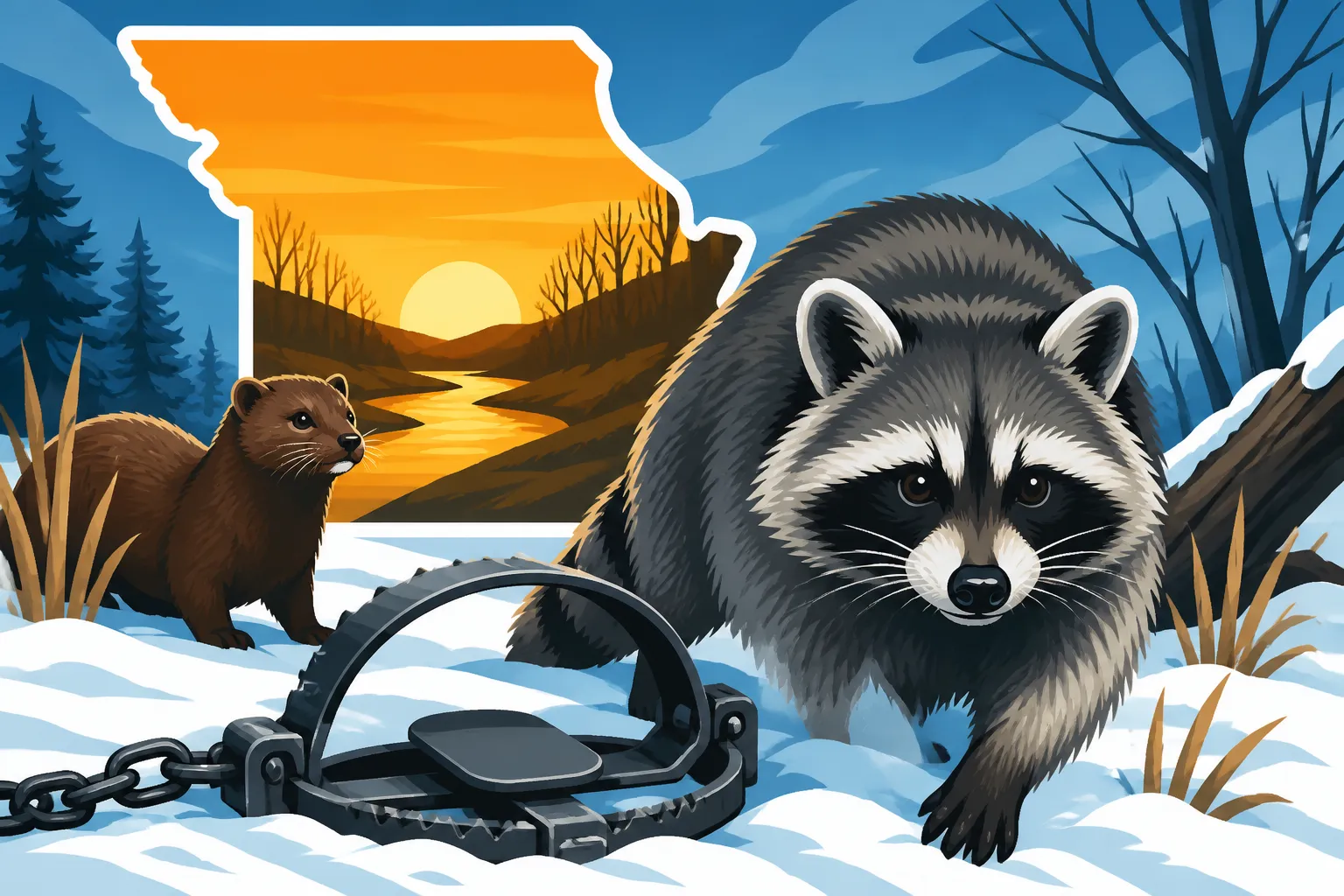
The frosty grip of winter in Missouri brings a unique opportunity for trappers: prime furbearers. But let's be honest, trying to navigate the complexities of regulations, battling the unpredictable elements, and figuring out where the animals are when the ground is frozen solid can feel like a daunting task, especially if you're new to the game or just looking to refine your cold-weather strategies. This comprehensive guide is here to unravel those challenges, providing you with detailed, actionable insights to help you ethically and successfully trap Missouri's diverse furbearer populations when their pelts are at their absolute peak.
Understanding Missouri's Winter Furbearer Season and Regulations
Winter isn't just a season for cozy fires and hot chocolate; for Missouri trappers, it’s the golden period. The colder temperatures compel furbearers to grow thicker, denser coats, making their pelts more valuable and sought after. But chasing these prime pelts requires a solid understanding of both the animals themselves and the state's specific trapping rules.
Key Species and Prime Pelt Seasonality
When we talk about Missouri furbearers in winter, a few key species immediately come to mind. Coyotes and both red and gray foxes are high on many trappers' lists, primarily for their beautiful, full winter fur. These canines are incredibly adaptable and can be found across various landscapes, from the rolling farmlands of North Missouri to the timbered draws of the Ozarks. Their activity levels often increase as they search for food in leaner times, making them more susceptible to well-placed sets.
Then there are the elusive bobcats, with their stunning spotted coats. Their pelts reach peak quality in the deep winter months, making them a highly prized catch. Bobcats tend to stick to denser cover, often in the more rugged parts of the state, like the Mark Twain National Forest or other expansive timber tracts. Raccoons, ever-present and always an option, also boast a much thicker coat in winter, offering excellent pelt value. They're often found near water sources and den trees, even when temperatures drop.
For those focusing on water sets, muskrats and mink are the stars. Muskrats are prolific breeders, and their populations can be quite robust in ponds, marshes, and slow-moving streams. Mink, the more solitary and aggressive cousins, also have luxurious winter pelts and will frequent similar aquatic habitats, often using bank dens or log jams. Even opossums, while perhaps not as highly prized, offer a consistent opportunity for trappers, and their fur also improves significantly with the cold. The general trapping season for most furbearers in Missouri typically runs from mid-November through January, sometimes extending into February for certain species, ensuring ample opportunity to target prime fur.
Essential Permits and Legal Requirements
Before you even think about setting a single trap, understanding the legal framework is paramount. Missouri has clear regulations designed to ensure ethical and sustainable trapping. First and foremost, any resident or nonresident trapper needs the correct permits. For most furbearers, this means holding a small game hunting permit, and crucially, a separate Missouri Furbearer Permit Basics. You can pick these up online, at local vendors, or through the Missouri Department of Conservation (MDC) offices. It’s always a good idea to double-check the current year's regulations, as dates and specific rules can sometimes shift. You can easily access this information via the MO Hunting App Does on your smartphone, which is an invaluable tool for any Missouri outdoors person.
One of the most critical rules to adhere to is the daily trap check. All traps, snares, and conibears must be checked at least once every 24 hours. This is not just a legal requirement but an ethical one, ensuring minimal suffering for captured animals and allowing for quick release of any non-target species. Furthermore, every trap or snare you set must be clearly marked with your full name and address, or your MDC Conservation Number. This helps identify trap lines and ensures accountability.
Missouri also has specific rules regarding trap types and placement. For instance, snares have particular regulations concerning their diameter, cable size, and the inclusion of a break-away device. You can't just set them anywhere; there are often setback distances from public roads or occupied dwellings. Body-gripping traps (like Conibears) also have restrictions, often requiring placement in water or at certain heights above ground when set on land to avoid non-target catches, especially domestic animals. For the most detailed information, always consult the current MDC Wildlife Code booklet, which is the definitive source for all regulations, including details on "Trapping and Furbearer Permit Basics." Ignoring these rules isn't just a risk for a ticket; it's a disservice to the trapping community and the animals we pursue.
Strategic Placement and Set Design for Winter Trapping
Successfully trapping in winter hinges on two things: knowing where furbearers are likely to travel or feed, and then crafting a set that's irresistible and functions flawlessly in cold conditions. This isn't about blind luck; it's about careful observation, strategic thinking, and adapting your methods to the winter landscape.
Locating Prime Winter Habitat for Furbearers
Winter often means less abundant food sources and harsher conditions, which naturally funnels furbearers into more predictable patterns. This is where your scouting skills truly shine. For canines like coyotes and foxes, focus on travel corridors that offer both concealment and access to potential food. Think about the edges of large crop fields, especially those with standing corn or bean stubble that might harbor rodents. Look for natural pinch points—narrow strips of timber between open fields, fence rows (Hunting a Missouri Fencerow Between Fields), or gaps in dense cover. Creek bottoms and draws that cut through open country are also fantastic spots, providing natural highways for animals moving between bedding and feeding areas. During winter, these areas often offer some thermal protection and possibly a slightly less frozen ground to work with. Using mapping tools like GoHunt, or even the traditional Missouri Conservation Atlas, can help you identify these features from your couch, allowing you to plan your boots-on-the-ground scouting more efficiently. You can also use these tools to ensure you are on legal ground by referencing Finding Missouri Property Lines.
Bobcats, being more reclusive, prefer rougher terrain. Look for areas with rocky bluffs, dense cedar thickets, brushy clear-cuts, or significant timbered draws, especially those that border more open areas where their prey might be found. They often use old logging roads or game trails within these dense habitats. Tracks in fresh snow are an absolute giveaway, revealing their preferred travel routes and hunting grounds.
For raccoons, mink, and muskrats, focus on aquatic environments. Creek banks, pond edges, drainage ditches, and even culverts beneath roads are prime locations. Raccoons will often seek out den trees along these water features, or explore any cracks and crevices in rock formations. Look for tracks in the mud (even frozen mud can hold impressions from warmer days), scat along logs, or disturbed vegetation near the water's edge. Mink will follow the contours of a stream, often exploring every nook and cranny for a meal. Muskrats are typically found in shallower, calmer water with plenty of aquatic vegetation for food and building material. Old beaver dams or lodges can also be fantastic spots for mink and muskrats.
Effective Winter Set Construction
Once you've identified your furbearer hotspots, the next step is building sets that perform in cold weather. For coyotes and foxes, dirt hole sets remain king. The key in winter is to prevent the trap from freezing solid. One effective method is to use waxed dirt or dry peat moss as a bedding material around and under your trap. You can even sift dry dirt or anti-freeze dirt (dirt treated with calcium chloride) to keep your trap bed from freezing. Dig your dirt hole slightly deeper than usual, angling it towards a backing object like a clump of grass or a rock. Use a strong, enticing lure that can project its scent well in cold, still air, placed down the hole. For bait, a chunk of tainted meat or a strong-smelling commercial bait works wonders. Remember to blend your set meticulously; even in winter, a camouflaged trap is crucial. Flat sets, which involve placing lure and bait on the ground with the trap nearby, also work well, especially on frozen ground where digging a deep dirt hole is difficult.
For raccoons, mink, and muskrats, water sets are often the most reliable. Pocket sets are fantastic for raccoons and mink along stream banks. Dig a pocket into the bank, just at or below water level, and place a bait (fish, crayfish, or sweet-smelling commercial paste bait) at the back. Position a foot-hold trap just inside the mouth of the pocket. For muskrats, submerged conibear traps (body-gripping traps) set in their travel runs or at the entrance to bank dens can be highly effective. In culverts, a well-placed bodygrip in a run is almost guaranteed to produce results for raccoons or mink. If using snares, ensure they are placed in legal travel lanes and adhere to all Missouri's specific regulations, including required kill-switches or breakaway devices. Proper anchoring of all traps is non-negotiable, especially with powerful animals like coyotes or raccoons. Use sturdy stakes, rebar, or even rock piles in rocky terrain to ensure your trap stays put.
| Furbearer Species | Ideal Winter Habitat | Recommended Winter Trap Types |
|---|---|---|
| Coyote/Fox | Field edges, timbered draws, pinch points, fencerows | Dirt hole sets (waxed dirt), Flat sets, Snares (check local rules) |
| Bobcat | Dense cover, rocky bluffs, thick timber, travel corridors | Dirt hole sets, Flat sets, Rub sets, Snares |
| Raccoon | Creek banks, den trees, culverts, pond edges | Pocket sets, Dog-proof traps, Body-grip traps (in cubbies/water) |
| Mink | Stream banks, log jams, bank dens, culverts | Pocket sets, Body-grip traps (in cubbies/water) |
| Muskrat | Ponds, marshes, slow-moving streams, bank dens | Body-grip traps (submerged in runs/dens), Colony traps |
| Opossum | Brush piles, timber edges, general cover | Cage traps, Dog-proof traps, Dirt hole sets |
Overcoming Winter Trapping Challenges and Maximizing Success
Winter trapping isn't just about setting traps; it's about outsmarting the elements. The cold, the snow, and the ice all present unique hurdles that can quickly turn a promising trap line into a frustrating ordeal if you're not prepared.
Dealing with Freezing Temperatures and Ice
The most pervasive challenge in winter trapping is undeniably the freezing temperatures. Frozen ground can make digging dirt holes nearly impossible, and once a trap is set, it's vulnerable to freezing solid, rendering it useless. To combat this, as mentioned, waxed dirt or dry anti-freeze dirt is your best friend. Many trappers prepare large batches of waxed dirt in the fall, storing it in sealed containers so it's ready when the cold hits. If you find yourself on extremely frozen ground, consider using pre-dug trap beds covered with a tarp, or focusing on flat sets that require less digging. Sometimes, simply digging a slightly deeper trap bed and then covering the trap pan with a piece of screen or waxed paper before bedding the trap can help keep snow and ice from fouling the mechanism.
Water sets come with their own set of icy problems. Streams and ponds can freeze over completely, making it impossible for animals to access your traps or for you to check them. When temperatures hover around freezing, water levels can fluctuate, exposing submerged traps or creating a layer of skim ice. For muskrats and mink, try to focus on deeper water where ice may be thinner or absent, or place traps under overhanging banks and roots where ice might not form as readily. Diving logs, which are logs placed strategically to force an animal under the ice to reach an air pocket or a trap, can be very effective. Always be prepared to break ice to check your traps – a small hatchet or ice chisel can be invaluable. It's also crucial to monitor weather forecasts closely. A sudden warm-up followed by a hard freeze can encapsulate your traps in ice, so adjusting your trap line accordingly, perhaps pulling water sets before a deep freeze, is a smart strategy.
Scent Control and Ethical Practices
While not always as critical in water sets, scent control is paramount for canines and bobcats, especially in the still, cold air of winter. Human odor can linger for longer in freezing temperatures, easily alerting wary furbearers. Always wear clean gloves when handling traps, lures, and baits. Many experienced trappers even dedicate a specific set of clothing just for their trap line, avoiding any strong detergents or fabric softeners. Some even go so far as to smoke their traps or boil them in logwood dye to remove foreign odors and give them a natural finish. Remember, the goal is to make your set blend seamlessly into the environment, both visually and olfactorily.
Ethical trapping practices are the cornerstone of our sport. The 24-hour trap check requirement is not just a rule; it's a commitment to the humane treatment of animals. Any animal caught should be dispatched quickly and humanely. Research and practice proper dispatch techniques for each species you pursue. It's also inevitable that you'll catch non-target animals from time to time. Knowing how to safely and gently release these animals is a skill every trapper must possess. For animals like raccoons or coyotes, which can be prone to chewing at their foot, using laminated or offset jaw traps can minimize injury.
Finally, proper pelt care is crucial to honoring your harvest and maximizing your efforts. Once an animal is dispatched, getting it cooled down quickly is important, even in winter. Learning how to properly skin, flesh, and stretch your pelts will ensure you get the best possible value from your hard-earned fur. Many local trapping associations offer workshops on these techniques.
Resources and Continuous Learning for Missouri Trappers
Trapping is a craft, and like any craft, it requires continuous learning and refinement. Missouri offers a fantastic community and resources to help trappers, whether you’re a seasoned veteran or just starting your journey.
Connecting with the Trapping Community
One of the absolute best resources for any trapper in Missouri is the Missouri Trappers Association (MTA). This organization is dedicated to promoting ethical trapping, educating the public, and advocating for trappers' rights. They often host conventions, workshops, and field days where you can learn directly from experienced trappers, see demonstrations of various sets, and pick up tips and tricks specific to Missouri's diverse habitats. Connecting with local trappers can provide invaluable mentorship, helping you understand local animal movements, and even suggesting good areas to explore, especially if you're looking for public access beyond the main hunting grounds like the Mark Twain National Forest Hunting areas. Don't be shy; most trappers are more than happy to share their knowledge and passion for the outdoors.
Beyond formal associations, local sporting goods stores, bait shops, and even online forums dedicated to Missouri hunting and trapping can be great places to find local advice and connect with like-minded individuals. Sharing experiences, discussing successful sets, and learning from others' mistakes can dramatically shorten your learning curve.
Utilizing Modern Tools for Scouting and Planning
In today's world, technology has given trappers powerful tools that can greatly enhance their scouting and planning efforts. We've already mentioned mapping applications like GoHunt, which allow you to view topographical maps, aerial imagery, and property lines from your smartphone or computer. These tools are indispensable for identifying promising travel corridors, pinch points, and water features without ever setting foot on the ground. You can mark potential set locations, plan your access routes, and estimate travel times between traps. These apps can be a game-changer for efficiently scouting Public Hunting Land in Missouri, allowing you to find those overlooked spots that others might walk past.
Additionally, don't underestimate the power of a good weather app. Knowing when a cold front is coming, if precipitation is expected, or if temperatures are going to swing wildly can help you plan your trap checks, adjust your sets, and prepare for frozen ground or icy conditions. Staying informed about the weather allows you to proactively manage your trap line, reducing the risk of fouled traps or unnecessary animal suffering. Combine these digital tools with traditional map reading (Scouting With the Missouri Conservation Atlas) and boots-on-the-ground scouting, and you'll be well on your way to a more successful and rewarding winter trapping season in Missouri. For those interested in expanding their knowledge further, understanding the rules around Missouri Furbearer Permit Rules can provide additional clarity on legal methods and species.
Disclaimer
Please remember that hunting and trapping regulations, seasons, and permit requirements can change. Always consult the most current Missouri Department of Conservation (MDC) regulations before engaging in any hunting or trapping activities. The information provided here is for general guidance and educational purposes only and should not be considered a substitute for official legal documents or professional advice. Stay safe, be ethical, and enjoy Missouri's incredible outdoors responsibly.