Scrape Lines Along a Logging Road
Finding fresh deer sign can feel like a treasure hunt, and sometimes, those treasure maps lead you right to a logging road. You’ve probably walked countless miles of them, seen a few scrapes here and there, but then there are those moments when you stumble upon a line of them, and your heart starts pounding. It's frustrating when you know that sign is hot, but you're not quite sure how to translate it into a successful hunt. This guide is all about helping you understand, locate, and effectively hunt those often-overlooked yet incredibly productive scrape lines along logging roads in Missouri.
The Allure of Logging Roads for Missouri Whitetails
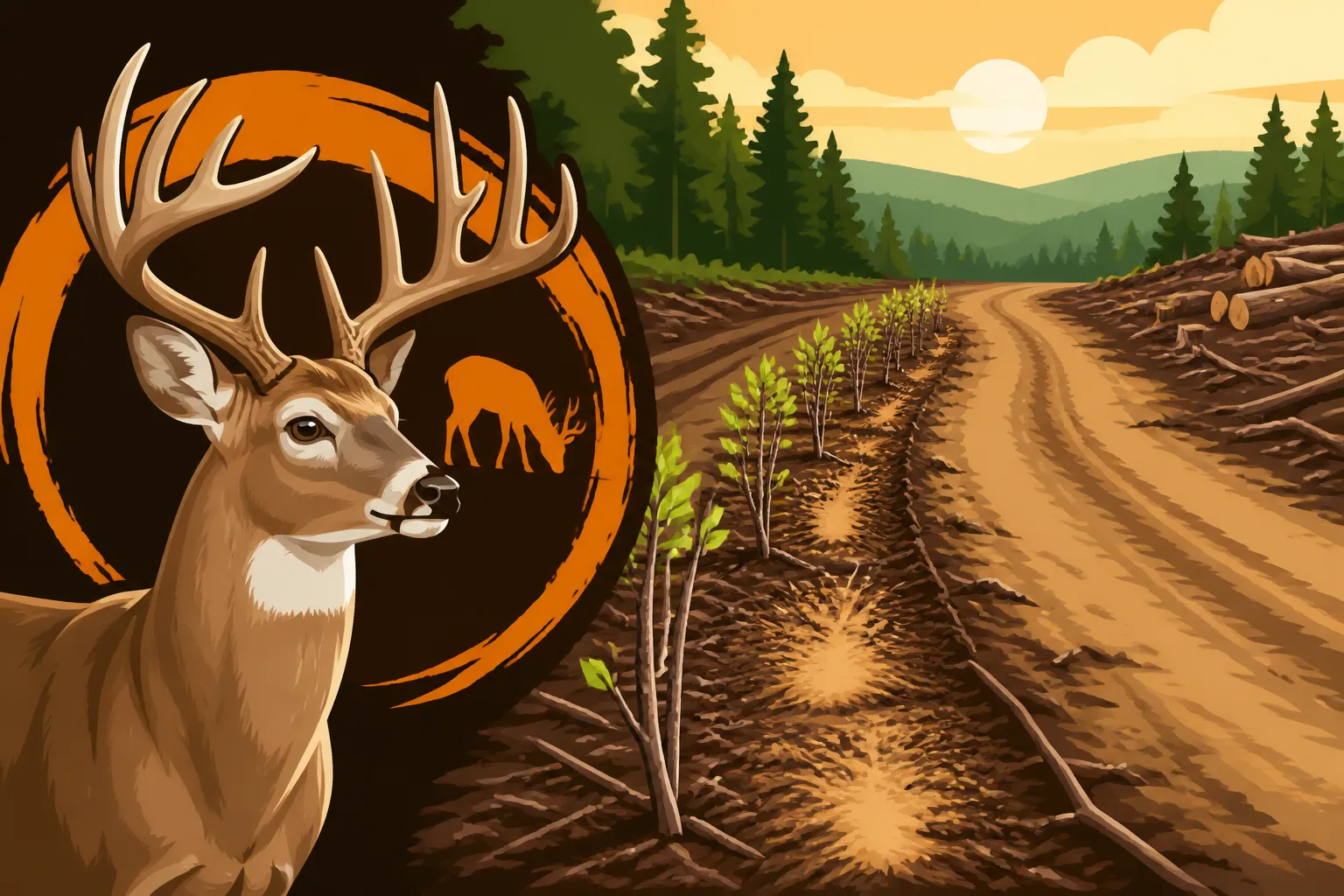
Logging roads, whether they're old, overgrown two-tracks or freshly cut paths, act like natural highways for deer. They offer relatively clear travel lanes through otherwise dense timber, and bucks, especially, love them for communication. These aren't just paths; they're social hubs, and scrape lines are their bulletin boards.
Why Bucks Choose Logging Roads for Scrapes
Think about it from a buck's perspective. You're a big, mature whitetail, and you've got a lot of ground to cover. Why push through thick brush when there's a perfectly good, open logging road? These roads often follow contours, linking different habitat types like bedding areas on a ridge top to feeding areas in a creek bottom. They provide a clear, visible corridor, perfect for leaving sign that's easily spotted and smelled by other deer. It's a low-effort, high-impact way for a buck to let every doe and rival buck know he's in the area and ready for action. The edges of these roads, where the sunlight often hits the undergrowth, can also create ideal spots for licking branches, which are a crucial component of a scrape.
The Purpose of a Scrape Line
A scrape line isn't just a random collection of pawed-up dirt. It’s a series of messages left by bucks, primarily during the pre-rut and peak rut phases. Each scrape is essentially a communication hub where deer deposit scent from their interdigital glands (from pawing the ground), preorbital glands (from rubbing the licking branch), and forehead glands (from rubbing the overhead branch). They might even urinate into the scrape, adding tarsal gland scent. These "community scrapes" or "line scrapes" are like a chain of billboards advertising a buck's presence, dominance, and reproductive status. Does visit these scrapes to check for buck activity, and often leave their own scent, indicating their receptiveness. It's a complex system, and a hot scrape line on a logging road is a clear indicator that you're in a prime deer social zone.
Decoding Logging Road Scrape Lines
Not all logging roads, and certainly not all scrapes, are created equal. The trick is knowing how to read the landscape and the sign itself to find the most productive areas. You’ve got to become a deer detective, looking for clues beyond just the scraped dirt.
Prime Locations on the Logging Road
When you're walking a logging road, don't just stare at the ground right in front of you. Look for specific features that make a spot more attractive for a buck to leave his mark. Bends in the road, where deer might naturally slow down or veer off, are excellent spots. Intersections with other deer trails or old skidder paths create natural crossroads. And think about pinch points – areas where the road itself is constricted by terrain, thick brush, or perhaps a ditch. Deer are funneled through these spots, increasing the likelihood of interaction with the scrape. Often, these roads will run along benches or ridges, offering commanding views and easy travel. If you can find a logging road that also functions as a travel corridor on a Hunting Missouri Ridge Saddles and Benches, you've likely hit the jackpot.
Associated Deer Sign to Look For
A scrape is rarely an isolated incident. The presence of other fresh deer sign is what elevates a simple scrape to a truly hot scrape line. Look for fresh rubs on trees along the road edge. These are often made by the same buck tending the scrapes and indicate his presence and aggression. Fresh tracks in the dirt, especially larger buck tracks, entering and exiting the scrapes, are huge indicators of recent activity. Most importantly, pay close attention to the overhead "licking branch." This is often a low-hanging branch that deer chew on, rub their preorbital glands against, and that helps distribute scent. A torn-up, shredded, or discolored licking branch is a clear sign of an active scrape. If you're Finding Sign in Big Timber, these subtle clues can tell you a much bigger story.
Timing is Everything for Active Scrapes
While scrapes can appear intermittently throughout the year, their real significance ramps up during the fall. The most active and productive scrape lines you'll find along logging roads will be during the pre-rut, typically late October, and especially during the Hunting the Peak Rut Week in Missouri in early November. During these times, bucks are actively seeking does, and the scrape lines become critical communication hubs. Before late October, you might see "mock scrapes" or early season scrapes, but they rarely have the sustained activity of a true rutting scrape line. Using a tool like GoHunt's mapping features can help you pinpoint historical deer movement patterns in relation to these roads, giving you an edge on when and where to focus your scouting efforts.
Strategizing Your Hunt Over Logging Road Scrapes
Once you've located a promising scrape line along a logging road, the real work begins: figuring out how to hunt it effectively without spooking the very deer you're trying to tag. This involves careful consideration of your approach, setup, and tactics.
Choosing Your Setup Location
You might be tempted to set your treestand directly over the most active scrape, but often, that's not the best move. Deer, especially mature bucks, are incredibly cautious, and they often approach scrapes from downwind, circling to scent-check the area before committing. A better strategy is to set up 20-30 yards downwind from the primary scrape or scrape line, focusing on where the deer are likely to approach from. Look for natural funnels, intersecting trails, or thick cover nearby that offers an entry or exit route. If you’re Treestand Setups in Hardwood Timber, consider a tree that provides good concealment not just from the deer at the scrape, but also from deer traveling the logging road itself. For those times when the terrain or timber makes a treestand impossible, a well-placed Ground Blinds on Crop Field Edges or in thick cover just off the road can also be effective, just make sure it's brushed in thoroughly.
| Scrape Activity | Ideal Setup Position Relative to Scrape | Wind Consideration | Key Observation Points |
|---|---|---|---|
| High Activity | 20-30 yards downwind, covering approach routes | Always prioritize being downwind of the scrape and likely deer approach. | Focus on intersecting trails, thick cover entry points, and the licking branch. |
| Moderate Activity | 30-40 yards downwind, observing the general area. | Again, downwind. Deer might be less direct. | Watch for deer moving along the logging road itself, not just directly to the scrape. |
| Early Season / Mock | Observe from a distance; don't commit. | Use for scouting, not hunting. | Focus on trail cameras to confirm true activity before hunting. |
Minimizing Pressure and Maximize Scent Control
Logging roads, by their very nature, are often easily accessible, making them susceptible to Hunting Pressure on Missouri Public Ground. If you're hunting public land, chances are other hunters are walking these same roads. Your approach needs to be stealthy and scent-free. Use the GoHunt app to help you identify less-traveled sections of logging roads or find entry routes that keep you off the main path as much as possible. Scent control is paramount. Wear rubber boots to minimize scent transfer on the ground, and use scent-eliminating sprays or clothing. Plan your entry and exit routes carefully, especially in the dark, to avoid spooking deer as you approach or leave your stand. A little extra effort in scouting, perhaps Scouting Missouri Public Land Before Season from a distance, can reveal less pressured areas.
Employing Calls and Scents
During the rut, a hot scrape line is practically begging for some aggressive calling. Grunt calls can mimic a buck cruising the area, while rattling antlers can simulate a fight, drawing in curious bucks looking for action or to assert dominance. Try a few soft grunts as you get settled, then escalate if you don't see anything. Doe bleats can also work, as does are visiting these scrapes. When it comes to scents, a quality doe-in-estrus urine can be placed near the scrape to enhance its appeal, or even on a drag rag on your approach to create a false trail. Just be mindful not to contaminate the actual scrape itself with your human scent or over-apply. A little goes a long way. Understanding when and how to implement Rattling and Grunting in the Rut can significantly increase your success rate near these key communication areas.
Advanced Tactics for Logging Road Scrapes
To truly master hunting scrape lines along logging roads, you need to go beyond the basics. Think about how deer interact with these features, and how you can use technology and careful observation to your advantage.
Leveraging Trail Cameras
Trail cameras are your eyes in the woods when you're not there, and they are invaluable for hunting logging road scrapes. Set up a camera directly on the scrape, or slightly off to the side, to monitor activity. Pay attention to the time of day bucks are visiting, their direction of travel, and if they're interacting with the licking branch. Cellular trail cameras can give you real-time updates, allowing you to adapt your hunting strategy on the fly. Remember to check Trail Camera Rules on Conservation Areas if you're hunting public ground, as regulations can vary. You might find that a particular buck is consistently hitting the scrape at dawn, giving you a perfect window to intercept him.
Differentiating Active from Inactive Scrapes
It’s easy to get excited about any scrape you find, but not all scrapes are created equal. An active scrape will have freshly pawed earth, often damp or muddy from recent use, and a distinct smell of deer musk. The licking branch above it will show fresh signs of chewing, rubbing, or breaking. Inactive scrapes, on the other hand, might have leaves covering them, faded tracks, or a dry, crusty appearance. A scrape that looks like it hasn't been touched in days or weeks isn't worth setting up on. Focus your efforts on the freshest sign, and don't be afraid to move if the scrape line you're watching goes cold. This constant evaluation is key to successful rut hunting.
Avoiding Common Mistakes
One of the biggest mistakes hunters make when hunting scrape lines is over-hunting them. These spots are high-traffic areas, and too much human presence will quickly make deer nocturnal or push them to different areas. Hunt them sparingly, especially during the middle of the day. Another common pitfall is ignoring the wind. Always, always hunt with the wind in your favor, positioning yourself so your scent is blowing away from the scrape and any likely approach routes. For archers, especially, consider Orange Requirements for Missouri Archers if hunting during a firearm portion that overlaps. Finally, don't just focus on the scrape itself. Remember, bucks are traveling to and from these scrapes. Look for sign leading in and out of the logging road, and consider setting up on a feeder trail 50-70 yards off the road, where a buck might feel more comfortable scent-checking the scrape area from a distance before revealing himself.
Disclaimer
Hunting carries inherent risks, and it is the responsibility of each hunter to understand and comply with all local, state, and federal hunting regulations. Always prioritize safety, practice ethical hunting principles, and be aware of your surroundings. This guide provides general information and recommendations; specific conditions and rules may vary.