Orange Requirements for Missouri Archers
It's incredibly frustrating to head into the woods, especially as an archer, and feel unsure about whether you're breaking a rule that seems to change depending on the day or the season. We all want to be safe and legal, but the nuances of hunter orange requirements in Missouri can definitely lead to a lot of head-scratching. This guide is here to clear up that confusion, specifically for us bowhunters, so you can focus on the hunt, not the rulebook.
Demystifying Missouri's Hunter Orange Regulations for Archers
Let's be honest, as archers, we pour countless hours into practicing our draw, tuning our bows, and mastering the art of stealth. The idea of donning a bright orange vest can feel like it completely undoes all that hard work, turning us into a beacon in the timber. However, Missouri's hunter orange regulations are designed with a critical purpose: safety. Understanding when and why these rules apply is the first step to confidently hitting the woods.
The General Rule and Archery Exemptions
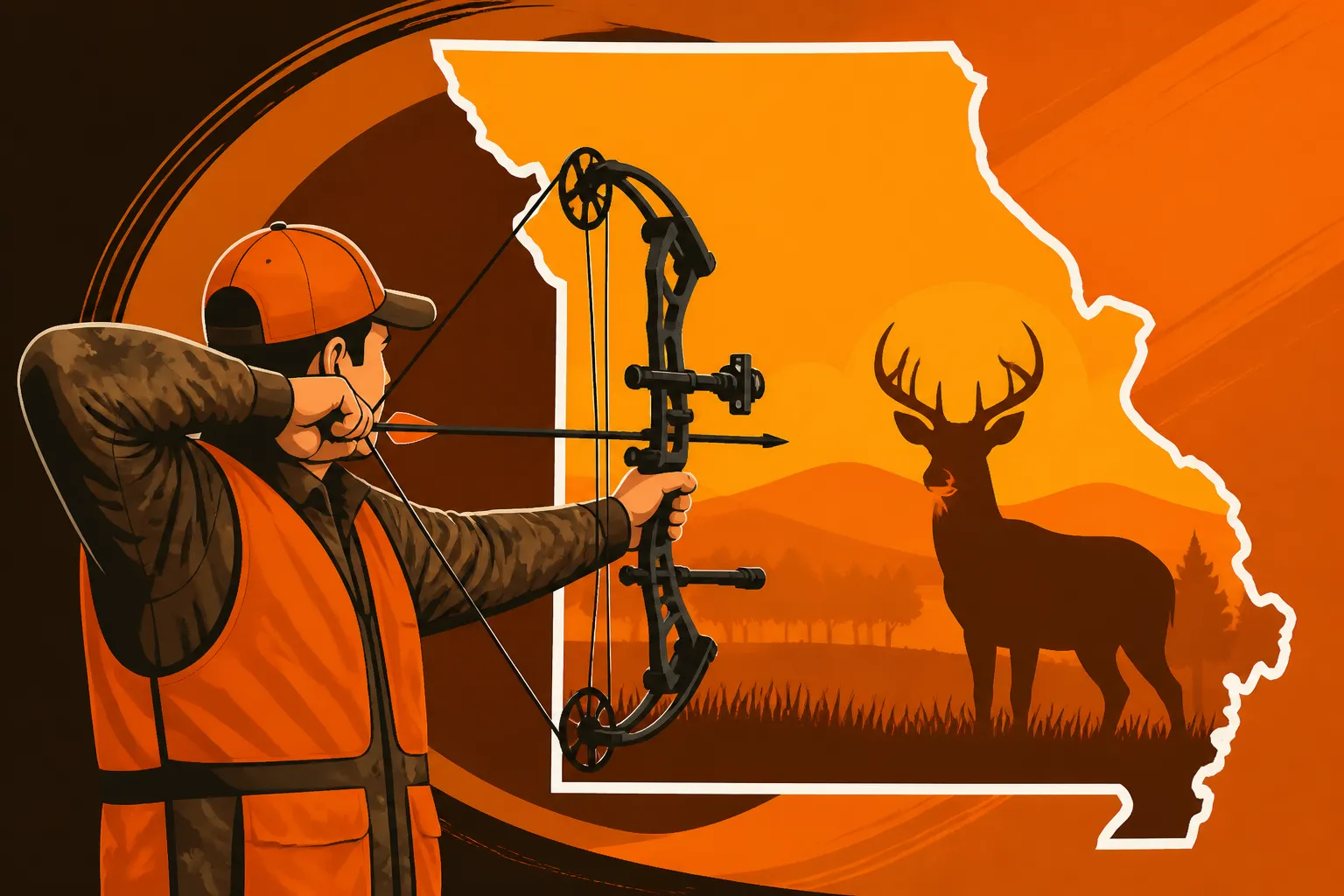
Missouri's core hunter orange rule is pretty straightforward for most firearms seasons: any person hunting deer with a firearm must wear hunter orange. This typically means an outer garment, like a vest or coat, that is visibly orange and covers at least 400 square inches on the chest, back, and/or head. The idea is to make hunters visible to other hunters, dramatically reducing the risk of accidental shootings. It's a measure born from necessity, unfortunately, and one that has undeniably saved lives over the years.
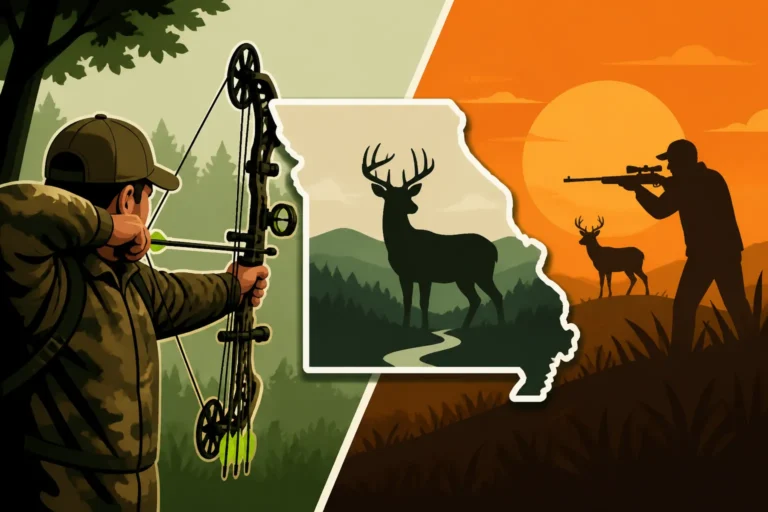
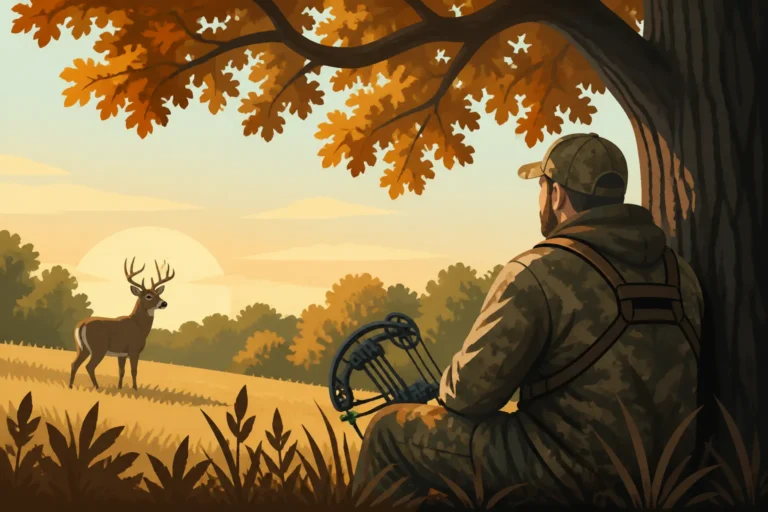
Now, for us archers, things get a little more nuanced. During the dedicated archery-only portions of the deer season, which primarily run from early September to mid-November and then again from late November through January, hunters using archery equipment are generally not required to wear hunter orange. This is fantastic for those of us who prioritize camouflage and blending into the environment. You can really hone in on your natural concealment techniques, whether you're Treestand Setups in Hardwood Timber or tucked into a natural ground blind. This exemption acknowledges that archers typically hunt from a stationary, concealed position, and the risk profile is different than someone still-hunting with a rifle.
However, and this is where the critical distinctions come into play, these exemptions evaporate the moment a firearms deer season portion opens, even if you're still hunting with your bow.
When Archers Must Wear Orange
This is the part that often trips up even seasoned archers. While Missouri offers generous archery-only periods, there are specific times when the presence of firearms hunters in the woods makes hunter orange mandatory for everyone, including archers. It’s not about what weapon you’re carrying; it’s about when you are in the field. If you are hunting during a firearms deer portion, you are expected to wear hunter orange, regardless of whether you're carrying a rifle, a shotgun, or your trusty compound bow.
The logic here is purely safety-driven. During these crowded firearms seasons, the Missouri Department of Conservation (MDC) wants to ensure maximum visibility for all participants. An archer, even if they prefer to remain camouflaged, is still vulnerable to being mistaken for game by another hunter who might be glassing a distant ridge or moving through thick cover. It's a shared responsibility to protect each other in the woods. So, while you might be focused on your bowhunting strategy, remember that your visibility to other humans takes precedence during these shared seasons. Many hunters use apps like GoHunt to keep track of these season overlaps and ensure they’re always compliant.
Specific Season Portions Requiring Hunter Orange
Missouri's deer season structure can feel like a complex puzzle with all its different portions and weapon restrictions. For archers, knowing exactly which dates trigger the hunter orange requirement is paramount. It’s not enough to just remember “November is firearms season”; you need to know the specific windows that mandate orange.
The November Firearms Portion and Other Firearms Seasons
The absolute clearest time when archers must wear hunter orange is during Missouri's main Missouri's November Firearms Portion. This 11-day period in mid-November is the busiest time in the deer woods, with thousands of firearms hunters taking to the field. During these dates, if you're out chasing deer with your bow, you are absolutely required to wear the minimum 400 square inches of hunter orange. There's no exception for archers during this specific time. This often means putting your bowhunting skills to the test while dressed for maximum visibility, a challenge many of us bowhunters reluctantly embrace for the sake of safety.
Beyond the main November firearms portion, there are other, shorter firearms seasons where the same rule applies. For instance, if you decide to try Hunting Missouri's Early Antlerless Days or the late antlerless portions, and these are designated as firearms seasons, then you, as an archer, would still need to wear hunter orange. It's always best to consult the current year's MDC regulations, easily accessible through resources like the MO Hunting app or the MDC website, to confirm the exact start and end dates of any firearms portion. This is especially true for those traveling, as local regulations can sometimes have minor variations or specific considerations.
Youth and Alternative Methods Portions
Another set of dates where hunter orange is universally mandated for deer hunters, including those with archery equipment, are the various youth deer portions. Missouri offers both an early and a late youth portion, designed to give young hunters a fantastic opportunity to harvest a deer. During these periods, all hunters, regardless of age or weapon choice, must display hunter orange. If you're out with your bow during the Youth Portion Strategy in Missouri, even if you're not accompanying a youth hunter, you need to be visible. This is again about maximizing safety for our youngest hunters and ensuring a positive, secure experience for everyone afield.
Similarly, the Alternative Methods Deer Hunting in Missouri portion, which typically runs in late December and early January, also requires hunter orange. This season allows for the use of muzzleloaders, crossbows, and certain handguns, and it overlaps with the late archery season. So, while you might be thinking of a quiet, late-season bowhunt, if it falls within the Alternative Methods dates, your orange vest needs to be on. It's easy to get caught up in the excitement of a potential late-season buck, but forgetting this crucial safety measure could lead to an unwanted encounter or, worse, a serious accident. Planning your hunts with a tool like GoHunt can help you overlay seasons and always know what to wear.
Here’s a quick reference table to help visualize these requirements:
| Season Portion | General Dates (Approx.) | Hunter Orange Required for Archers? | Notes |
|---|---|---|---|
| Early Archery Portion | Sept. 15 – Nov. 10 | NO | Archers can wear camouflage. |
| November Firearms Portion | Mid-November (11 days) | YES | Mandatory for all deer hunters, including archers, due to high firearms hunter density. |
| Late Archery Portion | Late Nov. – Jan. 15 | NO (unless concurrent) | Orange NOT required unless it overlaps with Youth or Alternative Methods Firearms portions. |
| Early Youth Portion | Late Oct. (3 days) | YES | Mandatory for all deer hunters. |
| Late Youth Portion | Early Jan. (3 days) | YES | Mandatory for all deer hunters. |
| Early Antlerless Firearms | Early Oct. (3 days) | YES | If hunting deer during this specific firearms portion, orange is required for all. |
| Late Antlerless Firearms | Early Dec. (10 days) | YES | If hunting deer during this specific firearms portion, orange is required for all. |
| Alternative Methods Portion | Late Dec. – Early Jan. (9 days) | YES | Mandatory for all deer hunters. |
Note: Dates are approximate and vary slightly year to year. Always check the current Missouri Department of Conservation (MDC) regulations.
Practical Strategies for Archery Hunting in Hunter Orange
Alright, so we've established when you absolutely need to wear hunter orange as an archer. Now, let's talk about the dreaded "how." For many bowhunters, the thought of sacrificing all that carefully crafted camouflage feels like a punch to the gut. You’ve probably spent good money on silent, scent-controlling, pattern-disrupting gear, only to cover it all up. I get it; the frustration is real. But there are ways to meet the requirement while still employing effective hunting tactics.
Meeting the 400 Square Inch Requirement
Missouri's regulations are quite specific about the amount of hunter orange: a minimum of 400 square inches must be plainly visible from all sides (360 degrees) on the chest, back, and/or head. This isn't just a suggestion; it's a legal mandate during those specific firearms portions. So, what actually counts?
- Vests: The most common choice is a hunter orange vest. These are designed to meet the minimum square inch requirement and are relatively inexpensive. Look for one that fits comfortably over your existing layers without restricting your draw cycle. Some vests are designed to be quieter and more form-fitting than others, which can be a huge plus for archers.
- Hats: An orange hat or beanie is a simple addition, but remember, it typically won't meet the 400-square-inch requirement on its own. It's usually worn in addition to a vest or other garment.
- Full Outer Garment: Some hunters opt for a full orange jacket or coat. This easily meets the requirement and provides an integrated solution, often offering pockets and other features. However, for a bowhunter, movement and quietness are paramount, so choose wisely.
- Backpacks and Harnesses: Some specialized hunting packs or safety harnesses now incorporate hunter orange panels that can be deployed or are permanently integrated. Always ensure these meet the 400 square inch rule and are visible from all angles. For example, a vest that’s obscured by your backpack might not be fully compliant.
The key is to ensure the orange is plainly visible from all directions. Think about how you look from above, from the sides, and from behind. If you're sitting in a treestand, make sure your back isn't entirely covered by the tree trunk, for instance. A good trick is to have a buddy walk around you at a distance to check your visibility before heading out on a mandatory orange day.
Maintaining Concealment and Ethical Considerations
Now for the mental gymnastics: how do you hide when you're literally designed to be seen? It’s tough, but not impossible.
- Strategic Stand Placement: This becomes even more critical when wearing orange. Instead of simply focusing on deer travel routes, think about backgrounds. Placing your stand in front of a dense cedar thicket or a mature oak with plenty of low-hanging branches can help break up your outline, even with orange on. The same goes for Hunting Missouri Ridge Saddles and Benches; use the contours of the land and vegetation to your advantage.
- Ground Blinds: A well-brushed-in ground blind is a bowhunter's best friend during firearms seasons. It allows you to wear your hunter orange inside the blind, keeping you completely concealed from game while still complying with the law if you step outside. Just remember to have your orange on when moving to and from the blind. Many hunters successfully use Ground Blinds on Crop Field Edges during these times.
- Scent Control: While deer might not "see" orange in the same way we do, they absolutely rely on their nose. Doubling down on your scent control regimen is crucial. Wearing orange doesn't negate the need for a clean hunter.
- Movement: Minimize movement. This is always true for bowhunting, but it's even more critical when you're dressed in a color that can feel less natural. Slow, deliberate movements are key.
- GoHunt Planning: Utilizing advanced mapping and planning tools, like those offered by GoHunt, can help you identify dense cover or terrain features that naturally aid concealment, even when you're wearing orange. You can pinpoint specific spots that offer a good backdrop or natural screening before you even step foot in the woods. This foresight can be invaluable.
The Science of Deer Vision and Hunter Orange
Here's the silver lining that might ease some of that frustration: deer don't see hunter orange the way we do. Humans are trichromats, meaning we have three types of cone cells in our eyes that detect red, green, and blue light. This allows us to see a full spectrum of colors, including that bright, unmistakable hunter orange.
Deer, on the other hand, are dichromats. They essentially see the world in shades of blue and yellow, with limited ability to distinguish between colors in the red-orange-green spectrum. To a deer, that blazing hunter orange vest likely appears as a muted, dull yellow or grayish tone that blends in with the browns and grays of the autumn forest. It doesn't "glow" to them like it does to us. What does stand out to a deer is movement, an unnatural silhouette, or scent. So, while you feel like a giant orange traffic cone, the deer are much more concerned with your form, your motion, and your smell. This scientific understanding, a core principle often discussed in hunter education, can help archers feel more at ease about wearing the required color. Many resources on Missouri Hunter Orange Rules delve into this aspect of deer vision.
Beyond the Rules: Prioritizing Safety
Ultimately, the reason hunter orange exists is to save lives. While it can feel like a hindrance to a bowhunter, its primary purpose isn't to make you less effective; it's to make you safe.
Every year, despite mandatory orange rules, hunting accidents occur. The vast majority of these incidents are preventable and often involve hunters mistaking another hunter for game, or failing to identify their target and what is beyond it. Hunter orange provides that critical visual cue that screams "human!" to another hunter, even at a distance or in low light.
Remember, when you're in the woods during those busy firearms portions, you're sharing the space with potentially hundreds of other individuals, many of whom might be less experienced, or simply having an off day. Your decision to wear hunter orange isn't just about complying with the law; it's about actively participating in a culture of safety and responsibility. It’s a commitment to protecting yourself and every other person enjoying Missouri’s wild spaces. So, next time you're debating whether to wear it, remember that bright orange vest is truly a lifesaver.
Disclaimer
The information provided in this guide is for general informational purposes only and does not constitute legal advice. Hunting regulations in Missouri can change annually. It is the responsibility of every hunter to consult the most current Missouri Department of Conservation (MDC) hunting regulations and ordinances before participating in any hunting activity. Always prioritize safety and legal compliance in the field.