Bowhunting During the Firearms Portion
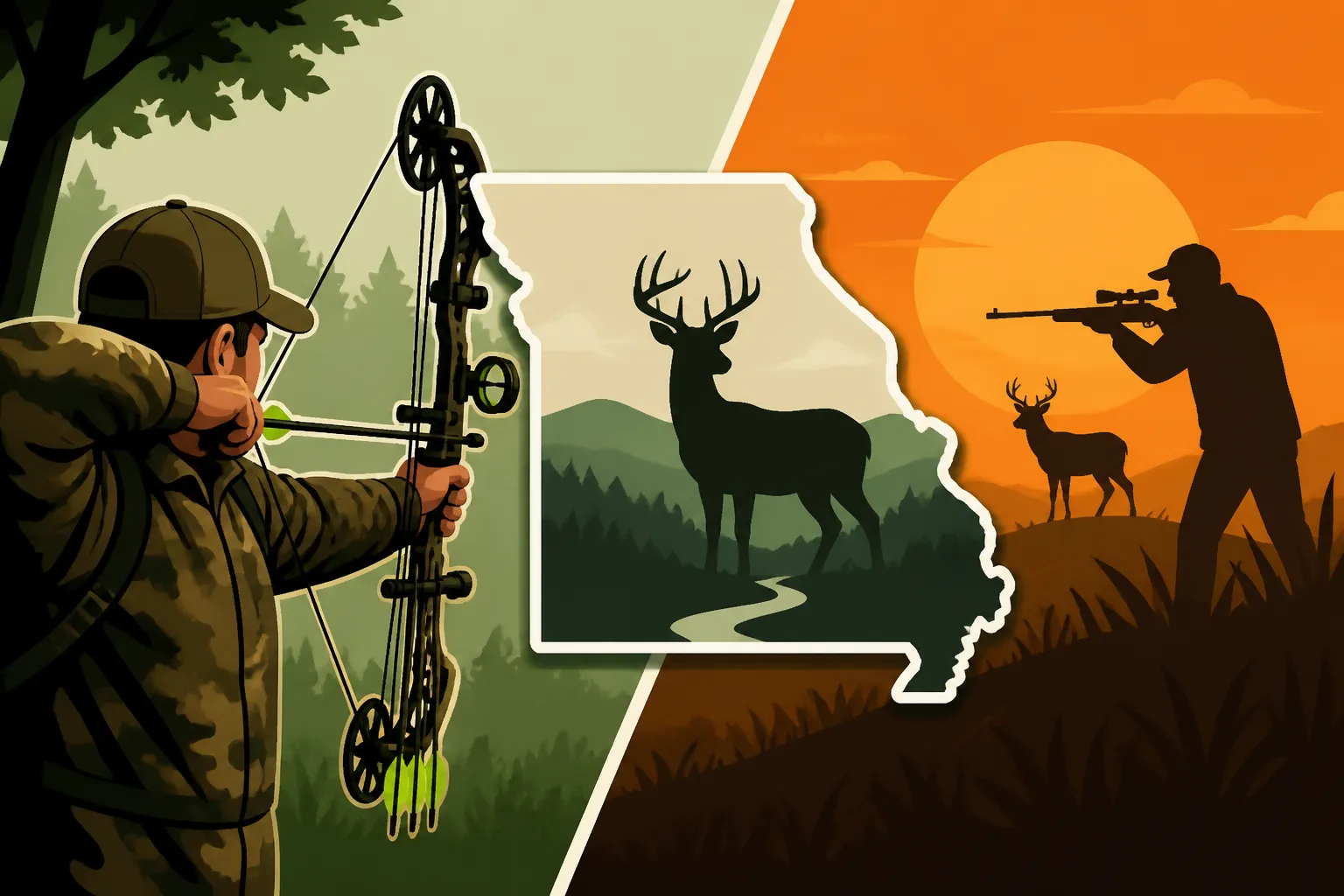
That moment when Missouri's archery season, which feels like it's been a quiet, peaceful pursuit, suddenly crashes head-on with the roar of the firearms portion can be incredibly disorienting for bowhunters. It's a period fraught with both increased opportunity and significant challenges, leaving many of us wondering if it's even worth hitting the woods with a bow. This guide is here to unravel the complexities, shed light on the mandatory safety measures, and arm you with the tactical insights to not just survive, but potentially thrive, during this intense overlap.
Navigating the Overlap: Bowhunting During Firearms Season
For many Missouri bowhunters, the firearms portion feels like an interruption, a jarring shift from the serene woods to a much more crowded and noisy environment. This overlap isn't just a minor inconvenience; it fundamentally changes the dynamics of deer hunting. Understanding why this period exists and what it entails is the first step to successfully bowhunting through it.
The Dynamics of Missouri's Hunting Calendar
Missouri's deer hunting calendar is a unique beast, designed to offer opportunities for various methods while managing the deer population. The archery season kicks off in September, offering several months of bowhunting before the big guns come out. Then, typically in mid-November, the main Missouri's Eleven-Day November Firearms Deer Season opens, bringing with it a surge of hunters into the woods. This timing often coincides with the tail end of the rut, or at least the post-rut period, which can be both a blessing and a curse for bowhunters.
The Missouri Department of Conservation (MDC) structures the seasons this way to maximize harvest opportunities, especially for antlerless deer, and to cater to the diverse preferences of its hunting population. For bowhunters, this means that for a significant chunk of November, you're sharing the timber with rifle, shotgun, and muzzleloader hunters. It's a stark contrast to the quiet solitude of October. Deer behavior changes drastically, and human pressure becomes a primary factor in where and how deer move. It’s no longer just about food, cover, and breeding; it’s about survival from a much larger, faster threat.
General Regulations During the Overlap
When you're out there with your bow during the firearms season, it’s crucial to remember that you are operating under the umbrella of firearms regulations, even though you’re using archery tackle. This means adhering to specific rules that might not apply during the exclusive archery portions of the season. The primary one, which we'll dive into more deeply, is the hunter orange requirement. You need to know exactly how much orange to wear, and where it needs to be visible.
Beyond orange, you still need to possess the appropriate Missouri Archery Deer Permits and Tags, and you must follow all general deer hunting regulations regarding bag limits, legal shooting hours, and Telecheck requirements. It’s not a free-for-all just because firearms season is open. Think of it as bowhunting within the firearms season framework. This period isn't about being sneaky; it's about being smart, safe, and legal. Some hunters mistakenly believe that as an archer, they're exempt from rules primarily associated with firearms. This is a dangerous misconception that can lead to fines, revoked privileges, and, most importantly, safety hazards for everyone in the woods. Always double-check the current year's MDC regulations to stay informed.
Safety Above All: Hunter Orange Requirements
If there’s one non-negotiable aspect of bowhunting during Missouri’s firearms season, it’s hunter orange. This isn't just a suggestion; it's a legal mandate designed to protect every hunter in the field. Ignoring it isn't just a risk of a ticket, it’s a risk of life.
The Mandatory Orange Rule for Archers
During any firearms deer season in Missouri, including the muzzleloader and alternative methods portions, all hunters, including archers, are required to visibly wear hunter orange. This rule exists because, regardless of your weapon, you are in the woods at a time when other hunters are using high-powered firearms. The goal is simple: make yourself as visible as possible to prevent accidental shootings.
The current regulation stipulates that you must wear a cap or hat, and an outer garment, such as a vest or jacket, that is colored hunter orange. The orange material must be plainly visible from all sides (360 degrees) and must cover at least 400 square inches. This isn't just a small patch; it's a significant amount of visible color. Think about it: a deer isn't going to care that you're wearing orange, but another hunter absolutely will. This regulation applies whether you are actively hunting, pursuing, or just moving through the woods. Don't take chances. Even if you're tucked into a ground blind, you need to display orange, and it's highly advisable to wear it even inside, especially when entering or exiting. For more detailed information, check out the specific guidance on Orange Requirements for Missouri Archers.
Practical Safety Measures for Bowhunters
Beyond the legal requirement, adopting a safety-first mindset is paramount. This means more than just donning your orange. It involves conscious decisions about where, when, and how you hunt.
- Communication is Key: If you're hunting private land adjacent to public ground, or even just in an area known for heavy pressure, consider communicating with neighboring landowners or hunters. A friendly chat can go a long way in establishing safe boundaries.
- Elevated Positions: While ground blinds can be effective, they often conceal your orange profile. Hunting from a treestand, high above the ground, not only gives you a better vantage point for spotting deer but also makes your orange more visible over obstacles, especially when moving through the timber. When you're up in a stand, make sure your vest is positioned correctly to ensure maximum visibility.
- Identify Your Target AND What's Beyond: This cardinal rule of firearm safety applies even more stringently during this period. With increased hunter density, it's not just about knowing what you're shooting at; it's about being absolutely certain no other hunter is in your line of fire. A broadhead can travel a surprising distance, and while not as inherently dangerous as a bullet, it can still cause severe injury.
- Know Your Area: Before you even step foot in the woods, use tools like the Missouri Conservation Atlas or a detailed mapping app like GoHunt to understand property lines, public land boundaries, and potential high-traffic areas. This helps you avoid putting yourself in a risky situation. Knowing where other hunters are likely to be can help you plan your entry and exit routes to minimize contact and maximize safety.
Remember, the goal is to enjoy your hunt and return home safely. That buck isn't worth putting yourself or others in harm's way.
Tactical Adjustments for Bowhunting Success
The arrival of firearms season sends shockwaves through the deer woods, completely altering deer patterns and behavior. What worked in early October often won't cut it in mid-November. Adaptability is the bowhunter's best friend during this intense period.
Understanding Deer Behavior Under Pressure
When the firearms season opens, it's like a switch flips for deer. The once-predictable patterns they held during the early archery season often disappear. Deer become highly nocturnal, much more wary, and will seek out the thickest, nastiest cover they can find.
- Increased Nocturnality: The constant human presence and the sound of gunshots push deer to move predominantly during low-light hours. Those prime mid-morning and mid-afternoon movements you might have seen earlier in the rut become rare. You'll need to be in your stand well before legal shooting light and stay late, hoping to catch a deer moving from its bedding area or venturing out for a quick bite.
- Cover is King: Deer will retreat into dense thermal cover, cedar thickets, brushy draws, and hard-to-reach areas on Missouri Ozark Public Land. They prioritize security over food, especially during daylight hours. This means your typical open timber setups might not be as productive. You need to get into the thick stuff, often pushing deeper into areas that other hunters avoid.
- The "Push" Effect: One interesting dynamic is the "push" of deer. Hunters moving through the woods can inadvertently push deer from one area to another. This can sometimes work to your advantage if you're set up on a known escape route or a natural pinch point that deer will use to get away from pressure. However, it also means deer can come through quickly and unexpectedly, requiring quick reflexes and preparation.
Strategic Hunting Approaches
Given the drastic changes in deer behavior, bowhunters need to adjust their strategies significantly. Patience, stealth, and a deep understanding of terrain become even more critical.
- Focus on Sanctuary Areas: The most productive spots will often be overlooked pockets of thick cover that offer deer a sense of security. These might be small, tangled draws, isolated blocks of timber within fields, or steep, inaccessible ridges on public land that most hunters deem "too hard" to get to. Use satellite imagery and topography maps (like those on GoHunt) to identify these hidden gems. Look for areas with dense thermal cover, access to water, and steep terrain that provides natural barriers. Remember, when Hunting Pressure on Missouri Public Ground peaks, deer will gravitate to these spots.
- Elevated vs. Ground Setups: While elevated stands offer visibility, ground blinds, if strategically placed and brushed in, can be incredibly effective in thick cover, allowing you to hide completely within the deer's safe haven. Just remember the orange rule. If you're using a ground blind, ensure it's well-camouflaged and set up weeks in advance if possible to allow deer to habituate to its presence. Consider Using a Ground Blind on Missouri Public Land in these situations, but always display your orange.
- Hunt the Edges and Transitions: Deer fleeing pressure will often skirt the edges of fields, timber blocks, or property lines. Setting up on these transition zones, especially where thick cover meets a food source or travel corridor, can be highly effective. This is particularly true in Hunting North Missouri's Big-Buck Farm Country where deer are often pushed between agricultural fields and small timber blocks.
- Patience and Persistence: During the firearms season, opportunities for bowhunters might be fewer and farther between. This is not the time for run-and-gun tactics unless you're specifically targeting deer being pushed. Instead, focus on long, quiet sits in high-probability areas. Be prepared to wait, and when an opportunity arises, make it count. The deer that move during daylight in this period are often the most wary.
- Scent Control is Paramoun: With deer already on high alert, any hint of human scent can blow an opportunity. Be meticulous with your scent control regimen, from shower to boots to clothes. Even a slight thermal shift can carry your scent further than you think, especially when deer are already jumpy.
Finding Your Sanctuary: Public Versus Private Land
The choice between public and private land during the firearms portion can dramatically influence your bowhunting experience. Both offer unique challenges and opportunities that require different approaches.
Hunting Public Land During the Rush
Public land in Missouri during the firearms season can feel like a warzone, especially during the opening weekend of Missouri's November Firearms Portion. Parking lots are full, and you'll hear shots ringing out from every direction. It’s certainly a test of patience and determination.
- Go Deep, Get Nasty: To find success on public land, you often need to outwork other hunters. This means hiking further than most are willing to go, into the thickest, steepest, or swampiest terrain. Look for areas that require a significant effort to access. This is where tools like GoHunt's mapping layers can really shine, helping you identify remote pockets of cover.
- Hunt Mid-Week: If your schedule allows, hunting on weekdays rather than weekends can drastically reduce pressure. Many firearms hunters are weekend warriors, so taking a day off work can give you a much quieter and potentially more productive experience.
- Focus on Overlooked Features: Don't just look for big timber. Focus on overlooked features like small islands of cover in a large field, tiny creek bottoms with dense brush, or even areas of recent timber harvests that provide new, thick bedding cover. Sometimes Finding Ground Others Walk Past is the key to public land success. These overlooked spots might not hold a giant herd, but they can hold a pressured buck seeking refuge.
- The "Bump and Sit" Strategy: Some bowhunters effectively use a "bump and sit" strategy, especially on smaller public tracts. This involves strategically walking through a likely bedding area to push deer out, then quickly circling downwind to a predetermined ambush point on an escape route. This is risky and requires careful planning, but it can work when deer are already on the move due to general pressure.
Leveraging Private Land Opportunities
If you have access to private land, especially smaller, often overlooked parcels, this can become a significant advantage during the firearms season. Private land tends to see less pressure, providing more stable sanctuaries for deer.
- Neighboring Pressure: Even on private land, consider how neighboring properties are being hunted. If your neighbor is hosting a deer drive, deer will likely push onto your property. Setting up on the downwind side of your property, near dense cover, can put you in a prime position to intercept these displaced deer.
- Small Sanctuaries: Small private tracts with good cover can act as magnets for deer fleeing larger, more heavily hunted public or private lands. Even a 5-10 acre woodlot can hold a surprisingly large number of deer seeking refuge during the firearms season. Focusing on these Hunting Small Private Tracts in Missouri can yield fantastic results.
- Food Sources: On private land, you might have more control over food sources. A secluded food plot, a standing soybean field, or a block of late-season brassicas can be absolute gold for drawing in pressured deer. When hunting the post-rut, deer are often looking to replenish energy reserves, making these food sources even more attractive. Always check if Late-Season Food Sources for Whitetails are available.
Regardless of where you choose to hunt, bowhunting during the firearms portion is a test of skill, patience, and adaptability. It's a challenging time, but for those willing to embrace the unique dynamics, it can also be incredibly rewarding.
Here's a quick overview of key considerations:
| Factor | Archery-Only Season | Firearms Season Overlap (Bowhunting) |
|---|---|---|
| Hunter Visibility | Minimal/no orange required | Mandatory Hunter Orange (400 sq. in. 360°) |
| Deer Pressure | Low to moderate | High to extreme |
| Deer Behavior | More predictable, daylight movement | Highly nocturnal, security-focused |
| Hunting Strategy | Patterning, rut activity, food sources | Sanctuary hunting, escape routes, thick cover |
| Safety Concerns | Minimal human-on-human | Elevated due to other hunters |
| Best Locations | Food/rut funnels, typical travel routes | Deep cover, overlooked pockets, property lines |
Final Thoughts on Bowhunting the Overlap
Hunting with a bow during Missouri's firearms portion isn't for the faint of heart. It demands a heightened sense of awareness, a commitment to safety, and a willingness to adapt your strategies. You'll hear shots, you'll see more hunters, and the deer will be on edge. But with careful planning, strict adherence to safety rules, and a focus on finding those quiet pockets of refuge, you can still experience incredible success.
It’s about more than just bagging a deer; it’s about the challenge, the learning, and the unique connection to the landscape during one of the most dynamic periods of the Missouri hunting season. Embrace the chaos, stay safe, and make those adjustments, and you might just find that this challenging overlap becomes one of your favorite times to be in the deer woods.
Disclaimer
This guide is for informational purposes only and is not a substitute for official regulations. Always consult the current Missouri Department of Conservation (MDC) hunting regulations and local ordinances before engaging in any hunting activity. Hunting regulations can change annually, so staying informed is the hunter's responsibility.