Using a Ground Blind on Missouri Public Land
Hunting on Missouri's public lands can be a real challenge, can't it? We've all been there, wandering through timber trying to find that perfect tree for a stand, only to realize the prime spot is in an open field or there's not a single suitable tree in sight. Or maybe the wind shifted on you unexpectedly, blowing your cover. It's frustrating when you put in all that effort and Mother Nature or tricky terrain just doesn't cooperate. This guide is all about giving you the edge by exploring how to effectively use a ground blind on Missouri public land, offering you flexibility, concealment, and a much-needed advantage in diverse hunting scenarios.
Why Ground Blinds Make Sense on Missouri Public Land
Let's be honest, public land hunting in Missouri can feel like a game of musical chairs. Everyone's out there trying to find that ideal spot, and often, the best trees for a treestand are either already taken, in a high-traffic area, or just not present where the deer are actually moving. This is where ground blinds truly shine, offering a versatile and effective alternative that can turn challenging spots into prime hunting locations.
Overcoming Challenging Terrain and Tree Limitations
Missouri is a diverse state, from the rugged, rocky Ozarks to the flat, open farm country of the north. Each presents its own unique set of challenges for traditional treestand hunting. In the Ozarks, you might find yourself in steep, broken terrain with mature timber that's difficult to hang a stand in safely or effectively. The trees might be too small, too limby, or too far apart to give you the vantage point you need. Similarly, in northern Missouri's crop country, deer often move along fencerows or across vast fields where significant tree cover is sparse, making a traditional elevated setup nearly impossible.
A ground blind allows you to circumvent these issues entirely. You can set it up virtually anywhere, as long as you have enough cover to tuck it into. Think about those brushy creek bottoms or the edges of CRP fields that might not have a single viable stand tree but are absolutely funneling deer. A well-placed blind gives you a hunting position in these otherwise unhuntable spots. It’s also fantastic for hunting on public land where you might only find smaller trees. You can learn more about Hunting the Missouri Ozarks where terrain often dictates your setup choices.
Adapting to Hunting Pressure and Wind Shifts
Public land pressure is a fact of life for Missouri hunters, especially during key portions like Missouri's Eleven-Day November Firearms Deer Season. When hunters are constantly moving through an area, deer become incredibly wary and will often adjust their patterns, using thicker cover or less obvious travel routes. A ground blind provides a significant advantage here. Its enclosed nature offers superior concealment, allowing you to move subtly, check your phone, or even stretch a bit without silhouetting yourself against the sky or being easily spotted by an approaching deer. This level of concealment is difficult to achieve in a treestand, where every slight movement can give you away.
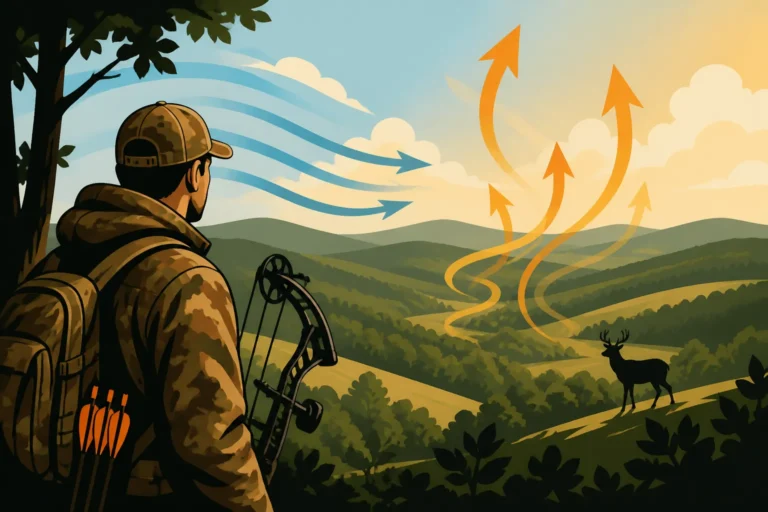
Furthermore, wind is the ultimate make-or-break factor in deer hunting, and it's notoriously shifty in Missouri, particularly in the rolling hills. A ground blind, while not eliminating your scent, can help contain it somewhat, especially if you're using scent control measures. More importantly, it allows for a quick setup in a new location if the wind shifts unexpectedly, giving you flexibility you just don't have with a fixed treestand. This adaptability means you're not locked into a bad wind situation, increasing your chances significantly. Understanding Wind and Thermals in Ozark Hills is crucial for effective blind placement.
Choosing the Right Ground Blind and Location
Picking the right ground blind and, more importantly, finding the perfect spot for it, is crucial for success on Missouri's public lands. It's not just about throwing a blind up; it's about making it disappear into the landscape and placing it where it offers the best shot opportunity.
Selecting Your Blind: Features and Concealment
When it comes to ground blinds, there's a wide variety out there, from simple pop-ups to more elaborate hub-style blinds with windows designed for various shot angles. For Missouri public land, portability and durability are key. You'll likely be packing your blind in, possibly over rough terrain, so a lightweight and easy-to-set-up model is a huge plus. Brands like Primos, Barronett, or Ameristep offer many popular options that balance these features well. Look for blinds with subdued, natural camouflage patterns that blend into typical Missouri foliage. Dark interiors are essential to prevent silhouetting yourself.
Consider the window configurations. Some blinds have horizontal windows, great for sitting, while others offer vertical slits or larger mesh panels. Think about the type of hunting you'll be doing. If you're bowhunting, you'll need windows that allow for a full draw without snagging your bow limbs. For firearms, a smaller port might be sufficient. Importantly, ensure the blind has shoot-through mesh or quiet window adjustments to minimize noise when game is near.
Scouting Prime Blind Locations on Public Land
This is arguably the most critical step. You can have the best blind in the world, but if it's in the wrong spot, it's useless. Start your scouting long before the season opens. Use mapping tools like GoHunt to pore over aerial imagery of Missouri Conservation Areas or Mark Twain National Forest. Look for natural funnels, pinch points, field edges, timbered draws, or areas where different types of cover meet. These are all prime locations where deer are likely to travel. Understanding Scouting Missouri Public Land Before Season will be invaluable here.
Once you've identified potential areas on the map, get boots on the ground. Walk the terrain, look for fresh sign like tracks, rubs, scrapes, and feeding areas. Pay attention to how the land lays and how deer might use it. A subtle ridge saddle or a bench above a creek might not look like much on a map, but can be a major travel corridor. Think about prevailing wind directions for that particular spot during the season you plan to hunt. You want to place your blind so that your scent blows away from known deer travel routes. Also, consider your entry and exit routes—can you get to and from your blind without alerting every deer in the area?
- Natural Funnels: Look for narrow strips of timber between open fields, creek crossings, or breaks in thick brush.
- Edge Habitat: The transition zone between two different types of habitat (e.g., timber and field, thicket and open woods) is always a deer magnet.
- Food and Water Sources: If legal and available on public land, placing a blind near a natural food source like acorn flats or a secluded water source can be very effective, especially during early archery or late season.
Setting Up and Hunting from Your Blind
Once you've got your blind and a killer location picked out, the real work begins. Proper setup and smart hunting tactics from inside the blind are what will ultimately lead to success. It's more than just popping it up and sitting down; it's about becoming part of the environment.
Strategic Placement and Brushing In for Ultimate Concealment
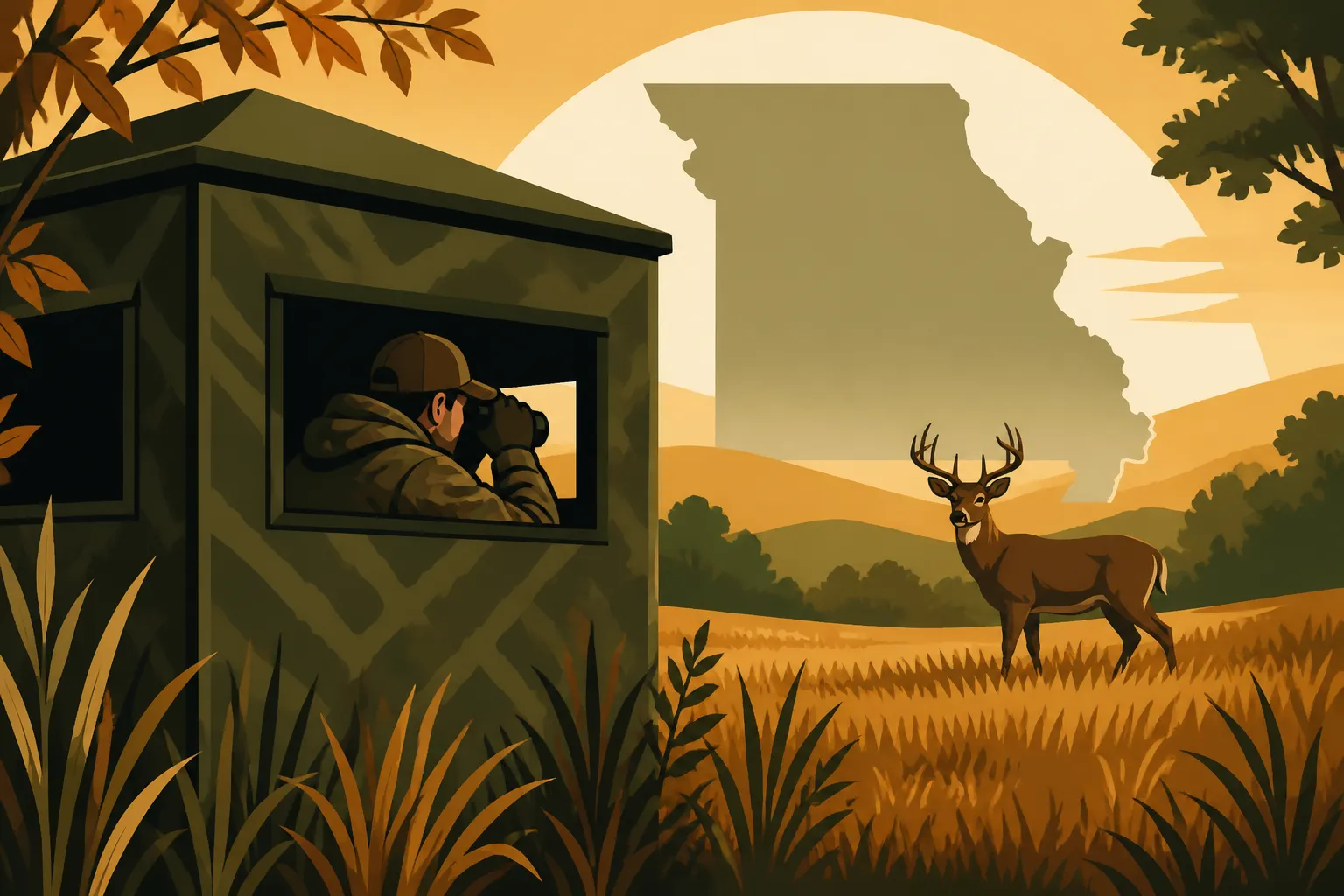
When you're ready to deploy your blind, choose a spot that offers natural cover. Don't just place it in the middle of a clearing. Tuck it into a thicket, against a fallen log, or on the edge of a dense fencerow. The goal is to break up its silhouette as much as possible. This is where the crucial step of "brushing in" comes into play. Collect natural materials from around your setup location – branches, tall grass, corn stalks, ferns, whatever is available – and weave them into the blind's exterior loops or lean them against the sides. The more it looks like a natural part of the landscape, the better. Check out tips for Brushing In a Blind on a Field Edge for detailed guidance.
Think about the sun's position throughout the day. You don't want the sun shining directly into your blind windows, creating a glare that could give you away. Position your blind so the sun is generally at your back or to the side. Also, consider your shooting lanes. Clear any branches or tall weeds that might deflect an arrow or bullet, but don't over-clear to the point that your blind stands out. Small gaps are better than a wide-open shooting gallery. Try to set up at least a week or two before you plan to hunt, if possible, especially on public land where deer might be more wary of new objects. This gives the deer time to get accustomed to its presence.
Inside the Blind: Scent Control, Noise, and Shot Angles
Hunting from a ground blind requires diligence regarding scent, noise, and shot presentation. Even though you're enclosed, scent still leaks out. Practice meticulous scent control by showering with scent-free soap, wearing clean hunting clothes, and storing them in scent-proof bags. Use carbon-lined gear, like what you might find from a company listed on GoHunt, to help mitigate odors. It’s also wise to use a ground blind with a solid floor or place a tarp down to help contain human odors.
Noise inside the blind can be amplified. Practice opening and closing windows quietly. Avoid bringing noisy snacks or rustling gear unnecessarily. Pad your chair or bring a quiet cushion. Keep your bow or rifle easily accessible and ensure you can draw or shoulder your weapon smoothly and silently.
When bowhunting from a ground blind, shot angles are different than from a treestand. You're shooting from ground level, so you'll be looking for broadside or slightly quartering-away shots that allow for a clear path through the vitals. Practice these shots before the season. For rifle hunting, you might need to adjust your scope to account for closer shots than you might typically take from a stand. Always have a rangefinder to confirm distances, as enclosed spaces can play tricks on your depth perception.
Here’s a quick comparison of ground blind types often used in Missouri:
| Blind Type | Pros | Cons | Ideal Use Case |
|---|---|---|---|
| Pop-Up Blinds | Lightweight, quick setup, highly portable | Less durable, can be noisy in wind | Run-and-gun, changing locations frequently |
| Hub Blinds | Sturdier, more spacious, better windows | Heavier, slightly longer setup | Longer sits, comfortable for multiple hunters |
| Natural Blinds | Free, blend perfectly with surroundings | Requires effort to build, no roof/floor | Improvised, short-term sits, ultimate stealth |
| Permanent Blinds (Not for public land) | Very comfortable, long-term setup, weather-proof | Immobile, expensive, requires private land permission | Private land, accessible hunting, fixed locations |
Legalities and Considerations for Public Land Blinds
Using ground blinds on public land, especially within Missouri Conservation Areas (CAs) or Mark Twain National Forest, comes with specific rules and ethical considerations you need to be aware of. Ignorance of these rules isn't an excuse, and a violation could cost you your blind or worse.
Missouri Conservation Area Rules for Blinds
The Missouri Department of Conservation (MDC) has clear guidelines regarding the use of blinds and stands on public lands. Generally, on most Conservation Areas, you are allowed to use portable ground blinds, but there are strict rules about how long they can be left unattended. Often, blinds must be removed daily, or sometimes within a certain timeframe (e.g., 24-72 hours) or specific dates. You cannot leave a blind out indefinitely. This is important to remember because leaving a blind out permanently can result in it being considered abandoned property, which the MDC can then remove and dispose of. Always check the specific area regulations, which you can usually find on the MDC website or by looking up the area brochure for the CA you plan to hunt. These rules are vital and are part of understanding Missouri Conservation Area Rules.
It's also crucial that your blind does not damage any public land resources. Do not cut live trees or vegetation to build a blind or to clear shooting lanes excessively. Use only deadfall or existing vegetation for brushing in. Leaving trash or litter around your blind is also a big no-no; practice Leave No Trace principles diligently.
Theft and Vandalism Concerns
Unfortunately, a real concern when hunting public land, especially if you leave a blind out overnight or for a few days, is the risk of theft or vandalism. While most hunters are respectful, there are always exceptions. If you decide to leave a blind out, even for a short, legally permissible period, consider these precautions:
- Mark Your Blind: Clearly label your blind with your name, address, and MDC ID number. Some hunters also engrave their name on parts of the frame. This can act as a deterrent and aid in recovery if it's stolen.
- Secure It: While you can't prevent all theft, you can make your blind less convenient to walk off with. Using a cable lock to secure it to a tree, if allowed, might deter casual thieves.
- Location Awareness: If possible, place your blind in a spot that's less visible from main trails or roads, but still accessible for you. The more "out of sight, out of mind" it is, the better.
- Insurance: For expensive blinds, you might want to check if your homeowner's or renter's insurance policy covers items like hunting equipment.
While the risk is there, the flexibility and concealment a ground blind offers often outweigh these concerns for many hunters. It’s about being smart, following the rules, and understanding the nuances of Hunting Pressure on Missouri Public Ground. Using tools like GoHunt can help you find less-pressured areas where you might feel more comfortable leaving a blind for a short, legal period.
Remember, ground blinds are a powerful tool in the public land hunter's arsenal. With careful planning, smart placement, and adherence to regulations, they can significantly increase your success and enjoyment of Missouri's hunting opportunities.
Disclaimer
Hunting carries inherent risks, and it is the responsibility of each individual to understand and comply with all local, state, and federal hunting regulations. This guide provides general information and recommendations but should not be considered a substitute for official regulations or professional guidance. Always prioritize safety and ethical hunting practices.