Youth Portion Tactics for a First Deer
Taking a young hunter out for their first deer hunt is an incredibly special, often nerve-wracking experience. The pressure to make it a positive, successful trip can weigh heavily, and it’s easy to get caught up in the "kill or no kill" mindset. This guide is all about setting up your youth hunter for a memorable, low-stress, and genuinely fun time in the Missouri woods, focusing on practical tactics for their first deer during the dedicated youth portions.
Understanding Missouri's Youth Deer Portions
Missouri truly shines when it comes to offering opportunities for young hunters. The Conservation Department understands the importance of introducing the next generation to our hunting traditions, and the youth portions are specifically designed to provide a less crowded, focused experience. These aren't just "junior seasons"; they're carefully structured weekends that often precede the general firearms season, giving youth hunters a distinct advantage.
Key Dates and Permit Information
Missouri typically offers two youth deer hunting portions: an early one in October and a late one around Thanksgiving. These dates can shift slightly year to year, so always check the Missouri Department of Conservation (MDC) regulations handbook or their website for the most current calendar. For instance, the early youth portion often falls mid-October, offering mild weather and deer still very much in their fall patterns, often around food sources. The late portion, on the other hand, can be much colder, often coinciding with the tail end of the rut or early post-rut, which can present different challenges and opportunities.
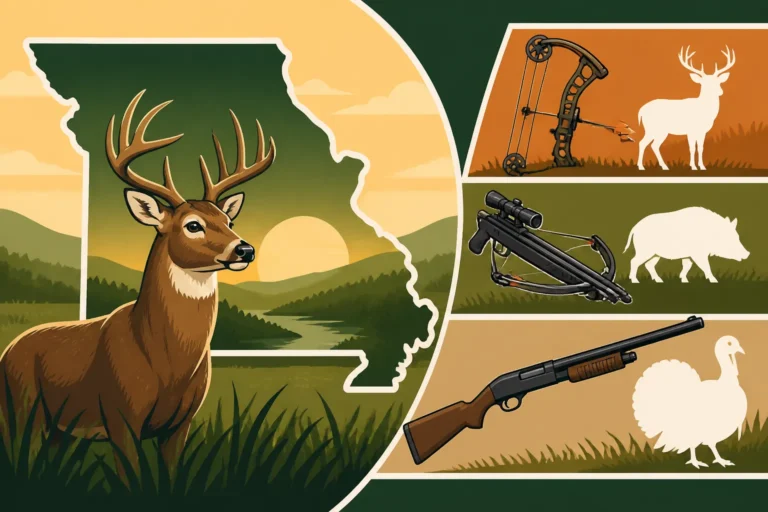
Your young hunter will need a valid deer permit. For residents, this typically means a Resident Youth Deer Hunting Permit, which is very affordable and covers either-sex deer in any county where deer hunting is allowed. It's really important to ensure all the paperwork is squared away before you head afield. You can easily purchase these permits online or at various vendors across the state. We have a detailed breakdown on Missouri Youth Deer Permits that can help you navigate the specifics. Weapons-wise, youth hunters during these portions can typically use any legal firearm, bow, or crossbow. This flexibility is fantastic, especially when matching equipment to a child's comfort and skill level.
Mentoring and Safety First
As the adult mentor, your role is paramount. During the youth portions, the adult accompanying the youth hunter cannot carry a firearm or bow, ensuring that the focus remains entirely on the young hunter's experience. This isn't about you getting a deer; it's about guiding them. This means constant vigilance on safety. Reviewing basic firearm or bow safety rules isn't just a formality; it's a critical part of the hunt. Emphasize muzzle control, positive identification of the target and what's beyond it, and knowing shot limitations.
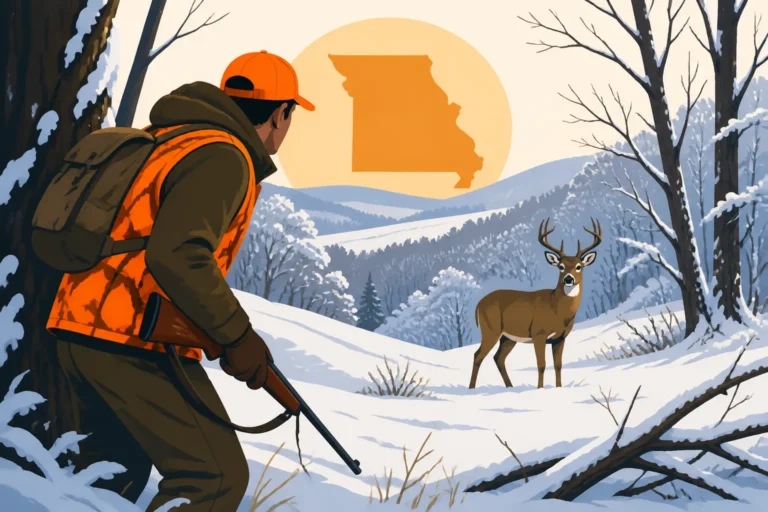
Missouri also has strict hunter orange requirements during the firearms portions, and this extends to the youth portions. Both the youth hunter and the accompanying adult must wear a cap or hat and a vest, shirt, or coat of hunter orange. The orange must be plainly visible from all sides, and specific square inch requirements apply. You can brush up on the exact details in our article about Missouri Hunter Orange Rules. This isn't just about compliance; it's about being visible and safe in the woods, especially with other hunters potentially afield. Remember, safety always comes before success.
Low-Pressure Tactics for Young Hunters
The key to a successful first hunt, regardless of whether a deer is harvested, is making it an enjoyable experience. If a young hunter is cold, bored, or pressured, they'll be less likely to want to go again. That's the real success we're after.
Prioritizing Comfort and Patience
Young attention spans are different from seasoned hunters. Hour-long sits in a freezing stand are likely to lead to misery, not memories. Plan for shorter hunting sessions, perhaps a couple of hours in the morning and a couple in the evening. Comfort is king: bring plenty of snacks and drinks, hand warmers, and layer clothing appropriately. A thermos of hot chocolate can be a game-changer on a chilly morning. We've got some great advice on Clothing for a Missouri November that applies well to the varying conditions of the youth portions.
Emphasize the whole experience: listening to the woods wake up, spotting squirrels, jays, and other wildlife. Seeing a deer, even if no shot is taken, can be a huge thrill. Manage expectations by explaining that hunting isn't always about taking an animal, but about the time spent outdoors and understanding nature. Patience is a skill, and it's best taught in small, positive doses.
Strategic Location Choices
For a first-time hunter, ease of access and predictable deer movement are far more valuable than trying to find the biggest buck in the deepest woods. Focus on areas where deer are reliably moving between bedding and feeding, or through transition zones.
Excellent choices include:
- Food Plots: If you have access to private land with food plots, these are ideal. Deer are drawn to them, offering good visibility and relatively close shots.
- Field Edges: Sitting near the edge of a corn, bean, or alfalfa field can be incredibly productive, especially during the last hour of daylight or first hour of dawn. Deer often stage in the timber before entering fields to feed. Our guide on Ground Blinds on Crop Field Edges has excellent tips for these setups.
- Well-Used Trails: Look for distinct trails indicating regular deer movement. These often connect bedding areas to food or water.
- Bottomland timber: River and creek bottoms can funnel deer movement and often have thick cover that deer prefer.
Using a ground blind can be incredibly beneficial for young hunters. They offer comfort, allow for more movement without being detected, and help contain noise. When scouting potential locations, utilizing mapping tools like GoHunt can be a tremendous asset. You can identify pinch points, food sources, and travel corridors from aerial imagery, saving precious time and energy when you're physically scouting. For example, avoiding the rugged, expansive terrain of the Ozarks initially, which we discuss in Hunting the Missouri Ozarks, might be a wise choice for a first-timer, favoring more accessible farm country.
Gear and Setup for Success
Having the right gear isn't just about making the hunt easier; it's about building confidence and ensuring safety for your young hunter.
Appropriate Weapon and Optics
Matching the weapon to the hunter is critical. A rifle that's too heavy, too long, or has too much recoil can create a flinch and sour the experience. Consider youth models of popular calibers like a .243 or 7mm-08, which offer lighter recoil and smaller stocks. If using a shotgun, look into lighter loads or recoil-reducing pads. You'll find good information on Legal Firearms for Missouri Deer in the regulations.
Crossbows are an outstanding option for youth hunters in Missouri. They are incredibly easy to learn, quiet, and allow the hunter to hold at full draw without fatigue, greatly increasing shot accuracy and confidence. Our detailed article on Crossbow Hunting Under Missouri Rules covers all the specifics.
Don't forget optics! A good pair of binoculars, even modest 8x32s, teaches a young hunter to spot deer without constantly moving their head. A rangefinder is also an excellent tool, providing immediate confidence in shot distance, eliminating guesswork and stress. We break down options in our guide to Optics for Missouri Deer Hunting.
Comfortable Blinds and Stands
Choosing the right setup is about maximizing comfort and minimizing variables.
Ground Blinds: As mentioned, ground blinds are fantastic for youth. They offer a warm, dry, and concealed space where a child can move, eat snacks, and even whisper without giving away their position. A blind can fit a mentor and youth comfortably, allowing for quiet coaching. Position the blind well in advance, brush it in thoroughly, and ensure clear shooting lanes. Using GoHunt's mapping features can help you pick out the best blind locations, considering wind direction, sun angle, and likely deer travel routes.
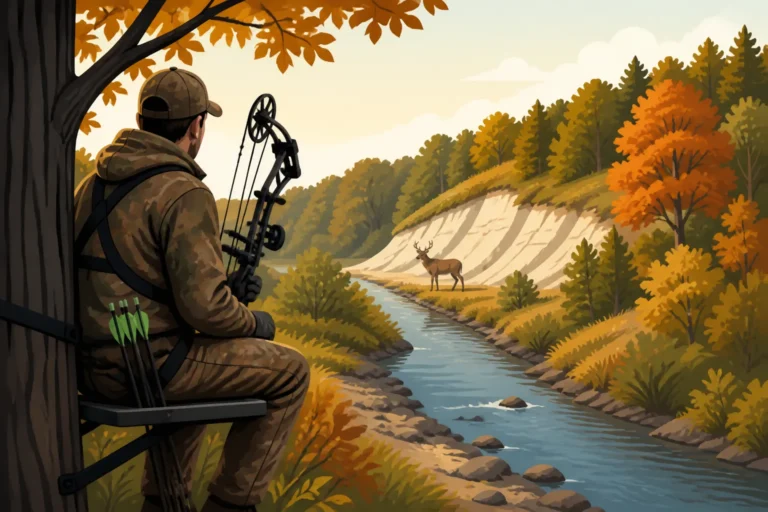
Ladder Stands: If you prefer elevated hunting, a wide, stable ladder stand with a full shooting rail is a much safer and more comfortable option than a hang-on stand for a young hunter. Ensure all safety straps are correctly installed and that the child is wearing a full-body harness, connected to a lifeline.
Regardless of the choice, always set up a sturdy shooting rest. This could be a bipod, shooting sticks, or simply a sandbag on the shooting rail of a blind or stand. A steady rest makes an immense difference in accuracy and confidence.
| Hunting Method | Pros for Youth Hunters | Cons for Youth Hunters | Ideal Setup |
|---|---|---|---|
| Ground Blind | Comfortable, concealed, allows movement, great for coaching, easy to set up. | Limited visibility, can be hot/stuff on warm days if not vented, deer may spot it if not brushed in. | Near field edges, pinch points, or thick cover overlooking a food source. |
| Ladder Stand | Elevated view, scent dissipation, good visibility, stable and safe with rail. | Less comfortable, requires more stillness, can be cold, harder for small children to climb. | Overlooking trails, food plots, or clearings in timber; requires clear shooting lanes. |
| Still Hunting | Active, engaging, teaches tracking and observation, covers ground. | Requires extreme patience and quietness, physically demanding, less likely to get a shot for a first-timer. | With an experienced mentor on easy terrain, during quiet times. |
Post-Harvest Steps and Mentorship Beyond the Shot
The hunt doesn't end when the trigger is pulled. The steps immediately following are crucial for teaching responsibility and respect for the animal.
Tracking, Recovery, and Field Dressing
If a deer is hit, the real work begins. Teach your young hunter the importance of waiting before tracking, usually 30 minutes to an hour for a well-hit deer, longer for marginal shots. Involve them in the tracking process, looking for blood, hair, and other sign. It’s a vital skill, and a great way to learn about the animal. We have a very helpful resource on Blood Trailing After Dark in Missouri that covers many essential techniques.
Once the deer is recovered, involve them in field dressing to an age-appropriate degree. They don't have to perform the entire task, but seeing the internal organs and understanding the anatomy fosters respect and connects them to the food source. Explain why you're doing each step. Getting the meat cooled quickly is vital, especially during warmer early youth portions. Our guide on Field Dressing and Cooling in Early-Season Heat offers practical advice for preserving the harvest.
Telechecking and Celebrating the Experience
After the deer is field dressed and transported, you'll need to telecheck it with the MDC. This is a mandatory step that registers the harvest. Explain to your young hunter what telechecking is and why it's important for wildlife management. Our article on Telechecking a Missouri Deer can walk you through the process. Using a tool like GoHunt can also remind you of these critical post-harvest steps, ensuring full compliance.
Finally, celebrate the experience, whether a deer was taken or not. If a deer was harvested, focus on the accomplishment, the quality of the shot, and the respect shown to the animal. Talk about where the meat will go and how it will feed your family. If no deer was taken, emphasize the lessons learned, the time spent together, and the joy of being in nature. The goal is to instill a lifelong love for hunting and the outdoors, not just to punch a tag.
Disclaimer
Always consult the current Missouri Department of Conservation (MDC) hunting regulations before heading afield, as rules and dates can change annually. This guide is for informational purposes only and does not supersede official MDC regulations.