Missouri Youth Deer Permits
Bringing a young hunter into the fold is one of the most rewarding experiences imaginable, but let's be honest, navigating the ins and outs of permits, regulations, and season dates can feel like trying to solve a puzzle while blindfolded. It's a common frustration for many mentors and parents just wanting to share their passion. This comprehensive guide is here to untangle the complexities of Missouri youth deer permits, ensuring your budding outdoors enthusiast has everything they need for a safe, legal, and memorable hunt.
Understanding Missouri's Youth Deer Hunting Philosophy
Missouri takes its commitment to developing future generations of hunters very seriously, and it shows in the structured approach to youth deer hunting. The entire system is designed to remove barriers, prioritize safety, and foster a love for the outdoors from an early age. It’s not just about harvesting a deer; it’s about passing on a legacy and teaching responsible stewardship.
The Importance of Youth Involvement
For many of us, our earliest hunting memories are etched in our minds, often alongside a patient parent or mentor. That's precisely the spirit behind Missouri's youth hunting programs. The Missouri Department of Conservation (MDC) recognizes that if hunting is to thrive, new hunters must be encouraged and supported. This isn't just about tradition; it's about conservation. Hunters are often the most ardent supporters of wildlife habitat and management, and instilling that passion early on is crucial for the future of our wild spaces.
Beyond conservation, there’s an incredible personal growth aspect. Introducing a child to hunting teaches them invaluable lessons about patience, persistence, respect for nature, responsibility, and the source of their food. They learn about animal behavior, ecology, and the weather. These aren't just hunting lessons; they're life lessons that shape well-rounded individuals. The chance to share a quiet morning in the stand or track an animal through the woods forms bonds that last a lifetime, far more profound than any electronic screen can offer.
Apprentice Hunter Authorization and Mentorship
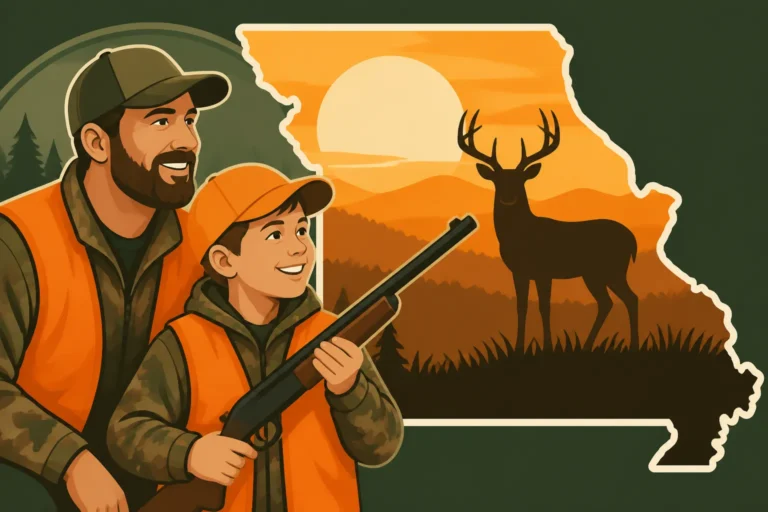
Recognizing that formal hunter education courses might not be immediately feasible for every young person, Missouri offers the Apprentice Hunter Authorization. This fantastic program allows new hunters, regardless of age, to hunt without first completing hunter education, provided they hunt under the direct supervision of a properly licensed, adult mentor. For youth, this means they can get out in the field and experience hunting firsthand, which often sparks the desire to complete the full hunter education course later.
The mentor's role in this program cannot be overstated. It's not just about tagging along; it's about active, close supervision and teaching. The mentor must be at least 18 years old, possess the proper permits, and be within arm's reach of the apprentice hunter at all times. This close proximity ensures safety, allows for immediate instruction, and builds confidence in the young hunter. It's an opportunity to teach firearm safety, ethical shot placement, and respect for the game in a real-world setting, laying a solid foundation for their hunting future. For more details on the specific requirements, you can check out The Missouri Apprentice Hunter Authorization guidelines.
Types of Missouri Youth Deer Permits and Costs
Understanding which permit to buy and what it costs can sometimes feel like a moving target, especially with occasional rule changes. However, for youth deer hunting, Missouri keeps it relatively straightforward, offering specific permits tailored for residents and non-residents, all designed to encourage participation.
Resident Youth Deer Permits
For young Missouri residents, obtaining a deer permit is designed to be affordable and accessible. The state wants to foster local engagement in hunting, so resident permits always come at a lower cost compared to non-resident options. Typically, resident youth deer permits cover specific portions of the season, like the archery and firearms youth portions, and often allow for one deer of either sex (antlered or antlerless). This "either-sex" flexibility is a huge advantage for young hunters, as it increases their chances of success and reduces the pressure to hold out for an antlered deer, making that first deer experience more attainable.
The current cost for a resident youth deer permit is generally quite low, making it a budget-friendly way to get started. These permits are crucial for allowing youth to participate in the dedicated youth-only firearms seasons, which are specifically structured to give young hunters a less crowded, focused opportunity. It's important to remember that even with a youth permit, the young hunter still needs to follow all other statewide regulations, such as legal shooting hours and methods of take. For the most up-to-date pricing, always consult the MDC's official website or permit vendors. If you're looking for specifics on all the tags your youngster might need, you might find more helpful information by looking into Missouri Youth Permit Prices.
Non-Resident Youth Deer Permits
Missouri understands that families travel, and many non-resident hunters want to share the Missouri hunting experience with their children. Therefore, non-resident youth deer permits are also available. As with adult permits, these will naturally be more expensive than resident permits due to state policies that prioritize resident access and funding through permit sales. However, the intent remains the same: to provide opportunities for youth to hunt deer in Missouri.
The non-resident youth deer permit also typically allows for one deer of either sex during designated seasons. It's essential for non-resident mentors to carefully review all regulations, as they can sometimes differ slightly or have additional requirements compared to resident rules. For instance, understanding the specific season dates, bag limits, and county-specific rules is paramount. While the cost is higher, it still represents a valuable opportunity for young hunters from out of state to experience Missouri's abundant deer population. Always verify the most current non-resident youth permit costs directly with the MDC before planning your trip.
Where to Buy Permits
Gone are the days when you had to drive for miles to find a physical permit vendor, though that option is certainly still available and often a cherished tradition for many. Today, purchasing Missouri youth deer permits is incredibly convenient. The primary method for most hunters is through the Missouri Department of Conservation's official website. It's a straightforward online process where you can select the permit type, enter the hunter's details, and complete the purchase securely. The permit can then be printed at home or displayed digitally on your smartphone through the MO Hunting app.
Beyond the online portal, permits can also be purchased at numerous authorized vendors across the state. These typically include sporting goods stores like Bass Pro Shops, Cabela's, and smaller local bait shops or general stores that carry hunting and fishing supplies. These locations often have knowledgeable staff who can answer basic questions and help ensure you're getting the correct permit. When you're trying to figure out if a certain area allows youth hunting, or just want to double-check season dates on the fly, a good mapping and information app like GoHunt can be a real lifesaver right there in the field, helping you verify regulations quickly. Just ensure you always double-check the purchase with official MDC sources or vendors to be absolutely certain of compliance.
Navigating Missouri's Youth Deer Hunting Seasons
Missouri's deer season structure might seem a bit complex at first glance, but it's actually designed with specific goals in mind, and youth hunters benefit greatly from dedicated opportunities. These seasons provide a less pressured environment, making the experience more enjoyable and increasing the chances of success for young hunters.
The Dedicated Youth Deer Portions
One of the crown jewels of Missouri's deer hunting program for young people is the dedicated Youth Portion Strategy in Missouri. These portions are firearms seasons specifically set aside only for youth hunters, offering two distinct weekends: an "Early Youth Portion" in early to mid-October and a "Late Youth Portion" in late November or early December, right after the main firearms season. The genius of these seasons is that they allow young hunters to be in the woods when deer movement is often good, but without the intense pressure of a full adult firearms season.
During these youth-only weekends, only properly permitted youth (typically 15 years old and younger) are allowed to hunt with firearms, under the direct supervision of an adult mentor. This significantly reduces competition and noise in the woods, creating a more relaxed and educational environment. It's an incredible opportunity for a young hunter to gain confidence, learn gun safety, and make their first harvest in a setting tailored for their success. Many families plan their entire fall around these special weekends, knowing they offer some of the best chances for their kids to fill a tag.
Youth Participation in Archery and Firearms Seasons
While the dedicated youth portions are fantastic, young hunters aren't limited to just those weekends. Youth with the proper permits can also participate in the broader archery and firearms seasons, provided they meet all age and hunter education requirements, or are hunting under the Apprentice Hunter Authorization. This means a young hunter can be out during the regular archery season from September through mid-November and again from late November through mid-January, or even join in the main Missouri's Eleven-Day November Firearms Deer Season alongside their adult counterparts.
Participating in these longer seasons gives youth more flexibility and opportunities. However, it also means they'll be hunting during periods of higher hunter pressure, especially during the main firearms portion. Mentors need to be extra vigilant about safety, wear appropriate hunter orange (more on that later), and manage expectations. Hunting during the regular season can be a great way to expose youth to different hunting conditions and strategies, from setting up for bowhunting to understanding deer drives, as long as the focus remains on safety and a positive experience.
Bag Limits and Antlerless Opportunities
Missouri's bag limits for youth deer permits are generally quite generous, especially when it comes to antlerless deer. Typically, a youth deer permit allows for one deer of either sex. This flexibility is incredibly valuable for a young hunter's first experience. The pressure to only shoot a buck can be immense, and allowing an antlerless deer as the primary harvest opportunity greatly increases the likelihood of success, keeping the young hunter engaged and excited.
In addition to the either-sex deer on their primary youth permit, young hunters can often purchase additional antlerless permits in counties where they are available, depending on the statewide harvest goals and local deer populations. These additional permits are county-specific and are a tool for managing deer numbers. Always consult the current year's hunting regulations to verify specific county eligibility and bag limits. The goal is to provide ample opportunity while maintaining a healthy deer herd, and these antlerless opportunities for youth contribute to both objectives.
Key Regulations and Safety for Young Hunters
Hunting safety, ethical conduct, and understanding the rules are paramount, especially when introducing new, young hunters to the sport. Missouri has clear guidelines in place to ensure that every youth hunting experience is positive and safe. Ignoring these rules can not only jeopardize safety but also lead to legal issues and fines.
Hunter Education and Apprentice Hunter Rules
Before a young person can legally hunt alone in Missouri, they must successfully complete a hunter education course. This course covers vital topics such as firearm safety, hunting ethics, wildlife identification, basic first aid, and conservation principles. It's a comprehensive program designed to equip hunters with the knowledge and skills needed to be safe and responsible in the field. The minimum age for completing hunter education is typically 11 years old, allowing youth to take the course well before they might actually start hunting unsupervised. For more information on the specific requirements, consult Missouri Hunter Education Age Requirement.
As mentioned earlier, for youth who haven't completed hunter education yet, the Apprentice Hunter Authorization is a critical pathway. It allows them to hunt under the direct supervision of a licensed, adult mentor. The "direct supervision" aspect is crucial: the mentor must be close enough to take immediate control of the firearm or bow if necessary, providing constant guidance and oversight. This program is invaluable for hands-on learning, but mentors must take their responsibilities seriously. It's not just a technicality; it's a commitment to teaching safe and ethical hunting practices in real-time.
Orange Requirements and Safe Hunting Practices
Safety is non-negotiable in hunting, and Missouri's hunter orange requirements are a cornerstone of that commitment, particularly during firearms seasons. During the firearms deer portions, all hunters (including youth and their adult mentors) are required to wear hunter orange visible from all sides. This typically means a minimum of 400 square inches of hunter orange worn on the upper body, with a minimum of 100 square inches visible from the front and 100 square inches visible from the back. A hunter orange cap also counts towards the total square inches.
This bright, unmistakable color significantly increases visibility, making hunters easily identifiable to others in the field and drastically reducing the risk of accidental shootings. Even if you're bowhunting during a firearms portion, the orange requirements apply. Beyond the orange, safe hunting practices are a must: always treat every firearm as if it's loaded, keep the muzzle pointed in a safe direction, keep your finger off the trigger until ready to shoot, and be absolutely certain of your target and what is beyond it. Teaching these cardinal rules to young hunters from day one is essential. Understanding Orange Requirements for Missouri Archers is also critical if your youth plans to participate in archery during these overlap periods.
Telecheck and Carcass Transport
The moment of harvest is exciting, but the work isn't over. Missouri requires all harvested deer to be reported through the Telecheck system. This is a crucial step for wildlife management, as it provides the MDC with vital data on deer harvest numbers, which helps inform future regulations and population management strategies. For youth hunters, the adult mentor is usually responsible for ensuring the deer is Telechecked correctly and within the specified timeframe, which is typically by 10 p.m. on the day of harvest. The Telecheck process can be completed online or over the phone.
Once Telechecked, a confirmation number is issued, which must remain with the deer until it is processed. This number acts as proof of legal harvest. When it comes to carcass transport, particularly if you're traveling across county lines or out of state, there are specific rules regarding CWD (Chronic Wasting Disease) management zones. Always check the current regulations for any transport restrictions, especially for deer harvested in CWD management counties. While the CWD management zone has changed in recent years, staying informed on current rules is always best practice. Resources like the MO Hunting app or the MDC website can help you navigate Missouri Telecheck Requirements After a Harvest and transport rules efficiently.
Preparing for a Successful Youth Hunt
Success in hunting isn't solely defined by harvesting an animal; it's also about the experience, the lessons learned, and the memories made. For young hunters, especially, preparation can make all the difference between a frustrating day and a truly memorable one, regardless of whether a deer is harvested.
Scouting and Stand Placement
Good scouting is the foundation of any successful hunt, and it's a fantastic activity to share with a young hunter before the season even begins. Take them out to the woods, show them how to look for deer sign – rubs, scrapes, tracks, and droppings. Explain how deer use the terrain, like how they might travel along Hunting Missouri Ridge Saddles and Benches or use thick cover for bedding. Teach them to identify different food sources, from acorns to agricultural crops, and how those change throughout the season. This pre-season reconnaissance builds anticipation and gives them a deeper understanding of the environment.
When it comes to stand placement, involve them in the decision-making process. Explain why a particular tree might be chosen, considering wind direction, entry and exit routes, and cover. Whether you're setting up a ground blind on a field edge or a treestand in hardwood timber, discuss the pros and cons. For younger hunters, comfort and safety are paramount. A well-placed, comfortable ground blind might be a better choice than a high treestand for a first-timer, allowing for more movement and less anxiety. Remember, the goal is to make it an enjoyable experience, not a test of endurance.
Gear Considerations for Younger Hunters
Selecting the right gear for a young hunter is crucial for their comfort, safety, and ultimately, their enjoyment. Kids get cold, hot, bored, or uncomfortable much faster than adults, and that can quickly sour the experience. Start with appropriate clothing that is layered, warm but not bulky, and suited for the Missouri weather. Good, waterproof boots are essential, as cold, wet feet are a quick way to end a hunt. Ensure their hunter orange fits properly and doesn't restrict movement.
For firearms, choose a caliber and platform that is manageable for their size and strength, with minimal recoil. A .243 Winchester or a 20-gauge shotgun with slugs are often excellent choices for youth deer hunting, offering sufficient power for ethical kills with manageable recoil. Practice at the range extensively beforehand, focusing on safety and accuracy, not just power. Ensure the rifle or shotgun fits them properly, or adjust it with a shorter stock if needed. Optics like binoculars can also be a great addition, engaging them in spotting wildlife and becoming more observant.
Making Memories Beyond the Harvest
While the dream is always to harvest a deer, the most profound memories often come from the other moments in the woods. Emphasize the experience itself: the crisp morning air, the sounds of nature waking up, the sight of a squirrel scampering up a tree, or even just the quiet conversation shared between mentor and mentee. These are the moments that truly hook a young person on hunting.
Bring snacks, water, and maybe a quiet activity like a small book or drawing pad for slower moments in the stand. Talk about wildlife, trees, and the history of hunting. Celebrate small victories, like spotting a distant turkey or correctly identifying a tree. If a deer is harvested, involve them in the Field Dressing and Cooling in Early-Season Heat process (to an age-appropriate degree) and teach them about respecting the animal and its meat. Even if no deer is taken, focus on the positive aspects of the day, plan for the next outing, and keep the enthusiasm high. The goal is to cultivate a lifelong love for the outdoors, and that journey is far more important than any single harvest.
Missouri Youth Deer Permit Quick Reference
| Permit Type | Eligibility | Typical Cost (Approx.) | Covers Portions | Notes |
|---|---|---|---|---|
| Resident Youth Deer | MO Resident, 15 & Under | $8.00 – $10.00 | Early/Late Youth Firearms, Archery, Firearms | 1 deer, either sex. Mentor must be licensed. |
| Non-Resident Youth Deer | Non-MO Resident, 15 & Under | $120.00 – $150.00 | Early/Late Youth Firearms, Archery, Firearms | 1 deer, either sex. Mentor must be licensed. |
| Apprentice Hunter Auth. | All ages, no Hunter Ed | N/A (Authorization) | Allows hunting under direct adult supervision | Required for those without Hunter Ed. Mentor must be licensed. |
| Early Youth Portion | All Youth Hunters | N/A (Permit dependent) | Mid-October weekend | Dedicated firearms season for youth. Less pressure. |
| Late Youth Portion | All Youth Hunters | N/A (Permit dependent) | Late November / Early December weekend | Dedicated firearms season for youth. Less pressure. |
Note: Costs are approximate and subject to change by the Missouri Department of Conservation. Always verify current prices and regulations on the MDC website.
Disclaimer
The information provided in this guide is intended for general informational purposes only and is subject to change. Hunting regulations, permit costs, and season dates are determined by the Missouri Department of Conservation and can be updated annually. It is the responsibility of every hunter to consult the official Missouri Department of Conservation regulations and legal guides before participating in any hunting activity. Always prioritize safety and ethical hunting practices.