Missouri Early Youth Portion Dates
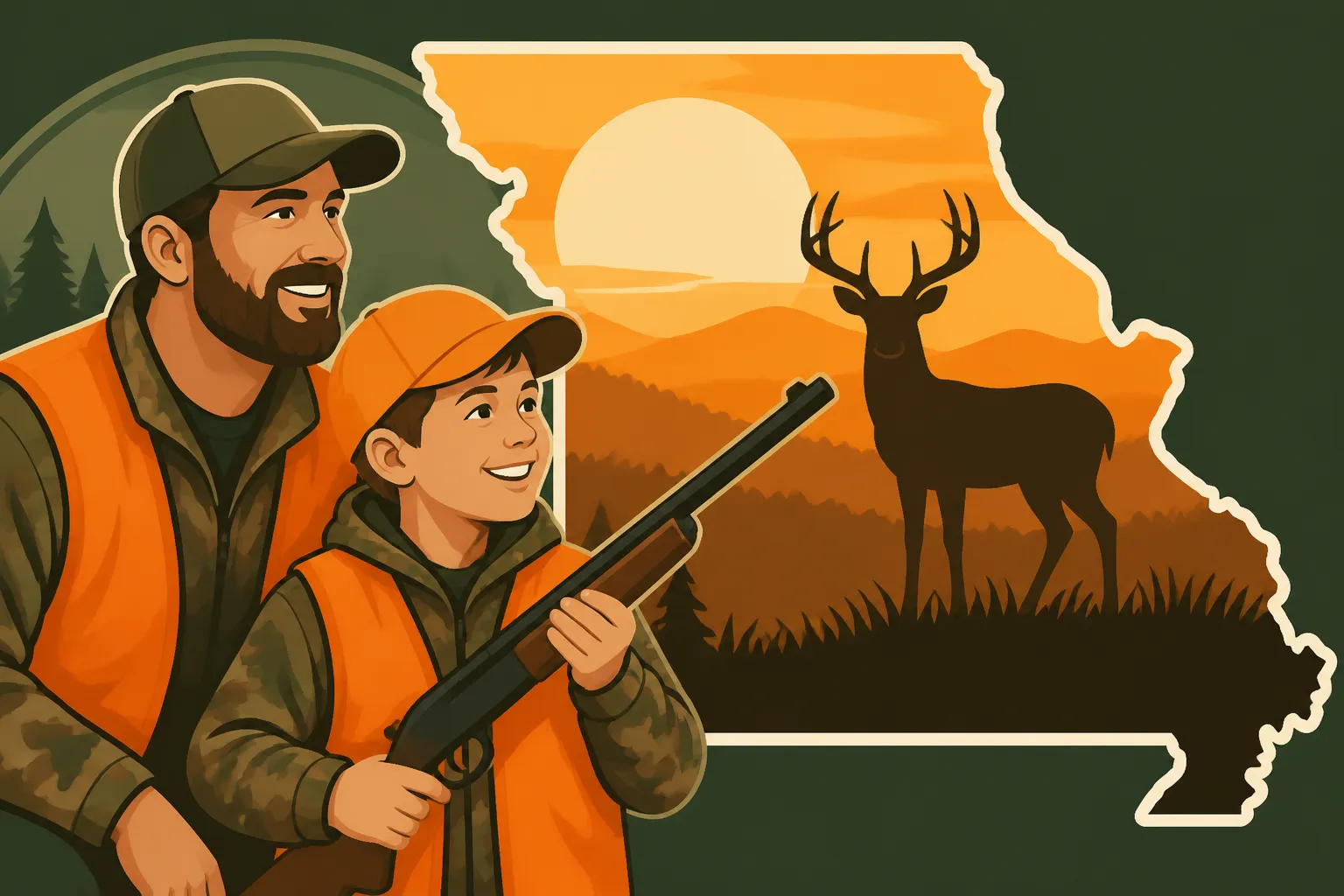
There’s nothing quite like introducing a young person to the deer woods, but navigating the specific rules and dates for Missouri's youth hunting opportunities can feel like trying to track a phantom buck through thick timber. It's frustrating when you just want to get your kid out there, yet the regulations seem overly complex. This comprehensive guide is here to cut through the confusion, clearly laying out the Missouri Early Youth Portion dates, permit requirements, and practical advice to help you orchestrate a memorable, successful hunt for the next generation of outdoors enthusiasts.
Understanding Missouri's Youth Deer Hunting Philosophy
The Missouri Department of Conservation (MDC) puts a real emphasis on getting young hunters involved, and the creation of dedicated youth hunting portions is a testament to that commitment. It’s not just about harvesting a deer; it’s about fostering a love for the outdoors, teaching responsible hunting ethics, and creating indelible family memories. Many of us veteran hunters got our start with a patient mentor, and these special seasons are designed to replicate and enhance that experience.
The Importance of Early Opportunities for Young Hunters
Think about it: the general firearms season can be a bit of a chaotic rush. Hunters are everywhere, deer are pressured, and the woods can feel like a crowded mall. The Early Youth Portion, by contrast, is specifically crafted to provide a more relaxed and often less crowded experience. These earlier dates often fall before the main rut activity and before the heavy pressure of the November firearms portion, potentially leading to more visible deer activity and higher success rates for young hunters. This reduced pressure is key to building confidence and excitement in a new hunter, preventing them from getting discouraged by too many long, fruitless sits. It truly is a fantastic opportunity to implement a solid strategy. For more on this, check out our guide on Youth Portion Strategy in Missouri.
Furthermore, the weather can be a mixed bag during these early November dates, but you often get those crisp, cool mornings that are just perfect for being in a deer stand. While we can sometimes get a warm spell, those golden autumn leaves, the quiet rustle of the woods – it all contributes to an incredible sensory experience that a young hunter will never forget. It's about more than just pulling a trigger; it's about connecting with nature, understanding animal behavior, and learning patience.
How Youth Portions Differ from Adult Seasons
The Early Youth Portion isn't just a separate date; it comes with specific rules tailored to benefit young hunters. For starters, youth hunters (typically ages 6 through 15) are generally allowed to use any legal weapon during this specific weekend. This means they aren't restricted to archery equipment or specific firearms calibers as adults might be during certain portions. This flexibility allows parents to choose a weapon that is safe and comfortable for their child to handle, which is paramount for a positive experience.
Another significant difference lies in the permit structure and bag limits. Youth hunters typically purchase a specific Missouri Youth Deer Permits permit, which allows them to take one antlered deer and one antlerless deer during the entirety of the archery, firearms, and alternative methods portions combined, provided they have the correct permit for the portion they are hunting. Importantly, during the Early Youth Portion, they often have the ability to take an antlerless deer even if the county they are hunting in isn't open for antlerless harvest during other early adult firearms portions. The accompanying adult hunter must be 18 years of age or older and possess the appropriate firearms hunting permit, or be exempt, and must be in close proximity to the youth hunter. They cannot hunt themselves but are there to supervise and mentor, making it a truly dedicated learning experience.
Specific Dates and Permit Requirements for the Early Youth Portion
Understanding the exact dates and permit specifics is crucial to avoid any last-minute scrambling. Missing a deadline or showing up without the right tag can quickly deflate the excitement for both you and your young hunter. The MDC works hard to make these opportunities clear, but sometimes the sheer volume of information can be overwhelming.
Official Early Youth Portion Dates and County Regulations
The Missouri Early Youth Portion for deer hunting is specifically designed to provide a two-day weekend opportunity for young hunters. For the 2024-2025 deer season, these dates are typically set for the first consecutive Saturday and Sunday in November. For instance, in 2024, the Early Youth Portion is scheduled for November 2-3. Looking ahead, the 2025 dates will likely be November 1-2. It's always a good practice to double-check the official Missouri Department of Conservation (MDC) Fall Deer and Turkey Hunting Regulations and Information booklet or their website as the season approaches, just in case there are any minor adjustments. These dates are generally consistent across the state, but it's vital to confirm any county-specific regulations, especially concerning antlerless deer limits, which can sometimes vary. While the youth permit often allows for an antlerless deer statewide during this portion, it's wise to review the regulations for the specific county where you plan to hunt. Some counties may have specific harvest restrictions or CWD regulations that need to be adhered to. You can often find detailed information on Which Counties Allow Extra Antlerless Tags in the MDC's online resources.
Here's a quick overview of the key details for the Early Youth Portion:
| Feature | Details |
|---|---|
| Typical Dates | First consecutive Saturday and Sunday in November (e.g., Nov 2-3, 2024; Nov 1-2, 2025). |
| Eligible Hunters | Ages 6-15 years old. |
| Permit Required | Youth Deer Hunting Permit (can be purchased online, through vendors, or the MO Hunting app). |
| Bag Limit | One antlered deer and one antlerless deer. (Note: The antlerless portion of this permit can only be used during any deer season open to antlerless harvest or during the Antlerless and Early/Late Youth portions). |
| Legal Weapons | Any legal hunting method may be used (firearms, archery, crossbow, atlatl). This includes modern firearms, which is typically what youth use during this portion. |
| Supervision | Youth must be accompanied by an adult 18 years or older who possesses a valid permit or is permit-exempt. The adult may not hunt. |
| Hunter Orange | Required for both youth and supervising adult (at least 400 square inches on the head, chest, back, or sides). |
| Telecheck | All harvested deer must be telechecked by 10 PM on the day of harvest. |
Necessary Permits and How to Acquire Them
To participate in the Missouri Early Youth Portion, the young hunter needs a Youth Deer Hunting Permit. This permit covers the antlered and antlerless deer allowed. It’s important to understand that this permit is specific to youth and its rules vary slightly from adult permits. The great news is, if you're a diligent parent, acquiring this permit is pretty straightforward. You can pick one up at various permit vendors across the state, or, perhaps the easiest method, purchase it online through the MDC website or using the convenient MO Hunting app on your smartphone. The app is a game-changer for many hunters, allowing for quick permit purchases and immediate telechecking of harvests.
A common question that comes up is about hunter education. While a Missouri hunter education certification is required for most hunters born on or after January 1, 1967, youth hunters participating in this portion are actually exempt from this requirement if they are accompanied by a properly licensed adult mentor. However, even with the exemption, enrolling your child in a hunter education course is highly recommended. It instills crucial safety knowledge, ethical behavior, and conservation principles from a young age. You can find more information about Missouri Hunter Education Age Requirement and available courses on the MDC website. Remember, the supervising adult must possess a valid firearms hunting permit (or be exempt, such as a qualifying landowner hunting on their own land) and be in close proximity to the youth hunter, providing direct and continuous supervision. The adult, however, cannot carry a firearm or bow and arrow or attempt to take deer during this youth-specific portion.
Practical Strategies for a Successful Early Youth Hunt
Getting a young person invested in hunting requires more than just knowing the dates; it requires thoughtful planning and an understanding of how to make the experience enjoyable and educational, regardless of whether a deer is harvested. The goal is to create a positive memory, not just to fill a tag.
Scouting and Stand Selection for Young Hunters
Scouting for a youth hunt is different from scouting for an adult's solo venture. Comfort, safety, and ease of access take precedence. Instead of long, grueling treks into remote areas, focus on locations that are relatively easy to get to, minimizing the walk in the dark or across rugged terrain. Food sources are often key during the early season. Look for areas with acorns, green browse, or agricultural fields like soybeans or corn that are still standing. Deer will be actively feeding in these areas. Tools like the GoHunt app or other mapping software are incredibly helpful for identifying these features and planning your approach. You can easily mark potential bedding areas, trails, and food sources, making your in-person scouting more efficient.
When it comes to stand selection, consider comfort above all else. A pop-up Ground Blinds on Crop Field Edges or in a timbered draw is often ideal for young hunters. They offer warmth, protection from the elements, and most importantly, allow for movement, whispering, and even a quick snack without spooking deer. Kids have shorter attention spans, and being able to fidget quietly in a blind can be a game-changer. Ensure the blind is brushed in well to provide maximum concealment – there are great tips on Brushing In a Blind on a Field Edge. If using a treestand, choose a safe, sturdy ladder stand or a comfortable two-person stand where you can easily communicate and assist your young hunter. Positioning it to minimize your Entry Routes on Rolling Farm Ground and ensure the wind is in your favor is always critical. Don't overlook hunting a small A Timbered Draw in Row-Crop Country which can act as a natural travel corridor for deer moving between bedding and feeding areas, offering higher odds of success.
Gear and Safety Considerations for Youth Hunters
Gear choice is paramount for a safe and enjoyable youth hunt. For firearms, consider a smaller caliber rifle like a .243 or a .30-30, or even a .410 shotgun loaded with slugs if legal in your chosen area, provided the youth can handle the recoil comfortably and accurately. Reduced recoil ammunition is a fantastic option to make shooting more pleasant. Ensure the firearm fits the youth; a proper stock length and manageable weight are critical for steady aim and confidence. Ample practice at the shooting range is not just recommended, it's essential. Make it fun, focusing on safety fundamentals like muzzle control and target identification.
Safety doesn't stop with the firearm. Hunter orange is a non-negotiable requirement for both the youth and the supervising adult during the Early Youth Portion. Ensure you both wear at least Missouri Hunter Orange Square Inches visible on your head, chest, and back. Given the early November dates, weather can be unpredictable. Layering clothing is wise, allowing you to shed or add layers as temperatures fluctuate. Hydration is also key, especially if it's a warmer day, so pack plenty of water. Insect repellent might still be necessary, depending on the year. Beyond the hunt itself, plan for post-harvest care. Early season hunts can mean warmer temperatures, making it critical to know how to properly Field Dressing a Deer in Warm Weather and Getting Deer Meat Cooled Quickly to preserve the meat. Bring a cooler with plenty of ice, even if you think you won't need it.
Maximizing the Youth Hunting Experience Beyond the Kill
While harvesting a deer is certainly exciting, the true success of a youth hunt extends far beyond the shot. It's about building character, respect, and a deep appreciation for the natural world. These early experiences lay the groundwork for a lifetime of ethical hunting and conservation.
Instilling Ethics and Conservation Values
Take the time in the stand or blind to talk about more than just deer. Discuss the local ecosystem, identify other animals, and explain the role hunting plays in wildlife management. This is your chance to really explain why we hunt, focusing on ethical shot placement, respect for the animal, and the importance of only taking what you need. Teach them about conservation efforts, how hunting license fees contribute to habitat preservation, and the role of organizations like the MDC. Sharing stories of your own hunting experiences, both successes and failures, can also be incredibly valuable. These conversations help solidify their understanding that hunting is a privilege, not a right, and that responsible stewardship is paramount.
Consider going a step further and encouraging your young hunter to participate in a hunter education course, even if they're exempt for the youth portion. These courses provide a foundational understanding of safety, ethics, and regulations that will serve them well throughout their hunting journey. For more details on what's covered, look into Missouri Hunter Education Requirements. It’s an investment in their future as a responsible outdoors person, teaching them to respect the animal, the land, and the rules that govern ethical hunting.
Post-Harvest Care and Celebration
If your young hunter is successful, the learning and bonding opportunities continue well after the shot. Guide them through the process of Field Dressing and Cooling in Early-Season Heat, explaining each step and its importance for meat quality. Involve them in the entire process, from tracking and recovery to tagging and transportation. This teaches responsibility and the full cycle of the hunt. Make sure you understand Telechecking a Missouri Deer requirements and complete the process promptly by 10 PM on the day of harvest, which can be easily done via the MO Hunting app. This mandatory reporting provides vital data to the MDC for managing Missouri's deer herd, and it's an important part of a hunter's responsibility.
Finally, and perhaps most importantly, celebrate the experience, no matter the outcome. If a deer is harvested, celebrate the achievement and the hard work that went into it. If not, celebrate the time spent together, the lessons learned, and the beauty of nature observed. Share a warm meal, look at photos, and talk about the funny moments or the close calls. These shared experiences, the lessons learned, and the memories created are the true trophies of a youth hunt. It’s about building a connection with the outdoors and with each other that will last a lifetime.
Disclaimer
Please be aware that hunting regulations, dates, and permit requirements can change. While this guide aims to provide accurate and up-to-date information, it is always the hunter's responsibility to consult the most current official Missouri Department of Conservation (MDC) regulations before heading afield. Double-check all dates, county-specific rules, and permit requirements directly with the MDC to ensure compliance.