Missouri Late Youth Portion Dates
It can feel a little overwhelming trying to keep track of all the different hunting seasons here in Missouri, especially when you're trying to introduce younger hunters to the tradition. Between early archery, the firearms portions, and all the special tags, it's easy for the crucial youth-specific dates to get lost in the shuffle. This guide is here to clear up any confusion about the Missouri Late Youth Portion deer season, detailing the exact dates, requirements, and how to best prepare for a successful and memorable hunt with your young outdoors enthusiast.
Understanding Missouri's Youth Hunting Opportunities
Missouri is truly a fantastic place to grow up hunting, and the Missouri Department of Conservation (MDC) does an excellent job of creating specific seasons designed just for our younger hunters. These "youth portions" aren't just about getting kids into the woods; they're thoughtfully designed to offer less pressured hunting opportunities, often at times when deer movement might be more predictable, giving young hunters a better chance at success. It's all about fostering a love for the outdoors and building those foundational skills in a supportive environment.
Why We Have Dedicated Youth Seasons
The primary goal of dedicated youth seasons is pretty straightforward: to recruit and retain new hunters. By setting aside specific weekends where only youth can harvest deer, the MDC aims to reduce competition with adult hunters, create a calmer atmosphere, and allow mentors to focus entirely on teaching their young charges. Imagine being a beginner in a crowded field versus having a more relaxed experience – the latter is much more likely to create positive, lasting memories. It's an investment in the future of hunting, ensuring these traditions continue for generations to come. This approach also allows for tailored management strategies, like specific bag limits for youth, which contribute to overall herd health. For more general advice on guiding young hunters, check out our piece on Youth Portion Strategy in Missouri.
Early Versus Late Youth Portions
Here in Missouri, deer season for youth hunters is actually split into two distinct periods: the Early Youth Portion and the Late Youth Portion. The Early Youth Portion typically takes place in late October, usually the weekend immediately preceding the main firearms deer season. This timing often coincides with the very early stages of the deer rut, meaning bucks might be starting to move more predictably as they chase does. It's a fantastic time to be in the woods, with crisp autumn air and changing leaves.
The focus of this guide, the Late Youth Portion, generally falls after the bustling November firearms season and often after the Alternative Methods portion, providing a unique late-season opportunity. This later timing presents its own set of challenges and rewards, often requiring different strategies due to colder weather and deer being more concentrated around specific food sources. Understanding the nuances of both is key to making the most of your young hunter's time afield.
Exact Dates for Missouri's Late Youth Portion
When it comes to planning a hunt, knowing the precise dates is absolutely paramount. Missing a season by a day or two can be incredibly frustrating. The Missouri Late Youth Portion for firearms deer hunting is designed to give young hunters a final opportunity to fill their tags after the main firearms and alternative methods seasons have concluded. These dates are set annually by the Missouri Department of Conservation, and while they tend to follow a pattern, it’s always critical to double-check the current year's regulations.
Typical Dates and Timing
Historically, the Late Youth Portion for deer in Missouri occurs during the first full weekend of January. For example, looking back at recent seasons, you'd typically see it running from a Friday through Sunday in early January. This means that if you're planning for the upcoming season, you can usually circle that first weekend in January on your calendar as a strong possibility, but again, always verify with the official MDC regulations handbook or their website as soon as it's released for the specific year you're hunting. These dates apply statewide for firearms deer hunting for eligible youth. This timing is distinct from the general Missouri Firearms Deer Portion Dates that most adult hunters participate in.
The late-season timing offers several advantages. The deer herd has often settled down somewhat after the intense pressure of November, and colder temperatures can make deer more active during daylight hours as they seek out critical food sources. It's also a time when many other hunting seasons are closed, meaning fewer people in the woods, which can be a real bonus for a young hunter learning the ropes.
Species and Tagging Rules During This Portion
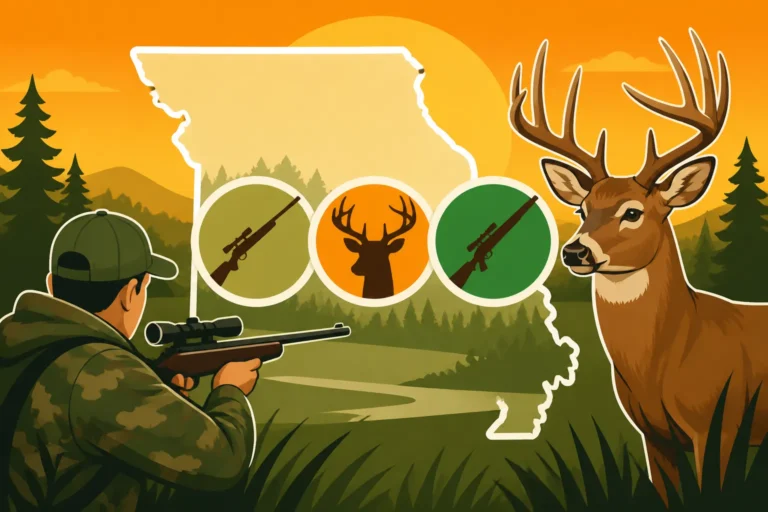
During the Late Youth Portion, eligible youth hunters can pursue deer. It's primarily a firearms season, allowing for the use of common deer hunting calibers and shotguns with slugs. The specific tags allowed generally include an antlered deer permit and/or antlerless deer permits, depending on the county regulations and the hunter's permit choices. It's crucial to remember that all deer harvested, regardless of season or hunter age, must be Telechecked. We have a detailed guide on Telechecking a Missouri Deer that covers this process thoroughly.
The bag limit for youth hunters during this portion aligns with their purchased permits. For instance, a youth might have an "Any-Deer" permit allowing them to take one antlered or antlerless deer, and potentially additional antlerless permits depending on the county and management objectives. The goal is often to provide an opportunity for a successful harvest while managing the deer population responsibly.
Here’s a quick overview of Missouri’s key youth deer hunting portions:
| Youth Deer Hunting Portion | Typical Dates (Verify Annually) | Primary Weapons | Bag Limit (With Valid Permits) | Key Advantage |
|---|---|---|---|---|
| Early Youth Portion | Late October (e.g., last weekend) | Firearms | Antlered/Antlerless | Pre-rut activity, milder weather |
| Late Youth Portion | Early January (e.g., first weekend) | Firearms | Antlered/Antlerless | Post-rut, colder temps, less pressure |
| Youth Turkey Weekend | Mid-April (weekend before spring) | Shotgun | One bearded turkey | Early access to gobblers |
Key Regulations and Preparation for the Late Youth Portion
Taking a young hunter into the woods is a huge responsibility, and preparing them goes far beyond just knowing the dates. Understanding the specific regulations that apply to youth hunters and making sure they're properly equipped and mentally ready is crucial for a safe, ethical, and enjoyable experience. The MDC has specific guidelines in place to ensure these hunts are as educational and secure as possible.
Permit Requirements for Youth Hunters
Just like adult hunters, youth hunters need the appropriate permits to hunt deer in Missouri. For the Late Youth Portion, this typically means a Missouri Youth Deer Permits for the firearms portion. These permits are usually less expensive than adult permits and often offer broader flexibility in terms of deer harvested (e.g., allowing for either an antlered or antlerless deer with a single "Any-Deer" permit in many counties). It's essential to purchase these permits well in advance and ensure they are filled out correctly and carried by the youth hunter (or their supervising adult) while afield. You can purchase these permits online through the MDC website or through authorized vendors. Many hunters also use digital platforms like GoHunt to manage their permits and check regulations on the go.
Supervision, Safety, and Hunter Orange Rules
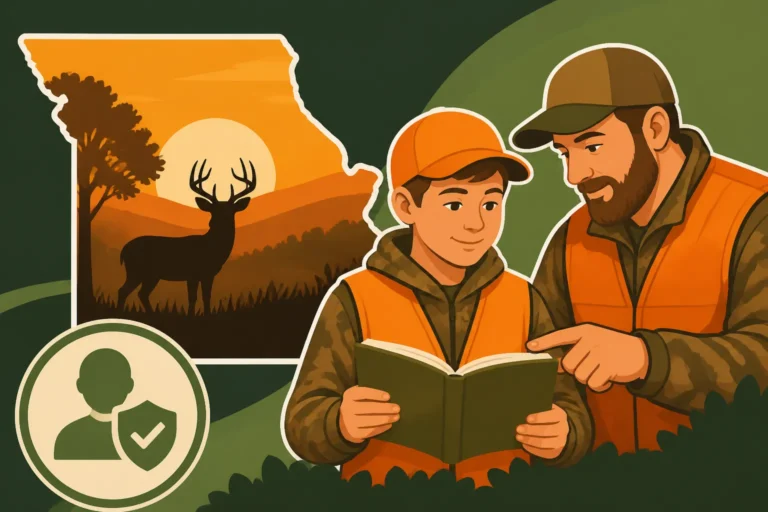
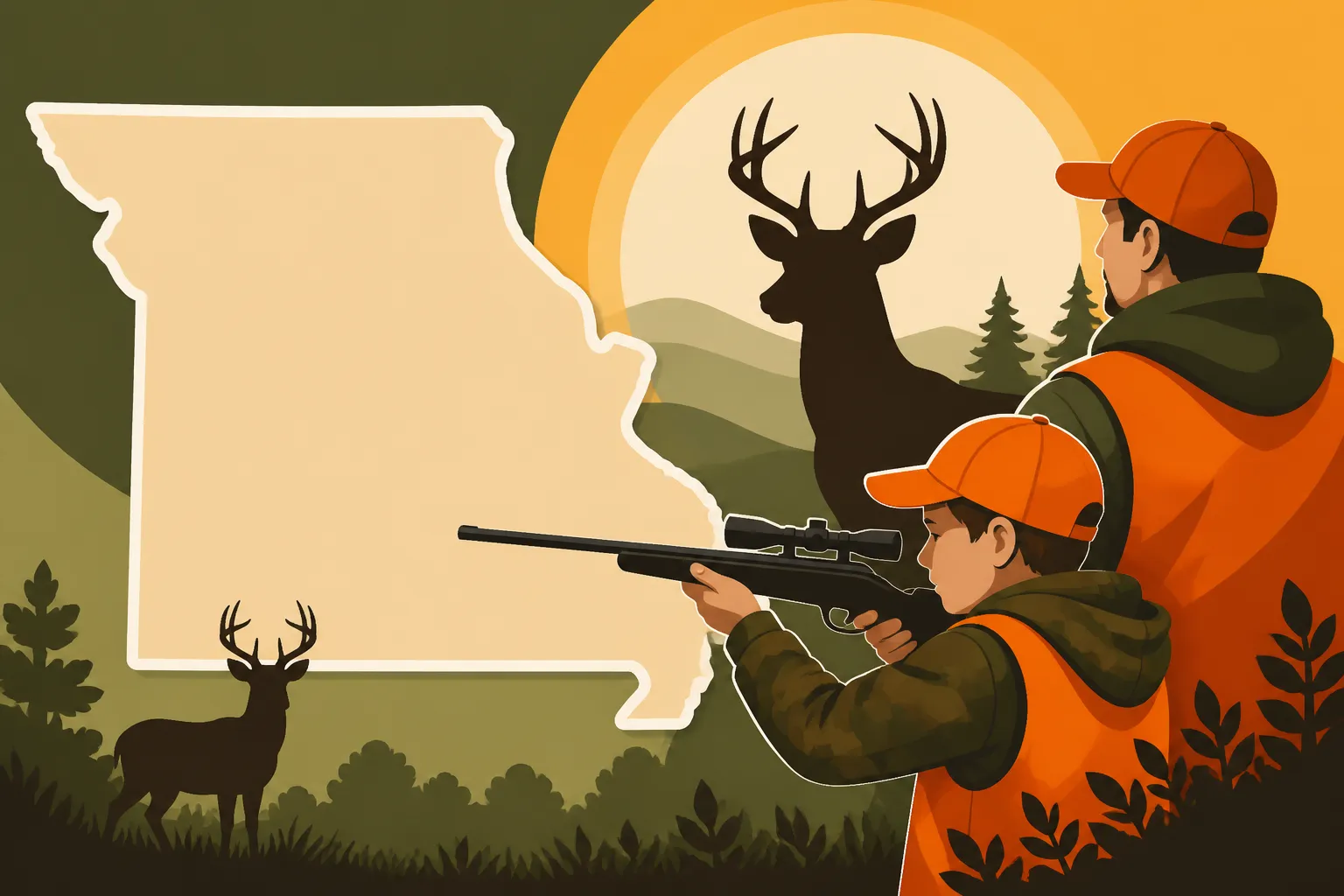
Safety is paramount when hunting with youth. In Missouri, any hunter under the age of 16 must be accompanied by a properly licensed adult 18 years of age or older. This adult must be within "sight and voice contact" of the youth at all times. This isn't just a rule; it's an opportunity for mentorship, allowing the adult to teach ethical hunting practices, firearm safety, and proper shot placement directly.
Furthermore, hunter orange requirements are strictly enforced, especially during firearms seasons. Youth hunters, like all firearms deer hunters in Missouri, must wear a hunter orange cap and an outer garment with at least 400 square inches of hunter orange visible from all sides. This is a critical safety measure, ensuring visibility to other hunters. For a comprehensive breakdown, refer to our guide on Missouri Hunter Orange Rules. Remember, even if you’re using a ground blind, you still need to display orange on the blind itself.
Pre-Season Preparation and Scouting
The success of any hunt, especially with a young hunter, often comes down to the preparation. Don't wait until the week before the Late Youth Portion to start thinking about it. This late-season hunt often means colder weather, so practicing shooting with heavier winter clothing is a good idea. Ensure their firearm is sighted in and they are comfortable and proficient with it.
Scouting is another huge piece of the puzzle. Deer movement patterns change dramatically from early season to late season. After the rut and the primary firearms pressure, deer often revert to more predictable patterns focused almost exclusively on food and cover. Look for late-season food sources like standing corn, overlooked soybean fields, or even oak flats that still hold acorns under the snow. Utilizing tools like the GoHunt app can be incredibly beneficial for pinpointing potential spots, identifying property boundaries, and understanding topography before you even set foot in the woods. This kind of advanced planning is key, and we cover general scouting tactics in our article on Scouting Missouri Public Land Before Season.
Maximizing Success in the Late Youth Portion
The Late Youth Portion presents a unique set of challenges and opportunities. The deer are wiser, the weather is colder, and food sources might be scarcer. However, with the right approach, this can be an incredibly rewarding time to introduce a young hunter to the perseverance and strategy required for late-season success.
Understanding Late-Season Deer Behavior
By early January, the deer rut is a distant memory. Bucks have often lost a significant amount of weight and are focused almost solely on replenishing energy. Does are also seeking high-calorie foods to recover from the breeding season and prepare for the coming fawns. This means deer will typically be much more concentrated around the most nutritious and accessible food sources available. Their movement patterns will often revolve around moving from bedding areas directly to food and back again.
Cold, harsh weather can be your friend during the Late Youth Portion. Extreme cold, snow, and ice can push deer to move during daylight hours, making them more visible. They'll need to feed frequently to maintain their body temperature. This can be a stark contrast to the earlier, warmer parts of the season where deer might move predominantly at dawn and dusk. Understanding this shift in behavior is critical for choosing stand locations or planning still-hunting routes. Our article on Late-Season Food Sources for Whitetails provides excellent details on what deer are looking for at this time.
Strategic Hunting Tactics
Given the cold weather and deer behavior, certain tactics tend to shine during the Late Youth Portion:
- Food Source Focus: This is probably the most critical factor. Identify the primary food sources in your hunting area. This could be standing crops (corn, soybeans that weren't harvested early), leftover acorns in oak timber, or even browse in thick cover. Set up stands or blinds overlooking these areas or along the most direct travel routes to them.
- Thermal Hubs and Cover: Deer will seek out dense cover that offers protection from the wind and elements, especially on north-facing slopes. South-facing slopes, catching more sun, can also be preferred bedding areas during extreme cold. Look for thickets, cedar groves, or brushy creek bottoms where deer can bed down comfortably before moving to feed.
- Still-Hunting and Drives: On very cold days, deer may not move much on their own. Short, strategic still-hunts through thick cover, or small, quiet deer drives (if permitted and safely executed with adult supervision) can be effective at nudging deer toward an awaiting young hunter.
- Patience and Warmth: Late-season hunting means sitting still in very cold temperatures. This can be tough on kids. Ensure your young hunter is dressed in layers, has hand warmers, and is comfortable. A warm, dry hunter is a patient hunter. Breaks for hot chocolate or a quick walk can sometimes make all the difference. Read more about staying comfortable in our guide on Cold Weather Sitting Strategy.
- Utilizing Technology: Don't underestimate the power of modern hunting apps. Tools like the GoHunt app can help you overlay public and private land boundaries, identify prime bedding cover, locate potential food plots, and even mark trails or observation points. The ability to quickly reference your location and plan movements without making excessive noise is invaluable, especially when you're dealing with easily spooked, late-season deer.
By combining an understanding of deer behavior with thoughtful preparation and the right tactics, the Missouri Late Youth Portion can be a truly rewarding experience, building resilience and skill in your young hunter that will serve them well in all their future outdoor pursuits.
Disclaimer
Please remember that hunting regulations can change. Always consult the official Missouri Department of Conservation (MDC) regulations booklet or website for the most current and accurate information regarding season dates, permit requirements, and rules before heading afield. This guide provides general information and historical patterns but should not replace official MDC resources.