Youth Portion Strategy in Missouri
The Missouri youth deer hunting portion can feel like a high-pressure situation for parents and mentors who desperately want to see their young hunter succeed, but also want to ensure a safe, ethical, and enjoyable experience. It's tough to balance excitement with solid instruction, and often the complexities of regulations and deer behavior can overwhelm everyone. This guide aims to break down the crucial strategies for making the youth portion a memorable and successful hunt for the next generation of Missouri hunters.
Understanding the Missouri Youth Deer Portion
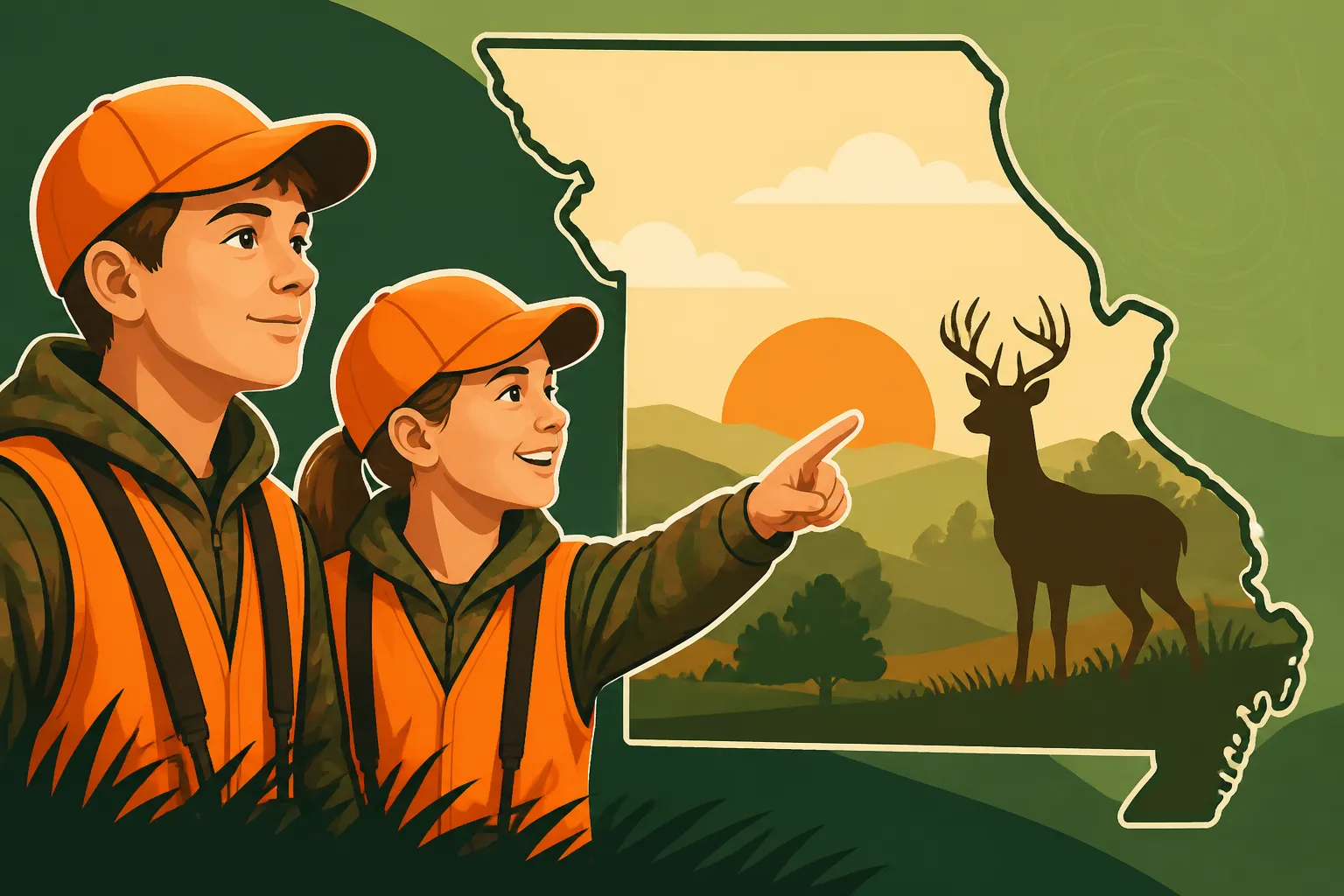
The youth deer portion in Missouri is a unique opportunity specifically designed to give young hunters a dedicated time in the woods before the main firearms season. This focus helps reduce hunting pressure from adults and allows for a more controlled, educational environment. It's a fantastic initiative by the Missouri Department of Conservation (MDC) to foster new hunters, but it comes with its own set of rules and considerations that every mentor needs to understand inside and out.
Key Dates and Regulations
The youth portion typically runs for two distinct weekends: an early youth portion in October and a late youth portion in November, often right before or sometimes overlapping slightly with the beginning of the regular firearms season. These specific dates are crucial to note each year, as they can shift slightly. This split season approach allows for different hunting conditions – the early portion might still see warmer weather and deer patterns focused on early fall food sources, while the late portion could be colder, with deer already thinking about the rut. Understanding these nuances helps tailor your approach. For example, during the early youth portion, deer might still be in summer patterns, hitting agricultural fields in the evenings or browse in the mornings. By the late youth portion, especially if it coincides with the pre-rut, bucks might be more active, cruising for does.
It’s essential to be absolutely certain of the correct dates for the current season, as hunting outside of these windows, even by a day, can lead to serious legal issues. Always check the official MDC hunting regulations handbook or their website for the most up-to-date information. Missing these details can quickly turn an exciting trip into a frustrating one.
Permit Requirements and Eligibility
Eligibility for the youth portion is tied directly to age. Generally, resident and non-resident hunters ages 6 through 15 are eligible to participate. The young hunter must possess a valid Missouri Youth Deer Permits and be accompanied by a properly licensed adult mentor who is 18 years of age or older. This mentor doesn't necessarily need to hold a firearms deer permit themselves, but they must be properly licensed for whatever they are hunting or authorized to hunt. For instance, if the mentor plans to carry a bow, they'd need an archery permit. If they are just accompanying the youth, their own small game or hunting permit generally suffices, but it's always best to verify the specific requirements.
The number of deer a youth can take during this portion is also important. Typically, youth hunters may take one antlered deer and one antlerless deer, or two antlerless deer, depending on the specific permit purchased and county regulations. There are usually separate permits for antlered and antlerless deer, and specific county restrictions might apply to antlerless tags, so it’s critical to double-check which counties allow for extra antlerless harvests. The goal is to provide a broad opportunity for success while maintaining sound deer management practices. Make sure you understand Missouri Deer Permits and How to Buy One before heading out.
Weapon Choices and Restrictions
One of the great advantages of the youth portion is the flexibility in weapon choices. Youth hunters may use any legal weapon, which means shotguns, rifles, handguns, muzzleloaders, and bows are all permissible. This is particularly helpful as it allows the youth to use a firearm they are most comfortable and proficient with, which is a huge factor in safety and confidence. For example, a youth might be more comfortable with a .243 rifle than a 12-gauge shotgun, especially if they are smaller in stature. The lighter recoil and accuracy of a rifle can be a significant advantage.
However, there are still legal restrictions on specific ammunition types (e.g., certain rifle calibers or slug types) and minimum energy requirements for firearms that must be adhered to. Crossbows are also typically legal, falling under the "bow" category. It's vital that the chosen weapon is one the youth can handle safely and effectively. This means ensuring proper fit, managing recoil, and confirming they can shoulder the weapon, sight, and hold it steady long enough for a responsible shot. This freedom of choice often makes the youth portion an excellent time for Youth Portion Tactics for a First Deer, allowing them to use equipment that best suits their individual capabilities.
Pre-Season Preparation for Young Hunters
Success in the field isn't just about showing up on opening day; it's the culmination of thoughtful preparation. For youth hunters, this preparation phase is even more critical. It builds confidence, teaches responsibility, and transforms the hunt from a one-day event into an ongoing learning experience. Neglecting this stage can lead to frustration and potentially unsafe situations.
Scouting and Stand Selection
Scouting with a young hunter is an invaluable part of their education. It teaches them to read the landscape, understand deer behavior, and appreciate the natural world. Before the season, take your youth hunter out to walk the property you plan to hunt. Look for deer sign like tracks, rubs, scrapes, and bedding areas. Identify potential travel corridors, especially those leading to and from food sources. This is where tools like GoHunt can be incredibly useful, allowing you to review satellite imagery and topographical maps together to identify bottlenecks, ridge saddles, or creek crossings from the comfort of home, then verify them on the ground.
When it comes to stand selection, consider comfort, safety, and visibility. For youth, a ground blind is often an excellent choice because it offers concealment, warmth, and the ability to move slightly without spooking deer. It’s also often safer than a treestand, especially for younger or less experienced hunters. If a treestand is used, ensure it’s a two-person stand or that the youth is securely harnessed in with a lifeline, and always prioritize lower heights for safety. We have detailed information on both Treestand Setups in Hardwood Timber and Ground Blinds on Crop Field Edges that can help you decide which is best for your situation. The goal is to pick a spot where deer are likely to pass within the youth's effective shooting range, keeping shots close and confidence high. Remember, the journey of scouting is often as rewarding as the hunt itself.
Shooting Practice and Familiarity
This is arguably the most critical aspect of pre-season preparation. A young hunter absolutely must be proficient and confident with their chosen weapon. Start practicing well in advance of the season, ideally months beforehand, to avoid last-minute jitters. Begin with small targets at close range, gradually increasing distance as their accuracy improves. Focus on proper shooting fundamentals: breathing, sight picture, trigger control, and follow-through. Make it fun, not a chore. Positive reinforcement goes a long way.
Practice shooting from various positions they might encounter in the field – from a bench rest (simulating a solid rest in a blind), kneeling, or even standing with support. If you plan to hunt from a ground blind, practice shooting from inside the blind, ensuring they understand how to use the shooting windows and that there are no obstructions in their line of fire. For those using a bow, ensure they can comfortably draw and hold their bow for an extended period. This repeated practice builds muscle memory and mental fortitude, giving them the confidence to make a clean, ethical shot when the moment arrives. Familiarity reduces anxiety, which is key for a successful first harvest.
Gear Selection for Comfort and Success
Comfort dramatically impacts a young hunter's ability to stay focused and enjoy the experience. Missouri weather in October and November can be highly unpredictable, ranging from warm, sunny days to cold, damp, and windy conditions. Layering is key: start with a moisture-wicking base layer, add insulating layers, and top with a waterproof/windproof outer shell. Don't forget a warm hat, gloves, and comfortable, waterproof boots. Cold feet or hands can quickly end a hunt.
Ensure all gear fits properly. Oversized clothing can snag, while too-tight gear can restrict movement and circulation. Consider a comfortable, quiet backpack for snacks, drinks, extra layers, and small essentials. A small, lightweight shooting stick or bipod can also be an invaluable addition, providing a stable rest for accurate shooting, especially from a ground blind. For safety, always wear blaze orange when required by Missouri Hunter Orange Rules, even if just walking in and out. Investing in quality, youth-specific gear where appropriate can make a world of difference in keeping spirits high, particularly during long waits.
Tactics for a Successful Youth Hunt
Once all the preparation is done, it's time to put a solid plan into action. The actual hunt during the youth portion requires patience, flexibility, and a deep understanding of deer movement. It's not about forcing an outcome, but about creating the best possible conditions for a young hunter to connect with an animal.
Focusing on Food Sources and Funnels
Deer, especially in the early youth portion, are largely creatures of habit, driven by their stomachs. This makes hunting over quality food sources one of the most effective strategies. Think about agricultural fields like standing corn or soybean fields (if they haven't been harvested yet), acorn flats in oak timber, or food plots if you have them. Deer will naturally gravitate to these areas, particularly in the mornings and evenings. When Hunting Standing Corn Before Harvest, deer will use the cover and food, making field edges prime spots.
Beyond just food, identify funnels – natural pinch points in the landscape that concentrate deer movement. This could be a narrow strip of timber between two fields, a creek bottom leading up a ridge, or a saddle between two hilltops. These funnels act as natural highways for deer moving from bedding areas to feeding areas. Positioning your ground blind or treestand near such a funnel, downwind of the expected deer travel, significantly increases your chances of encountering deer within the youth hunter's comfortable shooting range. Remember, deer are always looking for the path of least resistance, especially when transitioning between cover and food. Using a tool like GoHunt can help identify these funnels quickly from an aerial perspective.
Ground Blind vs. Treestand Considerations
The choice between a ground blind and a treestand for a youth hunter is significant, and each has its pros and cons.
| Feature | Ground Blind | Treestand |
|---|---|---|
| Visibility | Limited, tunnel vision through windows | Wide, elevated view of surroundings |
| Concealment | Excellent, allows for movement inside | Good, but requires careful entry/exit and minimal movement |
| Comfort | High, can bring chairs, heater; offers wind/rain protection | Moderate, exposed to elements, less room for movement |
| Safety | Very High, on solid ground | Requires diligent safety harness use, potential fall risk |
| Youth Suitability | High, less intimidating, more forgiving for fidgeting | Moderate, requires discipline, often better for older youth |
| Setup Time | Quick to deploy, can be left in place | Varies, can be labor-intensive, often requires more skill |
| Scent Control | Helps contain some scent, but still critical | Better elevation for scent dispersal |
For many young hunters, a ground blind is the superior choice. It offers excellent concealment, allowing the youth to fidget, stretch, and even whisper without being easily detected by deer. This flexibility is crucial for maintaining a young hunter's attention span. They provide shelter from the elements, which can be a game-changer on a cold or rainy day. Furthermore, ground blinds are inherently safer, eliminating the risks associated with climbing and being elevated. The ability to use a comfortable chair and even bring a small heater can greatly extend sit times and improve the overall experience.
Treestands, while providing a broader view and better scent dispersal, demand a higher level of discipline and safety awareness. They are generally better suited for older, more experienced youth who can sit still for extended periods and are comfortable with heights. If using a treestand, always ensure the youth is wearing a full-body harness and is clipped into a safety line from the moment they leave the ground until they return. The absolute priority is safety, and choosing the right setup for your specific youth hunter's comfort and experience level is paramount.
Engaging the Young Hunter Throughout the Sit
Let's be honest, sitting still for hours can be tough for anyone, let alone a child. Keeping a young hunter engaged is critical to a positive experience. While silence is often necessary during prime hunting times, there are plenty of moments when quiet conversation can enhance the experience. Point out squirrels, chipmunks, and birds. Discuss tracks you see, explain why deer might use a particular trail, or share stories of your own hunting adventures. This isn't just about deer; it's about connecting with nature.
Bring quiet snacks and drinks. A small book or a quiet game on a phone (with notifications off and on silent mode) can provide a brief, silent distraction during lulls in activity, especially during the middle of the day. Explain the wind direction and how it affects deer movement and your scent. Teach them to glass with binoculars, identifying details in the woods. Let them feel like a genuine partner in the hunt, making decisions with you about when to call, when to move, or what to watch for. The goal isn't just to bag a deer, but to ignite a lifelong passion for the outdoors. This engagement helps fulfill the spirit of Scouting Missouri Public Land Before Season by connecting the pre-season work to the in-season experience.
Safety and Ethics: Guiding Principles
Hunting is a privilege, and with that privilege comes immense responsibility. For young hunters, instilling a strong foundation of safety and ethical conduct is paramount. These aren't just rules; they are the bedrock of responsible hunting and a respect for wildlife.
Reinforcing Hunter Education Principles
Every young hunter in Missouri, with certain age-based exceptions or apprentice hunter authorizations, must complete a hunter education course. This course covers firearm safety, wildlife identification, basic regulations, and ethical behavior. As a mentor, your role is to continuously reinforce these principles in the field. Before every hunt, review the fundamental rules of firearm safety:
- Control the muzzle direction.
- Outcome of the shot (be sure of your target and what is beyond it).
- Load and unload your firearm safely.
- Trigger finger discipline.
Discuss the shooting lane and zones of fire, especially if hunting with multiple people. Talk about how to safely carry and handle the firearm when moving. It’s not enough to simply know the rules; they must be practiced and become second nature. This constant reinforcement of Missouri Hunter Education Age Requirement topics ensures that safety is always top of mind, even when the excitement of seeing a deer peaks.
The Importance of Mentorship
The mentor's role extends far beyond merely accompanying the youth. You are the guide, the teacher, and the role model. This means demonstrating patience, respect for wildlife, and adherence to all regulations. Explain why certain rules exist – why we wait for a clear shot, why we track carefully, why we practice scent control. Your actions speak louder than words.
A good mentor encourages, supports, and allows the young hunter to take an active role in the hunt, making age-appropriate decisions. This might mean letting them choose which direction to walk into the stand (after discussing wind), or which deer to focus on (within legal limits). It's about empowering them. Conversely, it also means stepping in when necessary, whether it's to correct a safety lapse or to suggest waiting for a better shot opportunity. The goal is to cultivate a responsible, independent hunter, not just someone who pulls a trigger. The bond formed through shared outdoor experiences is truly special and long-lasting.
Ethical Shot Placement and Tracking
This is where the rubber meets the road. Before any animal is in sight, discuss ethical shot placement. Show them diagrams of a deer's anatomy, highlighting the vital organs (lungs, heart). Emphasize that a clean, quick kill is the goal and the highest respect we can pay to the animal. Talk about shot angles and waiting for the right moment. It's far better to let a deer walk away if the shot isn't right than to take a risky shot that results in a wounded animal.
If a shot is taken, the work isn't over. Teach the youth hunter the importance of tracking. Mark the spot where the deer was standing and where it was hit. Wait a reasonable amount of time (often 30 minutes to an hour for a well-hit deer, or much longer for a questionable shot) before beginning the search. Look for blood, hair, bone fragments, and overturned leaves. Explain how to follow a trail, piece by piece. This dedication to recovery is a non-negotiable part of ethical hunting. Even if the deer isn't recovered, the effort and the lessons learned are invaluable. Remember to also discuss Blood Trailing After Dark in Missouri if the situation arises.
Post-Harvest Responsibilities and Lessons
The moment a deer hits the ground is often filled with excitement, but it's also when a new set of responsibilities begins. Guiding a young hunter through the post-harvest process is just as crucial as the hunt itself, reinforcing respect for the animal and understanding the full circle of the hunting experience.
Field Dressing and Game Care
After the initial excitement, it's time to teach the vital skills of field dressing. This can be a messy but incredibly educational process. Explain why field dressing is necessary: to cool the meat quickly, prevent spoilage, and ensure a high-quality food product. In Missouri's early youth portion, temperatures can still be quite warm, making rapid cooling even more critical. Show them how to make the cuts, remove the organs, and prop the cavity open for airflow. Let them participate as much as they are comfortable, even if it's just holding a leg or watching intently.
Emphasize cleanliness and hygiene. If you’re hunting in warmer weather, have a plan for Getting Deer Meat Cooled Quickly as soon as possible, whether that’s packing the cavity with ice, transporting it directly to a processor, or hanging it in a cooler. Teach them how to properly handle the meat from the field to the table. This complete understanding fosters a deeper appreciation for where their food comes from and the effort involved in bringing it to the family.
Telechecking and Reporting
Missouri has a mandatory telecheck system for all harvested deer and turkeys. This is not just a formality; it's a critical component of wildlife management. It helps the MDC gather data on harvest numbers, population trends, and hunter success rates, which in turn informs future regulations. Teach your youth hunter the importance of this step. After the deer is harvested, they will need to physically notch their permit (or digitally confirm on the MO Hunting app) immediately. Then, within a strict timeframe (usually by 10 PM on the day of harvest, or before processing/transporting out of state), the deer must be telechecked.
Explain the information needed for telechecking: permit number, county of harvest, date of harvest, and antler points (if applicable). Let them be involved in the telecheck process, either by making the call or inputting the data on the app. This teaches them about accountability and their contribution to conservation efforts. Understanding Telechecking a Missouri Deer correctly is a non-negotiable part of the hunting process in Missouri.
Celebrating the Experience, Not Just the Harvest
Finally, and perhaps most importantly, celebrate the entire experience, regardless of whether a deer was harvested. The goal of the youth portion isn't solely about success in bagging an animal, but in fostering a love for the outdoors, teaching valuable skills, and creating lasting memories. If a deer was taken, celebrate the accomplishment, acknowledge the effort, and discuss the journey from the field to the dinner plate.
If no deer were taken, focus on the positive aspects of the hunt: the beautiful sunrise, the wildlife observed, the skills practiced, the time spent together. Emphasize that hunting isn't always about filling a tag; it's about the connection to nature, the challenge, and the adventure. Encourage them to reflect on what they learned and what they might do differently next time. Reinforce that patience and persistence are key to hunting. The real success lies in nurturing a passion for ethical hunting and conservation in the next generation. These experiences contribute to Missouri Deer Camp Traditions, building a shared heritage.
Disclaimer
Please remember that hunting regulations, dates, and permit requirements can change annually. It is your responsibility to consult the official Missouri Department of Conservation (MDC) regulations handbook or website for the most current and accurate information before participating in any hunting activity. This guide provides general information and should not be considered a substitute for official regulations.