Managed Deer Hunt Applications and Draws
It's no secret that finding prime deer hunting ground in Missouri, especially on public land that isn't already saturated with other hunters, can feel like an impossible task. We all dream of those undisturbed spots where mature bucks roam, but the reality is often crowded timber and pressured deer. That's where Missouri's managed deer hunt program comes in, offering unique, controlled opportunities that many hunters eagerly pursue. This guide will walk you through everything you need to know about applying for these coveted hunts, understanding the draw system, and boosting your chances of success.
Understanding Missouri's Managed Deer Hunt Program
Let's be honest, the thought of drawing a tag for a prime, managed hunt area can feel like hitting the lottery, and in many ways, it is. These hunts are a cornerstone of how the Missouri Department of Conservation (MDC) manages specific land tracts, allowing hunters unique access to areas that might otherwise be off-limits or heavily restricted. It's a system designed to achieve multiple conservation goals while also providing exceptional hunting experiences.
What Managed Hunts Are All About
Managed deer hunts in Missouri aren't just your typical walk-in public land experience. These are highly regulated events, often held on specific conservation areas, state parks, or even private lands under MDC management agreements, where access is controlled through a lottery draw system. Think of them as exclusive invitations to hunt some of the state's best-managed deer populations, often in areas with diverse habitats that support healthy herds. The number of hunters is strictly limited, reducing pressure and, in theory, increasing the quality of the hunting experience. Each hunt will have its own specific rules, dates, and sometimes even weapon restrictions, all outlined in detail by the MDC well in advance.
These hunts are about more than just limiting hunter numbers; they're also a critical management tool. By controlling who hunts where and when, the MDC can achieve specific population objectives for certain areas, whether that's reducing herd size in areas with overpopulation concerns, increasing antlerless harvest to balance sex ratios, or simply gathering valuable biological data. It's a dynamic system that adapts to the needs of the deer population and the land itself, year after year.
Why Managed Hunts Exist
The primary reasons behind managed hunts are multifaceted and deeply rooted in sound wildlife management principles. First and foremost, they serve as a crucial tool for population control. In some areas, deer numbers might exceed the carrying capacity of the land, leading to habitat degradation, increased disease transmission, or agricultural damage. Managed hunts allow for a targeted harvest that can bring populations back into balance. This focus on healthy ecosystems often translates to more robust deer, which is a win for hunters and wildlife alike.
Secondly, managed hunts offer access to unique properties that might otherwise be closed to general hunting. This includes certain state parks, natural areas, or private lands where specific management goals are in place. Without these controlled hunts, many hunters wouldn't have the opportunity to experience these diverse landscapes. Furthermore, these hunts are often tailored to specific objectives, such as youth hunts to introduce new generations to the sport, or special antlerless hunts aimed at increasing the doe harvest. They also collect vital data through mandatory check-in procedures, providing invaluable insights into herd health, age structure, and antler quality, which informs future management decisions.
Eligibility, Application, and Important Dates
Navigating the application process for Missouri's managed deer hunts can feel a bit like trying to solve a puzzle, especially with all the different dates and requirements. But with a clear understanding of the steps and what's expected, it becomes much more manageable. The key is to be prepared and apply within the specific windows set by the MDC.
Who Can Apply and Permit Requirements
Generally, any hunter who meets Missouri's basic hunting license requirements can apply for a managed deer hunt. This means you'll need a valid Missouri hunting permit, such as a Resident or Non-Resident Firearms Deer Permit or Archery Deer Permit, depending on the hunt type and your residency status. For specific hunts, like youth portions, the hunter must be within the designated age range and often accompanied by an adult, regardless of whether the adult hunts. Some hunts might also require specific weapon permits, such as those for the Alternative Methods Portion.
It's absolutely critical to double-check the specific requirements for each individual hunt you're interested in. The MDC provides detailed information for every managed hunt opportunity, including the required permits, weapon restrictions, and any age limitations. Don't assume that just because you have a general deer permit, it automatically covers all managed hunt types. Always read the fine print! You can find detailed information on Missouri's deer permits and how to buy one on the MDC website, which is your go-to resource for accurate, up-to-date regulations.
The Application Process: Step-by-Step
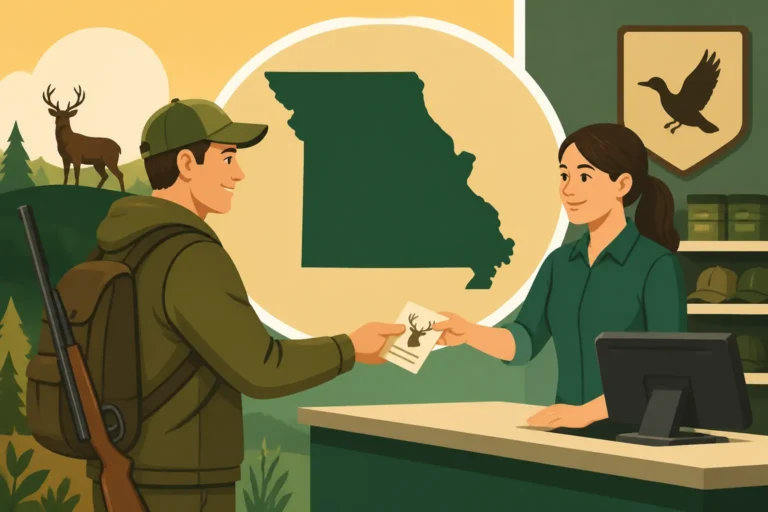
Applying for a managed deer hunt is typically done online through the MDC website. The process is fairly straightforward once you know where to go. First, you'll need to create an account or log in with your existing conservation number. From there, navigate to the managed hunt application portal. You'll then browse the available hunts, filtering by date, location, or hunt type (e.g., archery-only, firearms, youth).
Once you've selected a hunt, you'll enter your permit details and any other required information. Some hunts allow you to apply as a group, which can be a great way to ensure you and your hunting buddies get to experience a hunt together if drawn. There's usually a small, non-refundable application fee for each hunt you apply for. It's important to review all your selections carefully before submitting, as errors can lead to disqualification. Many experienced hunters will create a shortlist of hunts that fit their schedule and preferences, then apply to several to increase their odds. Platforms like GoHunt often provide tools to help hunters organize these applications and track deadlines across various states, though Missouri's system is self-contained.
Key Deadlines and What Happens Next
Staying on top of deadlines is perhaps the most critical part of the managed hunt application process. Missouri Managed Deer Hunt Application Dates are typically released well in advance, usually in late spring or early summer, with the application period running for several weeks. Missing the application window means missing out entirely for that year, so mark your calendars! After the application period closes, the MDC conducts a random drawing. This is when the anticipation really builds!
Results are usually announced a few weeks after the application period closes, often through an email notification or by checking your account on the MDC website. If you're lucky enough to be drawn, congratulations! You'll receive details about your hunt, including specific dates, rules, and any mandatory check-in procedures. If you're not drawn, don't despair. Many hunters aren't successful on their first try, and there are often leftover permits or alternative opportunities available later in the season. Plus, you can always learn from the experience and try again next year, perhaps exploring different types of Missouri firearms deer permit types for your next attempt.
Navigating the Draw System and Odds
The draw system for managed deer hunts in Missouri can sometimes feel like a mysterious black box, but understanding how it works, and more importantly, what your chances truly are, can help manage expectations. It's a game of numbers and a little bit of luck.
How the Managed Hunt Lottery Works
Missouri's managed hunt lottery system is primarily a random draw. Unlike some states that use preference points or bonus points to give returning applicants an advantage, the MDC's system generally treats every application equally each year. This means whether it's your first time applying or your tenth, you theoretically have the same chance of being drawn for a particular hunt. Applications are entered into a digital pool, and a computer randomly selects the winners until all available slots for a given hunt are filled.
For hunts that allow group applications, the entire group is either drawn or not drawn together. If your group's application is selected, everyone in that group receives a tag. This makes coordinating with friends or family a popular strategy. The transparency of this random selection ensures fairness, but it also means that highly popular hunts with limited slots will always have tough odds. It's a pure lottery, designed to give everyone a shot, but requiring persistence if you don't succeed on the first try.
Understanding Your Chances: Draw Odds
Let's face it, one of the first things we all want to know is, "What are my chances?" Missouri Managed Hunt Draw Odds can vary wildly depending on the popularity of the hunt, the number of available permits, and the total number of applicants. Hunts at well-known conservation areas with a reputation for big bucks or high success rates will naturally have significantly lower odds than lesser-known areas or hunts targeting antlerless deer.
The MDC often publishes draw statistics from previous years, which can be an invaluable tool for assessing your chances. These statistics typically show the number of applicants versus the number of permits issued, giving you a clear percentage. For example, a hunt with 100 available permits and 1,000 applicants would have 1 in 10 odds, or a 10% chance. While past odds don't guarantee future results, they provide the best available insight. Some hunters use platforms like GoHunt to track draw odds across different managed hunts over several seasons, trying to identify patterns or less-competitive opportunities.
Dealing with Unsuccessful Draws
It's a common scenario: you apply, you wait, and then the email comes… "unsuccessful." It stings, especially when you had your heart set on a particular area. But it's part of the managed hunt experience. Don't let an unsuccessful draw deter you from applying again next year. Think of it as gaining experience in the system. Many successful managed hunt participants have applied for years before finally drawing a coveted tag.
While an unsuccessful draw means you won't be hunting that specific managed area this season, it doesn't mean your hunting season is over. Missouri offers abundant general archery and firearms seasons, as well as special portions like Missouri's November Firearms Portion and the Missouri Early Antlerless Portion Tactics that provide plenty of opportunities. You can always shift your focus to scouting new public lands or exploring private land options. Often, after the initial draw, some hunts may have leftover permits, which are usually sold on a first-come, first-served basis. Keep an eye on the MDC website for these "second-chance" opportunities, as they can sometimes lead to unexpected and rewarding hunts.
Types of Managed Hunts and Opportunities
Missouri's managed deer hunt program is far from a one-size-fits-all system. The MDC has thoughtfully designed a variety of hunt types, each with specific objectives, locations, and rules, catering to different hunters and management needs. This diversity ensures that whether you're a seasoned archer or introducing a youngster to the sport, there's likely a managed hunt opportunity that fits your style.
Diversity in Hunt Structures and Locations
The sheer variety of managed hunts is one of their biggest strengths. You'll find hunts explicitly for archery, others for firearms, and even some for the Alternative Methods Portion, allowing a broader range of legal weapons. The locations are equally diverse, spanning various Missouri Conservation Areas, state parks, and sometimes even unique private lands where the MDC has special agreements. For example, a hunt on a large conservation area in northern Missouri might focus on managing a robust deer herd in row-crop country, while a hunt within a state park might prioritize reducing deer impacts on sensitive native plant communities.
Some hunts are general, open to any legal deer, while others might be antlerless-only, designed to help control doe populations and maintain healthy buck-to-doe ratios. Understanding these differences is key to applying strategically. For archers, a managed archery-only hunt offers a chance to hunt without the heavy pressure of the firearms season, often in areas that might be crowded during other times. Similarly, firearms hunts provide opportunities in locations where population reduction is a higher priority. Always check the specific area brochures and rules for the hunts you're interested in, as they often contain critical details about access, camping, and required permits.
Special Opportunity Hunts (Youth, Archery-Only, CWD)
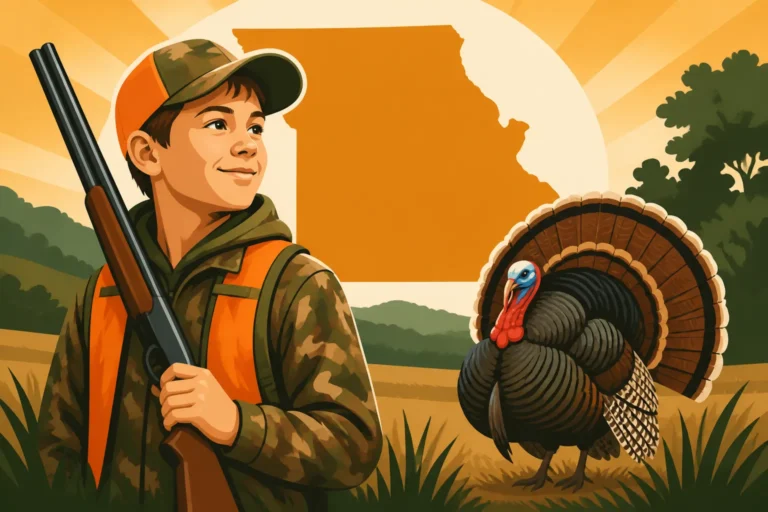
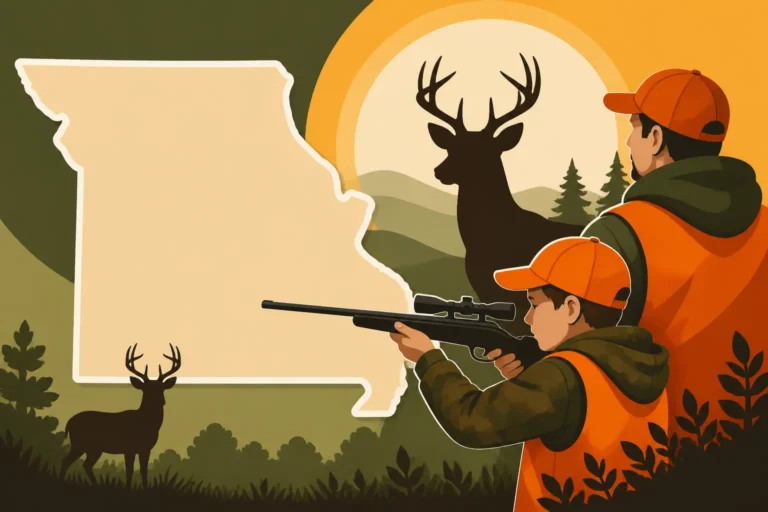
Beyond the general managed hunts, Missouri offers several special opportunity hunts tailored to specific groups or management goals. Missouri Youth Deer Permits are a fantastic example, with dedicated youth-only managed hunts designed to provide a safe and positive introduction to hunting for younger generations. These hunts often have higher success rates due to reduced pressure and specific guidance, fostering a love for the outdoors.
Archery-only managed hunts are another popular option, offering a quieter, often more challenging experience for bowhunters. These hunts can be particularly appealing during the Bowhunting Through the Missouri Firearms Portion when other areas are buzzing with rifle hunters. By limiting weapons to archery equipment, these hunts help maintain a specific hunting experience and may even be used to manage deer in areas where firearms use is restricted. Additionally, the MDC occasionally implements special hunts focused on Chronic Wasting Disease (CWD) management, often in affected counties, to help control the spread of the disease. These hunts might involve increased antlerless harvest or mandatory CWD sampling, playing a crucial role in herd health.
Scouting and Preparation for a Managed Hunt
Drawing a managed hunt tag is just the first step; effective scouting and preparation are what really set you up for success. Because these hunts are often on specific, limited-access areas, dedicated pre-season scouting is invaluable. You won't have the luxury of years of personal experience on these tracts, so you'll need to hit the ground running. Start by studying maps – topographical maps and aerial imagery are your best friends. Identify potential bedding areas, food sources, and travel corridors. Tools like the Missouri Conservation Atlas can be incredibly helpful for this initial research, offering detailed maps of many managed hunt locations.
Once you have a general understanding of the terrain, if allowed, try to physically scout the area. Look for fresh deer sign, rub lines, scrape lines, and well-used trails. Pay attention to how deer might move between different habitat types. Consider how the limited number of hunters might influence deer movement compared to heavily pressured public land. You might even use trail cameras if permitted on the specific managed area. Being prepared with your gear, knowing the exact boundaries, and having a plan for field dressing and cooling your deer, especially if drawn for an early-season hunt, will significantly increase your chances of a successful and enjoyable experience.
Maximizing Your Chances and What to Expect
While the draw system for Missouri's managed deer hunts relies heavily on luck, there are definitely ways to stack the odds in your favor and ensure you're fully prepared if your name is called. It's about smart application, thorough preparation, and understanding the specific rules.
Strategies for a Successful Application
Since Missouri's system is primarily a random draw without preference points, the most straightforward strategy for increasing your chances is to apply to more hunts. If you're flexible with dates and locations, applying to multiple hunts across different parts of the state can significantly increase your statistical probability of drawing at least one tag. Don't just focus on the most popular, high-profile hunts; consider applying to less-known areas or hunts that might have slightly higher draw odds. Sometimes, an antlerless-only hunt on a smaller area might have much better odds than a trophy-buck hunt on a large, well-known conservation area.
Another strategy, if applicable, is applying with a group for hunts that allow it. While this doesn't increase your individual odds of an application being drawn, it ensures that if your group's application is selected, everyone in your party gets to hunt together. Make sure everyone in the group has the appropriate Missouri Archery Deer Permits and Tags or firearms permits needed. Finally, always double-check your application for any errors. A simple mistake can lead to disqualification, and that's a frustrating way to miss out on an opportunity you've been hoping for.
Rules and Regulations on Managed Hunt Areas
One of the most critical aspects of participating in a managed hunt is understanding and strictly adhering to the specific rules and regulations for that particular area and hunt. These rules often go beyond general statewide hunting regulations. For instance, while Missouri Hunter Orange Rules mandate specific square inches of orange during firearms seasons, a managed hunt might have even stricter requirements or specify periods when it's not needed (like during archery-only hunts). Some areas might have specific check-in and check-out times, or mandate reporting requirements beyond the general Telecheck Requirements After a Harvest.
| Hunt Type | Typical Permit Required | Common Weapon Restrictions | Primary Objective | Scouting Access |
|---|---|---|---|---|
| Firearms Deer | Resident/Non-resident Deer | Rifles, shotguns, muzzleloaders | Population control, general harvest | Often limited, check area rules |
| Archery-Only | Resident/Non-resident Archery | Bows, crossbows | Quality experience, antlerless harvest | Generally more open, but verify |
| Youth Deer | Youth Deer | Firearms, archery | Introduce youth, antlerless harvest | Check area rules, often guided/assisted |
| Alternative Methods | Resident/Non-resident Deer | Muzzleloaders, air rifles, handgun | Extended opportunity, population control | Similar to firearms, verify specific rules |
| Antlerless-Only | Antlerless Deer | Varies (firearms/archery) | Doe harvest, herd balance | Similar to general hunts, verify |
Many managed areas have strict rules about vehicle access, the use of ATVs, and even where you can place blinds or treestands. Some might prohibit the use of screw-in steps or require stands to be removed daily. Ensure you have your Hunter Education Requirements fulfilled, as this is a fundamental requirement for most hunting in Missouri. The exact rules for your specific managed hunt will be included in the permit packet or clearly outlined on the MDC website's managed hunt section. Read them thoroughly, as violations can lead to serious penalties and loss of hunting privileges.
What to Do if You Get Drawn
If you're one of the lucky few to draw a managed hunt tag, the real work (and fun!) begins. First, carefully review all the information provided by the MDC. This will include your hunt dates, specific location details, and any unique rules or regulations that apply to that particular hunt area. Confirm what specific Missouri deer permits and how to buy one you need if you haven't already purchased them, as sometimes an additional permit might be required on top of the managed hunt access.
Next, start your detailed scouting and planning. This might involve reviewing maps, walking the property (if allowed), and considering treestand or ground blind locations. Think about your entry and exit routes to minimize disturbance. Pack your gear carefully, ensuring you have everything you need for the specific conditions and duration of the hunt, from appropriate clothing for cold weather sitting strategy to your preferred optics setup. Most importantly, be flexible. Wildlife is unpredictable, and even the best-laid plans can change. Embrace the unique challenge and privilege of hunting a managed area, and enjoy the experience!
Disclaimer
This guide is intended for informational purposes only and is not a substitute for official regulations. All hunters are responsible for reviewing and complying with the latest Missouri Department of Conservation (MDC) hunting regulations and area-specific rules before participating in any hunting activity. Seasons, limits, and regulations are subject to change. Always consult the current MDC Wildlife Code and relevant area brochures.