Layout Blinds in Harvested Fields
There’s nothing quite like the feeling of watching a flock of geese circle, their wings catching the morning light, only to disappear completely as they commit to your spread. But for many hunters in Missouri, that feeling is often overshadowed by the frustrating reality of trying to hide in wide-open, harvested fields. Where do you find cover when the corn is gone, the beans are off, and it’s just you and a sea of stubble? This comprehensive guide is here to tackle that exact challenge, breaking down how layout blinds are your absolute best friend for disappearing into those barren landscapes and bringing game right into your lap.
The Unseen Hunter: How Layout Blinds Conquer Open Fields
Missouri's agricultural landscapes are a treasure trove for waterfowl and even some upland game and predators, but they present a unique challenge for hunters: the lack of natural cover. After the combine rolls through, those towering stalks of corn and dense bean fields are reduced to nothing more than a sparse stubble field. This dramatic change in habitat can leave hunters feeling exposed and at a major disadvantage, but layout blinds offer a brilliant solution to this persistent problem.
Why Natural Cover Isn't Enough
Imagine a vast expanse of cut corn, stretching as far as the eye can see under a crisp autumn sky. A lone hunter, dressed in camouflage, trying to sit up against a few scattered stalks is as obvious as a billboard. The problem isn't just about what you can see, it's about what the sharp eyes of a Canada goose or a wary coyote can spot from hundreds of yards away, or even worse, from high above.
The reality of What Changes After the Beans Come Off or when the corn is harvested is that the landscape literally flattens out. There are no thickets, no dense timber edges, often not even enough fence rows to provide a significant break in your silhouette. Birds, especially, have an incredible vantage point from the air. Any unnatural lump, shine, or movement instantly puts them on high alert, causing them to flare off before they ever come into shooting range. This is a common and incredibly frustrating scenario for hunters trying to make the most of those prime field feeding opportunities. You’ve scouted, you’ve found the birds, but getting close enough for a shot without being detected feels impossible.
The Layout Blind Advantage
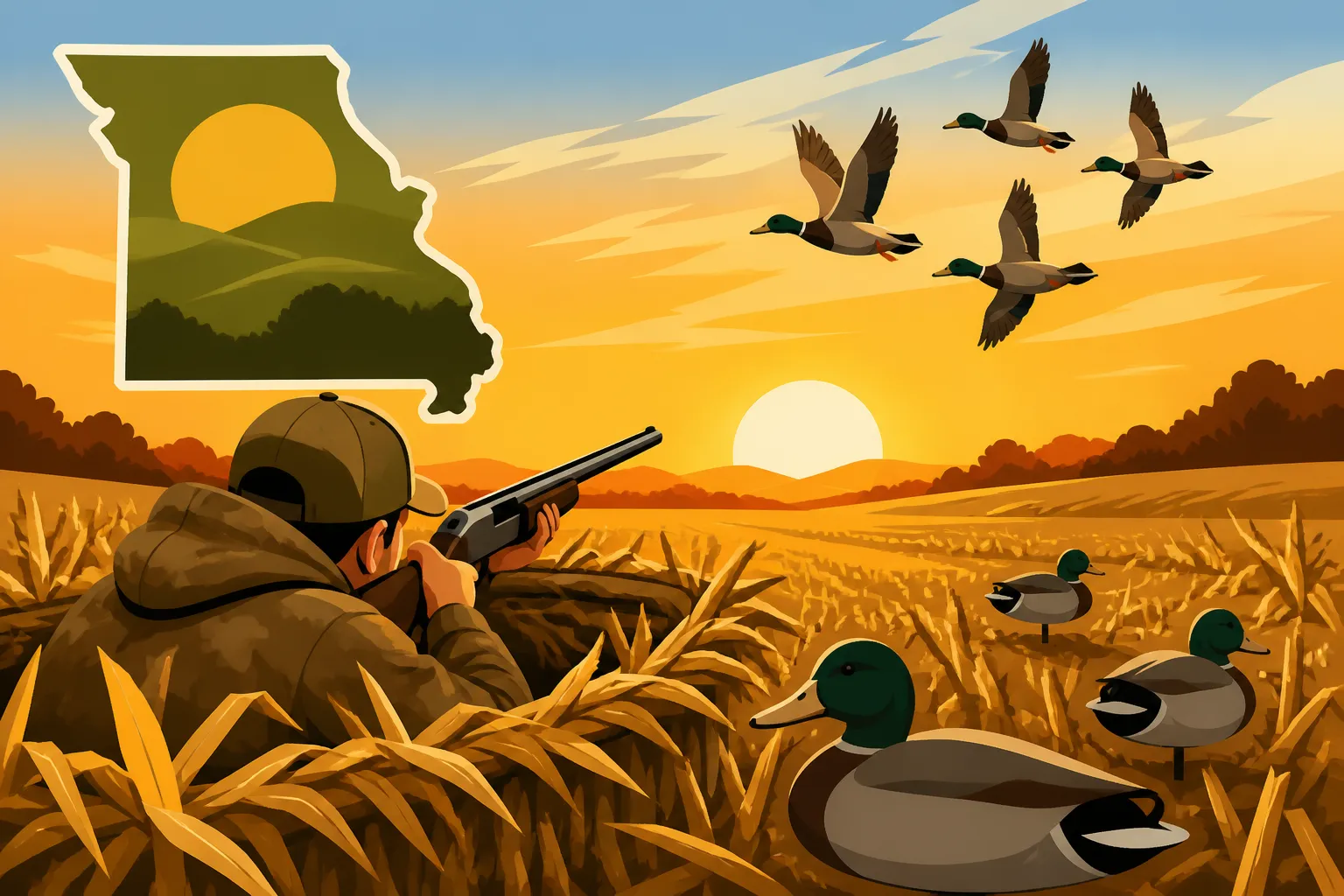
This is precisely where layout blinds shine. These ingenious pieces of hunting gear are designed to make you virtually disappear into the terrain. Instead of trying to hide behind something, you're essentially hiding within the field itself. A layout blind is a low-profile, coffin-like structure that allows you to lie down almost completely flat on the ground. Your head is slightly elevated, giving you a clear view of the sky and your decoy spread, but from the perspective of an approaching bird or animal, your profile is incredibly minimal.
Think about it: when a flock of mallards or a lone coyote is scanning the ground, they're looking for upright, human-shaped objects. By flattening yourself out, you're breaking that recognizable silhouette entirely. The blind itself is typically covered in camouflage patterns designed to mimic stubble, dirt, or whatever the surrounding field material might be. Once brushed in effectively with local vegetation – more on that later – a quality layout blind becomes almost indistinguishable from the natural contours and debris of the field. You're no longer trying to hide from the field; you're becoming part of it. This ability to get truly "under" the birds' flight path or below the line of sight for ground predators is the game-changing advantage that layout blinds bring to hunting in open agricultural lands.
Choosing and Preparing Your Field Setup
Getting set up properly with a layout blind isn't just about plopping it down in a field. It requires careful consideration of the blind itself, extensive scouting, and strategic positioning to maximize your chances of success. It's about blending in so completely that the game never even knows you're there.
Selecting the Right Layout Blind for Missouri
When it comes to layout blinds, you’ve got options, and choosing the right one can make a big difference in your comfort and concealment. Most blinds fall into a few categories:
- Frame Blinds: These have an internal aluminum or steel frame that gives them their structure. They're typically more robust, offer better protection from the elements, and often have more internal room. Brands like Avery, Final Approach, and Rogers Sporting Goods offer excellent frame blinds. They can be a bit heavier to carry across a muddy field but provide superior comfort and durability.
- Frameless/Backpack Blinds: These are lighter and more collapsible, often resembling a large, heavily padded bag that you lie inside. They sacrifice some rigidity and internal space for portability. They’re great if you're Run-and-Gun Turkey Tactics in the Missouri Ozarks but in this case, for waterfowl, you're likely setting up and staying put for a while.
- Decoy Blinds: Some specialty blinds are designed to look like giant goose or duck decoys from the outside. These can be incredibly effective but might limit your movement and visibility.
Consider the camo pattern carefully. If you're primarily Hunting Missouri Standing Corn and Beans, a corn stubble pattern will be ideal. For recently cut soybean fields, a lighter, drier stubble pattern or even a dark dirt pattern will blend better. Many hunters buy "grassing straps" or loops on their blinds to weave in local vegetation. This is crucial for breaking up the outline.
Features to look for include good back support (you'll be lying there for hours!), flag ports for working ducks or geese with flags, sufficient room for your gun and calls, and an easy-open door system for quick shooting opportunities. Don't be afraid to try out a few at a sporting goods store if possible. While many brands like Avery and Final Approach offer great options, it's always smart to check out reviews and features. You might even consult resources like GoHunt to see what's trending or recommended for specific field conditions and species.
Scouting and Positioning Your Blind
This is perhaps the most critical step. You can have the best blind in the world, but if it's in the wrong spot, you're just a very well-hidden, uncomfortable hunter. Effective Scouting Missouri Public Land Before Season is paramount. You need to know where the birds are feeding, where they're flying, and what routes they prefer.
Start by Reading Roost-to-Field Flight Lines. Watch where birds leave their roosts in the morning and where they fly to feed. In the evening, observe their return paths. This will give you crucial insights into preferred entry and exit routes for the fields.
Here's a quick checklist for positioning:
| Consideration | Why it Matters |
|---|---|
| Wind Direction | Waterfowl almost always land into the wind. Position your blind so birds approach your decoys with the wind at their backs, putting them right in front of you. |
| Sun Position | Avoid having the sun directly in your eyes during prime shooting hours. Also, try to keep the sun off your blind's shiny surfaces to prevent glare that spooks birds. |
| Field Contour | Look for natural depressions, small rises, or even low spots where water might collect. These slight variations can help break up your blind's outline naturally. |
| Proximity to Cover | A fencerow (Hunting a Missouri Fencerow Between Fields), a lone bush, or the edge of an unharvested section can sometimes provide a subtle break to set your blind near. |
| Traffic Patterns | For predator hunting, consider common travel corridors, pinch points, or areas where coyotes might cross a field, often near draws or field edges. |
| Hunter Traffic | On public land, try to find spots that other hunters overlook or are too lazy to walk to. You might find success simply by walking an extra 400 yards from the parking lot. |
Don't be afraid to move your blind if the birds aren't cooperating. What looked good on paper might not be what the birds are doing that day. Flexibility is key.
Mastering Concealment and Decoy Spreads
Once you've chosen your blind and scouted your spot, the real art of field hunting begins: making yourself utterly invisible and convincing game that your spread is the most inviting place in the world. This is where attention to detail truly pays off.
Blending into the Landscape
This is hands-down the most important step after selecting your location. A layout blind, no matter how well camouflaged, will stick out like a sore thumb if it's not properly brushed in.
- Gather Local Vegetation: Before you even set up your blind, take a few minutes to gather plenty of local stubble, corn stalks, dried weeds, or whatever plant material is abundant in the immediate vicinity. Don't be stingy; you'll always need more than you think.
- Weave it In: Most quality layout blinds have loops or straps specifically for this purpose. Weave the gathered vegetation into these loops. The goal is to break up the hard lines and shape of the blind, making it look like just another clump of natural debris in the field. This is especially important for Layout Blinds for Missouri Cut Fields. For corn fields, using corn stalks is obvious. For What Changes After the Beans Come Off, you'll be looking for drier, shorter stubble.
- Cover Every Inch: Pay close attention to the edges and any areas where the blind's fabric might be exposed. Look for spots that might cast a shadow that could give away the blind's shape.
- Minimize Your Profile: Once inside, keep all your gear tucked away. Nothing should be sticking out or creating an unnatural shape. Your gun should be laid flat, calls in your pockets or a small bag. Absolutely no shiny objects should be visible – this means no exposed watch faces, jewelry, or reflective surfaces on your gear.
- Personal Camouflage: Your face and hands are often the only parts of you exposed when the blind opens. Always wear a full face mask or use face paint, and wear dark gloves. Even a slight glint of skin can spook game.
- Be Still: This seems obvious, but it's worth repeating. Unnecessary movement, especially when birds are circling or predators are approaching, is the fastest way to blow your cover. Learn to make minimal movements, only when absolutely necessary and when game is not looking directly at your position.
Effective Decoy Spreads for Fields
Your decoy spread is the magnet that pulls game into range. For waterfowl, especially geese in Missouri's rich agricultural regions, your spread needs to look natural and inviting.
-
Goose Spreads: When Setting a Goose Spread in Cut Corn, a common and effective tactic is to create a "J" hook or "U" shaped spread. The main body of the spread forms the "J" or "U," with the open end of the shape facing into the wind. This creates a natural landing zone directly in front of your blinds.
- Numbers: For Field Hunting Geese in North Missouri, more decoys are often better. Geese are social, and a large flock looks safe and appealing. You don't necessarily need hundreds, but 3 to 5 dozen can be a good start.
- Types: Mix full-body decoys with shells and silhouettes to add depth and variety. Full bodies offer realism, while shells and silhouettes are lighter and easier to transport, allowing for larger spreads.
- Motion: Incorporate some motion. Flagging can be incredibly effective when birds are distant, mimicking the movement of feeding geese. Some hunters use spinning wing decoys for ducks or wind-activated decoys for geese, but be mindful of how pressured the birds are. Overused motion can sometimes spook wary birds.
- Blinds as Part of the Spread: Position your layout blinds within or along the edge of your spread, never isolated. Make them appear as another feeding goose or clump of cover.
-
Predator Decoys: For Coyote Calling in Missouri Farm Country, a single, small decoy like a rabbit or a bird can be incredibly effective. The visual stimulus, combined with your calling, can be irresistible. Position it 20-40 yards out, directly in front of your blind, so an approaching coyote focuses on the decoy, not you.
Remember to consider the species you're targeting and their typical behavior during Missouri Goose and Snow Goose Seasons or other relevant seasons. A realistic and well-concealed spread is the difference between a successful hunt and a frustrating observation session.
Common Pitfalls and Troubleshooting
Even with the best gear and intentions, things can go sideways in the field. Knowing what to watch out for and how to adapt can save a hunt from becoming a bust. Hunters face unique challenges in open Missouri fields, and anticipating them is part of the game.
Overlooking Small Details
It's often the little things that give you away. I've seen countless hunts ruined because of a seemingly minor oversight.
- Insufficient Brushing: This is probably the number one mistake. Hunters get excited, rush their setup, and don't spend enough time weaving local vegetation into their blinds. If you can clearly see the outline of your blind, so can the game. Always step back and look at your setup from different angles, imagining you're an approaching bird or animal.
- Reflective Surfaces: A shiny shotgun barrel, the glint off a pair of glasses, or even a cell phone screen can flare birds from hundreds of yards. Make sure everything is dull, covered, or tucked away. Consider adding non-reflective tape to your gun barrel.
- Poor Entry and Exit: How you get in and out of your blind, and how you approach and leave the field, matters. If you walk directly into the field in plain sight, you're likely spooking any birds already there or alerting incoming ones. Use natural terrain breaks, walk along tree lines, or use the cover of darkness for approach.
- Neglecting Adjacent Cover: Don't just focus on the field you're in. Pay attention to Hunting Missouri Standing Corn and Beans right next door. Birds might be utilizing that cover, and understanding their movement between different field types can help you anticipate their approach.
Dealing with Uncooperative Weather and Game
Missouri weather is notoriously unpredictable, and game doesn't always read the script. You need to be ready to adapt.
- Windy Conditions: Strong winds can make layout blinds a challenge. They can become kites if not properly anchored. Most blinds come with stakes, but sometimes you need extra sandbags or even just heavy rocks to keep them from flapping or shifting, especially if you're trying to hide from wary Snow Goose Tactics in Spring. Flapping blind fabric is a dead giveaway.
- Rain and Wet Conditions: Layout blinds offer some protection from the elements, but prolonged rain can make for a miserable hunt. Ensure your blind has a waterproof bottom and consider bringing extra layers of waterproof clothing. Some hunters even put a small tarp under their blind for added insurance against ground moisture.
- Birds Flaring or No-Shows: It happens. You've done everything right, but the birds just aren't committing.
- Adjust Your Spread: Sometimes a slight change in your decoy spread's configuration or adding more motion can make a difference.
- Move Your Blind: If you're consistently getting flared from one spot, it might be time to pack up and try a new location. This is where pre-scouting multiple spots really pays off.
- Persistence: Sometimes, you just need to be patient. Bird movement can be sporadic. Keep calling, keep flagging, and stay ready.
- Re-evaluate Scouting: If you're consistently striking out, it might be time for another serious Scouting Missouri Public Land Before Season session. Are the birds using a different field? Has their pattern changed?
Platforms like GoHunt can offer valuable insights, especially when game is uncooperative. Sometimes, checking online resources or community forums can give you a heads-up on general bird patterns or predator activity in specific regions of Missouri, helping you adjust your strategy. It’s all about staying flexible and learning from every outing.
Disclaimer
Please note: Hunting regulations and seasons are subject to change. Always consult the latest Missouri Department of Conservation (MDC) regulations before heading into the field. This content is for informational purposes only and does not constitute legal advice.