Youth Turkey Weekend Rules
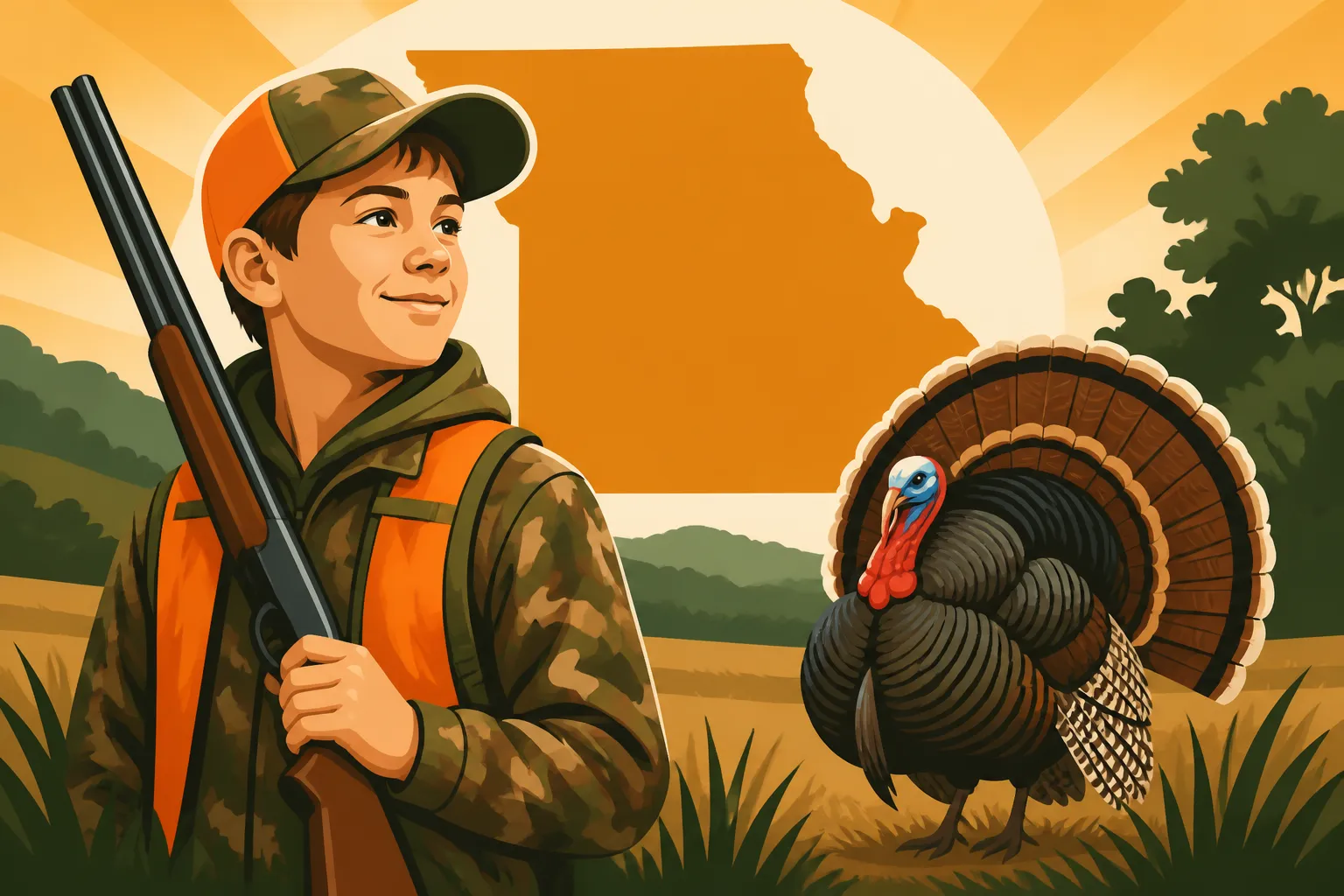
There's nothing quite like introducing a young person to the magic of turkey hunting. The early mornings, the sounds of the woods waking up, the thrilling gobble of a tom breaking the silence – it's an experience that can shape a lifetime of outdoor passion. But let's be honest, navigating all the specific regulations, especially for Missouri's Youth Turkey Weekend, can feel a bit like trying to call a stubborn gobbler across a creek. It's easy to get overwhelmed trying to make sure you've got all your ducks (or turkeys!) in a row, from permits to proper supervision. This guide is here to untangle all that, providing a clear, comprehensive look at Missouri's Youth Turkey Weekend rules so you can focus on making incredible memories with your young hunter, safely and legally.
Understanding Missouri's Youth Turkey Weekend Structure
Missouri has put a lot of thought into how we introduce the next generation to hunting, and the Youth Turkey Weekend is a shining example of that commitment. It’s more than just a couple of extra days; it’s a strategically designed opportunity to give young hunters a fantastic head start.
The "Why" Behind the Youth Opportunity
The Missouri Department of Conservation (MDC) understands that creating new hunters is vital for the future of conservation. The Youth Turkey Weekend, which typically falls the weekend before the general firearms turkey season opens, is specifically tailored to provide a less-pressured environment for young hunters. Think about it: during the regular season, the woods can feel like Grand Central Station on opening morning, with hunters scattered everywhere. By giving youth a dedicated two-day window, it significantly reduces the competition they might face from adult hunters. This intentional separation helps create a calmer, more focused experience, making it easier for mentors to teach and for young hunters to learn without the added stress of crowded public lands. It’s all about fostering a love for the outdoors, building confidence, and ensuring those first few hunting trips are positive and memorable.
Official Dates and Timing
The dates for the Youth Turkey Weekend are set each year by the MDC, but historically, you can count on it being the Saturday and Sunday immediately preceding the opening day of the regular statewide spring turkey season. This timing isn't arbitrary; it's calculated to hit that sweet spot when gobblers are often still very vocal and active, but before they've been heavily pressured by weeks of calling and hunting. For many families, this early start is a huge advantage. It gives young hunters a shot at fresh birds that haven't become "call-shy" yet, increasing their chances of success. It's a short but incredibly impactful window, so knowing those exact dates as soon as they're released is crucial for planning your spring turkey adventure.
The Learning Curve Advantage
One of the biggest benefits of this dedicated weekend is the built-in learning curve advantage it offers. For mentors, it's a chance to truly focus on teaching. You can take your time, explain scouting techniques, practice calling without feeling rushed, and talk through shot placement and turkey behavior in real-time scenarios. For the young hunter, it means less pressure to "perform" and more opportunity to absorb. They can make mistakes, ask questions, and learn at their own pace. Imagine being out there and having a gobbler respond, then being able to calmly walk your youth hunter through the setup, the shot placement, and the ethics of the harvest without other hunters encroaching. It's an invaluable experience that simply wouldn't be as effective during the often chaotic opening days of the general season. This early start fosters a deeper understanding and appreciation for the hunt, rather than just a focus on pulling the trigger.
Permit Requirements and Eligibility for Young Hunters
Before you even think about stepping foot in the timber, understanding the permit requirements for your young hunter is absolutely critical. Missouri's system is pretty straightforward once you know the ropes, but missing a key detail can ruin an otherwise perfect trip.
Who Qualifies as a Youth Hunter
In Missouri, for the purpose of the Youth Turkey Weekend, a "youth hunter" is generally defined as any person from 6 to 15 years old. This age range is fixed, so it’s important to know if your child falls within it. If they are 5 or younger, they cannot hunt. If they've already turned 16, they are considered an adult for hunting purposes and must follow all adult regulations and permit requirements, including participating in the regular spring turkey season. It's a precise window, so double-check those birthdates before you plan your trip. This ensures that the spirit of the youth weekend – offering a less-pressured experience for genuine youth participants – is upheld.
Required Permits and Where to Purchase
For any youth hunter participating in Missouri's Spring Youth Turkey Weekend, they will need a Resident or Nonresident Youth Spring Turkey Hunting Permit. This permit allows them to hunt during both the two-day youth portion and the regular spring turkey season if they choose, with specific bag limits for each. The good news is that these permits are relatively easy to acquire. You can purchase them online directly from the Missouri Department of Conservation website, through the official MO Hunting app (which is incredibly convenient), or at any authorized permit vendor, such as local bait shops, sporting goods stores, or Walmart locations that sell permits. It's always a good idea to purchase permits well in advance, just to avoid any last-minute technical glitches or long lines. You can find up-to-date information on fees, which are typically quite affordable for youth, by looking up the specific Missouri Youth Permit Prices on the MDC website. Having the permit physically on hand or readily accessible on the MO Hunting app is a must for both peace of mind and legal compliance.
Apprentice Hunter Authorization and Its Role
What if your young hunter hasn't completed a hunter education course yet? This is where Missouri's Apprentice Hunter Authorization comes into play, and it’s a fantastic program designed to allow new hunters to gain experience under direct supervision. A youth hunter with a valid Youth Spring Turkey Permit who has NOT completed hunter education can participate in the Youth Turkey Weekend, provided they are accompanied by a properly licensed, hunter-education-certified (or exempt) adult mentor who is at least 18 years old. The adult mentor must be within arm's reach of the apprentice and can only carry a firearm if they also possess their own valid spring turkey permit. This authorization removes a significant barrier for many families, allowing children to try hunting before committing to the full hunter education course. It’s a wonderful way to introduce them to the sport and see if it’s something they truly enjoy, fostering a love for hunting before the official certification is required. Just remember, the adult mentor bears a heavy responsibility to ensure safety and adherence to all regulations.
Key Rules and Regulations During the Youth Weekend
Understanding the specific rules for the Youth Turkey Weekend is paramount. These aren't just suggestions; they're legal requirements designed to ensure safety, fair chase, and sound wildlife management. Getting these wrong can lead to serious consequences, so let's dive into the specifics.
Daily and Season Bag Limits
This is one of the most important rules to grasp, as it's a common point of confusion. During Missouri's Youth Turkey Weekend, a young hunter is allowed to harvest one bearded turkey. That's it for the youth portion. If they successfully bag a gobbler on Saturday or Sunday, their youth weekend turkey tag is filled.
However, the Youth Spring Turkey Permit actually allows for a total of two bearded turkeys during the entire spring season, with specific stipulations. The first bird must be taken during the Youth Turkey Weekend. If they take a bird then, they can then harvest a second bearded turkey during the regular statewide spring turkey season. If they don't harvest a bird during the youth weekend, they can still harvest up to two bearded turkeys during the regular season, provided they don't take more than one in the first seven days of the regular season. It sounds a little like a math problem, but the key takeaway for the Youth Weekend is: one bearded bird, max. Make sure your youth hunter (and you!) clearly understands this. There's no "double-dipping" or taking two birds during that two-day youth window.
Legal Shooting Hours and Methods
For the Spring Youth Turkey Weekend, the legal shooting hours are the same as the regular season: from one-half hour before sunrise until 1:00 PM CST each day. This specific window is in place to manage hunting pressure and ensure turkeys have time to move off the roost and for hunters to get into position. It's a short window, which can make things challenging but also adds to the excitement. Always check an accurate sunrise table for your specific location, and set your watch accordingly. You don't want to get caught harvesting a bird outside of legal shooting hours.
As for legal methods, youth hunters may use:
- Shotguns: 10 gauge, 12 gauge, 16 gauge, 20 gauge, or .410 bore, using shot no larger than No. 4. Lead shot is generally allowed, but be mindful of specific conservation areas that may require non-toxic shot for all hunting, including turkey. Always check the area-specific rules.
- Archery Equipment: Including traditional bows, compound bows, and crossbows. Broadheads must have a minimum width of 7/8 inch.
Make sure the youth's firearm or archery equipment is appropriate for their size and strength, and that they can safely and accurately handle it. Safety is always the top priority.
Mandatory Adult Supervision Guidelines
This is perhaps the most critical rule for the Youth Turkey Weekend. All youth hunters (ages 6-15) must be accompanied by a properly licensed, adult mentor who is 18 years of age or older. This adult mentor is responsible for ensuring the youth's safety and adherence to all regulations.
Here's the crucial part about the adult mentor's license:
- The adult mentor must possess all required permits to hunt small game (e.g., a Small Game Hunting Permit, or a combination Hunting and Fishing Permit). They must also either be hunter-education certified or exempt from hunter education requirements (e.g., born before January 1, 1967).
- Unless the adult mentor also possesses a valid Missouri Spring Turkey Hunting Permit for themselves, they are NOT allowed to carry a firearm or bow. This is a frequent point of confusion and a common violation. If you, as the adult mentor, want to carry your own shotgun or bow, you must have your own valid turkey permit, even if you don't intend to hunt yourself. You're effectively in the field as a licensed hunter.
The adult must be in a position to take immediate physical control of the hunting device and to provide immediate assistance. This usually means being within arm's reach of the youth. This isn't just about legality; it's about safety. An adult mentor's constant presence and guidance are invaluable for teaching proper gun handling, ethical decision-making, and responsible hunting practices. Remember, your role isn't just to supervise, but to educate and model good behavior in the field.
Preparing for a Successful and Safe Youth Turkey Hunt
A truly successful youth turkey hunt isn't just about bagging a bird; it's about the entire experience, the lessons learned, and the memories made. Careful preparation is the foundation for all of that.
Pre-Season Scouting with Young Eyes
Scouting isn't just for adults; it's a fantastic way to involve your youth hunter and build their excitement. In the weeks leading up to the season, take them into the woods. Look for turkey sign: tracks, droppings, scratch marks in the leaves where they've been feeding, and shed feathers. Show them how to identify different types of trees that turkeys might roost in, like large hardwoods along a ridge or creek bottom. Even better, take them out at dawn to listen for gobblers on the roost. This is an incredible way to teach them patience and the thrill of locating birds. You can even read up on Roost Hunting Missouri Gobblers together to get a better understanding of how these birds behave in the morning.
Tools like GoHunt can be incredibly helpful for pinpointing potential roosting spots or identifying prime strutting zones. Use mapping applications to show them potential travel corridors, food sources, and where you think turkeys might be. While a young hunter might not be pouring over topography lines on GoHunt, you as the mentor can certainly use it to scout electronically and then take them to those specific spots on the ground to confirm. This hands-on, pre-season work builds anticipation and teaches them valuable skills that extend far beyond just pulling a trigger.
Essential Gear for Comfort and Safety
Comfortable and appropriate gear can make or break a youth hunting experience. A cold, wet, or uncomfortable child isn't going to have a good time, no matter how many gobblers are sounding off.
- Clothing: Dress in layers. Spring mornings in Missouri can be chilly, but by midday, it can be quite warm. Good camouflage that blends with the spring woods is essential. Look for lightweight, breathable fabrics. Consider rain gear, even if the forecast looks clear; Missouri weather is famously unpredictable.
- Footwear: Comfortable, waterproof boots are non-negotiable. There's nothing worse than wet, cold feet.
- Safety Gear: Eye and ear protection are paramount, even during the hunt itself. A shotgun blast is loud, and protecting hearing is crucial for a lifetime of enjoying the outdoors.
- Turkey Vest: A youth-sized turkey vest is a game-changer. It allows them to carry their own calls, water, snacks, and provides a comfortable seat cushion for those long sits. Check out options that include an integrated seat, making it easier for them to sit still comfortably in the woods.
- Small Backpack: For snacks, water, a small first-aid kit, and any extra layers.
- Bug Spray: Ticks and mosquitoes can be relentless in the Missouri spring. Permethrin-treated clothing and a good skin repellent are key.
- Appropriate Weapon: Ensure the shotgun (or bow) fits the youth hunter. A gun that's too heavy or has too much recoil will be difficult to manage safely and accurately. Consider lighter loads or a .410 or 20-gauge for smaller hunters. Patterning the shotgun with the youth well before the season is essential to confirm point of impact and recoil comfort.
Teaching Ethical Hunting and Wildlife ID
Hunting is about so much more than just pulling a trigger. The Youth Turkey Weekend is the perfect time to instill a strong ethical foundation.
- Target Identification: Emphasize identifying a bearded bird before even thinking about a shot. Distinguish between hens, jakes, and mature gobblers. Teach them to look for the beard, the colored head, and the fanned tail. A quick review of a turkey's anatomy can help.
- Shot Placement: Discuss where to aim on a turkey (head and neck for shotguns, vitals for archery) for a quick, humane harvest. Practice this with a target.
- Fair Chase: Talk about the principles of fair chase – not taking unfair advantages, respecting the animal, and only taking clean, ethical shots within their capabilities.
- Patience and Respect: Teach them that hunting often involves long waits and that sometimes, you simply don't get a shot. The experience of being in nature is often the greatest reward.
- Field Dressing Basics: Involve them in the process of field dressing their bird, if successful. This teaches them respect for the animal and the source of their food. It’s also a practical skill that connects them directly to the harvest.
Common Questions and Troubleshooting for Youth Hunters
Even with all the preparation, unique situations and questions are bound to pop up. Here are some common scenarios and how to navigate them during the Youth Turkey Weekend.
What If a Young Hunter Bags Two Birds?
Let's revisit this crucial point: During the two-day Youth Turkey Weekend, a youth hunter is ONLY allowed to harvest one bearded turkey. If a youth hunter takes two birds during that specific weekend, the second bird is illegally harvested, and the consequences can be serious. This isn't just a slap on the wrist; it can lead to fines, permit revocation, and even loss of hunting privileges.
It's vital for the adult mentor to reinforce this rule clearly and often. The moment a youth hunter successfully harvests their first bearded bird during the youth portion, their tag for that portion is filled. They can still participate in the regular season (if they choose), but they cannot harvest another bird during the Youth Turkey Weekend. Ensure that the permit is immediately notched and the bird is telechecked as soon as possible after harvest. This clarity prevents accidental overharvest and ensures compliance with MDC regulations.
Navigating CWD Zones and Telecheck
After a successful harvest, the next immediate step is to Telecheck the turkey. Missouri's Telecheck system is mandatory and must be completed by 10:00 PM on the same day the turkey is harvested. This is true for both the youth weekend and the regular season. You can Telecheck online through the MDC website or via the MO Hunting app. You'll need information like the permit number, the date of harvest, and the county of harvest. This process records the harvest and helps the MDC monitor turkey populations. For detailed instructions, you can refer to the Telecheck Requirements After a Harvest.
While CWD (Chronic Wasting Disease) is primarily associated with deer, it's always good practice to be generally aware of any specific sampling requirements or carcass transport rules, though these are much less common for turkeys than for deer. For turkeys, the main focus is simply to Telecheck promptly and correctly. Make sure you fill out all the necessary information accurately on the Telecheck system.
Dealing with Uncooperative Gobblers and Frustration
Let's face it, hunting is called "hunting" for a reason, not "shooting." Turkeys are wild animals, and they don't always cooperate. A young hunter can quickly become frustrated if gobblers are quiet, hang up out of range, or simply disappear. This is where your role as a mentor truly shines.
- Emphasize the Experience: Remind them of all the other amazing things they've seen and heard: the sunrise, other wildlife, the unique calls of the spring woods. The harvest is a bonus, not the sole purpose.
- Teach Patience: Hunting teaches incredible patience. Explain that sitting still and being quiet are essential skills, and that sometimes, the reward comes after a long wait.
- Problem-Solve Together: Talk through why a gobbler might have stopped coming. Was it terrain? Was the calling too aggressive? Was there other pressure? This turns a moment of frustration into a learning opportunity.
- Switch Tactics: If a spot isn't working, consider Run-and-Gun Turkey Tactics in the Missouri Ozarks or changing locations. Sometimes a fresh start, even if just moving a short distance, can re-energize a young hunter.
- Make It Fun: Bring some snacks, tell stories, play quiet games of "I Spy" while waiting. Keep the mood light and enjoyable, even if the turkeys aren't playing along. The goal is to build a positive association with hunting, even on tough days.
Teaching a young hunter to enjoy the process, regardless of the outcome, is one of the most valuable lessons you can impart. The Youth Turkey Weekend isn't just about harvesting a bird; it's about fostering a lifelong connection to the outdoors, and building character through patience and perseverance.
Disclaimer
Please note that hunting regulations, permit requirements, and season dates are subject to change. While this guide provides comprehensive information, it is essential for all hunters to consult the most current Missouri Department of Conservation (MDC) regulations before heading into the field. The MDC's official website and annual Fall and Spring Hunting Regulations booklets are the authoritative sources for all rules and laws. Always hunt safely and ethically.