Who Can Apply for a Missouri Elk Permit
The dream of drawing a Missouri elk permit is a powerful one for many hunters, a chance at a truly unique big game experience right here in the Show-Me State. But let's be honest, navigating the requirements and understanding who exactly can even throw their hat in the ring can feel a bit like trying to read a topo map without your glasses. This guide is designed to cut through that confusion, clearly outlining all the ins and outs of eligibility for Missouri's coveted elk lottery.
Establishing Residency for a Missouri Elk Permit
Before you even start thinking about what kind of rifle you'd take, the absolute first hurdle is proving you're a true blue Missouri resident. This isn't just a formality; it's a strict requirement for the elk lottery. Missouri's elk herd is a special resource, one that was painstakingly restored, and the state prioritizes its residents for this incredibly limited opportunity.
What Defines a Missouri Resident for Hunting Purposes
So, what does it mean to be a "resident" in the eyes of the Missouri Department of Conservation (MDC)? It's more than just having a mailing address here. Generally, you need to have physically resided in Missouri for at least 30 consecutive days immediately prior to applying for or purchasing any permit, with the clear intent to make Missouri your permanent home. This means things like your driver's license, voter registration, vehicle registration, and state income tax filings should all point to Missouri. If you're a student from out-of-state or you own a vacation home here but primarily live elsewhere, you likely won't qualify. The MDC is pretty serious about this, and they have the means to verify. You can find more detailed information on establishing and maintaining your status by looking into the state's rules on Missouri Resident Definition for Permits. It's always best to be crystal clear on this to avoid any heartbreak down the line.
Age Restrictions and Mandatory Hunter Education
Beyond residency, there are a couple of other key personal qualifications. While there isn't a specific age minimum to apply, anyone born on or after January 1, 1967, must have a valid hunter education certification to purchase any firearms hunting permit, and that absolutely includes an elk permit. This means taking and passing a state-approved hunter education course. It's a fantastic program that teaches safety, ethics, and conservation principles, and it's something every hunter should go through. There are options for Taking Missouri Hunter Education Online or in person, and they're well worth your time. If you're under 16, you might be able to hunt without a certification under the direct supervision of a properly licensed adult through the apprentice hunter authorization, but for something as rare and significant as an elk hunt, having your full hunter education completed is highly recommended. You can learn more about general requirements in our guide on Missouri Hunter Education Requirements.
Understanding the Missouri Elk Permit Lottery System
Once you've got your residency and hunter education squared away, you're ready to dive into the application itself. But it’s not just about filling out a form; it’s understanding the unique lottery system Missouri has in place for its highly sought-after elk permits.
When and How to Apply for an Elk Permit
The application period for Missouri's resident-only elk lottery typically opens in May and runs for about a month. This window is fairly consistent each year, so mark your calendar! You'll apply directly through the Missouri Department of Conservation's website. It's an online process, straightforward enough, but you need to make sure all your personal information is accurate and up-to-date. There's a non-refundable application fee, so be prepared for that. This fee helps fund the management of the elk herd and the lottery system itself. It's important to remember that this application fee is just to enter the drawing, not to purchase a permit outright. For specific application periods and to make sure you don't miss out, always check the MDC's official announcements or refer to resources like GoHunt which compiles application dates for various states, including Missouri. Detailed information about the exact timing can be found in our post on Missouri Elk Application Dates.
The Pure Lottery System Explained
Unlike some other states that use preference points or bonus points to give long-term applicants a better chance, Missouri's elk lottery is a pure random draw. Every eligible applicant has the same chance each year, regardless of how many times they've applied in the past. This means that whether it's your first time applying or your tenth, your name goes into the digital hat with equal weight. While this can be frustrating for those who've been applying for years, it also means a first-timer has just as good a shot as anyone else. After the application period closes, the MDC conducts the drawing, and successful applicants are typically notified in July. It’s an exciting, nerve-wracking waiting period for sure! This pure luck system means it's essential to apply every year if you want to keep your dream alive. You can read more about the specifics of this random process in our article on Missouri Elk Permit Lottery Rules.
Permit Types and Limited Opportunities
When you apply, you’ll typically be applying for either an antlered bull elk permit or an antlerless elk permit. The number of permits issued for each category is incredibly small, reflecting the careful management of a still-growing herd. For instance, in a recent year, only a handful of permits were issued for the entire state, with some designated for the general lottery and others reserved for landowners within the Core Elk Zone. The MDC sets these numbers annually based on herd health, population growth, and management goals, ensuring the sustainability of the elk population. This scarcity is what makes drawing a Missouri elk permit such a monumental achievement for a hunter.
Rules and Regulations for Missouri Elk Hunters
Getting drawn is just the beginning. There are several important rules and regulations that successful applicants, and even those just researching, need to be aware of. These aren't just suggestions; they are critical for ensuring a legal and ethical hunt, and for the continued health of the Missouri elk herd.
The Mandatory Sit-Out Period
Perhaps one of the most significant rules for successful applicants is the sit-out period. If you are lucky enough to draw a Missouri elk permit and successfully harvest an elk, you become ineligible to apply for another elk permit for a set number of years. This ensures that more residents get a chance at this once-in-a-lifetime opportunity. The specific duration of this sit-out period can vary, so always check the current regulations, but it's typically a significant amount of time – often ten years. This is a key part of the MDC's strategy to distribute these highly coveted permits fairly among the resident hunting community. Details on how long you'll have to wait can be found in our guide on the Missouri Elk Lottery Sit-Out Period.
Landowner Permits and Exemptions
While the general lottery is open to all eligible residents, there are also provisions for landowners within the designated Core Elk Zone. These specific permits are designed to provide opportunities to those who own land in the areas where the elk naturally reside and are contributing to their habitat and presence. The requirements for these landowner permits are stringent, often involving significant acreage within the Core Elk Zone. It's not simply owning a small parcel; it's about being a true steward of the land where these majestic animals roam. These landowner permits are still part of a lottery system, but they are separate from the general public drawing. This ensures that landowner participation is recognized while still maintaining the integrity and fairness of the overall elk management plan.
Chronic Wasting Disease CWD Testing and Carcass Transport
Just like with deer hunting in Missouri, Chronic Wasting Disease (CWD) is a serious concern for the elk herd. If you are fortunate enough to harvest an elk, mandatory CWD sampling and testing will be required. This is a vital step in monitoring the health of the herd and preventing the spread of the disease. You'll need to follow specific instructions for carcass transport, especially if you plan to take your harvested elk out of the immediate CWD management zone or out of the state. The MDC provides designated CWD sampling stations and clear guidelines for hunters. This is a critical responsibility for every hunter to help ensure the long-term health of Missouri's wildlife. We delve deeper into this topic in our resource on Chronic Wasting Disease in Missouri Deer.
Here's a quick overview of the essential eligibility criteria:
| Requirement | Description |
|---|---|
| Residency | Must be a legal resident of Missouri for at least 30 consecutive days prior to application, with intent to remain. (Non-residents are ineligible for Missouri elk permits.) |
| Age | No specific minimum age to apply, but a hunter education certificate is required for anyone born on or after Jan. 1, 1967, to purchase the permit. |
| Hunter Education | Required for permit purchase if born after Jan. 1, 1967. |
| Application Window | Must apply online through the MDC during the designated annual application period (typically May). |
| Application Fee | Non-refundable fee required to enter the lottery. |
| Sit-Out Period | Successful applicants who harvest an elk are ineligible to apply for a future elk permit for a specified number of years (e.g., 10 years). |
| CWD Compliance | Mandatory CWD testing and adherence to carcass transport rules are required upon harvest. |
Navigating the Odds and Managing Expectations
Let's talk turkey (or in this case, elk!). The reality of drawing a Missouri elk permit is that the odds are incredibly long. It’s a true testament to the success of the restoration project, but also a reflection of the small, carefully managed herd.
Missouri's Growing Elk Herd and Permit Numbers
Missouri's elk reintroduction program, which began with animals sourced from Kentucky, has been a remarkable conservation success story. The herd, primarily concentrated around Peck Ranch Conservation Area in the Missouri Ozarks, has grown steadily. However, it's still a relatively small herd compared to Western states, meaning the number of permits issued each year is extremely limited. Typically, only a handful of permits are drawn annually – sometimes as few as five or ten – for the entire state. This is a testament to the MDC's conservative management approach, ensuring the herd continues to thrive and expand sustainably. Because the herd is still in its growth phase, the MDC takes a very measured approach to harvest, balancing hunting opportunities with the need for continued population increase. You can track the herd's progress by reading up on How Many Elk Missouri Has and their range by exploring Missouri Elk Hunting Counties.
Analyzing Draw Statistics and Being Realistic
Given the incredibly low number of permits, the draw odds are, frankly, miniscule. Thousands of eager resident hunters apply each year for those few coveted tags. While exact odds can fluctuate slightly year to year based on applicant numbers and permits issued, it's safe to assume they are well under 1%. Resources like GoHunt often provide insights into past draw statistics, which can give you a clearer picture, but the bottom line is that luck plays a huge role. It’s important to enter the lottery with realistic expectations, understanding that many dedicated hunters apply for years, even decades, without drawing a tag. It's truly a drawing for a rare, once-in-a-lifetime opportunity, and the excitement comes from just having a chance.
Maximizing Your Chances and Staying Informed
Even with long odds, there are ways to maximize your potential opportunity and ensure you're always in the running. It’s about being prepared, persistent, and plugged into the right information sources.
Diligent Research of the Elk Zone
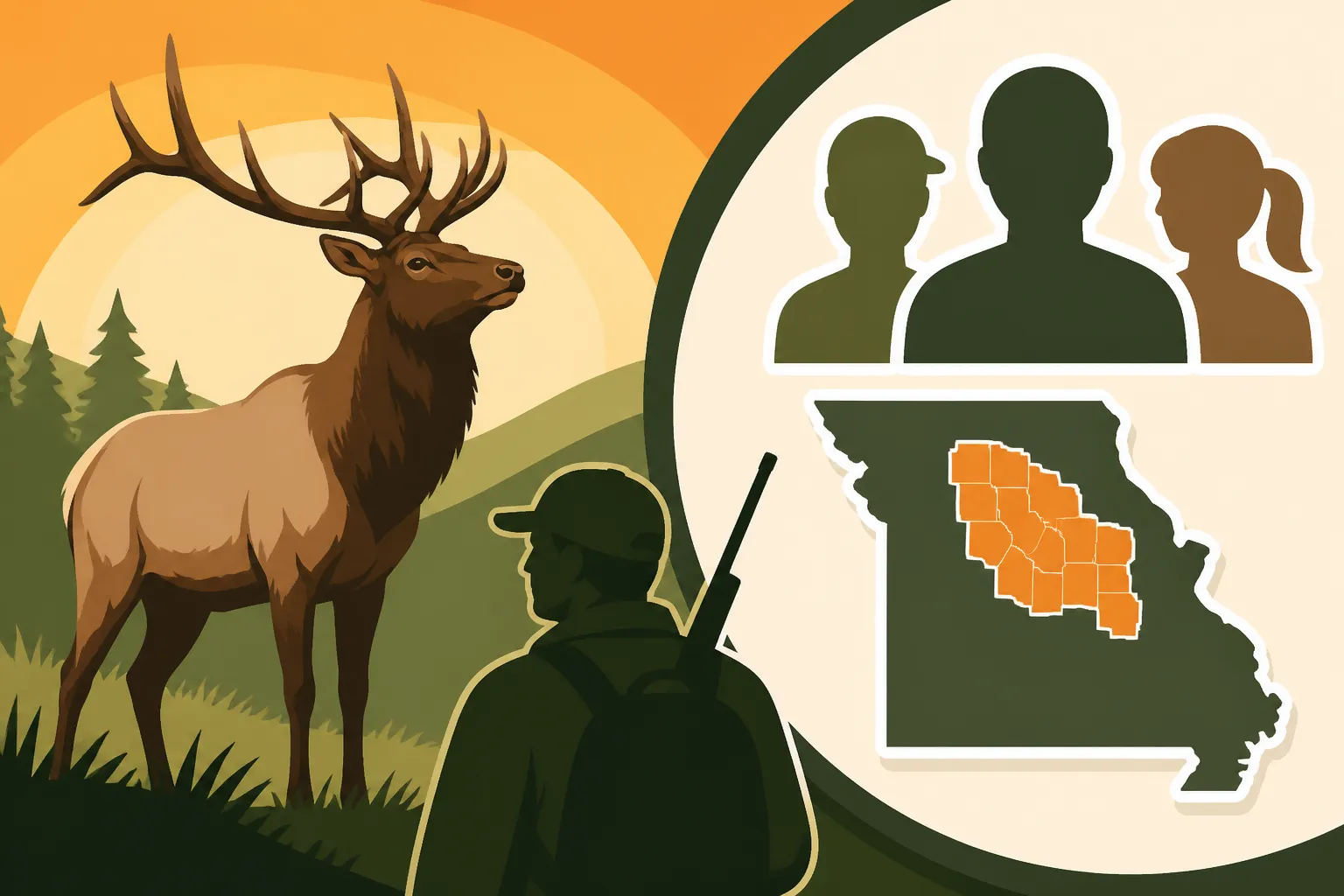
While the Core Elk Zone primarily surrounds Peck Ranch, understanding the terrain, habitat, and elk movement patterns within this region is crucial. Even if you don't draw a tag this year, familiarizing yourself with the area can provide invaluable knowledge for future applications. Researching the local geography, common food sources, and typical bedding areas will give you a significant head start if you ever do get that coveted call. Knowing the general layout of Where the Elk Refuge Boundary Sits and surrounding public lands is a great idea. Even visiting the area during the off-season to scout, hike, and observe can give you a feel for the unique challenges and beauty of hunting the Missouri Ozarks.
Consistent Application and Staying Updated
Since Missouri operates on a pure lottery system with no preference points, your best strategy for drawing an elk permit is simple: apply consistently, every single year. Don't skip a year, because that's a year you lose a chance. Make sure you're signed up for MDC newsletters and follow their social media channels to stay abreast of any rule changes, application period announcements, or updates on the elk herd. Websites like GoHunt are excellent aggregators of this information, providing timely reminders and analyses that can help you stay on top of the application process. This consistent engagement ensures you never miss a critical deadline or opportunity to be in the draw.
Preparing for the Hunt of a Lifetime
Should you beat the odds and draw an elk permit, your preparation will truly begin. Understanding what a legal bull constitutes, for example, is vital for responsible hunting. Our guide on What Counts as a Legal Missouri Bull is a great place to start your research. Even without a tag, studying elk behavior, calling techniques, and hunting strategies used in similar habitats can be incredibly beneficial. Think about the gear you'd need for this demanding hunt: durable boots for rugged terrain, reliable optics for spotting, and a capable rifle setup for Missouri's unique hunting environment. It’s a massive undertaking, and being mentally and physically prepared is just as important as the draw itself.
Disclaimer
Please remember that hunting regulations can change. Always consult the most current Missouri Department of Conservation (MDC) regulations and permit information before planning any hunting trip. This guide is for informational purposes only and should not be considered a substitute for official MDC resources.