Missouri Elk Permit Lottery Rules
Oh, the Missouri elk lottery! For so many of us, it’s a yearly ritual, a hopeful dream whispered into the digital ether of the Missouri Department of Conservation (MDC) website. The challenge isn't just drawing a tag; it's understanding the nuances of how the system works, who's eligible, and what it truly takes to chase one of these magnificent animals in the Show-Me State. This guide is here to pull back the curtain on the Missouri elk permit lottery rules, breaking down every detail so you can navigate the application process with confidence and clarity.
Understanding Missouri's Elk Restoration and Hunt
Missouri’s elk hunting season is a relatively new phenomenon, born from years of dedicated conservation efforts to bring these majestic animals back to the Ozarks. It's not just about throwing tags out there; it’s a carefully managed program designed to ensure the long-term health and growth of the herd.
A Brief History of Missouri's Elk Herd
Rewind a couple of centuries, and elk roamed freely across Missouri, a vital part of the state's natural landscape. Sadly, overhunting and habitat loss in the late 1800s led to their complete disappearance from our state. For decades, the thought of wild elk bugling in Missouri timber was just a historical footnote. But thanks to visionary conservationists, that began to change. In 2011, the MDC began a monumental project, reintroducing 108 elk from Kentucky into the remote forests of the Missouri Ozarks. Specifically, the animals were released in an area encompassing parts of Carter, Shannon, and Reynolds counties, centered around the Peck Ranch Conservation Area.
It wasn't an overnight success story, but through careful management, monitoring, and public support, that small group of reintroduced elk slowly began to thrive. They faced challenges, of course, like adapting to new territory and navigating the existing wildlife landscape, but the herd has grown, a testament to the resilience of nature and the dedication of the MDC and its partners. Today, the herd continues to expand its range, offering a glimpse into what Missouri's wilderness once was. If you're interested in the broader picture, you can learn more about Elk in the Missouri Ozarks and the incredible journey these animals have made.
The Philosophy Behind Limited Elk Hunting
When you look at the limited number of tags available each year, it's easy to feel disheartened, but it’s crucial to understand the "why" behind it. The primary goal of the MDC's elk program isn't simply to provide hunting opportunities, though that's a welcome byproduct. It’s fundamentally about conservation and establishing a healthy, sustainable wild elk population in Missouri. Because the herd is still relatively young and growing, hunting pressure must be extremely carefully controlled.
The limited tags ensure that the harvest doesn't outpace the herd's ability to reproduce and expand. This careful balance prevents overharvesting, maintains a healthy age structure within the herd, and allows for natural dispersal into new areas. It's a long-term game, and every decision, including the number of permits issued, is made with the future of Missouri's elk in mind. Hunters who participate in the lottery, and especially those lucky enough to draw a tag, become active partners in this ongoing conservation success story, contributing data and resources that help manage the herd for generations to come.
Eligibility and Application Process for the Elk Lottery
Getting your name into the hat for a Missouri elk permit is the first critical step, but it’s not as simple as just clicking a button. There are specific requirements and a precise process you need to follow to ensure your application is valid.
Who Can Apply for a Missouri Elk Permit
This is perhaps the most critical piece of information for aspiring elk hunters: Missouri's elk lottery is strictly a resident-only affair. This means you must meet the MDC's definition of a bona fide Missouri resident to even be considered. Typically, this involves living in the state for a certain period (usually at least 30 consecutive days before applying) and demonstrating residency through things like voter registration, driver's license, and other official documentation. It’s a common frustration for out-of-state hunters who might be passing through or own land here, but the MDC's priority is to provide this unique opportunity to the citizens who directly fund its conservation efforts through sales tax and permit purchases. So, if you're wondering Can Nonresidents Hunt Missouri Elk?, the answer, for now, is no.
Beyond residency, applicants generally need to be at least 11 years old to apply, though they must be 12 by the start of the hunt portion for which they're drawn. You also need to have successfully completed a hunter education course or be exempt from it (for example, if you were born before January 1, 1967, or are hunting under an apprentice hunter authorization). These are standard requirements for most big game hunting in Missouri, designed to ensure safety and responsible hunting practices. The MDC outlines all these specifics clearly on its website, so always double-check the current regulations before you apply to make sure you tick all the boxes. For a more detailed breakdown, check out Who Can Apply for a Missouri Elk Permit.
The Application Window and Key Dates
Missing the application deadline is a heartbreak many hunters have experienced across various draw systems, and the Missouri elk lottery is no exception. The application window is typically quite specific and usually occurs in the spring. For instance, in recent years, the application period has often opened in May and closed by the end of July. These dates can shift slightly year to year, so you absolutely must confirm them on the official MDC website as soon as they are announced. Mark your calendar, set reminders on your phone, and tell your hunting buddies to nag you!
The draw itself usually takes place sometime in August, with notifications going out shortly after. It's a period of intense anticipation for thousands of hunters across the state. Staying on top of these dates means you won't miss your shot at that once-in-a-lifetime opportunity. Don't rely on word of mouth; always go straight to the source. The MDC's website and their MO Hunting app are your best friends here. For current and historical timelines, you can often find specific details on Missouri Elk Application Dates.
Navigating the Application Platform
Applying for the Missouri elk lottery is primarily an online process through the MDC's permit sales system. It’s generally user-friendly, but like any online portal, it can have its quirks. You’ll need to have an active MDC account, which many hunters already have for buying deer or turkey permits. If you don't, you'll need to create one, providing your personal information, residency details, and hunter education certification.
Once logged in, you'll find the option to apply for the elk lottery. The system will guide you through confirming your eligibility and making your selection for the permit type (bull or antlerless, though typically only general bull permits are offered for the main hunt). You'll then proceed to payment for the application fee. It's crucial to double-check all your information before final submission, as errors can invalidate your application. There's nothing more frustrating than realizing a simple mistake cost you a chance at a tag. The application process also involves a non-refundable application fee, which helps cover the administrative costs of running the lottery and supports elk management efforts. This fee is separate from the actual permit cost if you are drawn. It's a small price to pay for the chance, but it's important to be aware of it upfront.
Permit Types, Costs, and Lottery Mechanics
The Missouri elk lottery isn't just a simple draw; there are different permit types and a specific system that determines who gets those coveted tags. Understanding these details is key to grasping your real chances.
Understanding the Available Elk Permits
When you apply for a Missouri elk permit, you're typically applying for one of a very limited number of permits. Historically, the MDC issues only a handful of permits each year, usually between five and ten, depending on the herd's health and management objectives. These permits are overwhelmingly for bull elk, with a specific focus on areas within the primary elk zone, which includes the public land surrounding Peck Ranch Conservation Area and adjacent national forest lands. Occasionally, there might be an antlerless permit offered, but the priority is often on bull harvest to manage herd growth and provide a unique trophy opportunity.
The MDC typically designates specific hunting zones within the core elk range to distribute hunting pressure and manage the animals effectively. For instance, some permits might be for a general public land zone, while others might be specifically tied to the Peck Ranch Conservation Area itself. It's critical to pay close attention to the details of the permits offered in any given year. For a full breakdown of the incredibly limited opportunities, you'll want to review details on How Many Missouri Elk Permits Are Issued each season.
The Cost of a Dream Tag
Let's talk money, because that's always part of the equation, right? Applying for the Missouri elk lottery involves two distinct costs: an application fee and the actual permit fee if you are drawn. The application fee is relatively modest, often around $10 for residents, and it's non-refundable. This fee covers the administrative costs of running the lottery and helps fund various aspects of the MDC's wildlife management programs, including those that benefit the elk herd. Think of it as your entry ticket into the drawing.
However, if you are one of the incredibly fortunate few to draw a permit, the actual elk hunting permit itself will have a significantly higher cost. While exact figures can change, resident bull elk permits often run several hundred dollars. This cost contributes directly to the extensive management, research, and conservation efforts required to maintain a viable elk population in Missouri. It's a substantial investment, but for those who dream of hunting elk in their home state, it's considered well worth it. You can find the most current figures for the Missouri Elk Permit Cost on the MDC website each year.
How the Lottery Drawing Works
This is where the magic (or heartbreak) happens. The Missouri elk lottery is a random drawing, meaning every eligible applicant has an equal chance each year, regardless of how many times they've applied previously. Unlike some states that use a "preference point" or "bonus point" system where unsuccessful applicants accrue points to increase their odds in future draws, Missouri's system is a clean slate every year. This means whether it's your first time applying or your tenth, your odds are the same as everyone else's.
While some might find this frustrating, especially those who've applied for years without success, it also means a first-time applicant could be drawn right off the bat. It keeps hope alive for everyone! The random drawing is typically conducted electronically by the MDC after the application period closes. The process is transparent, ensuring fairness for all participants. Once the draw is complete, successful applicants are notified, and the arduous preparation for an elk hunt truly begins. It's worth noting that if you are drawn and accept a permit, there’s typically a Missouri Elk Lottery Sit-Out Period, meaning you can't apply again for a certain number of years, usually 10, to give other hunters a chance. This ensures the limited opportunity is spread around. For those wanting to dive deep into draw odds and permit statistics, resources like GoHunt often compile data that can give you a clearer picture of just how competitive this lottery is.
Post-Draw Information and Hunt Preparation
Congratulations, you drew an elk tag! Now what? The real work begins after the lottery results are announced. Getting ready for a Missouri elk hunt is a significant undertaking, requiring careful planning and preparation.
What Happens if You Draw a Permit
The moment you get that notification from the MDC that you've drawn a Missouri elk permit is surreal. For most, it's years of hoping culminating in a wave of excitement and immediate panic! First, you'll receive official communication, usually via email and possibly postal mail, detailing your permit type and what to do next. You'll then need to accept your permit and pay the full permit fee by a specified deadline. Miss this, and you forfeit your tag, which would be an absolute tragedy.
The MDC typically requires successful elk permit holders to attend a mandatory orientation meeting. These meetings are incredibly important. They cover vital information about hunt boundaries, regulations, ethical hunting practices, safety protocols, and crucial details about elk biology and behavior specific to Missouri. You'll learn about carcass transport rules, CWD sampling requirements (yes, elk are susceptible to Chronic Wasting Disease too, so monitoring is important), and other post-harvest procedures. These sessions are designed to set you up for success and ensure you're a responsible participant in this unique hunt. It’s also a fantastic opportunity to meet MDC staff and potentially other hunters who drew tags, sharing advice and excitement.
Understanding Your Elk Hunting Zone
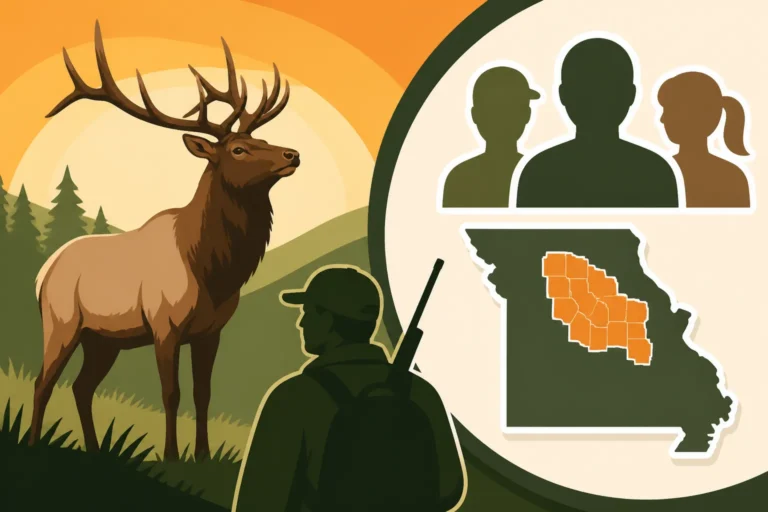
Missouri's elk hunting takes place exclusively in the designated Elk Restoration Zone, primarily within parts of Carter, Shannon, and Reynolds counties. This area encompasses a mix of Mark Twain National Forest land and the MDC's own Peck Ranch Conservation Area. If you draw a tag, you’ll be assigned to a specific zone within this larger area. It's not a free-for-all across the entire state. Understanding these Missouri Elk Hunting Counties and their boundaries is paramount.
For example, a hunter might draw a permit for a general public land zone, giving them access to thousands of acres of national forest. Another might be drawn for a specific hunt within the more controlled environment of Peck Ranch. Each zone presents its own challenges and opportunities. This is where your pre-season scouting truly begins. You'll want to pore over maps, looking at topography, water sources, bedding areas, and potential travel corridors. Utilizing tools like the Missouri Conservation Atlas or even digital mapping platforms like GoHunt can be invaluable for pinpointing specific features in your assigned zone. Understanding the habitat and terrain of the Ozarks is crucial, as elk will often utilize the thick cover and steep draws for security.
Key Dates and Regulations for Elk Season
Unlike the sprawling, multi-week deer seasons, Missouri’s elk season is incredibly short and precise. It typically consists of two brief, separate hunt portions: one in the fall (often in October) and another later in the year (sometimes in December). Each portion might only be a few days long, adding to the intensity and challenge of the hunt. This condensed season minimizes disturbance to the herd and concentrates harvest efforts. You absolutely cannot afford to miss these specific Missouri Elk Season Dates.
Beyond the dates, you must be intimately familiar with the specific regulations for elk. This includes legal shooting hours, permissible weapons (usually modern firearms, muzzleloaders, and archery equipment, but always confirm), and tagging requirements. For bull elk, there are also strict definitions for what constitutes a legal animal. For instance, an antlered elk must usually have at least one antler that is six inches in length or longer, or a visible antler point. This is crucial for avoiding violations and ensuring you harvest a legal animal. Always review the current year's Missouri Hunting and Trapping Regulations digest thoroughly. Knowing What Counts as a Legal Missouri Bull before you head into the woods is non-negotiable.
| Permit Type | Application Fee (Resident) | Permit Cost (Resident) | Typical Season Dates | Lottery Odds (Approx.) | Sit-Out Period |
|---|---|---|---|---|---|
| Antlered Bull Elk | ~$10 | ~$500 | Oct/Dec (short portions) | < 0.5% | 10 Years |
| Antlerless Elk | ~$10 | ~$500 | Oct/Dec (short portions) | < 0.5% | 10 Years |
Note: All fees and dates are approximate and subject to change annually by the Missouri Department of Conservation.
Maximizing Your Chances and What to Expect
Let's be real: the odds of drawing a Missouri elk permit are incredibly slim. We're talking lottery-winning odds here. But that doesn't mean you shouldn't try! Hope is a powerful thing, and understanding the system, even with long odds, is part of the hunting journey.
Improving Your Draw Odds Realistically
Since Missouri operates a truly random draw system without preference points, there's no secret formula to "improve" your draw odds in the way some other states allow. Every year is a fresh start, and every applicant has an equal chance. The only way to technically "improve" your odds is to simply apply every single year. Consistency is key. You can't win if you don't play, right? Don't get discouraged by the long odds; instead, see it as a testament to the exclusivity and conservation value of the hunt.
It’s also important to manage your expectations. Go into each application period understanding that it’s a long shot, but an exciting one. Focus on the dream, not the disappointment if you don't draw. For many, applying for the elk lottery becomes an annual tradition, a way to support elk conservation and keep that spark of possibility alive. While you can't manipulate the system, staying informed through MDC channels and using resources like GoHunt to understand historical draw data can at least give you a realistic perspective on the competition.
Preparing for a Missouri Elk Hunt
If you are one of the fortunate few to draw a permit, the real adventure begins. A Missouri elk hunt is no ordinary deer hunt. The terrain in the Ozarks, particularly around the core elk zone in Shannon, Carter, and Reynolds counties, can be rugged, steep, and unforgiving. Think dense timber, rocky hillsides, and deep hollows. Physical conditioning is absolutely paramount. You’ll be covering a lot of ground, often off-trail, and potentially packing out hundreds of pounds of meat in challenging conditions. Start a rigorous exercise regimen focused on cardio and strength months in advance.
Gear-wise, you’ll need robust equipment suitable for backcountry hunting. This means quality boots that can handle rocky, wet terrain, layered clothing to adapt to rapidly changing Ozark weather, and a solid pack capable of carrying essential supplies and, hopefully, meat. Optics are also crucial; good binoculars and a reliable rangefinder will be your best friends in spotting elk in thick cover or judging distances across wide hollows. And, of course, your rifle or bow should be sighted in and practiced with extensively. Pre-season scouting in your assigned zone, if possible, is invaluable. Understanding the local topography, potential water sources, and common bedding areas will give you a significant advantage. Even if you can't scout the specific area, researching general conditions in Peck Ranch and Missouri Elk Country can give you a head start. This hunt is a true test of a hunter's skill, endurance, and preparation, making the reward all the more meaningful.
Disclaimer
Please note that hunting regulations, permit costs, and season dates are subject to change annually by the Missouri Department of Conservation (MDC). Always consult the official MDC website and the current year's hunting and trapping regulations before participating in any hunting activities. This article is intended for informational purposes only and does not supersede official MDC guidelines.