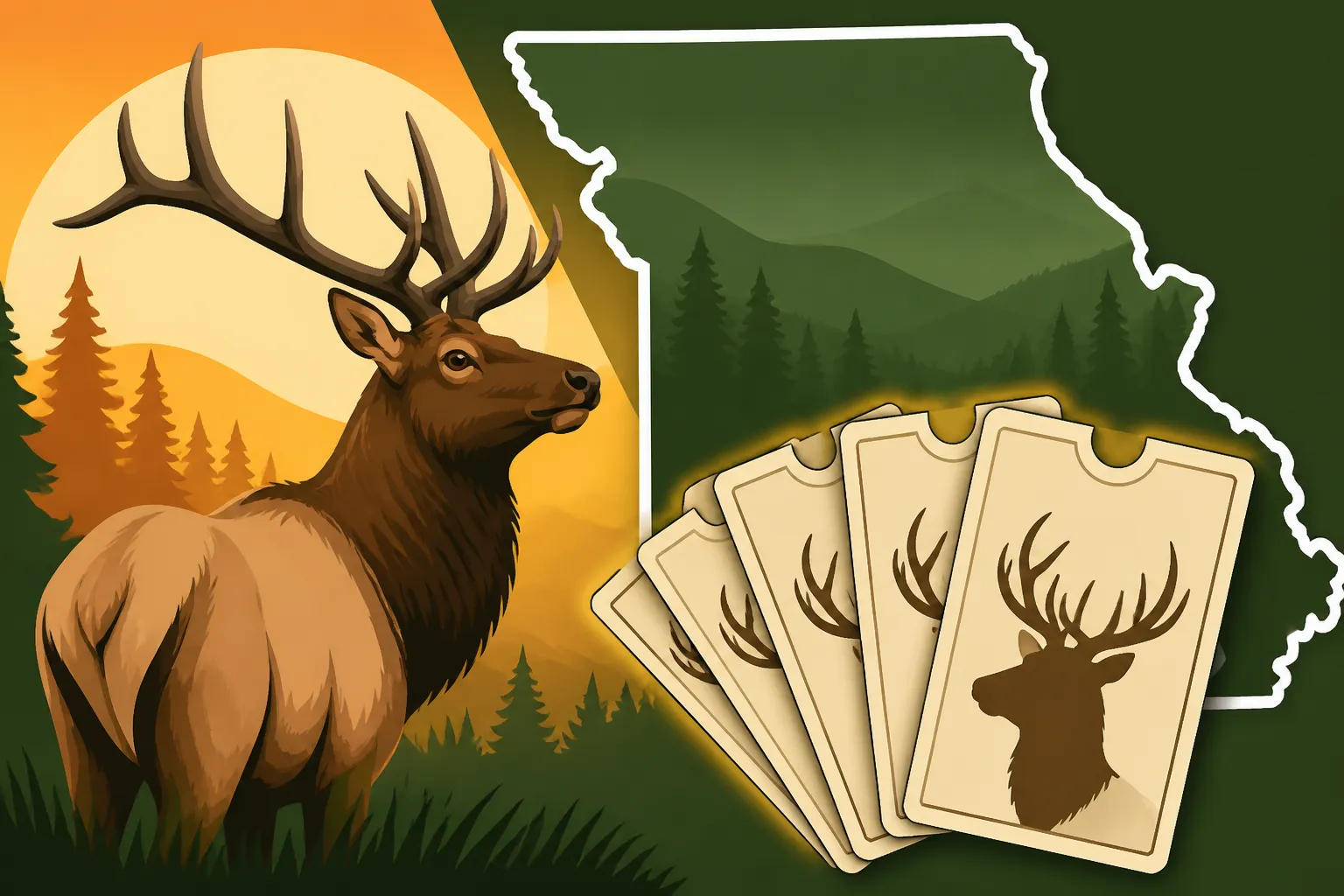
How Many Missouri Elk Permits Are Issued
It's no secret that drawing an elk permit in Missouri feels like finding a needle in a haystack – a really, really small haystack. For years, the thought of hunting elk here was just a dream, a nostalgic whisper of a time long past. Now that they're back, the excitement is palpable, but so is the frustration of knowing just how few opportunities exist. If you've ever found yourself wondering what the actual odds are or how many Missouri elk permits are issued each year, you're in the right place. This guide will pull back the curtain on the Missouri Department of Conservation's (MDC) elk permit lottery, explaining the numbers, the process, and what it truly takes to get a chance at these magnificent animals in our home state.
The Scarcity of Missouri Elk Permits and Why It Matters
Let's just be upfront: hunting elk in Missouri is a privilege reserved for an extremely select few. The sheer demand far, far outweighs the available opportunities, making the annual draw a highly competitive event. It’s easy to get discouraged when you see the odds, but understanding why these permits are so limited is key to appreciating the conservation success story behind them.
Understanding the Missouri Elk Reintroduction
To really grasp the current situation, we need to quickly look back at how elk returned to Missouri. For over 150 years, these majestic creatures were absent from our landscape, extirpated by unregulated hunting and habitat loss in the late 19th century. It wasn't until the early 2010s that the Missouri Department of Conservation undertook a monumental effort to reintroduce elk to their historic Ozark range. In 2011, the first group of wild elk, primarily from Kentucky, were released in areas like Peck Ranch Conservation Area in southeast Missouri. This was a carefully planned, multi-year project, and the initial goal was to establish a self-sustaining population of at least 500 elk. The herd has slowly but steadily grown since then, expanding its range primarily within Shannon, Carter, Reynolds, and portions of Wayne and Dent counties. It's a true testament to dedicated conservation work, and it's why we even have the conversation about hunting them today. You can dive deeper into the history by reading about Missouri's Elk Reintroduction From Kentucky.
Why Permits Are Limited
The decision to limit elk permits so drastically isn't to make life harder for hunters; it's a critical part of ensuring the long-term health and growth of the herd. When you’re bringing a species back from extinction in a region, every individual animal is precious. The MDC has a very conservative management strategy, focusing on population growth, genetic diversity, and preventing overharvest. Here are a few key reasons for the tight restrictions:
- Population Growth: The herd is still growing and expanding. While it has reached self-sustaining numbers, managers want to ensure it continues to thrive and colonize new areas naturally.
- Habitat Management: Elk require vast tracts of suitable habitat. While the Ozarks offer good potential, managing their impact on forest resources and private lands is ongoing. Limited permits help control population density in specific areas.
- Social Tolerance: Living alongside elk is a new experience for many landowners in the Ozarks. Keeping the population within manageable numbers helps minimize potential conflicts, such as crop damage or vehicle collisions, which in turn fosters positive public opinion and support for the herd.
- Scientific Monitoring: With a small, growing population, every harvest is an opportunity for MDC biologists to gather crucial data on herd health, genetics, age structure, and disease prevalence. A limited, controlled harvest allows for meticulous data collection.
Because of these factors, the MDC issues only a handful of permits each year, balancing conservation goals with the strong desire of Missouri hunters to participate in this historic opportunity.
The Annual Allocation Process for Missouri Elk
So, how does the MDC decide who gets one of these coveted permits? It’s all done through a public lottery system, designed to give every eligible resident a fair shot, albeit a tiny one. The process is transparent, but it requires hunters to pay attention to deadlines and specific rules.
Number of Permits Issued Annually
This is the big question, right? For the inaugural elk hunting season in 2020, the MDC issued five permits. Since then, the number has seen a slight increase as the herd grows.
- For the 2020 season, 5 permits were issued.
- For the 2021 season, 5 permits were issued.
- For the 2022 season, 5 permits were issued.
- For the 2023 season, 5 permits were issued.
- For the 2024 season, the Missouri Conservation Commission approved a total of 6 elk permits. This is a slight increase and reflects the continued, careful growth of the herd.
These numbers are absolutely miniscule when you consider the hundreds of thousands of deer hunters in Missouri, many of whom would jump at the chance to pursue an elk. It really underscores just how special these opportunities are.
Resident vs. Landowner Permits
The 6 permits issued for the 2024 season are broken down into two distinct categories, designed to acknowledge the role of landowners in elk habitat and management:
- Resident Any-Deer Permits (5 permits): These are the general permits available to any eligible Missouri resident who applies through the lottery. The majority of the permits fall into this category, giving a broader segment of the hunting public a chance.
- Landowner Any-Deer Permits (1 permit): One permit is specifically reserved for eligible resident landowners who own at least 120 contiguous acres within the core elk restoration zone in Carter, Reynolds, and Shannon counties. This permit is intended to recognize the contributions and cooperation of private landowners who provide essential habitat for the elk herd. It’s a small way to thank those who live with elk on their property year-round. You can learn more about specific requirements for these landowners by checking out Missouri Landowner Elk Permits.
This two-tiered system ensures that while the general public has a chance, those directly impacted by and contributing to elk habitat also have a specific, though still competitive, avenue to hunt.
How the Lottery Works
Applying for a Missouri elk permit isn’t like buying an over-the-counter deer tag; it’s a dedicated process that unfolds annually. Here’s a general rundown of how the lottery works:
- Application Period: Typically, the application period for the elk lottery opens in May and runs for about two months. Hunters must apply online through the MDC website.
- Eligibility: To apply, you must be a Missouri resident and at least 11 years old by the start of the hunting season. You also cannot have previously drawn a Missouri elk permit, nor can you be a permit holder in another state's elk lottery in the same year. There's a "sit-out period" of 10 years for successful applicants, meaning if you draw a permit, you cannot apply again for another 10 years.
- Application Fee: There is a non-refundable application fee. In recent years, this has been a modest $10, which helps cover the administrative costs of running the lottery. This is separate from the actual permit cost if you are successful.
- No Preference Points: Unlike some western states, Missouri does not currently use a preference point or bonus point system for its elk draw. Every eligible applicant starts with the same odds each year, which means a first-time applicant has the same chance as someone who has applied every year since the lottery began. While this can be frustrating for those who've applied many times, it also means every year is a fresh start. For more detailed rules on the application process, refer to Missouri Elk Permit Lottery Rules.
- The Draw: After the application period closes, the MDC conducts a random drawing. Successful applicants are usually notified by early July, giving them ample time to prepare for the season.
The fairness of a truly random draw means that luck is the overwhelming factor. While it's tough, it ensures everyone has an equal shot.
Strategies for Applying and Improving Your Chances
Given the incredibly low odds, "improving your chances" needs to be taken with a grain of salt. There's no secret handshake or guaranteed method. However, there are definitely things you can do to ensure you're eligible, don't miss deadlines, and are fully prepared if your name is drawn.
Essential Application Details
The first step, and arguably the most crucial, is to make sure you get your application in correctly and on time. You'd be surprised how many dreams end simply by missing a deadline.
- Know the Dates: The application window is typically from May 1st through May 31st each year. Mark this on your calendar, set reminders on your phone, and tell your hunting buddies to remind you. These dates are firm, and a late application is a missed opportunity. Make sure you check the official MDC website each year for the exact Missouri Elk Application Dates, as they can occasionally shift slightly.
- Verify Residency: Double-check that your residency status with the MDC is up-to-date. If you've moved or there's any discrepancy, it could cause issues.
- Understand the Fee: As mentioned, there's a small, non-refundable application fee, usually around $10. Make sure you have the means to pay this online when you apply. This fee is non-negotiable and does not roll over if you are unsuccessful. If you're selected, you'll then pay the actual Missouri Elk Permit Cost.
- Read the Regulations: Before applying, take the time to read the current elk hunting regulations thoroughly. These are updated annually and will contain all the specific rules, legal weapons, hunting zones, and other critical information you'll need. Don't assume anything.
Maximizing Your Odds Within Missouri Rules
Since there are no preference points, your "strategy" really boils down to consistent participation and flawless execution of the application process.
- Apply Every Year, Without Fail: This might sound obvious, but the only way to have a chance is to put your name in the hat every single year. It's easy to forget, especially when you feel like the odds are stacked against you, but it only takes one lucky draw.
- Ensure Eligibility: Reconfirm you meet all eligibility requirements annually. Don't waste your $10 fee on an invalid application.
- Consider Landowner Opportunities (If Applicable): If you meet the very specific criteria for the landowner permit, make sure you apply in that category. While still extremely competitive (only one permit is issued), it's a separate pool.
- Utilize Tools and Resources: While GoHunt's primary focus is often on western states with complex point systems, platforms like it (or just good old-fashioned calendar reminders) can help you stay on top of application periods for various states. If you're applying for multiple draws across the country, a system to track deadlines is invaluable. For Missouri specifically, the MDC website and their annual hunting digests are your absolute best resource.
The Waiting Game
Once you’ve submitted your application, the hardest part begins: waiting. The draw results are typically announced in early July.
- Notification: Successful applicants are usually notified directly by the MDC, often via email or a personalized update on their permit account. Don't expect a phone call unless there's an issue.
- Checking Results: You can typically check the draw results directly on the MDC website by logging into your permit account around the announcement date.
- Handling Disappointment: Let's be realistic: the vast majority of applicants will not draw a permit. It's tough, but it's the reality of a lottery for such a limited resource. Don't let it deter you from trying again next year! The more people who participate and support the MDC's conservation efforts, the better for all wildlife. Remember, there's a Missouri Elk Lottery Sit-Out Period for those who do draw, so you won't be competing against the same lucky few every single year.
What Happens After You Draw a Permit
Congratulations! You’ve defied the odds and drawn a Missouri elk permit. Now the real work (and excitement) begins. There are immediate steps you need to take and a lot of planning involved.
Permit Cost and Season Dates
Drawing the permit is just the first hurdle; next comes securing it and knowing when you can hunt.
- Permit Cost: If you are selected in the lottery, you will then need to purchase your actual permit. For Missouri residents, the elk permit typically costs $50. This must be paid within a specified timeframe after notification, or you risk forfeiting your permit. This payment is critical, so don't delay!
- Season Dates: The Missouri elk hunting season is usually very short and specific. Historically, it's been a nine-day season in October. For example, the 2024 season is scheduled for October 12-20. This narrow window means you’ll need to have your schedule clear and be ready to hunt during these specific dates. You can always find the most up-to-date information on Missouri Elk Season Dates on the MDC's official website.
Hunting Zones and Regulations
Knowing where you can hunt and what rules apply is paramount for a legal and ethical hunt.
- Elk Hunting Zone: All elk hunting in Missouri occurs within a specific designated elk hunting zone, primarily encompassing parts of Carter, Reynolds, and Shannon counties in the Ozarks. This is the core area where the elk herd has been reestablished. It’s crucial to familiarize yourself with the exact boundaries of this zone before you hunt. You can find detailed maps and descriptions of Missouri Elk Hunting Counties in the official regulations.
- Public vs. Private Land: Within the elk zone, hunters must have permission to hunt on private land or utilize public lands where hunting is allowed. Much of the elk range includes vast tracts of the Mark Twain National Forest and various Conservation Areas, offering public access. However, respecting private property boundaries is critical, and trespass laws are strictly enforced.
- Weapons and Methods: The permits are for "any-deer" permits, meaning they allow for the use of any legal firearm, archery equipment, or crossbow. Standard Missouri hunting regulations regarding legal firearms for deer hunting apply. No baiting or feeding is permitted in the elk zone, and special rules regarding carcass transport (especially concerning Chronic Wasting Disease) may also apply.
- Tagging and Telecheck: Similar to deer, harvested elk must be immediately notched, and then telechecked through the MDC's system within a specific timeframe (usually by 10 p.m. on the day of harvest).
What Counts as a Legal Missouri Bull
One of the most important regulations for elk hunters is understanding what constitutes a legal bull. These permits are typically "any-deer" which, in the context of elk, means "any-bull" (male elk).
- Legal Bull Definition: A legal bull elk in Missouri is defined as any elk with at least one antler that is six inches or longer. This is a fairly broad definition, allowing for the harvest of younger bulls as well as mature ones, which aids in herd management by providing some flexibility while still protecting calves and cows. It's critical to positively identify your target as a legal bull before taking a shot. Mistakes can lead to serious penalties. Always consult the official MDC regulations for the most current and precise definition of What Counts as a Legal Missouri Bull.
- Focus on Cow Harvest Restrictions: While Missouri's permits are currently for "any bull," some states manage their elk herds with specific cow harvest permits to control population growth. Missouri’s current focus is still on careful population expansion, thus the bull-only hunting opportunities.
Remember, the goal is always a safe, ethical, and legal hunt. Being well-versed in all regulations is your responsibility as a permit holder.
Missouri Elk Permit Summary
To give you a quick overview of the key facts regarding Missouri elk permits, here's a table summarizing the essential information:
| Category | Details | 2024 Allocation |
|---|---|---|
| Total Permits Issued | Small, conservative number to support herd growth | 6 Permits |
| Resident General Permits | Available to any eligible Missouri resident | 5 Permits |
| Resident Landowner Permits | For eligible landowners (120+ contiguous acres) within core elk zone | 1 Permit |
| Application Fee | Non-refundable fee to apply for the lottery | ~$10 |
| Permit Cost (if drawn) | Cost to purchase the permit after a successful draw | ~$50 (Resident) |
| Season Length | Typically a short, fixed period in autumn | 9 Days (Oct 12-20, 2024) |
| Eligibility | MO Resident, 11+ years old, no previous MO elk permit, not drawing in other states | Varies |
| Preference Points | Missouri does NOT use a preference or bonus point system | N/A |
| Sit-Out Period | 10 years for successful applicants | 10 Years |
| Legal Harvest | Any bull elk with at least one antler 6 inches or longer | Bull Elk Only |
Disclaimer
Please note: Hunting regulations and permit details in Missouri are subject to change. Always consult the official Missouri Department of Conservation (MDC) website and their current hunting digests for the most accurate and up-to-date information before planning any hunting activities or purchasing permits.