Why Nonresidents Now Get One Bearded Turkey
If you're a nonresident hunter who's always enjoyed chasing Missouri gobblers, you might have felt a bit of a sting recently with the news that the spring season limit for nonresidents has changed. It's a common frustration when long-standing rules shift, especially when you've grown accustomed to a certain way of doing things in a favorite hunting destination. This comprehensive guide will break down exactly why Missouri's nonresident spring turkey limit now stands at one bearded bird, exploring the reasons behind the Missouri Department of Conservation's decision and what this significant change means for your hunting plans.
A Look Back at Missouri's Generous Spring Turkey Season
For decades, Missouri held a special place in the hearts of many nonresident turkey hunters. It was often considered a premier destination for spring gobbler hunting, drawing enthusiasts from neighboring states and even further afield. The state's diverse habitats, from the rugged Ozark hills to the sprawling farm country of the north, offered fantastic opportunities.
The Historical Two-Bird Opportunity
For many years, nonresident hunters in Missouri enjoyed the privilege of purchasing permits for two bearded turkeys during the spring season. This two-bird limit was a huge draw, making Missouri an incredibly attractive state for those looking to maximize their hunting experience. Hunters could plan multi-day trips, knowing they had the potential to fill two tags, explore different hunting areas, and truly immerse themselves in the pursuit of wild turkeys.
This generous limit wasn't just about the numbers; it fostered a certain hunting culture. Many nonresidents built annual traditions around these two-bird hunts, often with friends or family, taking advantage of the chance to spend more time in the woods. The thought of potentially calling in two different gobblers, perhaps one from a public land timber stand and another from a private farm field, added an extra layer of excitement and strategic planning to their trips. It was a testament to Missouri's robust Missouri's Restored Wild Turkey Flock and the management strategies that had allowed the population to thrive for so long.
Shifting Tides for Wild Turkey Populations
However, the landscape of wild turkey populations across the Midwest and indeed, much of the nation, has been undergoing significant changes. Conservation agencies, including the Missouri Department of Conservation (MDC), have been closely monitoring trends, and for several years now, there have been growing concerns about declining turkey numbers in many areas. It's not a simple issue, and biologists point to a complex interplay of factors, from habitat loss and fragmentation to predation pressure and unfavorable weather patterns during critical nesting and brooding periods.
The MDC, like many state agencies, relies heavily on data to make informed management decisions. Reports on Missouri Turkey Population Trends and discussions around Why Missouri Turkey Poult Survival Fell have been key indicators. When poult-to-hen ratios (the number of young turkeys surviving per adult hen) consistently fall below certain thresholds, it signals a potential decline in recruitment—meaning fewer young birds are entering the population to replace older ones. These long-term trends necessitate adjustments to harvest strategies to ensure the long-term health and sustainability of the turkey resource. The MDC began evaluating whether the two-bird limit for nonresidents, combined with overall hunting pressure, was still sustainable given the observed population shifts.
The Specifics of the New Nonresident Permit Rule
Understanding the precise details of the rule change is crucial for any nonresident planning a spring turkey hunt in the Show-Me State. This wasn't just a minor tweak; it represents a significant shift in how nonresidents can participate in Missouri's spring gobbler season.
The 2024 Season and Beyond
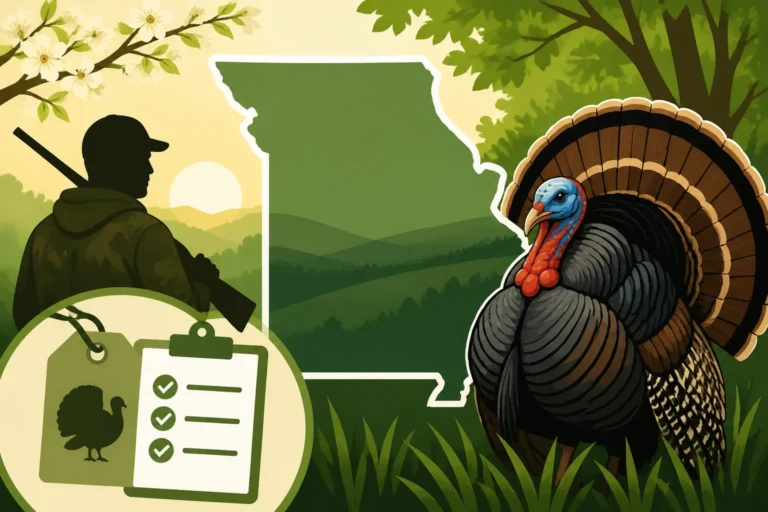
The change officially took effect for the 2024 spring turkey season. As of that year, nonresident hunters are now limited to purchasing a single spring turkey permit. This permit is valid for one bearded turkey. This means that gone are the days of filling two nonresident tags in Missouri during the spring. This brings the nonresident limit more in line with the first week's limit for residents, though residents still have the opportunity for a second bird later in the season under specific conditions.
For clarity, Missouri residents are still allowed to purchase two turkey permits for the spring season. The regulations specify that a resident hunter can take one bearded turkey during the first week of the regular season, and then a second bearded turkey during the remainder of the regular season, but never more than one per day. This distinction highlights the targeted nature of the nonresident rule change, focusing specifically on out-of-state harvest pressure rather than a blanket reduction for all hunters. You can find detailed information on these specifics in the official Missouri Spring Turkey Season Structure and Missouri Spring Turkey Permits and Limits documents published by the MDC.
Permit Changes and Costs
The most immediate practical implication of this rule change is, of course, the permit itself. Nonresidents can no longer buy two individual spring turkey permits. Instead, they purchase a single "Nonresident Spring Turkey Permit" that explicitly allows for one bearded bird. While the cost of a permit is subject to change year to year, understanding the Missouri Nonresident Spring Turkey Permit Cost remains a critical part of planning your hunt. Historically, nonresident permits have been significantly more expensive than resident permits, reflecting both the economic contribution from out-of-state hunters and the greater demand for limited resources.
When budgeting for your trip, it's essential to factor in not just the permit cost but also travel, lodging, and other expenses, all for the opportunity to harvest one bird. Many hunters use resources like GoHunt to research regulations and permit application processes across different states, helping them make informed decisions about where their hunting dollars and time are best spent. While GoHunt is often associated with western big game, the principles of researching regulations and understanding costs are universally applicable to planning any hunting trip, including chasing gobblers in Missouri. The convenience of buying permits online through the MDC website or via the MO Hunting app remains, but the underlying opportunity has shifted.
The Conservation Rationale Behind the Decision
The Missouri Department of Conservation doesn't make these kinds of significant rule changes lightly. They are typically the result of extensive biological research, population monitoring, and a careful balancing act of conservation goals with hunter opportunity. When it comes to wild turkeys, the rationale often boils down to ensuring the long-term health of the flock.
Balancing Harvest and Recruitment
At the heart of the MDC's decision is the fundamental principle of sustainable wildlife management: ensuring that harvest levels do not exceed the population's ability to replenish itself through reproduction (recruitment). As mentioned earlier, consistent declines in poult-to-hen ratios and overall Missouri Turkey Population Trends signaled to biologists that the turkey population was facing headwinds. When recruitment is low, every bird harvested, especially a gobbler that plays a role in breeding, has a greater impact on the future population.
Reducing the nonresident limit from two birds to one is a direct measure to decrease overall harvest pressure. While nonresident harvest typically accounts for a smaller percentage of the total harvest compared to resident hunters, it's still a component that can be adjusted. In times of population stress, even small reductions in harvest can contribute to the recovery and stabilization of the breeding population. The goal is to allow more gobblers to survive the spring season, increasing their chances to breed and contribute to better hatches in subsequent years. This is a crucial aspect of responsible wildlife management, prioritizing the resource's health above all else.
Resident Opportunity and Equitable Access
Beyond pure biological considerations, there's often a significant social component to wildlife management decisions. State conservation agencies, funded largely by resident license sales and conservation taxes (like Missouri's one-eighth-cent sales tax for conservation), have a primary responsibility to their resident hunters. When turkey populations are perceived to be declining, resident hunters naturally feel the impact first and often voice concerns about their hunting opportunities.
By reducing the nonresident limit, the MDC is also striving to maintain equitable access and opportunity for its resident hunting population. The idea is that if the overall harvest needs to be reduced for conservation reasons, a portion of that reduction can come from nonresident hunters, thereby helping to preserve the quality of the hunting experience for Missouri residents. This doesn't mean nonresidents are unwelcome; rather, it's a recalibration to ensure the resource can support continued hunting for everyone, with a clear focus on those who primarily fund and live within the state. It's a balance that many states grapple with, especially when dealing with popular game species like wild turkeys.
Practical Considerations for Nonresident Turkey Hunters
For many nonresident hunters, this change necessitates a rethinking of their spring turkey traditions. It's an adjustment, but it doesn't mean Missouri is off-limits. It simply means a shift in perspective and potentially, strategy.
Adjusting Your Spring Hunting Strategy
With the limit now at one bearded bird, nonresident hunters might find themselves adjusting their entire approach to a Missouri spring hunt. Instead of planning for two birds, the focus shifts entirely to that single, prized gobbler. This could lead to shorter trips, or perhaps combining a turkey hunt with other activities to make the travel worthwhile. Hunters might choose to dedicate more time to a specific area or property, waiting for the perfect opportunity rather than moving quickly to fill a second tag.
You might find yourself spending more time perfecting your setup for Roost Hunting Missouri Gobblers or refining your calling sequence for those tricky birds in the Turkey Tactics for Crop Country. The pressure is on for that one good bird, encouraging deeper scouting and more patient hunting. This could also mean a greater emphasis on Scouting Missouri Public Land Before Season, utilizing tools like mapping apps to find less pressured areas where a mature gobbler might be more responsive. Even with a single tag, the challenge and reward of hunting Missouri's diverse landscapes remain immense.
Maximizing Your One-Bird Experience
Even with the new one-bird limit, Missouri still offers a fantastic spring turkey hunting experience. The key is to maximize that single opportunity. This could mean investing more time in preseason scouting, honing your calling skills, or even focusing on a specific type of terrain you enjoy most, whether it's the steep ridges of the Ozarks or the river bottom timber of North Missouri. Think quality over quantity. That one gobbler, earned through careful scouting and strategic calling, can be just as rewarding, if not more so, than two birds taken in a rush.
Using advanced mapping tools and hunting apps, such as those provided by GoHunt, can become even more valuable. These platforms often allow hunters to analyze terrain, pinpoint potential roosting areas, identify travel corridors, and even mark sign like tracks and droppings. This level of detail can be instrumental when you're focusing on one specific bird and want to ensure every aspect of your hunt is meticulously planned. Knowing the lay of the land, understanding gobbler movements, and being prepared for various calling scenarios will be paramount to success. It's about making every moment count towards that single, hard-earned trophy.
Weighing the Value of a Missouri Hunt
For some nonresidents, the change might prompt a reevaluation of Missouri as a primary turkey hunting destination, especially when considering the Missouri Nonresident Spring Turkey Permit Cost against other states that might still offer multi-bird limits or different hunting experiences. However, many will still find significant value in hunting Missouri. The state boasts beautiful landscapes, diverse habitats, and a strong turkey hunting tradition.
Ultimately, the decision of whether to continue hunting Missouri will come down to individual preference and priorities. For some, the pursuit of a single, challenging gobbler in Missouri's woods is still worth the journey and the investment. For others, the allure of a two-bird state might pull them elsewhere. It's a dynamic environment, and resources like GoHunt can provide comparison tools to help hunters weigh their options. Regardless, Missouri remains a state rich in hunting heritage, and for those committed to the challenge, the opportunity for a memorable spring gobbler remains firmly on the table.
Resident Versus Nonresident Spring Turkey Limits
To help illustrate the recent changes and current regulations, here's a quick comparison of Missouri's spring turkey limits for residents and nonresidents.
| Category | Resident Hunter (Spring) | Nonresident Hunter (Spring) |
|---|---|---|
| Number of Permits | Up to 2 | 1 |
| Bag Limit (Bearded) | 2 bearded turkeys (one per week, not on same day) | 1 bearded turkey |
| Permit Cost (Approx.) | ~$17 | ~$225 (as of recent seasons, subject to change) |
| Hunting Opportunity | Designed for maximum resident engagement and tradition | Focused on conservation with limited opportunity |
| Season Dates | Youth Portion, then regular season (specific dates) | Same as regular season (after Youth Portion) |
| Telecheck Requirement | Yes | Yes |
Disclaimer
Please be aware that hunting regulations, permit costs, and season dates are subject to change. While this guide provides the most up-to-date information at the time of writing, it is absolutely critical to consult the official Missouri Department of Conservation (MDC) regulations handbook or their website before planning and executing any hunting trip. Always verify all information to ensure compliance with current laws.