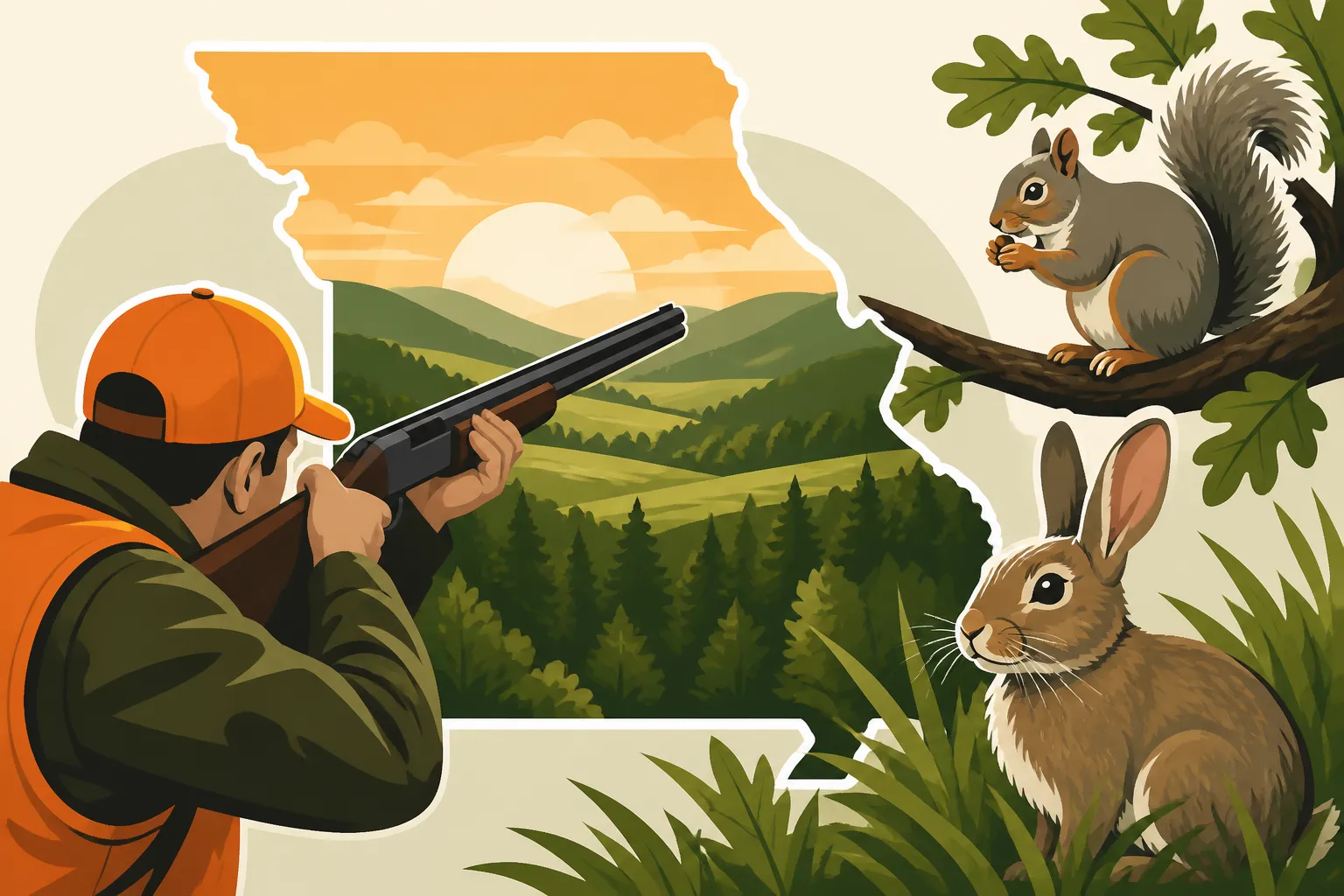
Squirrel and Rabbit Hunting in Missouri
There's a special kind of satisfaction that comes from hunting small game in Missouri, isn't there? So often, we get wrapped up in the big pursuits — the deer, the turkeys, the waterfowl — and we forget the simple, accessible joy that squirrels and rabbits offer. For many of us, it was chasing bushytails or cottontails that first lit the fire for hunting. If you're looking to rekindle that spark, introduce a new hunter to the woods, or simply enjoy a fantastic day outdoors that almost always ends with delicious wild game on the table, you've come to the right place. This guide is dedicated to bringing you all the practical, real-world advice you need to successfully hunt squirrels and rabbits right here in our great state.
Why Small Game Hunting is Still a Missouri Tradition
Before we dive into the nitty-gritty, let's just take a moment to appreciate why chasing squirrels and rabbits holds such a special place in the hearts of Missouri hunters. It’s more than just putting meat in the freezer; it’s about connection, skill, and pure, unadulterated fun.
The Enduring Appeal of Squirrel Hunting
When you think about Missouri hunting, big bucks and gobbling turkeys often steal the spotlight. But for generations, squirrel hunting has been the quiet cornerstone of our traditions. It's often the first quarry for young hunters, teaching them invaluable lessons about woodsmanship, stealth, and marksmanship without the high pressure of a trophy animal. Walking slowly through our rich oak-hickory timber, watching for the flick of a tail or the rustle of leaves high above, forces you to slow down and truly observe the woods. It's a meditative experience that hones your senses.
Beyond the fundamental skills it teaches, squirrel hunting offers a profound sense of accomplishment. A well-placed shot on a quick-moving target in a tall oak is deeply satisfying. And let's be honest, the reward of a meal of fried squirrel and gravy or a hearty squirrel stew is absolutely incredible. It’s a versatile meat, lean and flavorful, that harkens back to simpler times. Plus, with abundant public lands scattered across the state, it's incredibly accessible, offering many days of enjoyment throughout Missouri's exceptionally long season.
The Thrill of Rabbit Hunting
Now, if squirrel hunting is a quiet, contemplative pursuit, then rabbit hunting is its high-energy, boisterous cousin. This is often a social affair, best enjoyed with a group of friends, family, and especially, a good pack of dogs. The excitement of hearing the hounds open up on a fresh track, the chase echoing through the timber and brush, and the anticipation of a cottontail bursting from cover is an adrenaline rush that's hard to beat. It’s a dynamic, fast-paced hunt that tests your reflexes and shooting ability like few other game animals can.
Rabbit hunting truly embodies the spirit of camaraderie. Whether you’re post-holing through thickets or standing ready on a likely escape route, working together to push rabbits out of cover fosters a unique bond among hunters. It’s a fantastic way to spend a crisp autumn or cold winter day, getting plenty of exercise and creating lasting memories. And like squirrels, rabbits provide exceptional table fare, perfect for hearty winter stews or classic fried dishes. The challenge of a fast-moving target and the social nature of the hunt make it an enduring and cherished tradition in Missouri.
Seasons, Permits, and Regulations You Need to Know
Before you even think about hitting the woods, it’s absolutely crucial to understand the rules of the game. Missouri’s Conservation Department (MDC) sets clear seasons and limits for small game, and knowing these ensures a legal and enjoyable hunt for everyone. Always double-check the current year's hunting regulations booklet, as dates can shift slightly from year to year.
Missouri Squirrel Season Dates and Limits
Good news for squirrel hunters: Missouri boasts one of the longest squirrel seasons around, giving you ample opportunity to get out and enjoy the woods. Typically, the season kicks off in late May and runs all the way through the end of February the following year. That's nearly nine months of squirrel hunting, folks! This incredibly generous season allows you to experience bushytails in all sorts of conditions, from the lush green canopies of summer to the stark, barren branches of deep winter. This long stretch is why we often refer to it as Missouri's Long Squirrel Season Explained, and it's a real blessing for hunters looking for consistent action.
The daily bag limit for squirrels is usually 10, with a possession limit of 20. This means you can take up to ten squirrels in a single day, and you can have up to twenty squirrels in your possession at home, in camp, or in your vehicle. When it comes to legal weapons, you have a lot of flexibility. Most hunters opt for a .22 rifle, a shotgun (like a .410 or 20 gauge with small shot), or even a small-caliber air rifle. Using an air rifle for Missouri small game can be a quiet and effective method, especially if you're hunting close to residential areas or just prefer the challenge. Just make sure your chosen air rifle is explicitly legal for game species in Missouri.
Missouri Rabbit Season Dates and Limits
Rabbit season typically opens in early October and continues through mid-February. This gives hunters a solid four-month window to chase cottontails. The daily bag limit for rabbits is generally 10, with a possession limit of 20, mirroring the squirrel regulations. Like squirrels, rabbits offer a flexible range of legal hunting methods. Shotguns are arguably the most popular choice, particularly when hunting with dogs or when rabbits are busting out of thick cover at close range. Small-gauge shotguns like a 20 gauge or .410 are perfect for this, but a 12 gauge loaded with small shot works just as well. Many hunters also enjoy the challenge of hunting rabbits with a .22 rifle, particularly when still-hunting or jump-shooting.
When the weather turns colder, especially after a fresh snow, rabbit hunting can be particularly productive and enjoyable. The tracks become easier to follow, and the rabbits often stand out against the white backdrop. Remember to be mindful of your shooting lanes and surroundings, especially if you're hunting with a group, as rabbits can zig-zag through dense brush at surprising speeds.
Essential Permits and Hunter Education
Alright, let's talk about permits. To legally hunt squirrels and rabbits in Missouri, you'll need a valid Small Game Hunting Permit. If you plan on hunting during the fall turkey season, you'll find that the same permit usually covers you for both, as detailed in the Missouri Fall Turkey and Small Game Permits regulations. You can easily purchase these permits online through the MDC website, at authorized vendors like sporting goods stores, or via the MO Hunting mobile app.
For residents, the cost is typically quite reasonable, while nonresidents will pay a bit more. It's always a good idea to check the current fee schedule on the MDC website. If you're a new hunter, remember that Missouri Hunter Education Requirements apply to anyone born on or after January 1, 1967. You'll need to complete an approved hunter education course before you can purchase a permit unless you're hunting under the Apprentice Hunter Authorization, which allows you to hunt alongside a properly permitted and experienced adult. This authorization is a fantastic way to get started and learn the ropes in a safe, mentored environment, making it a great option for Youth Portion Tactics for a First Deer, or in this case, a first rabbit or squirrel.
Where to Find Squirrels and Rabbits in Missouri
Missouri offers a diverse landscape, and knowing where to focus your efforts is key to success. Understanding the preferred habitats of squirrels and rabbits will dramatically increase your odds of a productive hunt.
Prime Squirrel Habitat Across the State
When it comes to squirrels, particularly our common fox and gray squirrels, think hardwoods. Specifically, oak and hickory timber are your absolute best friends. These trees provide the critical food sources (acorns, hickory nuts, walnuts) that squirrels depend on, especially as the fall approaches and throughout the winter. Mature timber stands, river bottoms, and timbered draws with a good mix of these mast-producing trees are squirrel magnets. You’ll often find high concentrations of squirrels along creek bottoms and in areas where different types of timber transition.
Missouri is blessed with vast amounts of public hunting land, perfect for chasing squirrels. The Mark Twain National Forest, for example, offers hundreds of thousands of acres of prime Ozark hardwood forest. Additionally, numerous Missouri Conservation Areas Explained are managed specifically for wildlife, and many of these areas feature excellent squirrel habitat. Before you head out, do your homework. Get a copy of the Missouri Conservation Atlas or use a mapping app like GoHunt to pinpoint areas with dense oak and hickory stands. Look for mature timber that shows evidence of mast production, and don't be afraid to venture into areas that might see less pressure. Learning to read the subtle signs of squirrel activity, such as Reading Cuttings Under an Oak, where you'll find nutshell fragments at the base of trees, is a critical skill for pinpointing productive spots.
Best Spots for Rabbits
Rabbits, on the other hand, are creatures of the thick stuff. While squirrels prefer the canopy, cottontails thrive in dense, brushy cover that provides both food and protection from predators. Think tangled briar patches, honeysuckle thickets, old overgrown fields, fencerows, and most importantly, brush piles. A large, complex brush pile offers an entire rabbit metropolis – shelter, food, and escape routes. That’s why Rabbit Hunting Brush Piles is such a reliable strategy. These piles are often found on the edges of agricultural fields, in old clearings, or along creeks.
Beyond brush piles, focus your efforts on field edges where crop fields meet timber, dense grass stands (like Conservation Reserve Program, or CRP, fields), overgrown pastures, and the margins of timbered draws. Areas with a good mix of open ground for feeding and super-thick cover for bedding are ideal. Agricultural practices certainly impact rabbit numbers; areas with diverse crops, hedgerows, and un-mowed field borders tend to hold more rabbits than vast monoculture fields. Consider areas that are known for good quail habitat, as the same types of cover benefit both species. You'll find success in Working Field Edges and Draws for Quail, which are also fantastic places to find rabbits.
Utilizing Scouting Tools for Small Game
Just like with deer or turkey, scouting is paramount for small game hunting, and it's often overlooked. You don't need fancy trail cameras, but a good pair of boots and a keen eye are essential. Start by Scouting Missouri Public Land Before Season. Walk the areas you plan to hunt. For squirrels, look for mast crops – are there abundant acorns, hickory nuts, or walnuts? Are there fresh cuttings on the ground? Are there den trees with obvious holes? For rabbits, look for dense cover. Are there fresh tracks in soft soil? Are there droppings around brush piles?
Modern mapping tools, like the Missouri Conservation Atlas, are invaluable resources. You can literally spend hours at home digitally "walking" through prospective areas, identifying potential hotspots. Many serious hunters use subscription services like GoHunt or similar apps that offer detailed aerial photos and property line information. These tools allow you to quickly identify oak stands, brushy field edges, and overgrown fencerows that might hold game. When you're out in the field, a GPS unit or a mapping app on your phone can help you mark productive areas, track your movements, and ensure you don't trespass onto private land. While Reading Aerial Photos for Ozark Deer is geared towards whitetails, the same principles apply for identifying habitat features for small game. It's all about understanding the landscape and how game animals use it.
Squirrel Hunting Tactics and Techniques
Squirrels are smart, agile, and have an uncanny ability to disappear behind a tree trunk the moment you look their way. But with the right approach, you can consistently put them in the bag.
Still-Hunting and Stalking Squirrels
Still-hunting for squirrels is arguably one of the most classic and rewarding methods, especially during the early season when the leaves are still thick, and visibility is limited. It's a game of extreme patience and quiet movement. The basic idea is to move slowly, often taking only a few steps every minute or two, then stopping to listen and scan the trees. Imagine you’re trying to move like a shadow, barely disturbing the forest floor. When you move, pick up your feet to avoid rustling leaves and breaking twigs. This method truly hones your senses and teaches you how to Still-Hunting a Missouri Ozark Hollow effectively, whether you're after deer or squirrels.
As you move, look for movement in the canopy, the flick of a tail, or the tell-tale sound of nuts being cut or dropped. Pay close attention to the base of trees for fresh cuttings, indicating active feeding. When you spot a squirrel, freeze. If it sees you, it will often "tree" itself, clinging to the far side of a trunk. This is where patience comes in. Circle the tree slowly, keeping the trunk between you and the squirrel, forcing it to move to your side for a shot. Sometimes, just standing still for a few minutes will cause a "treed" squirrel to relax and reveal itself. Using a good pair of binoculars, even modest ones like those you'd use for general Binocular Power for Timber Hunting, can significantly help you spot squirrels hidden in the foliage.
Sitting and Waiting Methods
Another highly effective tactic, particularly in the early morning or late afternoon when squirrels are most active, is to find a productive feeding area and simply sit quietly. This works best when you’ve scouted and identified specific mast-producing trees that are dropping nuts. Find a comfortable spot with good concealment, ideally up against a large tree trunk or behind a natural screen of brush. Setting Up Against a White Oak that’s actively dropping acorns is a classic strategy.
Wear camouflage that breaks up your outline, and remain as still as possible. Let the woods come alive around you. Squirrels are often less wary if they don't perceive you as a threat. Some hunters use squirrel calls – barking calls or chatter calls – to pique their curiosity or draw them closer. A few sharp barks can sometimes make a squirrel give away its position. This method is incredibly relaxing and can be highly productive, especially during the peak fall feeding periods. Just be sure you're in a comfortable position for an extended sit, as patience is truly a virtue here.
Hunting Squirrels with Dogs
For many, the ultimate squirrel hunting experience involves a good dog. Breeds like feists and curs are bred specifically for this task, known for their keen noses, relentless tracking, and distinctive "treeing" bark. Hunting with a dog transforms the experience from a quiet stalk into a dynamic, interactive hunt. The dog does the heavy lifting, scenting squirrels on the ground, following them as they scramble up a tree, and then barking excitedly at the base, letting you know exactly where to look.
There's nothing quite like hearing a dog "strike" a track and then transition to a steady "tree bark" – it's pure music to a squirrel hunter's ears. Once the dog has treed a squirrel, it's up to you to locate the animal in the branches. This can still be a challenge, as squirrels are masters of concealment. Hunting with a dog allows you to cover much more ground efficiently and often leads to higher success rates, especially in dense timber where still-hunting can be slow. It's also a fantastic way to introduce new hunters, particularly kids, to the joy of small game hunting, as the dog's enthusiasm is infectious. Just remember to use an E-Collar Use on Public Ground wisely and ethically if your dog is prone to wandering or needs reinforcement on commands.
Rabbit Hunting Strategies for Success
Rabbit hunting is a whole different ballgame than squirrel hunting. It's typically more active, faster-paced, and often involves a chorus of baying hounds. If you're looking for an energetic hunt, rabbits deliver.
Beagling and Running Hounds
The classic Missouri rabbit hunt often involves a pack of beagles. These tenacious little hounds are perfectly suited for the task, with their incredible noses and persistent chase. The experience of Running Hounds in Missouri is truly something to behold. Hunters typically spread out around areas of dense cover, such as large briar patches or overgrown fields, while the dogs are released to scent out rabbits. Once a beagle picks up a track, it lets out a distinctive baying sound, and the chase is on.
Rabbits, when pushed by dogs, tend to run in large circles within their familiar territory. This is the key to beagling: the hunters position themselves on likely escape routes or where the rabbit is expected to loop back. It requires good communication within the hunting party and an understanding of how rabbits behave under pressure. The sound of the chase, moving closer and then fading, building anticipation until a rabbit finally bursts into view, is incredibly exciting. Safety is paramount here; always know where your hunting partners and dogs are, and ensure you have a clear shot before pulling the trigger.
Walking Up Rabbits and Driving Cover
You don't need a pack of dogs to hunt rabbits successfully. Walking up rabbits, sometimes referred to as jump-shooting, is a highly effective method, especially if you're hunting solo or with a small group without dogs. The strategy involves systematically walking through prime rabbit habitat, forcing rabbits to flush from their hiding spots. Focus on those thick briar patches, brush piles (remember Rabbit Hunting Brush Piles?), overgrown fencerows, and tall grass.
When hunting alone, move slowly and deliberately, kicking at brush piles and dense cover. Stop frequently, as rabbits will often let you walk past them before flushing, only to give away their position when you stop. If hunting with a partner or two, you can organize a simple drive. One or two hunters can push through a thicket, while others wait on the opposite side to intercept any rabbits that bolt out. For this type of hunting, good, durable gear is essential. Invest in quality Brush Pants for Missouri Cover to protect your legs from briars and thorns, and wear sturdy, waterproof boots suitable for pushing through dense vegetation.
Post-Snow Rabbit Hunting
There's a magical quality to rabbit hunting after a fresh blanket of snow has fallen. Not only does the white backdrop make rabbits more visible, but it also reveals their movements and habits in a way that dry ground can't. Tracking a rabbit in the snow is a skill unto itself, allowing you to learn where they feed, bed, and travel. This is where tactics like Still-Hunting After a Fresh Snow, often associated with deer, can be adapted for small game. You can literally follow fresh tracks to a rabbit's daytime bedding area, often a dense briar patch or a brush pile.
Cold weather also often means rabbits are seeking dense cover for warmth, making them more concentrated in specific areas. Look for their tell-tale tracks leading into and out of thickets. Food sources in winter, such as honeysuckle, green briar, or the tender shoots of winter wheat, will also be hotspots. Just be prepared for the cold; layer your clothing, wear insulated boots, and bring along hand warmers to keep comfortable during those longer, colder hunts.
Essential Gear and Equipment
Having the right gear won’t guarantee success, but it will certainly make your time in the woods more comfortable, safer, and ultimately, more productive. Small game hunting doesn’t require a huge investment, but a few key items are invaluable.
Firearms and Ammunition for Small Game
For squirrel hunting, the .22 rimfire rifle is king. Its low recoil, minimal report, and inherent accuracy make it perfect for precise headshots on treed squirrels, preserving more meat. Many hunters prefer a bolt-action or semi-automatic .22, and with proper zeroing at 25-50 yards, it's deadly effective. Shotguns, typically a 20 gauge or .410, are also popular, especially in early season when leaves are thick, and squirrels are moving fast. A load of No. 6 or 7.5 shot will bring down a squirrel cleanly. Air rifles are also gaining popularity for their quiet nature, but ensure the caliber and energy output are sufficient for a humane kill and are legal in Missouri for small game, much like verifying if Are Air Rifles Legal for Missouri Deer? before heading out.
For rabbit hunting, shotguns are hard to beat, particularly if you're hunting with dogs or pushing dense cover. A 12 gauge or 20 gauge shotgun loaded with 7.5 or 6 shot is ideal. The wider pattern of a shotgun allows for quick, reactionary shots on fast-moving rabbits. If you prefer the challenge, a .22 rifle can be used for rabbits, but it requires more precise shot placement and is generally better suited for still-hunting or jump-shooting when rabbits are less pressured. Regardless of your choice, always practice safe firearm handling, especially in thick cover or when hunting with a group, and make sure your firearm is unloaded when not actively hunting.
Clothing, Footwear, and Safety
Small game hunting often means pushing through thick, thorny cover, so durable clothing is a must. Heavy-duty canvas or denim pants, or specialized brush pants, will protect your legs from briars and sharp sticks. A sturdy, long-sleeved shirt and a tough vest are also good choices. For footwear, invest in comfortable, waterproof boots with good ankle support. You'll be doing a lot of walking, often on uneven terrain or through mud, so quality boots are crucial. Consider options designed for walking in rough terrain, similar to what you'd use for Walking Missouri Quail Country.
While hunter orange isn't always strictly mandated for small game (check current regulations), wearing it is always a smart choice for safety, especially when hunting with others or on public land where other hunters might be present. A blaze orange hat, vest, or both, well above the Missouri Hunter Orange Square Inches requirement for deer, ensures you're visible to others. Eye protection is also highly recommended, particularly when pushing through brush, to prevent scratches from branches or stray shot. Hearing protection, whether earplugs or muffs, is essential when shooting firearms.
Accessories and Dog Gear
Beyond your firearm and clothing, a few key accessories will make your small game hunt more enjoyable and efficient. A good game bag or vest with a large pouch for carrying your harvest is essential. A water bottle and some snacks will keep you fueled, especially on longer hunts. A reliable knife for field dressing is also a must. For navigation, a handheld GPS unit or a mapping app on your phone, such as the GoHunt app, is invaluable for marking productive spots, finding your way back to your vehicle, and staying aware of property lines.
If you're hunting with dogs, their gear is just as important. A durable dog vest can protect them from briars and improve their visibility. An e-collar is useful for training and control, especially on public lands where you might encounter other recreationists. Remember to carry plenty of water for your dogs, particularly on warmer days, and consider a small first-aid kit for both yourself and your canine companions. Understanding Bird Dog Gear for Missouri Heat is critical if you're hunting early season when temperatures can still be quite warm.
Field Dressing, Care, and Cooking Your Harvest
The hunt doesn't end when the shot is fired. Proper field dressing and meat care are crucial for ensuring your wild game makes it to the table in top condition. Plus, cooking and enjoying your harvest is truly the culmination of the entire experience.
Quick and Clean Field Dressing
When you harvest a squirrel or rabbit, the very first step, especially in warmer weather, is to cool the animal down as quickly as possible. This means field dressing immediately. For squirrels, a popular method is to step on their tail, make an incision across the back just above the hips, and then pull firmly up on the hind legs to peel the skin down over the head. You then remove the entrails. A sharp knife is key. The entire process for a squirrel can be done in just a few minutes with practice.
For rabbits, the process is equally straightforward. Make an incision around the midsection, then grasp the skin on either side and pull it off like a jacket, much like peeling a banana. The front and back legs can then be cut or broken off. Remove the entrails, and check for any obvious scent glands, usually located in the armpits and groin area, which some hunters prefer to remove to ensure the best flavor, though not strictly necessary. This quick Field Dressing and Cooling in Early-Season Heat is vital for preventing spoilage and ensuring a quality meal.
Storage and Processing
Once field dressed, get your game into a cooler with ice as soon as possible. This is particularly important for small game, as their smaller body mass means they cool down faster but can also spoil faster if left warm. Pack them with ice or use frozen water bottles to keep them chilled. For longer storage, you can skin and clean the animals further at home, then quarter or whole-body freeze them.
When cleaning, trim away any damaged meat from the shot. You can soak the meat in saltwater or a mild vinegar solution for a few hours or overnight to help draw out blood and improve flavor, though many skip this step. For freezing, use vacuum sealer bags or heavy-duty freezer bags to prevent freezer burn. Label your packages with the date to keep track of freshness. Getting Deer Meat Cooled Quickly is often discussed for larger game, but the same principle of rapid cooling applies equally to small game for optimal taste and quality.
Recipes and Enjoying Your Harvest
Now for the best part: eating what you’ve earned! Wild game, especially squirrel and rabbit, is lean, healthy, and incredibly flavorful. Forget any preconceived notions about gamey taste; properly prepared, they are delicious. A classic squirrel dish in Missouri is squirrel and dumplings or fried squirrel, served with creamy gravy. The meat is tender and has a mild, nutty flavor.
Rabbits are equally versatile. Fried rabbit, stewed rabbit with vegetables, or even a slow-cooked rabbit with herbs are fantastic options. Many hunters enjoy their rabbits in a rich, hearty stew that’s perfect for a cold winter evening. Don't be afraid to experiment with different seasonings and cooking methods. There are countless recipes available online and in old family cookbooks that celebrate these often-overlooked culinary treasures. Sharing your harvest with friends and family is one of the most rewarding aspects of hunting, reinforcing the connection between the field and the table.
Disclaimer
Please remember that hunting regulations and seasons are subject to change. Always consult the current Missouri Department of Conservation (MDC) hunting regulations booklet before planning any hunting trip. This guide is for informational purposes only and does not supersede official regulations.