Flooded Timber Duck Hunting in Missouri
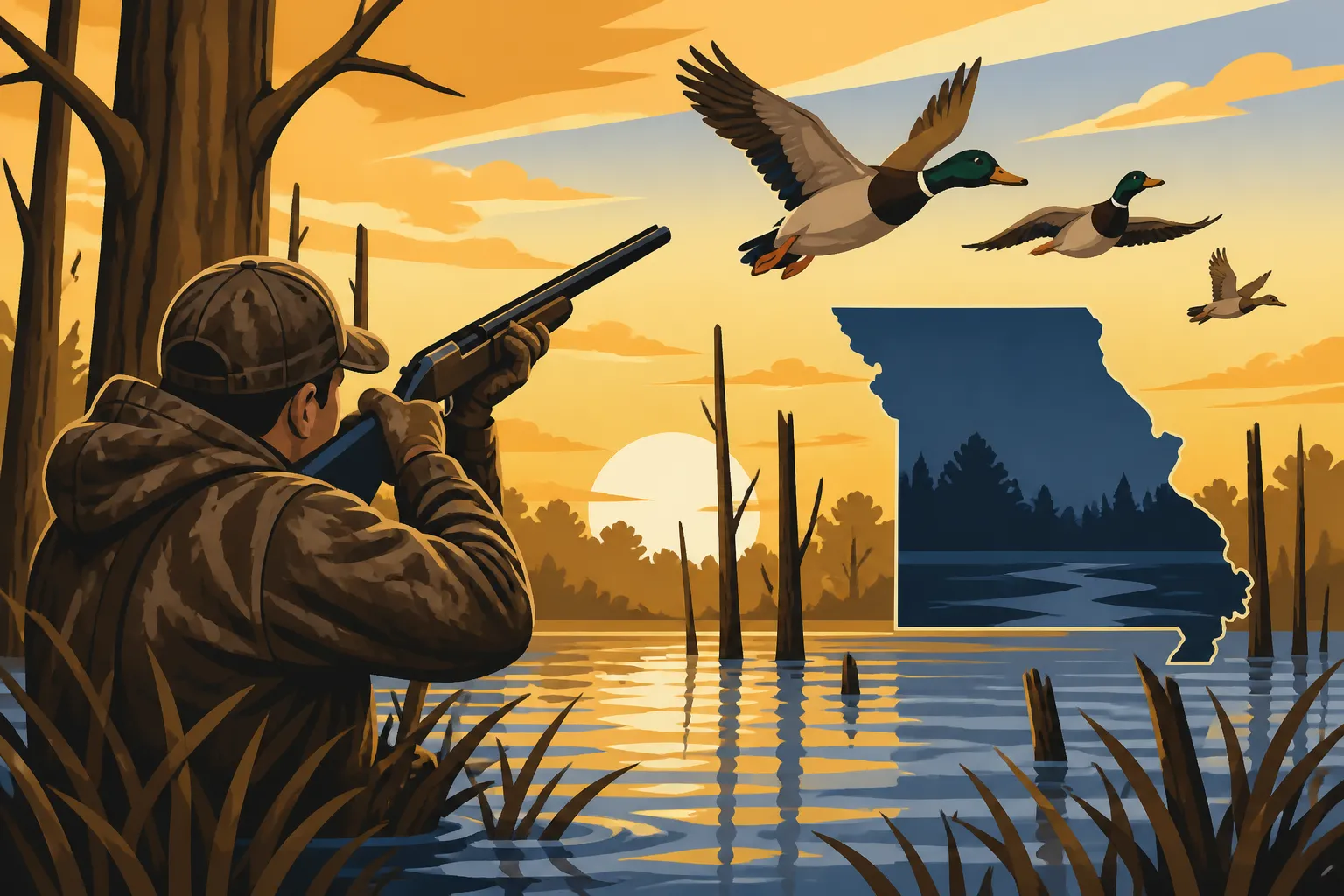
Hunting flooded timber for ducks in Missouri is, without a doubt, one of the most iconic and challenging waterfowl experiences you can chase. There's nothing quite like the sight of mallards cupping their wings through ancient pin oaks or the whistle of wood ducks dodging cypress knees. But let's be real, the thought of navigating dark, submerged forests, deciphering duck behavior in such a unique environment, and hauling all that gear can feel incredibly daunting, especially if you're new to the game. This guide is going to walk you through every aspect of successfully hunting Missouri's flooded timber, giving you the insights and confidence to make those early mornings count.
Understanding Missouri's Flooded Timber Habitat
Missouri's landscape offers a diverse array of duck hunting opportunities, but the flooded timber stands out as a unique beast. It's not just a field with some water; it's a dynamic, ever-changing forest ecosystem that, when flooded, becomes a magnet for migrating waterfowl. Understanding this habitat is the first crucial step toward consistent success.
The Dynamics of a Flooded Forest
Imagine a quiet oak flat or a cypress swamp suddenly inundated with several feet of water. That's the magic of flooded timber. The water levels here are rarely static; they fluctuate with rainfall, river stages, and often, with the deliberate management efforts of the Missouri Department of Conservation (MDC). You'll find a mix of tree species, predominantly pin oaks and overcup oaks, which are absolutely vital because their acorns are a primary food source for mallards and other dabbling ducks. In some parts of the Bootheel, you might even encounter bald cypress and tupelo gum trees, creating a truly ancient and mystical hunting ground.
The key is recognizing the subtle differences in these areas. Some timber holes are characterized by relatively uniform "sheet water" that slowly seeps through the forest floor, while others have deeper channels, sloughs, and old creek beds that become natural highways for ducks and, by extension, for your boat. What looks like dry ground in September can be prime duck habitat in November, and vice versa. It’s a constantly shifting puzzle that demands flexibility and keen observation.
Key Missouri Flooded Timber Areas
When you talk about flooded timber hunting in Missouri, certain names immediately come to mind, and for good reason. These areas have reputations for holding ducks, but they also come with their own unique challenges and draw systems. Places like Duck Creek Conservation Area in southeast Missouri are legendary, known for their extensive flooded oak flats and robust management. Just a bit further north, Ten Mile Pond Conservation Area offers similar, though often larger, timber blocks that can be incredibly productive.
Don't overlook other notable areas such as Grand Pass Conservation Area, especially its green timber units, or even parts of the Mingo National Wildlife Refuge, though access and regulations vary significantly on federal land. These areas are managed intensely, often through sophisticated pump systems, to ensure water is available during the waterfowl season. Be aware that most of these prime public timber spots operate under a Managed Hunt Draws on Missouri Wetlands system, meaning you'll likely need to apply or participate in a daily drawing. It's a system designed to spread pressure, but it also means you might not always get your first choice.
The Role of Food and Cover
Ducks aren't just looking for water; they're looking for a combination of food, cover, and security. In flooded timber, acorns are the undisputed king of duck food. A healthy crop of pin oak acorns hitting the water can attract and hold birds for weeks. Beyond acorns, ducks will dabble for aquatic invertebrates, seeds, and even small fish, especially in areas with a rich, mucky bottom. This makes timber a veritable buffet for them.
Cover is equally important. The dense canopy and tree trunks provide excellent roosting sites, protecting ducks from harsh winds and aerial predators like eagles. During hunting hours, ducks will often seek refuge in thicker parts of the timber or loaf in secluded pockets. Understanding this dual purpose—food and cover—is paramount. When you're scouting, you're not just looking for water; you're looking for water and acorns, or water and signs of abundant invertebrate life. If ducks aren't feeding and feeling secure, they won't stick around, no matter how pretty your timber hole is.
Scouting for Success in Green Timber
Scouting for ducks in flooded timber is a whole different ballgame compared to field hunting. The sheer density of the environment, coupled with the often-changing water levels, means you need a methodical and adaptable approach. You're not just looking for birds; you're looking for their grocery store, their bedroom, and their travel routes within a maze of trees.
Pre-Season Scouting Strategies
Long before opening day, your scouting should begin. This is where modern tools really shine. Start by poring over aerial maps. Services like GoHunt provide incredibly detailed satellite imagery that lets you identify timber types, potential clearings, old sloughs, and even subtle elevation changes that might indicate where water will hold. Look for concentrations of pin oaks (they often appear as a denser, darker green on satellite imagery during the growing season) or areas where the canopy is more open, creating potential landing zones.
Cross-reference these aerial views with historical data on flood patterns if you can find it. Some areas consistently hold water better or longer than others. Pay attention to topography—ducks will often prefer slightly higher ground within a flooded area where acorns might be more accessible. Mark potential access points, boat ramps, and walk-in trails. This pre-season digital groundwork can save you countless hours and frustration once the season is underway.
In-Season Reconnaissance
Once the season starts, or at least a few weeks before, it’s time for "boots on the ground" scouting—or rather, "boat in the water." This is the truly crucial phase. You need to get into the timber and look for fresh duck sign. This means paddling or wading silently through the prospective areas, looking for tell-tale clues:
- Droppings: Fresh droppings on stumps, logs, or even on the water surface.
- Feathers: Shed feathers floating in the water indicate ducks have been loafing or feeding there.
- Oily Water: Look for the iridescent sheen on the water that indicates ducks have been preening and feeding.
- Feeding Activity: This is key. Look for disturbed mud where ducks have been dabbling for acorns and invertebrates. If you see recent feeding, you're in the right spot.
- Flight Patterns: Sit and watch at dawn or dusk (outside of hunting hours). Where are the birds entering and exiting the timber? Are they flying along specific sloughs or timber lines? Understanding these flight paths helps you position your blind and decoys.
It's absolutely critical to be stealthy during in-season scouting. Any disturbance, particularly loud noise or splashing, can quickly educate birds and send them packing to less-pressured areas. Sometimes, a quiet walk-in on low water might reveal more than a boat motoring through.
Reading Water Levels and Access Points
Water levels are the lifeblood of flooded timber hunting, and they can change rapidly in Missouri. A few inches can mean the difference between easy navigation and being stuck in the mud, or between prime acorn-dropping water and dry ground. Before you ever head out, check local river gauges or the MDC website for specific area water level reports.
Access points are equally vital. Some areas have designated boat ramps that might only be usable at certain water levels. Others might require a long walk or paddle from a parking area. Understand that as water levels rise, new access might open up, but also new hazards (like submerged fences or logs) can emerge. Conversely, dropping water can maroon your boat or turn your walk into a slog through deep mud. Always have a backup plan, and never assume the conditions you saw last week will be the same today. For more on navigating these challenges, consider how you might approach Reading Water Levels on a Wetland in other areas.
Essential Gear for Flooded Timber Duck Hunting
Successfully navigating and hunting Missouri's flooded timber requires specialized gear. This isn't your open-water setup; the environment dictates everything from your waders to your chosen method of transportation.
Waders and Outerwear
This is where you absolutely cannot skimp. High-quality waders are your best friend, or your worst enemy if they leak. For bitter cold Missouri mornings, neoprene waders offer excellent insulation, but they can be bulky and hot if you're doing a lot of walking or paddling. Breathable waders, paired with good layering underneath, offer more flexibility and comfort for active hunts. Whichever you choose, ensure they have stout, insulated boots to handle uneven, often mucky, timber bottoms.
Your outerwear needs to be waterproof, windproof, and breathable. Layering is key: a good moisture-wicking base layer, an insulating mid-layer (fleece or down), and a durable, camouflage outer shell. You'll be sitting still in freezing temperatures one minute and breaking brush or paddling vigorously the next. Being able to shed or add layers is crucial for comfort and staying dry, which means staying warm. Think about the Cold Weather Sitting Strategy you'd use in a deer stand; many principles apply here.
Shotguns and Ammunition
When it comes to shotguns for timber, reliability and maneuverability are paramount. A 12-gauge semi-automatic or pump-action shotgun is the standard. Shorter barrels (24-26 inches) are often preferred because they're easier to swing through dense timber and maneuver in a crowded boat or small blind. Choke choices typically lean towards improved cylinder or modified to handle closer shots as ducks drop through the canopy.
Ammunition-wise, remember that Nontoxic Shot Rules on Missouri Wetlands and public lands are strictly enforced. Steel shot is the most common and affordable option, with sizes 3 or 4 being excellent for timber mallards and wood ducks. For those looking for more performance, bismuth and tungsten blends offer denser patterns and better knockdown power, though at a higher cost. Always pattern your chosen load and choke combination before the season to understand its effective range.
Boats and Transport
Getting into flooded timber often requires some form of watercraft. A flat-bottom jon boat is a common choice for its stability and ability to navigate shallow water, often pushed by a mud motor or an electric trolling motor. In areas with strict motor restrictions or very shallow, dense timber, a kayak, canoe, or even a specialized layout boat might be necessary. The key is stealth. An electric motor allows for quiet navigation, essential when you're slipping into a timber hole before dawn.
Don't forget the accessories: a reliable headlamp or spotlight (essential for navigating in the dark), a stout push pole for shallow, muddy sections, and enough rope to tie off your boat securely to a tree. Always wear a PFD (personal flotation device), especially when navigating in the dark or cold water. Submerged stumps and logs are notorious hazards, and an unexpected capsize in frigid water can be life-threatening. For advice on navigating these tricky spots, consider tips for Finding a Hole in Green Timber to set up.
Essential Gear for the Missouri Flooded Timber Hunter
| Item | Description | Key Considerations |
|---|---|---|
| Waders | Neoprene or breathable chest waders with insulated boots. | Warmth, durability, fit, and resistance to punctures from branches and stumps. |
| Outerwear | Waterproof, windproof, breathable jacket and pants. | Layering capability, warmth, silent fabric, and effective camouflage. |
| Shotgun | 12-gauge semi-auto or pump-action. | Reliability, short barrel (24-26"), improved cylinder or modified choke. |
| Ammunition | Non-toxic steel, bismuth, or tungsten shot. | Shot size #3 or #4 for ducks, check local regulations for required shot types. |
| Boat/Transport | Jon boat with mud motor/electric, kayak, or canoe. | Stealth, stability, ability to navigate shallow water and obstacles. |
| Headlamp/Spotlight | Waterproof, powerful light source for dark navigation. | Long battery life, red light option for minimal disturbance. |
| Push Pole | Sturdy, long pole for shallow water and dense vegetation. | Lightweight, durable material. |
| Decoys | 6-12 realistic mallard (and possibly wood duck) decoys. | Realism, durability, easy to deploy and retrieve, jerk string capability. |
| Calls | Quality mallard call (single or double reed), wood duck whistle. | Versatility for soft quacks, feeding chuckles, and greeting calls. |
| Blind Bag | Waterproof bag for calls, extra shells, snacks, and first-aid. | Easy access, organized compartments, durable construction. |
| PFD | Personal flotation device. | Always worn, especially in cold or deep water, or during dark navigation. |
| Gloves & Face Mask | Warm, waterproof gloves; camo face mask/paint. | Keep hands warm and dry, eliminate skin glare. |
Decoy Spreads and Setups for Timber Ducks
Decoying ducks in flooded timber is a delicate art, quite different from the sprawling spreads you might use in an open field or a large lake. Here, less is often more, and realism, coupled with strategic placement, trumps sheer numbers.
Minimalist Spreads for Timber
Forget the dozen-plus decoy rigs you see in catalogs for open water. In flooded timber, a small spread of 6 to 12 realistic decoys is often all you need, and sometimes even fewer. Ducks flying through the timber are looking for a small, inviting landing zone, not a massive party. Focus on quality over quantity. Use mostly mallard drakes and hens, maybe two-thirds drakes for visibility, and consider adding a couple of wood duck decoys if they are prevalent in your area. Their vibrant colors can be very attractive in the dark timber environment.
The key is to make your spread look natural and unpressured. Ducks that are trying to feed in the timber are usually in smaller family groups or pairs, not giant rafts. Position them loosely, not in tight clusters. Think about how real ducks would scatter while feeding among the tree trunks.
Creating the "Hole" or Landing Zone
This is perhaps the most critical aspect of a successful timber spread. Ducks need an open patch of water to land, especially when navigating through a maze of trees. Your primary goal is to create or identify a natural "hole" in the timber, a spot where the canopy is a bit more open or where a few key trees have fallen. If a natural opening isn't available, you might have to discreetly clear a small area yourself (check area regulations first, of course).
Once you have your hole, strategically place your decoys around the edges, leaving the center of the hole open for incoming birds. Think of it as a funnel: the decoys guide the ducks into that clear landing strip. Position some decoys upwind of the hole, facing into the wind as if they're about to land, and others loafing casually around the edges. Your blind or hide should be downwind of this hole, allowing ducks to finish directly in front of you as they commit to landing.
Adding Motion and Realism
Motion can add a crucial element of realism, especially on calm days when your decoys are sitting still. A simple jerk string, running from your blind to a few of your decoys, can create ripples and subtle movement that mimic feeding ducks. This subtle movement is often more effective in timber than aggressive, mechanical spinners, which can sometimes spook wary ducks in such a close-quarters environment, though their legality and effectiveness can vary, so be sure to check current regulations.
Consider placing a few decoys on short jerk strings that allow them to bob and weave just a bit. This creates a lifelike appearance and helps break up the surface tension of the water. Just a little movement can make a huge difference, particularly on those days when the timber is glass-calm. Remember, the goal is to make your spread look as natural and inviting as possible. For more insights on adding realism to your setup, check out specific tips on Decoys for Missouri Green Timber.
Mastering the Art of Timber Calling
Calling ducks in flooded timber is an entirely different beast than calling across open water. The sounds here are amplified, bounced, and absorbed by the trees, meaning subtle, soft, and authentic calls are far more effective than loud, aggressive hailing. You’re trying to coax birds into a tight window, not pull them from a mile away.
Soft Calls and Subtle Sounds
When ducks are working through timber, they’re usually close, looking for a safe, quiet spot. A loud, piercing highball will almost certainly send them rocketing out of the area. Instead, focus on soft, contented calling. Think about those low, guttural feeding chuckles and clucks that ducks make when they’re happy and undisturbed. A few soft quacks, almost like a whisper, can go a long way.
The goal is to sound like happy, relaxed ducks. A quiet feed call or a few soft come-back quacks can often seal the deal when birds are circling overhead, trying to locate the source of the sound. It's about confidence and reassurance, not commanding attention. This applies whether you're using a single-reed or double-reed mallard call; the key is your air control and ability to be subtle.
The Importance of Location and Cadence
Sound travels differently in timber. It echoes and can be difficult for ducks to pinpoint, which is both a challenge and an opportunity. When you call, vary your location slightly if possible, perhaps by turning your head, to make it sound like multiple birds. Don't call from the exact same spot every time.
Your cadence is also crucial. Don't call constantly. Mimic natural duck behavior – call a few times, then go silent. Let the timber absorb the sound, and let the ducks think about it. If they circle back, give them another soft series of calls. Over-calling is a common mistake that educates birds quickly in timber. Think of it as a conversation; you're not shouting, you're chatting. For more nuanced techniques, consider insights on Duck Calling in Timber Versus Open Water.
Calling Strategies for Incoming Birds
Once ducks are working your hole, your calling strategy needs to adapt. As they approach, soften your calls even more. If they're cupped and committed, often the best call is no call at all. Let the decoys and the inviting "hole" do the work. If they hesitate, a few soft, reassuring quacks or a quiet feeding chuckle can sometimes be enough to pull them the last few yards.
Watch their body language intently. If their heads are up and they're looking for danger, stop calling. If they're relaxed and looking at your decoys, a gentle encouragement might work. The timber environment provides very little room for error, so every call, every silence, must be deliberate. It's an instinctive dance between you and the birds, learned through countless hours of observation.
Tactics for Hunting Pressured Birds in Flooded Timber
Missouri's prime flooded timber areas, especially on public land, can see significant hunting pressure. This means the ducks become incredibly wary, and your tactics need to evolve beyond simply showing up and throwing out a few decoys.
Early Morning Entry and Setup
To consistently find success with pressured birds, you absolutely must be the first one in, or at least one of the first, and you need to do it silently. This means getting to the parking lot much earlier than you think you need to. Ducks that have been harassed for days will bail out at the first sound of a slamming car door or a roaring mud motor.
Plan your route in the dark. Use your headlamp judiciously, turning it off when possible, and proceed with extreme caution. Navigating submerged timber in the pre-dawn darkness is challenging and dangerous. Have your boat or waders ready, and have your gear organized so you're not fumbling around. Set up your decoys and blind well before legal shooting light, allowing the timber to settle and for you to become a natural part of the environment. Sometimes, parking your vehicle a bit further away and walking in a bit more than others do can lead you to less-pressured pockets, a tactic often used by those who utilize advanced mapping tools.
Hiding and Camouflage
In timber, ducks are often looking straight down through the trees, making your hide crucial. You can't just stand against a tree trunk and expect to disappear. You need to become part of the timber itself. Utilize natural cover: fallen logs, dense brush, and tree stumps. If you're using a boat, brush it in thoroughly with local vegetation. Cut branches (again, check local area rules on cutting vegetation) and weave them into your boat or stand to break up your outline.
Beyond your physical hide, personal camouflage is vital. Wear good quality camo that blends with the bark and shadows of the trees. A face mask or face paint is non-negotiable; a bright human face sticks out like a beacon. Wear gloves to cover your hands. Most importantly, stay absolutely still. Any movement, even a slight shift of your head, can be easily picked up by a duck's keen eyesight through the gaps in the branches.
Adapting to Changing Conditions
Pressured ducks are unpredictable. What worked yesterday might not work today. Be ready to adapt. If birds aren't responding to calls, try going silent. If they're flaring from your decoy spread, try pulling a few decoys or adjusting their placement. Pay attention to the weather: bright, sunny days can make birds even warier, while overcast or drizzly conditions might encourage more movement.
Also, consider hunting times. While mornings are traditionally best, pressured birds might move more later in the day, especially if hunters have left the timber, or if they're simply flying between roosting and feeding areas away from the morning rush. Sometimes, identifying these overlooked flight times and areas by carefully studying reconnaissance data from tools like GoHunt can make all the difference. Don't be afraid to move if your chosen spot isn't producing, or to scout a different section of timber for a Reading an Ozark Hollow for Deer Movement that might also double as a duck highway. The most successful timber hunters are those who are constantly observing, learning, and adjusting their approach.
Safety Considerations and Ethics in Flooded Timber
Flooded timber hunting is exhilarating, but it also presents unique safety challenges and ethical considerations that every hunter must respect. Ignoring these can lead to dangerous situations for yourself, other hunters, and the future of the sport.
Navigation and Water Hazards
Navigating flooded timber in the dark is inherently risky. The water can hide countless dangers: submerged logs, stumps, discarded fence wire, and sudden drop-offs. Always go slow. If using a boat, a push pole is your best friend for feeling your way through uncertain terrain. Never rely solely on a motor in dense, unfamiliar timber.
Wearing a PFD is non-negotiable, especially during the cold months. If you capsize in frigid water, hypothermia can set in rapidly, and heavy waders can quickly become a deadly anchor. Have a fully charged cell phone (in a waterproof bag) and a reliable, waterproof light source. Tell someone where you are going and when you expect to return. Consider carrying a small, buoyant throw bag with a rope for emergencies. These are not just recommendations; they are vital safety measures for a reason.
Hunter Safety and Awareness
The close quarters of timber hunting, combined with low light, make firearm safety paramount. Always know your shooting lanes. In a dense forest, a duck can appear and disappear quickly, making it easy to swing on a bird and lose track of your barrel's direction. Be absolutely certain of your target and what is beyond it. Other hunters, even if you haven't seen them, could be nearby.
When setting up, establish clear zones of fire with your hunting partners. Never load your shotgun until you are in your chosen hunting spot, and always unload it before moving. Be mindful of slick surfaces on logs or muddy banks when handling a loaded firearm. A slip or fall could have disastrous consequences. For more general firearm safety, consider reviewing rules for Legal Firearms for Missouri Deer as many principles apply across different hunting types.
Respecting the Resource and Other Hunters
Ethical hunting goes beyond legal compliance; it's about stewardship and respect. Always pick up your spent shotshells and any other trash you bring into the timber. Leave no trace. Pack out everything you pack in.
Be courteous to other hunters. If you arrive at an area and another group is already set up, find another spot. Don't crowd them or try to "cut" them off. On public lands, particularly those with a What Happens at a Wetland Morning Drawing system, understand and respect the drawing process. Even if you get a bad line number, remember there's always tomorrow. The sport thrives on respectful participation. Limit your take to the Missouri Duck Daily Bag Limit and ensure you can identify the species you're shooting. Crippled birds should be pursued immediately and ethically dispatched.
Post-Hunt Care and Regulations
The hunt doesn't end when the birds hit the water. Proper post-hunt care ensures your harvest is high-quality table fare, and adhering to all regulations ensures you're a responsible hunter.
Field Dressing and Game Care
As soon as possible after harvesting, especially on warmer days, you need to begin the process of cooling your ducks. This typically involves field dressing them, which means removing the entrails. This helps the carcass cool down more rapidly and prevents spoilage. Many hunters will simply breast out their birds, keeping just the breast meat, but if you want the legs, wings, and other parts, ensure you pluck or skin the birds promptly.
Transport your ducks in a way that keeps them cool and dry. A cooler with ice is ideal, but keep the birds out of direct meltwater; place them in game bags or Ziploc bags first. The goal is to get them home, cleaned, and either into a refrigerator or freezer as quickly as possible. This extra care ensures that your hard-earned wild game tastes its absolute best. Consider similar principles to Field Dressing a Deer in Warm Weather if you've done that before; the core idea of cooling meat quickly is the same.
Telecheck and Tagging Requirements
Missouri, like most states, has specific reporting requirements for harvested game. For migratory birds like ducks, you generally need to participate in the Harvest Information Program (HIP). This is covered under your Missouri HIP Registration for Migratory Birds when you buy your permit. However, always double-check current regulations for any specific tagging or Telecheck requirements for waterfowl, though typically duck harvest is reported through HIP, not individual Telecheck.
It's your responsibility to know and follow these rules. Non-compliance can lead to fines and loss of hunting privileges. Make sure you understand the Missouri Waterfowl Seasons and Duck Zones and are hunting legally within those dates.
Specific Missouri Waterfowl Regulations
Beyond general hunting permits, there are several federal and state regulations specific to waterfowl:
- Federal Duck Stamp: Anyone 16 years of age or older must possess a valid Federal Migratory Bird Hunting and Conservation Stamp (often called a "Duck Stamp").
- State Waterfowl Permit: You'll also need a Missouri Migratory Bird Hunting Permit, in addition to your Small Game Hunting Permit.
- Legal Shooting Hours: These are strictly enforced and typically begin 30 minutes before sunrise and end at sunset. Be aware that these times are tied to local sunrise/sunset and change daily.
- Bag Limits: The Missouri Duck Daily Bag Limit specifies how many ducks you can harvest per day, and often includes specific limits for certain species within that total (e.g., mallards, pintails). Make sure you can correctly identify species in flight to avoid violations.
- Method of Take: Only shotguns capable of holding no more than three shells (plugged) are legal for migratory bird hunting.
These regulations are in place to ensure sustainable populations of waterfowl and to provide fair chase for all hunters. It’s imperative that you review the current Missouri Department of Conservation waterfowl regulations annually before heading afield, as rules can and do change.
Disclaimer
Please remember that hunting regulations, season dates, and permit requirements can change. Always consult the official Missouri Department of Conservation (MDC) website or their printed regulations booklet for the most current and accurate information before you plan any hunting trip. This content is for informational purposes and should not be considered a substitute for official legal guidelines.