Missouri Duck Daily Bag Limit
Nothing ruins a fantastic morning in a duck blind faster than the gnawing uncertainty that you might have just broken the law. Missouri's duck hunting regulations can feel like a labyrinth of federal frameworks, state rules, and species-specific limits, leaving many hunters scratching their heads and second-guessing every bird they bag. This comprehensive guide is here to untangle those rules, specifically focusing on the Missouri duck daily bag limit, so you can hunt with confidence and clarity.
Navigating Missouri's Daily Duck Bag Limit
When you're out in the blind, especially during the peak of the season, the action can be fast and furious. It's easy to lose track, or just get confused, when different species start pitching into your decoys. The Missouri Department of Conservation (MDC) sets a general daily bag limit for ducks, but it’s the fine print, the species-specific restrictions, that often trip up even seasoned hunters. Understanding these nuances is absolutely critical to staying legal and ethical.
The overarching rule for most of Missouri's regular duck season is a daily bag limit of six ducks per hunter. This is your ceiling – you cannot legally shoot more than six ducks in a single day, regardless of species. However, that's just the beginning of the story. Within that six-duck total, there are strict sub-limits for certain species, designed to protect populations of ducks that are less abundant or have specific conservation needs. This means you might reach your limit on a particular species well before you hit your overall six-duck total.
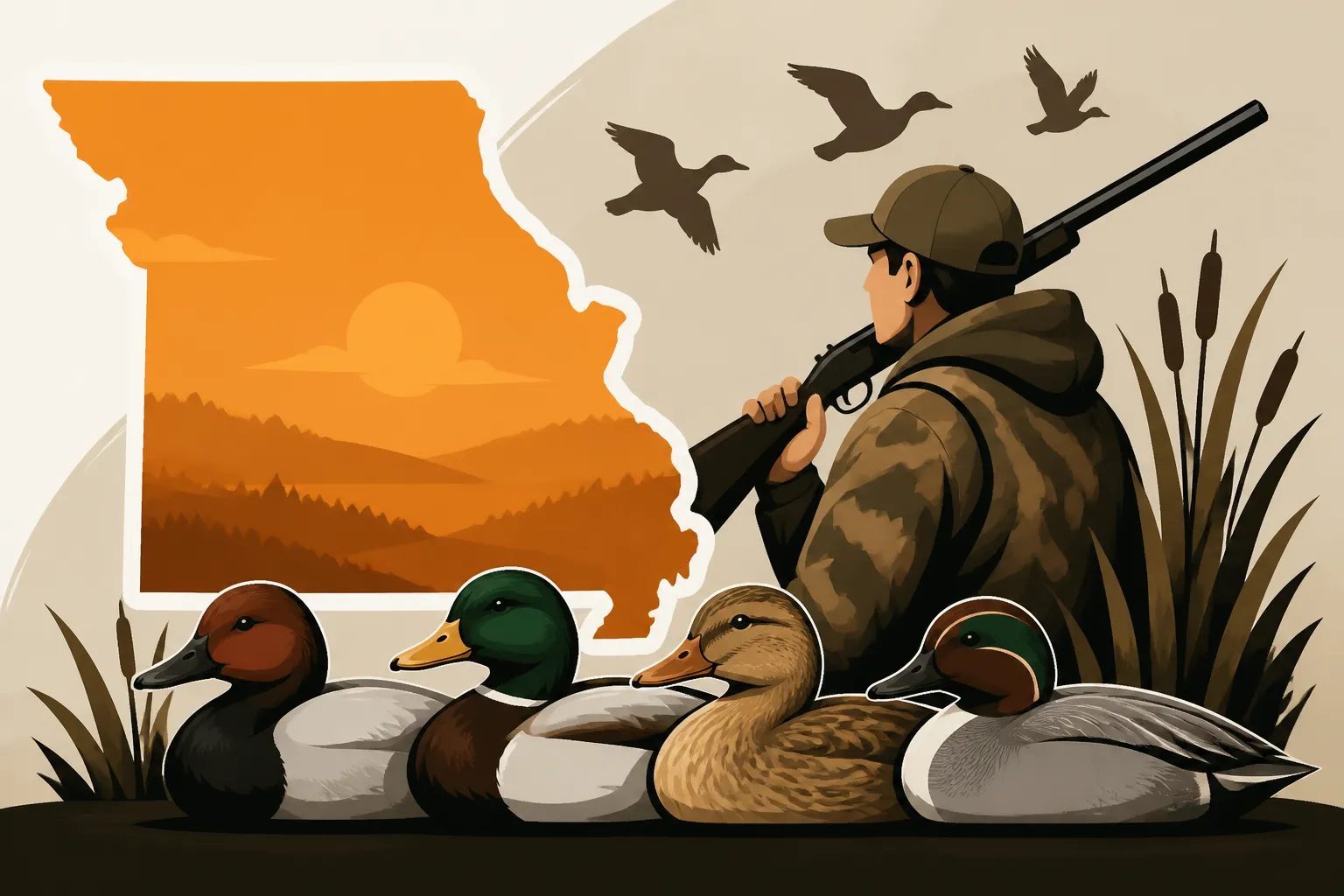
Let's break down those crucial species-specific limits, as these are the ones that require keen identification skills and careful counting. For current seasons, hunters are typically limited to no more than: four mallards (with a further restriction of no more than two hen mallards), three wood ducks, two redheads, two canvasbacks, two black ducks, two mottled ducks, two scaup (though this can fluctuate slightly depending on the segment of the season and population data), and one pintail. Any other duck species, such as gadwalls, wigeon, shovelers, or various teals (outside of the Missouri's September Teal Season), can be taken up to the overall six-duck limit, as long as you haven't exceeded any of the specific species quotas. It’s a bit like a puzzle, where each piece has its own unique shape, and you have to fit them all within the larger frame.
This complex system underscores the importance of being able to accurately identify ducks in flight and on the water. A misidentified hen mallard could lead to exceeding your limit on a protected species, even if you’re still under your overall bag. Spend time studying field guides, watch educational videos, and practice your identification skills. There are fantastic resources out there, and even reputable platforms like GoHunt often share articles on waterfowl identification tips. Knowing your birds before you ever pull the trigger is not just about being a responsible hunter; it's about respecting the resource and avoiding potential legal trouble.
Understanding the Why Behind Duck Limits
You might wonder why these limits are so intricate and why they change from year to year. It's not just to make things complicated for hunters; there's a serious scientific and conservation-driven rationale behind every single regulation. These limits are primarily set through a robust system of federal and state collaboration, all aimed at ensuring sustainable waterfowl populations for generations to come.
At the highest level, duck hunting in the United States is governed by the Migratory Bird Treaty Act, a federal law that protects migratory birds and establishes the framework for their hunting. The U.S. Fish and Wildlife Service (USFWS) then works closely with flyway councils (like the Mississippi Flyway Council, which Missouri belongs to) to develop annual hunting regulations. These decisions aren't arbitrary; they are based on a mountain of data, including extensive spring breeding population surveys, harvest reports from previous seasons, habitat conditions, and long-term population trends. For instance, if pintail populations show a decline in their breeding grounds, you can bet the daily bag limit for pintails will likely be tightened across the flyway.
The Missouri Department of Conservation (MDC) then takes these federal guidelines and tailors them to the specific conditions and management goals within Missouri. While the overall federal framework dictates the maximum allowable harvest, states have the flexibility to impose more conservative limits if their local populations or conservation strategies deem it necessary. This is why it’s absolutely essential to consult the official MDC waterfowl hunting regulations each year, as they provide the most up-to-date and specific information for hunting within Missouri's borders. These regulations will also detail the specific Missouri Duck Season Dates by Zone, as well as any other unique rules that might apply to certain areas, like conservation areas or refuges.
The dynamic nature of these limits often means changes from one season to the next, particularly for species like scaup, which have seen fluctuating populations over the years. This constant adjustment is a testament to adaptive wildlife management, a system that responds to environmental conditions and population health rather than sticking to static rules. It requires hunters to stay informed, checking the regulations before each season, even if you've been hunting the same spots for decades. Forgetting to do so could mean you're inadvertently breaking a rule that changed since last year's hunt, highlighting the importance of current information in your hunting preparations.
Practical Considerations for Missouri Duck Hunters
Knowing the daily bag limits is one thing; applying that knowledge effectively in the field is another. Successful and legal duck hunting in Missouri involves much more than just pulling the trigger. It requires diligent planning, adherence to all regulations, and a deep understanding of how these limits influence your hunting strategy.
First and foremost, beyond the daily bag, you need to be aware of the possession limit. In Missouri, for most migratory game birds, the possession limit is three times the daily bag limit. So, if your daily duck bag limit is six, you can possess up to eighteen ducks in total, either at your home, in your vehicle, or in cold storage. This limit applies to all ducks taken over multiple days of hunting. It's a critical rule, especially for hunters who might be on multi-day trips or those who hunt frequently and store their birds. Violating the possession limit can carry stiff penalties, so keep a clear record of your harvests. For detailed breakdowns of all permit types, consider checking out resources like Missouri Waterfowl Seasons and Duck Zones.
Furthermore, every duck hunter in Missouri, regardless of age, must have a valid Missouri Federal Duck Stamp Requirement affixed to their hunting permit. This stamp is vital; 98 cents of every dollar from its sale goes directly to conserving wetland habitats, which benefits countless species, including the ducks you pursue. You also need to register with the Harvest Information Program (HIP) annually. This Missouri HIP Registration for Migratory Birds is free and helps the USFWS collect crucial harvest data that informs future bag limits and conservation efforts. Without both of these, even if you have all your state permits, you are not legally allowed to hunt migratory waterfowl.
The daily bag limits can also significantly impact your actual hunting approach. For example, if you know you only get one pintail, you might be more selective with your shots when you see them. If mallards are abundant but you’re targeting a specific number of wood ducks, your calling and decoy spread might prioritize those species. Understanding these limits ahead of time can inform how you set your Decoy Numbers for Green Timber or influence your decision on Duck Calling in Timber Versus Open Water. Some days, it might mean calling a halt to shooting early if you've filled your quota on a particular species you were after, even if the overall six-duck limit isn't met. It’s about being strategic and conservation-minded, rather than just focused on filling the freezer.
Consider utilizing modern hunting tools and apps. Many hunters rely on digital mapping tools from companies like GoHunt, which can help you understand public vs. private land boundaries, pinpoint likely Wetland Habitat and Duck Numbers, and plan your routes to and from the blind efficiently. While these tools won't track your bag limit for you, they certainly help you plan smarter, allowing you to focus on the birds and the regulations once you're in the field.
Common Pitfalls and How to Avoid Them
Even with the best intentions, hunters can sometimes fall into traps when it comes to duck bag limits. Understanding these common errors is the first step toward avoiding them and ensuring every hunt is legal and enjoyable.
One of the biggest pitfalls is duck misidentification. It’s incredibly common, especially when ducks are flying fast, in low light, or in adverse weather conditions. Mistaking a hen mallard for a gadwall, or an immature pintail for a green-winged teal, can easily lead to exceeding a species-specific limit. To combat this, invest in a quality waterfowl identification guide, spend time studying distinguishing features like wing coloration, bill shape, and overall size. Many experienced hunters carry a small reference card with them, or have a photo on their phone, depicting the legal daily limits and key ID features. Regularly reviewing Missouri Duck Harvest Numbers reports can also give you an idea of which species are most common in your hunting areas.
Another frequent mistake is simply exceeding an individual species limit within the overall bag. You might have only shot four ducks, well under your six-duck total, but if three of those were wood ducks, you've already exceeded the two-wood duck limit. This is where meticulous counting in your head (or even a physical counter if you struggle) comes into play. It’s also why being selective with your shots, especially early in the season, can be beneficial. Don't just shoot every duck that comes into range; try to identify it first and consider your current bag. This discipline is a hallmark of a responsible waterfowl hunter.
Forgetting the possession limit is another one that can get hunters into trouble. You might have a great weekend hunt, filling your daily bag on Saturday and Sunday. If you harvested six ducks on Saturday and six on Sunday, you now have twelve birds. This is perfectly legal. However, if you then went out on Monday and harvested another six, bringing your total to eighteen, you would be at your possession limit. If you decided to go hunt again on Tuesday without having processed or consumed any of those birds, and then harvested even one more duck, you would be in violation. Always keep track of the total number of migratory birds you have on hand. Planning out how you'll handle and store your game, especially if you get a good take, is part of being prepared. For tips on managing your game and possibly contributing to a good cause, check out resources like Deer Meat Donation in Missouri – while for deer, the principle of planning and care is universal.
Finally, relying on outdated information is a significant risk. Regulations, particularly for species like scaup or pintails, can change annually based on population assessments. What was legal last year might not be this year. Always, always consult the current year's Missouri Department of Conservation waterfowl hunting guide before the season opens. This includes checking specific regulations for managed wetland areas, as they can sometimes have unique rules or What Happens at a Wetland Morning Drawing procedures that impact your hunt. A quick check on the MDC website or using the official MO Hunting app is a small effort that can save you a lot of grief. Being proactive and informed is your best defense against inadvertently breaking the rules.
Missouri Duck Daily Bag Limits Summary
To help keep these essential numbers straight, here’s a quick reference table for the typical daily duck bag limits in Missouri. Remember, these are subject to change, so always consult the latest MDC regulations.
| Duck Species | Daily Bag Limit (per hunter) | Additional Restrictions |
|---|---|---|
| Total Ducks (overall) | 6 | Must adhere to species-specific limits below |
| Mallard | 4 | No more than 2 hen mallards |
| Wood Duck | 3 | |
| Redhead | 2 | |
| Canvasback | 2 | |
| Black Duck | 2 | |
| Mottled Duck | 2 | |
| Scaup | 2 | May vary by season segment; check current regulations |
| Pintail | 1 | |
| All Other Ducks | Up to overall 6-duck limit | As long as no other species limits are exceeded |
It is always a good idea to identify your target before taking a shot, and to keep a running mental (or even physical) tally of your harvest to ensure you stay within both the overall and species-specific limits.
Disclaimer
The information provided in this guide is intended for general informational purposes only and is not a substitute for the official regulations published by the Missouri Department of Conservation (MDC) and the U.S. Fish and Wildlife Service (USFWS). Hunting regulations, season dates, and bag limits can change annually and are subject to emergency modifications. Always consult the most current official MDC hunting regulations before engaging in any hunting activity. Failure to do so may result in legal penalties.