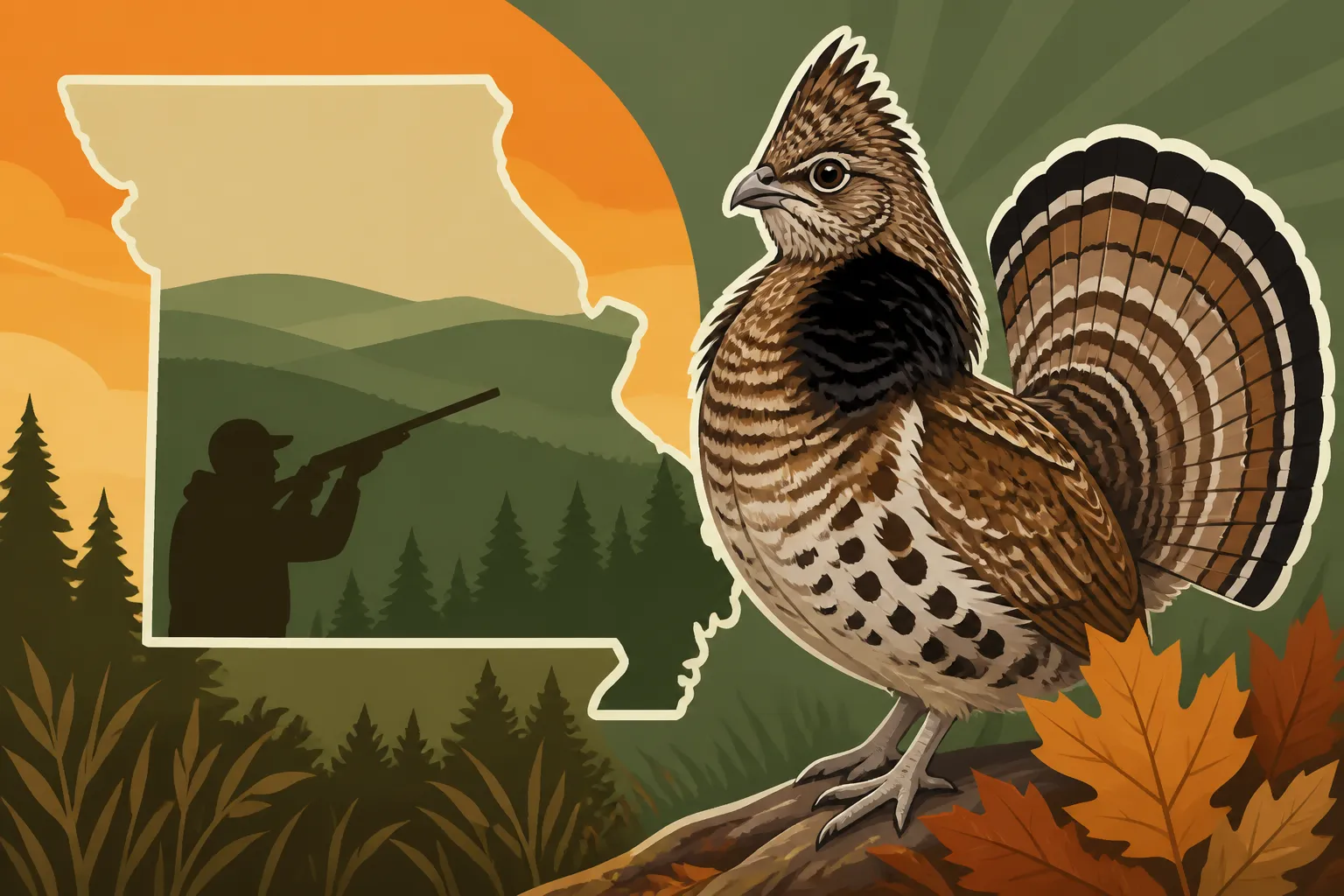
Missouri Ruffed Grouse Season Status
It's a common and genuinely disheartening question many Missouri upland hunters ask: "Is there a ruffed grouse season?" For those of us who remember the drumming of a male grouse in the timber or the explosive flush from thick cover, the current reality can be a tough pill to swallow. This guide will clarify the unfortunate status of ruffed grouse hunting in Missouri, delve into the reasons behind the population decline, and explore what steps are being taken, alongside other excellent upland hunting opportunities still available in our beautiful state.
The Current Status of Ruffed Grouse Hunting in Missouri
Let's cut right to the chase, because it's the main question on everyone's mind: there is currently no open hunting season for ruffed grouse in Missouri. This isn't a temporary closure; it's been the unfortunate reality for quite some time now. The Missouri Department of Conservation (MDC) closed the season back in 2000, and it has remained closed ever since. For new hunters, this might be surprising, as images of grouse hunting are often romanticized in hunting media. For older hunters, it's a stark reminder of how much things can change within a generation.
The closure wasn't a knee-jerk reaction; it was a necessary step based on scientific data showing a drastic and sustained decline in the state's ruffed grouse population. While some small, isolated populations of grouse might persist in certain pockets of the state, they are far too few and scattered to support any hunting pressure, or even to reliably reproduce at a rate that would allow for recovery. The decision to close the season was made to protect the remaining birds and, hopefully, to give them a fighting chance at recovery, even though that recovery is proving to be a monumental challenge.
Understanding the Decline of Missouri's Ruffed Grouse
The decline of ruffed grouse in Missouri is a complex story, much like the decline of Missouri Bobwhite Population Trend. It's not a single factor but a combination of challenges that have pushed this iconic upland bird to the brink of extirpation in much of its former range. Understanding these challenges is key to appreciating the current "Missouri Ruffed Grouse Season Status."
Habitat Loss and Fragmentation
Perhaps the most significant factor in the grouse's vanishing act is habitat loss. Ruffed grouse are highly specialized birds, relying almost exclusively on early successional forest habitat. This means young, dense timber – areas that are rich with saplings, thick brush, and tangled vines, often growing in response to disturbances like logging, fire, or severe weather. This thick cover provides essential protection from predators and harsh weather, and is critical for nesting and brood-rearing.
Historically, Missouri's forests, especially in the Ozarks, were managed differently. Timber harvesting practices, often small-scale and less efficient, naturally created a patchwork of different forest age classes. Wildfires, though often suppressed, also played a role in resetting forest succession. However, over decades, our forests have matured. We've seen a decrease in active timber management that creates this crucial young growth, and fire suppression has meant fewer natural disturbances. The result is a more uniform, older forest canopy that simply doesn't offer the dense understory grouse need to thrive. When young forest habitat does exist, it's often in isolated patches, too small and fragmented to support robust, connected grouse populations. This fragmentation makes it harder for birds to find mates and expand their range.
Predation and Disease Pressures
While good habitat helps grouse avoid predators, a landscape without enough of it makes them incredibly vulnerable. Nest predators like raccoons, opossums, and snakes, and avian predators such as hawks and owls, find it much easier to locate nests and vulnerable chicks in more open, mature timber. Mammalian predators like coyotes and bobcats also play a role, especially when grouse are forced into less ideal cover.
Beyond direct predation, disease can also impact small, stressed populations more severely. While not as widely studied for grouse in Missouri as Chronic Wasting Disease is for deer, any disease outbreak in an already dwindling population can be devastating. When populations are small and isolated, genetic diversity can also suffer, potentially making them less resilient to environmental changes or disease.
Weather and Climate Impacts
Ruffed grouse are birds of cooler climates, and Missouri sits at the southern edge of their natural range. This makes them particularly sensitive to weather patterns. Warm, wet springs can be detrimental to chick survival. Young grouse poults are highly susceptible to hypothermia and disease in such conditions. A series of poor breeding seasons due to unfavorable weather can severely impact overall population numbers, especially when combined with other pressures.
Furthermore, changes in winter conditions, such as less consistent snow cover, can also hurt grouse. They often "snow roost," burrowing into soft snow for insulation against frigid temperatures and protection from predators. If snow cover is absent or inconsistent, they lose this critical survival strategy, expending more energy to stay warm and becoming more exposed to predators. This is a subtle but significant factor in understanding why the grouse population has struggled.
Hopes and Efforts for Future Grouse Recovery
Despite the bleak outlook, there's a dedicated effort to understand and potentially reverse the trend for ruffed grouse in Missouri. The Missouri Department of Conservation (MDC), along with various conservation partners, has been involved in several initiatives, though the road to recovery is undeniably long and challenging. We can learn a lot from the Missouri Ruffed Grouse Restoration History.
Targeted Habitat Restoration
The primary focus for grouse recovery, as with Northern Bobwhite Quail in Missouri, revolves around habitat. Conservation efforts are aimed at creating and maintaining the early successional forest types that grouse desperately need. This often involves:
- Timber Stand Improvement (TSI): Selectively cutting timber to promote the growth of younger, denser stands. This isn't just clear-cutting; it's a nuanced approach to creating varied age classes within a forest.
- Prescribed Fire: Carefully controlled burns can mimic natural disturbances, clearing out underbrush and promoting new growth, which is vital for insects (a primary food source for poults) and dense cover.
- Glade and Savanna Restoration: While traditionally thought of as forest birds, grouse can also utilize the edges of restored glades and savannas where suitable escape cover meets foraging opportunities. These efforts, often funded in part by the What the Conservation Sales Tax Bought, are long-term investments in ecological health.
These habitat projects are often implemented on Public Hunting Land in Missouri, specifically on Conservation Areas within the remaining historical grouse range. Identifying Where Missouri Ruffed Grouse Survive has been critical to focusing these limited but vital efforts.
Research and Monitoring
The MDC continues to monitor for any signs of grouse populations and studies the effectiveness of various habitat management techniques. This includes surveys for drumming male grouse in the spring and collecting incidental observations. While direct large-scale trapping and translocation efforts like those used to restore turkeys are not currently feasible for grouse in Missouri due to extremely low numbers, ongoing research helps refine habitat goals and identify the most promising areas for future management.
The process of bringing back a species like the ruffed grouse is incredibly slow and expensive. It requires a long-term commitment to habitat work on a scale that is difficult to achieve across large landscapes. However, the hope is that sustained habitat improvements, coupled with favorable environmental conditions, could one day lead to a population resilient enough to consider a limited hunting season once again, though this is likely many years, if not decades, away.
Other Upland Hunting Opportunities in Missouri
While the "Missouri Ruffed Grouse Season Status" is unfortunately closed, Missouri still offers fantastic upland hunting experiences for those who love walking timber and fields with a shotgun. Don't hang up your upland vest just yet!
Bobwhite Quail
Missouri is historically known as prime bobwhite quail country, and while populations aren't what they once were, dedicated efforts are bringing them back in many areas. Chasing bobwhites involves walking dense cover – field edges, plum thickets, CRP fields, and brushy draws. It's fast-paced shooting, and the covey flush is one of the most exciting experiences in all of hunting. Check out articles like Hunting Missouri Quail Country for more insights. Platforms like GoHunt can be incredibly helpful for scouting out these prime quail habitats on public land, using their mapping tools to identify suitable cover and open fields.
- Season Dates: Generally, November 1st through January 15th, but always check the current MDC regulations.
- Bag Limit: Typically 8 birds daily, 16 in possession.
- Key Habitats: Early successional fields, fencerows, shrublands, and the edges of timber.
Ring-necked Pheasant
For hunters willing to venture into the northern parts of the state, Pheasant Hunting in North Missouri offers another thrilling upland opportunity. Pheasants thrive in agricultural landscapes with plenty of dense grassy cover, like CRP fields, standing corn, and hedgerows. They are a tough bird, known for running before flushing, often leading to exciting pursuits.
- Season Dates: Usually November 1st through January 15th, primarily north of Highway 36.
- Bag Limit: Typically 2 male pheasants daily, 4 in possession.
- Key Habitats: Prairies, grasslands, crop fields with adjacent cover, and brushy draws in northern Missouri.
American Woodcock and Snipe
Don't overlook these migratory treasures! Woodcock and Snipe Along the River Bottoms offer a unique upland challenge. Woodcock, often called "timberdoodles," prefer moist, young woodlands and dense thickets, especially near water. They have an erratic flight pattern that can be tricky to shoot. Snipe, on the other hand, are typically found in wet, marshy fields and along creek bottoms. Both require keen eyes and quick reflexes. GoHunt's detailed satellite imagery can help identify those wet, brushy bottoms that these birds love.
- Woodcock Season: Typically runs from mid-October through November.
- Snipe Season: Usually open from early September through mid-December.
- Bag Limits: Woodcock: 3 daily, 9 possession; Snipe: 8 daily, 16 possession (always confirm current regulations).
- Key Habitats: Woodcock: moist, young forests with rich soil; Snipe: wet pastures, marsh edges, and muddy shorelines.
Planning Your Missouri Upland Adventures
While the lack of a ruffed grouse season is certainly a disappointment, Missouri's diverse landscapes still offer plenty for the upland hunter. Before heading out, make sure you've got your Missouri Fall Turkey and Small Game Permits in order. Consider utilizing resources like the Missouri Conservation Atlas or online mapping tools from GoHunt to scout potential areas, understand habitat types, and plan your routes. Remember that good habitat is key, and focusing on areas with active management for early successional growth will often lead to the best opportunities for quail and pheasants. Always prioritize safety, understand Missouri Hunter Education and Orange Rules, and ensure you're aware of specific regulations for any Conservation Area you plan to hunt.
Disclaimer
The information provided in this guide is for general informational purposes only and is subject to change. Always consult the most current regulations and guidelines published by the Missouri Department of Conservation before participating in any hunting activities. Hunting regulations, season dates, and permit requirements can change annually.