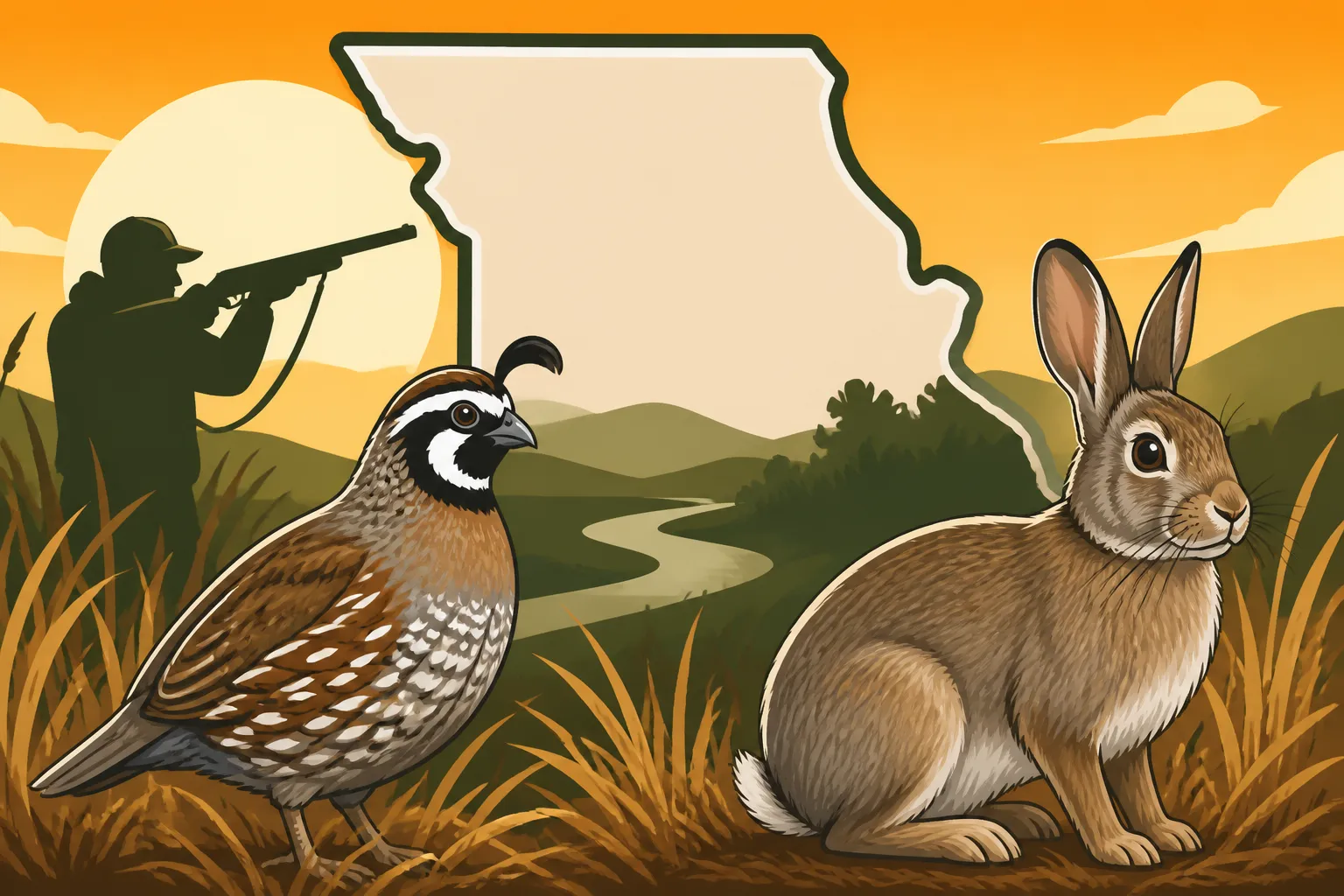
Missouri Quail and Rabbit Seasons
For many of us who grew up in Missouri, the thought of crisp autumn air or a mild winter day often conjures images of chasing fast-flushing quail or wily cottontails. But with changing regulations and sometimes confusing season dates, it can be tough to keep track of when and how you can pursue these classic small game species. This comprehensive guide is here to clear up all that seasonal static, ensuring you're ready to hit the fields and brush piles with confidence, knowing exactly what to expect from Missouri's quail and rabbit hunting opportunities.
Understanding Missouri's Small Game Ethos
There's something profoundly traditional and deeply satisfying about small game hunting in Missouri. It's not always about the trophy rack or the biggest bird; it's about the chase, the dog work, the camaraderie, and simply enjoying a day afield. For many, it's where their hunting journey began, fostering a connection to the land and its cycles that sticks with you for a lifetime.
The Enduring Appeal of Upland Hunting
Think about it: the crunch of frosted grass underfoot, the sudden explosion of wings as a covey of quail erupts, or the frantic dash of a cottontail through dense briars. This isn't just hunting; it's an experience that engages all your senses. Upland hunting, in particular, with its emphasis on walking vast stretches of cover, often with a well-trained dog, offers a unique blend of physical activity and strategic pursuit. It’s a return to simpler times, reminding us of the rich heritage of chasing these agile critters across Missouri’s diverse landscapes.
The appeal isn't just about the hunt itself, but the landscape it takes place in. Missouri offers such a variety, from the rolling farmlands of the north to the brushy draws of the Ozarks. Each habitat presents its own challenges and rewards, making every outing a fresh adventure. This kind of hunting builds character, tests patience, and strengthens bonds, whether you're out with family, friends, or just your trusty canine companion. It’s a truly immersive way to engage with nature.
Small Game as a Gateway to Hunting
For countless hunters, myself included, small game provided the first taste of what hunting truly meant. It’s accessible, often less intimidating than deer or turkey hunting, and teaches fundamental skills like reading sign, understanding habitat, and safe firearm handling. You don't necessarily need specialized equipment or a massive budget to get started; a simple shotgun, some shells, and a willingness to walk are often enough.
This accessibility makes it an excellent entry point for new hunters, especially youth. The fast-paced action and relatively high success rates can be incredibly encouraging, fostering a lifelong passion. Plus, the lessons learned tracking rabbits or understanding quail cover translate directly to other hunting pursuits. It truly is the perfect stepping stone, building a foundation of knowledge and respect for wildlife that serves you well, no matter what game you eventually pursue. It's a fantastic way to introduce the next generation to ethical hunting practices and the joys of the outdoors.
Diving Deep into Missouri's Quail Season
Missouri's bobwhite quail season is a cherished tradition, but hunters often find themselves scratching their heads over specific dates and limits. Understanding the nuances is key to a successful and legal hunt.
Key Dates and Season Structure
The Missouri quail season generally runs from November 1st through January 15th each year. This generous timeframe provides ample opportunity to get out, from the crisp days of early November to the often-chilly, but sometimes incredibly productive, weeks of early January. However, it's always crucial to double-check the Missouri Department of Conservation (MDC) regulations for the current year, as dates can occasionally shift slightly due to conservation needs or calendar alignment.
Historically, the season has remained quite consistent, offering hunters a reliable window to pursue these iconic birds. The opening in November often coincides with cooler temperatures and falling leaves, which can make bird dogs more effective and visibility a bit better. As the season progresses into December and January, the cover might be thinner, forcing birds into tighter, more predictable areas, which savvy hunters can use to their advantage. Remember, the earlier part of the season might have more competition, while late season can offer solitude and different challenges. For detailed information, always refer to the official MDC website or their annual regulations booklet.
Daily Bag and Possession Limits
When it comes to limits, Missouri aims for sustainable harvest while providing a rewarding experience. For quail, the daily bag limit is generally eight birds. This means you can harvest up to eight bobwhites in a single day. But what you bring home also falls under a possession limit, which is typically 16 birds. This possession limit refers to the maximum number of birds you can have on hand at any given time, whether in your freezer, at home, or in your vehicle, from hunts over multiple days.
It’s easy to get these two confused, so always keep them straight. If you hunt for two days and shoot eight quail each day, you’d be at your possession limit of 16. If you plan a longer trip, you'll need to process and consume some birds or head home to stay within the legal possession limit. These limits are set to ensure the long-term health of the quail population, allowing for both recreational hunting and species sustainability. Respecting these limits is part of being a responsible hunter and ensuring future generations can enjoy the same opportunities. You can find detailed information on Missouri Quail Daily Bag Limit within the official regulations.
Regional Quail Hotspots and Trends
Missouri's quail population isn't uniform across the state; certain regions tend to hold more birds, and populations can fluctuate year to year based on weather and habitat conditions. Historically, northern and western Missouri, with their mix of agricultural fields, fencerows, and native grasslands, have often been prime quail country. Areas managed for upland habitat, particularly Conservation Areas, can also be excellent choices.
However, even in prime areas, quail populations are subject to cycles. Cold, wet springs can negatively impact nesting success and poult survival, leading to lower numbers in subsequent seasons. Conversely, mild winters and good nesting conditions can lead to strong population rebounds. Many hunters consult sources like GoHunt's land data and mapping tools to identify potential areas with good cover and habitat, which is crucial for locating birds. Additionally, the MDC's annual outlook reports, often available in late summer or early fall, provide valuable insights into regional population trends and help hunters plan their trips. Understanding Why Missouri Quail Numbers Fell due to habitat changes can help you focus on areas where restoration efforts are making a difference.
All About Missouri's Rabbit Hunting Opportunities
Rabbit hunting, particularly for cottontails, is another beloved small game pursuit in Missouri. It's a fast-paced, often exhilarating hunt that can be enjoyed solo or with a group of friends and a good pack of beagles.
When You Can Hunt Rabbits in Missouri
Missouri's rabbit season is notably long, typically running from October 1st through February 15th. This expansive window provides a fantastic opportunity to hunt rabbits through the full spectrum of fall and winter conditions. The early season, in October, often means warmer weather and thicker cover, requiring keen eyes and quick reflexes. As winter sets in and cover thins, rabbits become easier to spot, especially after a fresh snow, making for different challenges and strategies.
This lengthy season also means you can often combine rabbit hunting with other pursuits, or simply extend your time in the woods after deer or turkey seasons close. It truly offers a continuous opportunity for small game enthusiasts. Always remember to check the current MDC regulations for the precise When Missouri Rabbit Season Runs each year to ensure you're hunting within legal dates.
Bag Limits and Species Identification
For cottontail rabbits, the daily bag limit in Missouri is usually ten, with a possession limit of twenty. This allows for a significant harvest, reflecting the robust and resilient nature of rabbit populations in the state. While cottontails are by far the most common, Missouri also has swamp rabbits in some southeastern lowlands. Swamp rabbits are larger and typically found in wet, swampy habitats. While both are legal to hunt, cottontails are what most hunters encounter.
Accurate identification is important, though unlikely to be an issue for the average hunter. The key is to always adhere to the limits. Similar to quail, the possession limit means you can’t exceed twenty rabbits in your freezer or on hand at any given time from multiple days of hunting. These generous limits allow for plenty of action and provide a great source of wild game meat for the table, contributing to the self-sufficiency that many hunters cherish.
Habitat and Best Times to Hunt
Rabbits thrive in areas with abundant cover – think brush piles, fencerows, briar patches, thickets, and the edges of agricultural fields. They love dense, protective vegetation where they can hide from predators and find food. When Rabbit Hunting Brush Piles, it's often a game of anticipating where they'll dart out. Overgrown fields, especially those near timber, are also prime locations.
The best times to hunt rabbits often align with their activity patterns. Early mornings and late afternoons are generally productive, as rabbits are often out feeding. Overcast days, or days after a light snow, can also be excellent, as rabbits might be more active or easier to spot against a white backdrop. In the mid-season, as cover thins out, pushing through brush with a hunting partner or a dog can be incredibly effective. Even without a dog, still-hunting slowly through likely cover can yield results, especially in areas with fresh sign. Pay attention to their preferred bedding and feeding zones, and you’ll increase your chances significantly.
Permits and Regulations for Small Game Hunters
Navigating the permit system and general regulations can sometimes feel like a puzzle, but it's essential for a legal and enjoyable hunting experience in Missouri.
Required Permits and Licenses
To hunt quail and rabbits in Missouri, you'll need the appropriate hunting permits. For most resident hunters, a Missouri Resident Small Game Hunting Permit is the standard requirement. Non-residents will need a Missouri Nonresident Small Game Hunting Permit. These permits cover a wide array of small game species beyond just quail and rabbits, including squirrels, doves, and various furbearers. Many hunters opt for a Missouri Combination Hunting and Fishing Permit, which covers both activities and is often the most convenient option if you enjoy both.
Youth hunters often have specific regulations and permit structures, so if you're bringing along a new, younger hunter, make sure to check the MDC's youth permit guidelines. It's always a good idea to purchase your permits well in advance of the season and have them on your person, either physically or digitally via the MO Hunting app. Understanding What the Small Game Permit Covers is essential for compliance. You can easily purchase permits online through the MDC website, at most sporting goods stores, or through authorized vendors across the state.
Important Rules and Safety Considerations
Beyond permits, there are several key regulations and safety considerations that all small game hunters must observe. Legal shooting hours for small game generally run from one-half hour before sunrise to one-half hour after sunset. Always be aware of property boundaries, especially when hunting near private land. If you're on public land, such as a Conservation Area, be sure to check any specific area regulations regarding vehicle use, camping, or other activities, as these can vary.
Hunter orange is not typically required for small game hunting in Missouri, except during the firearms deer season or other specific portions where it is mandated for all hunters, regardless of species pursued. However, wearing blaze orange is always a smart safety precaution, especially when hunting with others or in areas where other hunters might be present. Always identify your target clearly and be sure of what lies beyond it. When hunting with dogs, make sure they are under control and don't trespass onto private property. Safety is paramount, and following these guidelines ensures a positive experience for everyone afield.
GoHunt Resources for Planning Your Hunt
In today's age, technology offers incredible advantages for hunters, and resources like GoHunt can be invaluable for planning your small game excursions. This platform, and others like it, often provide detailed maps showing public land boundaries, habitat types, and even topographical features that can indicate prime quail or rabbit habitat. Imagine being able to scout an area from your couch, identifying potential brush piles, fencerows, and field edges before you even put boots on the ground.
These digital tools allow you to layer information, helping you understand access points, potential food sources, and travel corridors for small game. You can mark waypoints for promising spots, track your movements, and even analyze wind direction, all of which contribute to a more efficient and successful hunt. Utilizing such resources can save you countless hours of unproductive walking and help you focus your efforts on the most promising cover, especially when you're exploring new public lands. For a deep dive into using digital tools, you might want to look at Scouting With the Missouri Conservation Atlas, which offers excellent mapping resources.
Tactics and Strategies for Success
Whether you prefer hunting with a dog or going it alone, having a solid strategy can significantly boost your success rate for both quail and rabbits.
Quail Hunting Approaches
Quail hunting is often a team effort, especially with a good bird dog. A well-trained pointer or retriever is arguably the most effective tool a quail hunter can have, as they can locate birds in dense cover that would be impossible for a human to find. When Walking Missouri Quail Country with a dog, pay close attention to where they are working, anticipating the flush. Work in a grid pattern or along habitat edges, moving slowly and deliberately.
For those Hunting Quail Without a Dog, the strategy shifts. You'll need to focus on walking prime habitat — fencerows, field edges, thickets, and areas with tall grass and brush. Often, it's about systematically "kicking out" birds from these covers. A common tactic is to walk in parallel lines with one or more partners, maintaining spacing and communication, effectively sweeping an area. The key is patience and persistence, covering as much suitable habitat as possible. Listen for their distinctive "bob-white" call or the rustle of wings in the brush.
Effective Rabbit Hunting Methods
Rabbit hunting offers a few distinct approaches, each with its own charm and effectiveness. The most classic method is often with a pack of beagles. These dogs are purpose-bred for rabbit hunting, with their keen noses and relentless drive to track. When Running Beagles on Missouri Cottontails, the dogs will pick up a scent, bay loudly, and run the rabbit in a circle, eventually bringing it back towards the hunter's position. This is an exhilarating experience, listening to the chorus of hounds in pursuit. The hunter positions themselves in a likely escape route or near the initial flush area, waiting for the rabbit to circle back.
Without dogs, still-hunting and pushing cover are the primary tactics. Still-hunting involves moving very slowly and quietly through dense rabbit habitat, pausing frequently to scan ahead. Rabbits often sit tight, relying on their camouflage, so a slow approach can help you spot them before they bolt. Pushing cover, especially briar patches and brush piles, is another effective method, often done with a partner. One hunter walks through the cover, while the other positions themselves on the far side or along a likely escape route, ready for the rabbit to break. Look for fresh tracks, droppings, and clipped vegetation to identify active areas.
Working with Dogs vs. Solo Hunting
The choice between hunting with dogs or going solo profoundly impacts the experience. Hunting with dogs, whether pointers for quail or beagles for rabbits, adds an incredible dimension. The bond you form with your dog, the joy of watching them work, and their ability to significantly increase your success rate are unparalleled. Dogs can cover more ground, find birds or rabbits you'd walk past, and retrieve downed game, making the hunt more efficient and often more productive. However, it also requires an investment in dog training, care, and specialized gear like Bird Dog Gear for Missouri Heat and appropriate e-collars.
Solo hunting, on the other hand, offers a different kind of reward: solitude, self-reliance, and the satisfaction of finding game entirely on your own terms. It demands a heightened sense of awareness, excellent observational skills, and a deep understanding of animal behavior and habitat. While it can be more challenging, especially in dense cover, it provides a quiet, introspective experience that many hunters cherish. Ultimately, both methods are valid and rewarding; the "best" choice depends on your personal preferences, resources, and the type of experience you seek.
After the Hunt: Care and Conservation
A successful hunt doesn't end when the shot is fired. Proper field care ensures the quality of your harvest, and understanding the broader conservation picture is vital for the future of small game hunting in Missouri.
Field Care and Processing Your Harvest
Once you've harvested a quail or rabbit, prompt and proper field care is essential, especially on warmer days. For quail, you'll want to cool them down quickly. Many hunters will simply carry them in an upland vest, but if it's warm, getting them gutted and plucked (or skinned) as soon as possible, then placed in a cooler, is best. Some even carry small game bags or a cooler in their vehicle for immediate transfer.
Rabbits also benefit from quick field dressing. Most hunters will gut a rabbit shortly after harvest, and then get it cooled. The hide can be removed easily once it’s cooled, or even skinned in the field. Removing the entrails immediately helps to cool the carcass and prevent spoilage, ensuring the meat is tender and delicious for the dinner table. Remember to always wash your hands thoroughly after handling game. Having a good, sharp field dressing knife is invaluable, and some hunters even carry small game shears for convenience. These simple steps make a huge difference in the eating quality of your wild game.
The Role of Habitat in Small Game Populations
The health of Missouri's quail and rabbit populations is inextricably linked to habitat availability and quality. Both species thrive in diverse landscapes featuring a mosaic of cover types: dense grasslands for nesting, brushy thickets for escape and thermal cover, and nearby food sources like seeds and greens. Unfortunately, habitat loss and fragmentation, often due to changing agricultural practices and development, are significant challenges. This is why understanding Habitat Loss and Missouri Quail is so important for hunters and conservationists alike.
The Missouri Department of Conservation and various private land programs actively work to restore and enhance small game habitat. This includes prescribed burns, planting native grasses and forbs, creating brush piles, and managing field borders. As hunters, we can contribute by supporting these conservation efforts through permit purchases and donations, and even by implementing habitat improvements on our own land if possible. By advocating for and participating in habitat restoration, we ensure that Missouri's fields and fencerows continue to support healthy populations of quail and rabbits for generations to come. It’s a direct way to give back to the resource that provides us with such incredible experiences.
Missouri Small Game Seasons at a Glance
To make things a little easier to digest, here’s a quick overview of the key dates and limits for quail and rabbit in Missouri. Always consult the official MDC regulations for any last-minute changes or specific county rules.
| Species | Season Dates | Daily Bag Limit | Possession Limit | Typical Habitat | Primary Hunting Method |
|---|---|---|---|---|---|
| Quail | Nov 1 – Jan 15 | 8 birds | 16 birds | Field edges, native grass, brushy draws, fencerows | With bird dog, systematic walking, blocking |
| Rabbit | Oct 1 – Feb 15 | 10 rabbits | 20 rabbits | Briar patches, brush piles, thickets, field edges | With beagles, pushing cover, still-hunting, blocking |
Remember, these are general guidelines, and it's your responsibility as a hunter to confirm all specific regulations with the Missouri Department of Conservation before heading afield.
Disclaimer
Please be aware that hunting regulations, season dates, and permit requirements can change. Always consult the latest official regulations from the Missouri Department of Conservation (MDC) before planning any hunting activity. This guide is for informational purposes only and should not be considered a substitute for official legal documents.