Habitat Loss and Missouri Quail
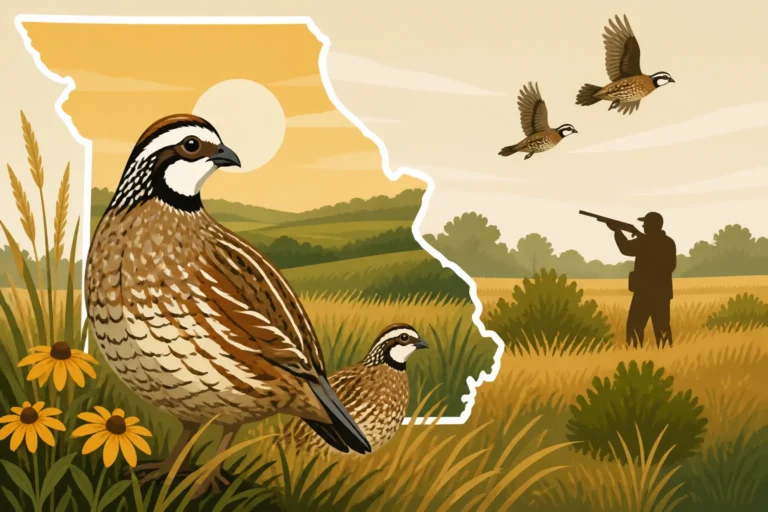
It's heartbreaking, isn't it? You hear the old timers talk about coveys of bobwhite quail exploding from every field edge, but for so many of us, that's just a wistful memory. The simple truth is that Missouri's quail population has faced immense challenges, and a huge part of that struggle boils down to habitat loss. This guide will walk you through the historical shifts and ongoing issues that have stripped away the vital cover and food sources these iconic birds need to thrive, and how we can all be part of the solution.
The Vanishing Mosaic: Understanding Historical Quail Habitat
To truly grasp what Missouri quail have lost, we need to picture the landscape as it once was. It wasn't just a wild, untamed wilderness, but a complex tapestry of habitats that perfectly suited the bobwhite's needs. Understanding this historical context helps us see what we're working to restore.
Missouri's Pre-Settlement Bobwhite Bounty
Imagine Missouri before widespread settlement. Vast tracts of tallgrass prairie dominated the northern and western parts of the state, interspersed with oak-hickory woodlands and savanna. These weren't dense, unbroken forests; instead, they featured open understories maintained by natural fire regimes and grazing bison. This created an incredible mosaic of habitat – prairie grasses for nesting and escape, edges of timber for roosting and thermal cover, and a rich diversity of native forbs and insects for food.
This dynamic ecosystem provided everything a quail covey could ever want. The prairies offered excellent nesting cover, with clumps of native grasses creating sheltered bowls for their delicate eggs. The open woodlands and savanna offered crucial winter cover, with scattered brush and natural clearings. Crucially, the diverse plant communities supported an abundance of insects, which are absolutely vital for growing quail chicks, providing the protein they need in their first few weeks of life. The landscape was a natural "edge habitat" factory on a grand scale, constantly changing and regenerating.
Early Agriculture: A Mixed Blessing for Quail
When settlers arrived and began converting the prairies and woodlands into farms, the initial impact was, surprisingly, often beneficial for quail. Small, diversified farms meant a patchwork of cultivated fields, hayfields, pastures, and small woodlots. Critically, these early farms were defined by their "edge habitat." Think about those old black and white photos: tangled fencerows separating fields, hedgerows along creeks, brushy draws cutting through pastures, and weedy corners left untended.
These elements created an abundance of the low, dense cover that quail require for nesting, raising broods, and escaping predators. The small fields and varied crops provided diverse food sources throughout the year. Waste grain, weed seeds, and insects thrived in this environment. While large-scale prairie was lost, it was replaced by a fragmented agricultural landscape that, for a time, inadvertently provided an ideal habitat for bobwhites, leading to a boom in their population for several decades. This period is often romanticized in hunting lore, and it truly was a golden age for quail.
The Modern Drivers of Quail Habitat Loss
Fast forward to today, and the landscape looks dramatically different. The small, diversified farms are largely gone, replaced by highly efficient, large-scale agricultural operations and expanding urban areas. These changes have profoundly altered the land, making it increasingly difficult for quail to find the year-round habitat they need.
The Era of "Clean Farming" and Agribusiness
Modern agriculture, while incredibly productive, has been particularly hard on quail. The trend towards "clean farming" means bigger fields, fewer fencerows, and aggressive weed control. Tractors are larger, making it more efficient to farm right up to the property line, eliminating those crucial brushy edges and weedy borders where quail once found refuge. What little edge remains is often mowed or sprayed with herbicides, leaving it barren.
The shift to monoculture farming, with vast fields of corn and soybeans, further compounds the problem. While these crops offer some temporary cover during the growing season, they become biological deserts once harvested, leaving quail exposed and food-scarce in winter. Furthermore, the widespread use of pesticides dramatically reduces insect populations, which are the primary food source for quail chicks. Without these vital insects, poult survival plummets, directly impacting Missouri Turkey Population Trends and the overall population.
The Silent Erosion of Early Successional Cover
Quail are birds of "early successional habitat"—meaning areas of young, regenerating plants, weeds, and brush. They don't do well in dense, mature timber or manicured lawns. Today, a major problem is the lack of natural or managed disturbance that once created these habitats. Fires are suppressed, fields are no longer left fallow, and many pastures are either overgrazed to bare dirt or under-grazed, allowing them to become choked with fescue or mature trees.
This leads to a landscape where critical nesting cover, brood-rearing cover, and winter escape cover are all severely diminished. Think about a field that used to have a weedy border: now it's either clean-farmed or has grown into dense saplings, offering no use to quail. Even standing timber, if the understory is too thick or too open, won't provide the diverse layers quail need. The nuanced balance of open ground, low weeds, and scattered brush, which is so important for quail, has largely disappeared from much of the state.
Urban Sprawl and Fragmented Landscapes
Beyond agriculture, the expansion of human development also contributes significantly to quail habitat loss. As towns and cities grow, they consume prime habitat, replacing fields and woodlands with housing developments, shopping centers, and infrastructure like roads and power lines. This direct loss of habitat is obvious, but the fragmentation it causes is equally damaging.
Even if a small patch of suitable habitat remains, it often becomes isolated, surrounded by urban or suburban areas that act as barriers to quail movement. This fragmentation prevents coveys from easily finding new food sources, escape cover, or other coveys to breed with, leading to genetic isolation and increased vulnerability to predators. Areas that were once part of a larger, interconnected quail landscape are now small, unsustainable islands. Scouting for quail in these fragmented areas can be tricky, but tools like GoHunt, with their detailed mapping layers, can help you identify any remaining pockets of potential habitat, even near developed areas.
The Battle Against Invasive Species and Degraded Habitat Quality
It's not just about losing acres; it's also about the quality of the habitat that does remain. Many areas that visually appear "brushy" or "weedy" are actually filled with non-native, invasive plant species that offer little to no benefit for quail, and in many cases, actively harm them.
The Scourge of Fescue and Sericea Lespedeza
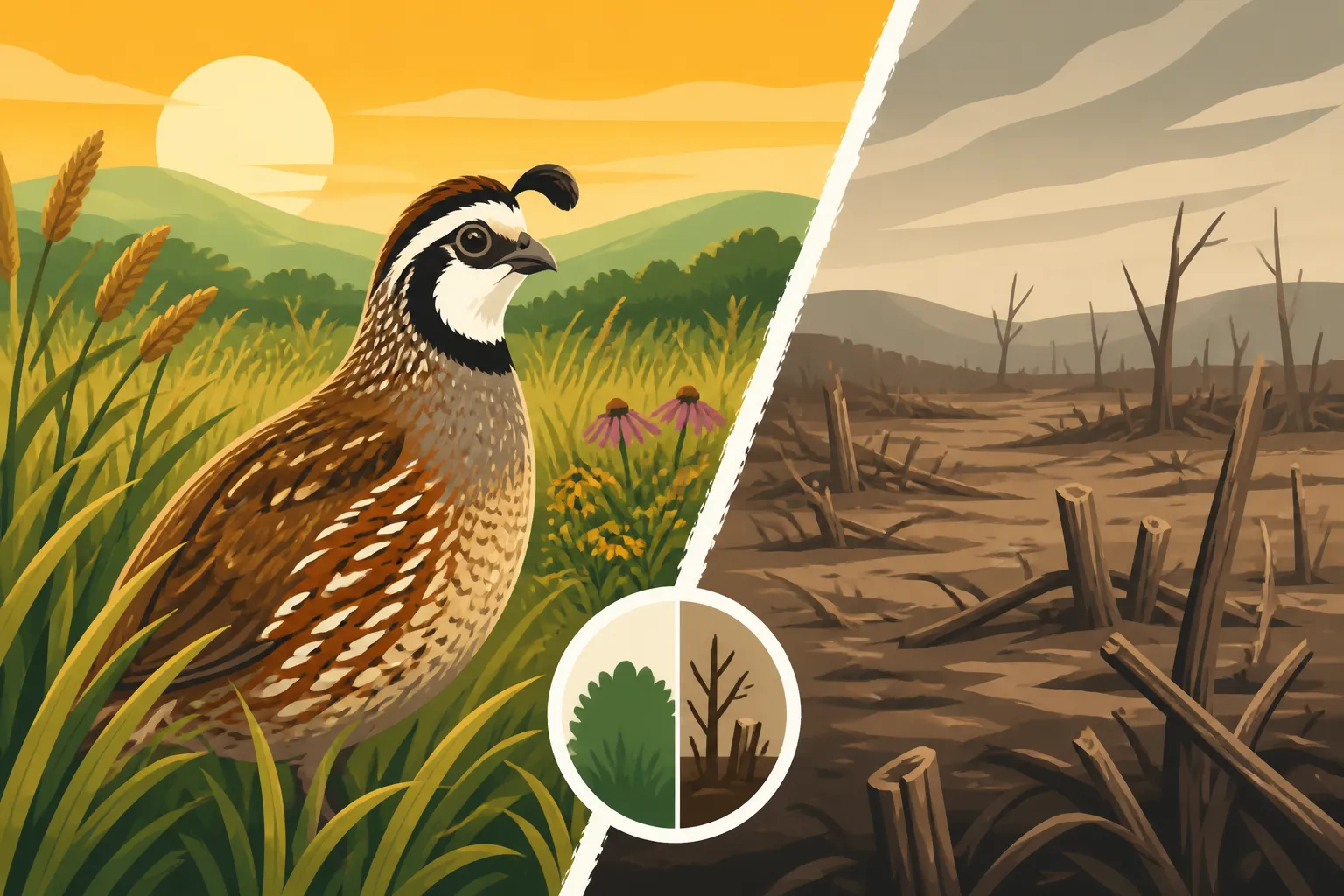
Two of the most notorious culprits in Missouri are tall fescue and sericea lespedeza. Tall fescue, a non-native cool-season grass, was widely planted for livestock forage and erosion control. While it produces a lot of forage, it grows in a dense, sod-forming manner that makes it nearly impenetrable for small birds like quail. Chicks struggle to move through it, and adult quail avoid nesting in it because it offers poor concealment and low insect diversity. It essentially creates a "biological desert" from a quail's perspective.
Sericea lespedeza is another highly invasive plant that forms dense, woody thickets. Once established, it chokes out native plants, creating a monoculture that provides excellent cover for some larger animals but is too dense and lacks the open ground space quail need to maneuver, forage, and escape. Like fescue, it significantly reduces the diversity of insects and native seed-producing plants that are vital food sources. Controlling these species is a constant uphill battle for landowners and conservation agencies, as they spread aggressively and are tough to eradicate.
Other Non-Native Threats to Native Cover
Beyond fescue and sericea, other invasive species like autumn olive, honeysuckle, and multiflora rose also contribute to habitat degradation. While some of these might offer temporary cover, they often grow too dense, lack the structural diversity of native plants, and don't provide beneficial food sources. They aggressively outcompete native grasses and forbs, further simplifying the plant community and reducing the overall quality of habitat. This problem is particularly acute in neglected fencerows, woodlot edges, and old fields, which would otherwise be prime locations for bobwhites.
The consistent presence of these invasive species means that even when landowners try to create quail habitat, they first have to fight a battle against these entrenched invaders. It's a complex management challenge that requires sustained effort, often involving herbicide treatment, prescribed burning, and mechanical removal to create space for native plant communities to rebound. Why Missouri Quail Numbers Fell is inextricably linked to this battle against invasive plants.
Rebuilding the Bobwhite Home: Strategies for Habitat Recovery
Despite the challenges, there's hope! Dedicated individuals, landowners, and conservation organizations are working tirelessly to reverse the trend of quail decline by focusing on habitat restoration. It's a long-term effort, but every acre brought back to life makes a difference for Missouri's bobwhites.
Landowner Initiatives and Conservation Programs
Many Missouri landowners are passionate about bringing quail back to their properties. Conservation programs offered by the Missouri Department of Conservation (MDC) and organizations like Quail Forever provide technical guidance and financial assistance to help private landowners implement quail-friendly practices. This often involves converting fescue pastures to native warm-season grasses, planting diverse native forbs, establishing pollinator strips, and conducting prescribed burns.
Prescribed fire is a critical tool for managing early successional habitat, mimicking natural processes that once kept prairies and open woodlands healthy. It reduces woody encroachment, stimulates native plant growth, and creates the bare ground and diverse vegetation structure that quail need. Timber stand improvement (TSI) in woodlands, which involves thinning trees to create a more open understory and promote beneficial native plants, is another effective strategy. These initiatives are vital, as the vast majority of Missouri's land is privately owned. Organizations like Quail Forever are particularly active, helping landowners navigate the complexities of Missouri Quail Restoration Landscapes.
The Hunter's Role in Quail Restoration and Scouting
Hunters play a crucial role, not just as advocates for conservation, but also through direct action and financial support. Your permit dollars directly fund many of the MDC's habitat projects. Beyond that, many hunters volunteer their time for habitat workdays or join organizations dedicated to upland bird conservation. Understanding good quail habitat is also essential for success in the field. When Walking Missouri Quail Cover With a Dog or even Hunting Missouri Quail Without a Dog, knowing what to look for—patches of native grass, brushy draws, edges of crop fields with good cover—can make all the difference.
Tools like GoHunt can be incredibly valuable for scouting, allowing you to examine aerial maps and public land boundaries to identify potential areas with good habitat characteristics. You can look for the tell-tale signs of early successional habitat, native grass plantings, or diverse field edges on conservation areas. Reading Aerial Photos for Ozark Deer principles can also apply to quail, helping you identify structure. By focusing your efforts on areas where habitat work is being done or where natural features provide good cover, you increase your chances of finding birds and support the broader effort to restore the bobwhite to its rightful place in the Missouri landscape. Don't forget to study the Missouri Quail Season Dates before you head out!
Here's a quick look at how habitat changes have impacted quail needs:
| Habitat Feature | Pre-Settlement/Early Agriculture (Ideal) | Modern Agriculture/Development (Challenging) | Impact on Quail |
|---|---|---|---|
| Nesting Cover | Clump-forming native grasses, prairie forbs | Dense fescue, mowed field edges, lack of native grasses | Reduced nesting success, increased predation |
| Brooding Cover | Diverse native weeds, abundant insects, bare ground | Monoculture crops (after harvest), pesticide-reduced insects, dense invasives | Starvation of chicks, inability to move, poor escape cover |
| Winter Cover | Brushy draws, hedgerows, open timber with diverse understory | Clean fencerows, dense single-species timber, lack of woody structure | Exposure to elements, increased predation, lack of thermal protection |
| Food Sources | Native seeds (ragweed, lespedeza), diverse insects | Waste grain (seasonal), limited native seeds, reduced insect populations | Fluctuating food availability, nutritional deficiencies, low energy reserves |
| Connectivity | Large, interconnected blocks of diverse habitat | Fragmented patches, isolated by roads/development/clean fields | Genetic isolation, reduced dispersal, vulnerability to localized issues |
Disclaimer
This article is for general informational purposes only and does not constitute professional advice. Laws, prices and regulations vary by location and change over time. Consult a qualified professional for guidance on your specific situation.