Finding a Processor That Takes Donations
It’s a truly gratifying feeling to have a successful hunt, whether you’ve put in the miles for a North Missouri giant or simply filled a tag close to home. But once the excitement of the harvest settles, a common question arises: what do you do with all that delicious, healthy wild game meat? For many Missouri hunters, sharing the bounty with those less fortunate is a priority, but the practical side of finding a processor willing to accept donated deer can be surprisingly tricky. This guide will walk you through everything you need to know about navigating the donation process in Missouri, ensuring your generosity makes a real difference.
Understanding Missouri's Share the Harvest Program
Missouri truly shines with its commitment to community, and the Share the Harvest program is a beautiful example of that spirit in action. This initiative, which has been going strong for years, connects hunters with local food banks and families in need by facilitating the donation of venison. It’s not just about giving away meat; it's about providing high-quality, lean protein that might otherwise be out of reach for many.
How the Program Works for Hunters
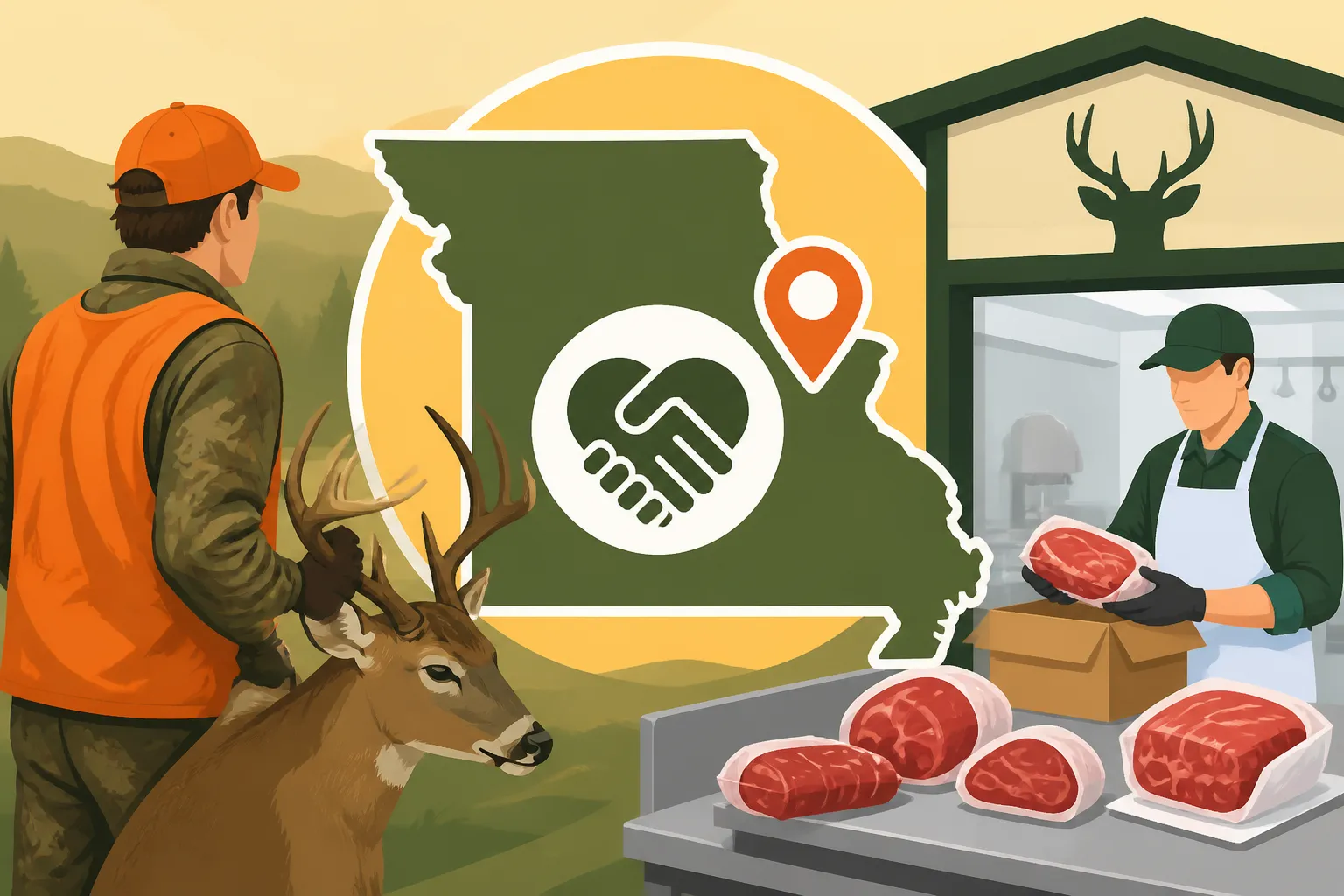
Participating in Share the Harvest is straightforward, but it does require a few specific steps on your end. First and foremost, you need to harvest your deer legally and successfully check it through the Telecheck system. Telechecking a Missouri Deer is a non-negotiable step for any deer taken in our state, whether for personal consumption or donation. Once your deer is checked, the next crucial step is to locate a participating meat processor. These aren't just any old butchers; they are facilities that have specifically agreed to process donated deer, often at a reduced rate or even for free, with the processing costs typically covered by generous sponsors or conservation groups. When you drop off your deer, you simply let the processor know you intend to donate it through the Share the Harvest program. They will handle the butchering and packaging, and then coordinate with local food pantries for distribution. It’s a seamless way to contribute, making it easy for hunters to make a real impact without having to personally distribute the meat.
The Impact of Your Donation
Imagine the impact a few pounds of venison can have on a family struggling to put food on the table. In Missouri, the Share the Harvest program has been incredibly successful, with hunters donating thousands of pounds of venison each year. Share the Harvest Program Numbers showcase just how much good this collective effort does. This isn't just a handout; it's a hand up, providing nutritious meat that helps stretch budgets and provides essential protein. For many, this might be the only chance they have to enjoy venison, and it’s a direct link between the conservation efforts of hunters and the well-being of our communities. It truly embodies the idea that hunting is more than just a sport; it's a vital part of our state's heritage and a powerful force for good.
Common Misconceptions About Donating
Sometimes, hunters shy away from donating because of misunderstandings about the process. One common misconception is that donating a deer is complicated or incurs significant out-of-pocket costs. While some processors might ask for a small contribution to cover their costs, many offer the service entirely free for donated deer, thanks to the program’s sponsors. Another concern might be about the quality of the donated meat. Rest assured, Share the Harvest only accepts properly field-dressed and cared-for animals, ensuring that the venison distributed is of the highest quality, just as you'd expect for your own freezer. The program is designed to be as easy and beneficial as possible for both the donor and the recipient, removing barriers that might prevent a good deed from happening.
Locating Participating Processors
Finding a processor that takes donations is perhaps the biggest hurdle for many hunters. It’s not always obvious, and a quick internet search might not give you the specific information you need. But with a few targeted approaches, you can easily pinpoint the right place to take your deer.
Utilizing Online Resources and Maps
The Missouri Department of Conservation (MDC) is your absolute best friend when it comes to finding a Share the Harvest processor. They maintain an updated list on their website, often searchable by county or region. This list typically includes the processor’s name, contact information, and sometimes even notes about any specific requirements or costs. Websites like GoHunt might also have community forums or resources where local hunters share their experiences and recommendations for processors in various areas, which can be incredibly helpful for finding those hidden gems. Before heading out on your hunt, especially if you plan to donate, it’s always a good idea to check this list and have a couple of options in mind for processors near your hunting area. Having this information handy on your phone, perhaps even a screenshot, can save you a lot of scrambling after a successful harvest.
Local Knowledge and Community Connections
Beyond official lists, the hunting community itself is a fantastic resource. Strike up a conversation with fellow hunters at your local sporting goods store, your hunting club, or even the check station if one is available. Many experienced hunters have a go-to processor for donations and can offer first-hand advice or tell you about a local butcher who goes above and beyond. These personal recommendations can be invaluable, especially for smaller, family-run operations that might not have a huge online presence but are deeply committed to the Share the Harvest program. Remember, many of these processors have been supporting the program for years, becoming integral parts of the local hunting and charitable landscape. Don't be afraid to ask around – you'll often find a wealth of knowledge and helpful suggestions.
Calling Ahead and Confirming Details
Once you have a few potential processors identified, the next step is crucial: pick up the phone and call them. Don't just show up with a deer, especially late in the season or during peak hunting pressure. Processor hours can vary, their capacity might be limited, and their specific donation requirements can change. When you call, confirm they are still participating in the Share the Harvest program, ask about their current operating hours, and inquire if there are any specific guidelines for donated deer. Some might prefer the deer to be skinned, while others might accept them whole. Clarify any potential costs associated with the donation; while many are free, some might have a nominal fee to cover basic expenses, and it’s always best to know upfront. A quick call prevents misunderstandings and ensures a smooth donation process for everyone involved.
Here's a quick comparison of factors to consider when choosing a processor for your donated deer:
| Factor | Description | Why it Matters |
|---|---|---|
| Participation | Explicitly part of Missouri's Share the Harvest program. | Ensures your donation goes to those in need via official channels. |
| Cost | Are processing fees for donated deer covered, or is there a hunter contribution? | Helps you budget and avoid surprises. |
| Capacity & Hours | Can they accept deer when you plan to drop off? What are their operating hours? | Prevents a wasted trip, especially during busy seasons. |
| Location | Proximity to your hunting area or home. | Minimizes travel time and ensures timely drop-off for meat quality. |
| Preparation Needs | Do they require the deer to be skinned, gutted, or quartered? | Impacts your field dressing procedure and transport. |
| Reputation | What do other hunters say about their service for donated deer? | Ensures quality processing and smooth handling of your contribution. |
Preparing Your Harvest for Donation
Your commitment to donating goes beyond just finding a processor; it includes ensuring the meat is in the best possible condition when it arrives. Proper field care is paramount, not just for your own consumption, but especially when you're providing food for others.
Field Dressing and Initial Care Requirements
The moment your deer is down and legally checked in, the clock starts ticking, especially if it's a warm day during the early archery season or the Hunting Missouri Deer After Christmas period when temperatures can fluctuate wildly. The absolute first step is to Field Dressing a Deer in Warm Weather to cool the carcass quickly. Remove the internal organs as soon as possible to prevent bacterial growth and allow the body cavity to cool. If you can, hose out the cavity with clean water to remove any debris or blood. Then, do your best to Getting Deer Meat Cooled Quickly by hanging the deer in a shaded, well-ventilated area or by packing the cavity with ice in a large cooler if you’re transporting it a distance. The goal is to get that core temperature down as fast as you can. A well-cared-for deer means high-quality venison, which is exactly what the Share the Harvest program aims to provide.
Specific Processor Guidelines
While the general rules for field dressing apply everywhere, individual processors might have their own specific preferences or requirements for donated deer. Some might ask that you not skin the deer, as they prefer to do it themselves to maintain quality control. Others might only accept quartered deer if their facility is small or they're overwhelmed during peak season. This is why that phone call we talked about earlier is so important. When you confirm they accept donations, also ask about their specific preparation guidelines. Adhering to these requests makes the processor's job easier, ensures your donation is accepted without a hitch, and ultimately helps more families receive good meat. For instance, GoHunt community members often share tips about which processors have stricter or more relaxed guidelines, offering practical advice for preparation.
What to Expect at the Processor
When you arrive at the processor with your deer, be ready to provide your hunting permit information and confirm your intention to donate the deer through Share the Harvest. They will likely have a form for you to fill out that confirms your donation and collects any necessary details for the program. The staff will inspect the deer to ensure it's in good condition and suitable for processing. If there are any concerns about the meat, they will communicate them to you. Once accepted, they will take over, handle the skinning (if not already done), butchering, and packaging. You typically won't pick up any meat from a donated deer, as it goes directly into the program's distribution network. It’s a moment of pride, knowing that your successful hunt will directly benefit community members, a wonderful feeling that truly makes all the effort worthwhile.
Beyond Deer: Other Game Donations and Alternatives
While deer venison is certainly the cornerstone of meat donation programs like Share the Harvest, it’s worth exploring if other game animals can be donated and what other avenues exist for generous hunters in Missouri.
Are Other Game Animals Accepted?
The Share the Harvest program in Missouri primarily focuses on white-tailed deer. This is largely due to the sheer volume of deer harvested annually, the widespread availability of processors accustomed to handling venison, and the consistent demand from food banks for this lean, healthy protein. While it’s less common, some individual food banks or local charities might occasionally accept other game animals, such as wild turkey, if they have the means to process and distribute it safely. However, this is usually on a case-by-case basis and requires direct communication with the food bank or charity itself, rather than through a formal program like Share the Harvest. Always call ahead and inquire about their specific policies and any processing requirements before showing up with game other than deer.
Direct Donations and Community Food Banks
If you’ve harvested small game like rabbits or squirrels, or perhaps waterfowl, and wish to donate, your best bet might be to contact local food banks, community pantries, or soup kitchens directly. Many of these organizations are incredibly grateful for any fresh, wild protein, but they often lack the processing facilities or specific licenses needed to handle whole animals. In most cases, you would need to have the meat professionally processed and packaged into ready-to-use cuts before donating it directly. This means absorbing the processing costs yourself. It's a fantastic way to give back, but it requires a bit more legwork on your part. Using tools like GoHunt to scout areas can help you find local organizations in need, and then a simple phone call can confirm their willingness and capacity to accept your generous donation of processed game meat.
Supporting Food Security in Missouri
Ultimately, whether you're donating a deer through Share the Harvest or directly contributing processed small game to a local pantry, you're playing a vital role in addressing food insecurity in Missouri. Every pound of wild game meat contributed helps provide nutritious meals to individuals and families who truly need it. It also highlights the broader positive impact of hunting and wildlife management on our communities. Programs like Share the Harvest are a testament to the generosity of Missouri hunters and the strength of our conservation partnerships. Remember that getting your Missouri Deer Permits and How to Buy One is the first step in this journey, and every successful hunt has the potential to become a gift that keeps on giving. Your efforts, from field dressing to finding the right processor, are deeply appreciated by countless Missourians.
Disclaimer
This article is for general informational purposes only and does not constitute professional advice. Laws, prices and regulations vary by location and change over time. Consult a qualified professional for guidance on your specific situation.