Missouri Feral Hog Elimination
The sight of a wild hog tearing up a pristine creek bottom or a freshly planted field is a truly heartbreaking thing for anyone who cares about Missouri's natural beauty or makes a living from the land. These aren't just nuisance animals; they are an invasive, destructive force that poses a severe threat to our native wildlife, agricultural crops, and overall ecosystem health. If you’ve seen the damage, you know the frustration. This guide will delve into Missouri's comprehensive strategy to eliminate feral hogs, explaining why traditional hunting methods are not only discouraged but prohibited, and how every Missourian can play a part in protecting our state from these destructive invaders.
The Feral Hog Problem in Missouri
For many years, the presence of feral hogs was a growing concern, but in recent times, it has escalated into a full-blown crisis in many parts of the state. These aren't just wild pigs that got loose from a farm; these are aggressive, intelligent, and incredibly adaptable animals that reproduce at an alarming rate, quickly overwhelming local ecosystems. They’ve established populations in numerous counties, especially in the rugged Ozark regions where their presence can often go unnoticed until the damage is already extensive.
A Destructive Invasive Species
Feral hogs are often referred to as "ecosystem engineers" – but not in a good way. They root through the soil with their strong snouts, tearing up native vegetation, disturbing sensitive habitats, and even damaging underground root systems of trees. This rooting behavior leads to significant soil erosion, especially on hillsides and near water sources, which can pollute streams and rivers, impacting aquatic life. Their sheer numbers and relentless activity mean that what starts as a small patch of rooted ground can quickly expand into acres of destruction.
Think about it this way: a group of hogs, known as a sounder, can systematically destroy an area in a single night. This isn’t just aesthetic damage; it’s a disruption of the entire food chain, impacting everything from small insects to large mammals. They compete directly with native wildlife like deer, turkey, and bear for food sources, particularly acorns and other mast crops crucial for winter survival. This competition can put immense pressure on our already established wildlife populations, making it harder for them to thrive. The long-term consequences of this widespread habitat destruction are profound and can take decades to recover from, even if the hogs are successfully removed.
Ecological and Agricultural Damage
The damage these animals inflict isn't confined to wild spaces; it extends directly into Missouri's agricultural heartland. Feral hogs are notorious for destroying crops like corn, soybeans, and wheat, often right before harvest, wiping out a farmer's income in a matter of hours. They’ll also depredate livestock, especially newborn calves and piglets, and spread diseases to domestic animals, which can result in costly quarantines and economic losses for ranchers. The impact on local economies can be severe, affecting not only farmers but also industries that rely on healthy agricultural output.
Beyond agriculture, their impact on water quality is significant. Their rooting and wallowing activities contaminate streams and ponds with E. coli and other bacteria, making water unsafe for both humans and wildlife. They also act as vectors for a host of diseases, including brucellosis, leptospirosis, and pseudorabies, which can be transmitted to livestock, pets, and even humans. The cost of preventing and mitigating this damage, from repairing fences to replacing crops and treating diseased livestock, places an enormous burden on landowners and taxpayers. It's a constant battle, and the sheer reproductive rate of these animals means that if efforts aren't comprehensive and consistent, they quickly rebound.
Missouri's Proactive Elimination Strategy
Understanding the devastating impact of feral hogs, Missouri has adopted a comprehensive, aggressive elimination strategy rather than merely attempting to control their numbers. This approach is rooted in scientific understanding of invasive species management and the unique challenges presented by wild pigs. It’s a unified effort involving state and federal agencies, landowners, and the public, all working towards the common goal of completely eradicating feral hogs from the state. This strategy has meant some difficult decisions, especially regarding public involvement, but they are decisions based on what science proves is most effective for ultimate elimination.
Why Hunting Feral Hogs is Prohibited
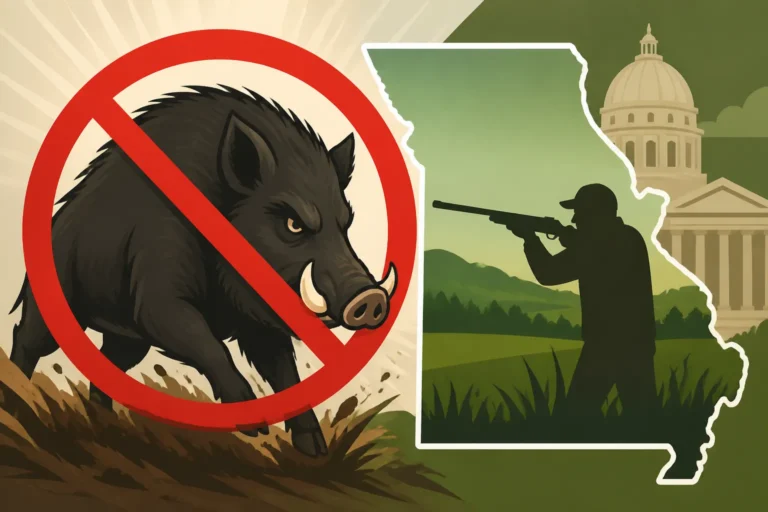
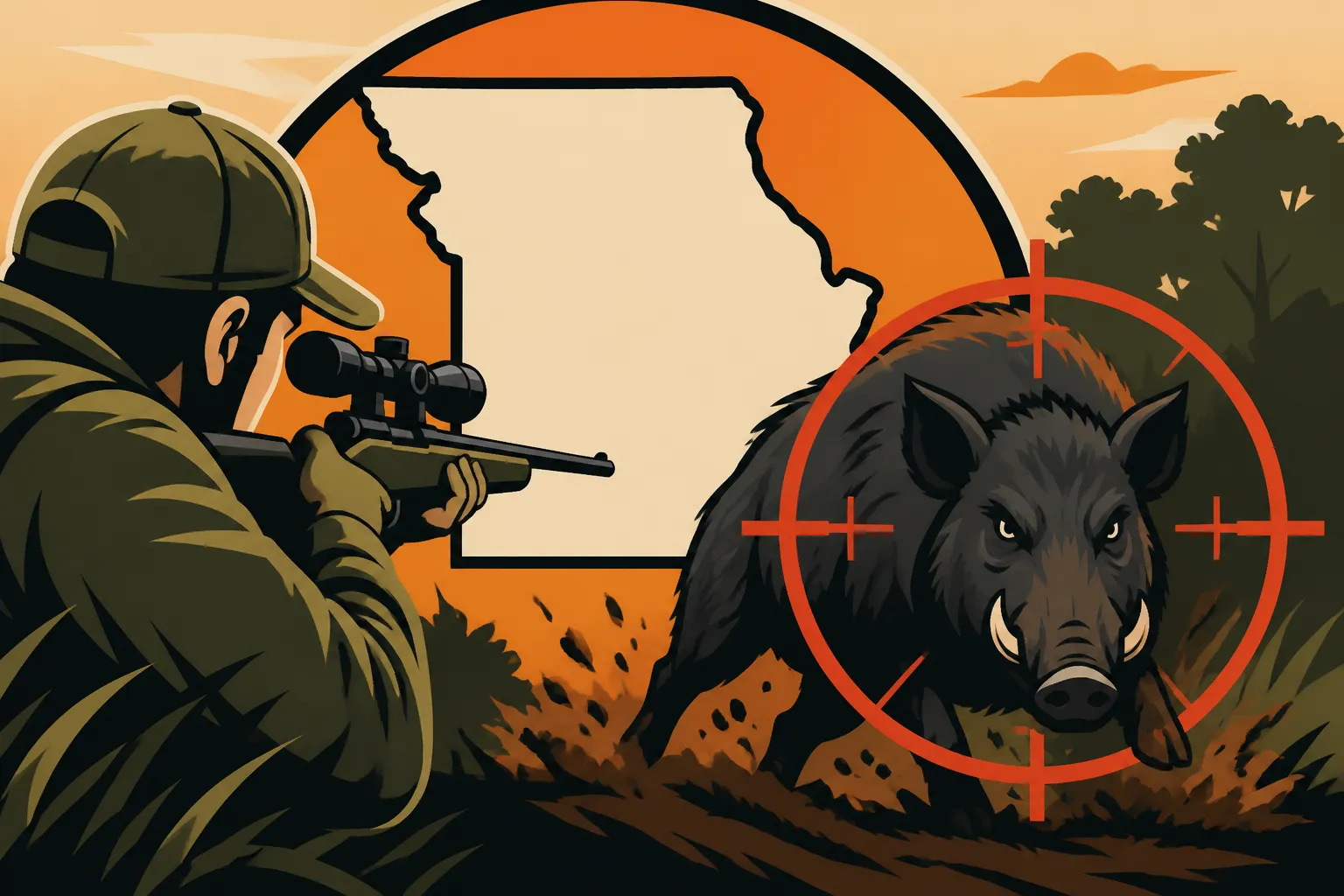
This might sound counterintuitive to many hunters, but the Missouri Department of Conservation (MDC) explicitly prohibits hunting feral hogs on public lands and actively discourages it on private land. The reason is simple and backed by years of research: recreational hunting of feral hogs actually hinders elimination efforts. When hunters pursue hogs, it often scatters the sounder, breaking up established groups and making them warier. This dispersal can spread hogs into new areas, further expanding their range and complicating trapping efforts.
Imagine a sounder of twenty hogs. A hunter might take one or two, but the remaining eighteen will scatter, becoming highly elusive and much harder to trap. This is known as "compensatory reproduction" and "learned avoidance" – the hogs become harder to catch, and the remaining ones breed even faster to compensate for losses. Instead of reducing the population, hunting often perpetuates the problem by making effective eradication strategies like whole-sounder trapping incredibly difficult. The state's primary focus is on efficient, targeted removal of entire groups, which means avoiding any activity that might disperse them. This is a critical point that the MDC has tried to communicate broadly: while it feels good to pull the trigger, it actually works against the ultimate goal of eliminating them from Missouri. For more details, read about Why Missouri Banned Feral Hog Hunting.
The Shift from Control to Eradication
Missouri's strategy is not about managing feral hog numbers to a "tolerable" level; it's about complete eradication. This shift in philosophy came after it became clear that traditional hunting and sporadic control efforts were simply not working. The reproductive rate of feral hogs is astonishing, with sows capable of having multiple litters per year, each with 4-10 piglets. This biological reality means that any strategy short of complete removal will inevitably fail as their numbers will quickly rebound.
The eradication approach focuses on removing entire sounders. This requires systematic, persistent effort using specialized techniques. It’s a long-term commitment that recognizes the invasive nature of the species and the severe threat they pose. This is where the coordinated efforts of state and federal agencies come in, deploying resources and expertise that go far beyond what individual hunters or landowners can typically achieve. The goal isn't just to kill hogs, but to remove every single one from a given area, preventing re-establishment and migration. This means intense follow-up and verification once an area is cleared to ensure no hogs remain.
Coordinated Efforts on the Ground
Achieving true eradication requires a multi-faceted approach, with coordinated efforts from various agencies and active participation from the public. Missouri’s strategy is built on intelligence gathering, sophisticated trapping techniques, and, when appropriate, more aggressive measures like aerial shooting. It’s a strategic battle, not a casual hunt, and every piece of the puzzle, from a landowner's report to a skilled trapper's deployment, plays a crucial role. This isn't just about showing up with a rifle; it's about systematic, science-based removal.
Trapping: The Primary Tool
The most effective method for eliminating entire sounders of feral hogs is large-scale trapping. This isn’t your grandpa’s hog trap; these are sophisticated corral traps designed to capture many animals at once. The process typically involves pre-baiting an area for several days or weeks, allowing the hogs to become comfortable entering the trap location to feed. Remote cameras monitor their behavior, ensuring that the entire sounder is consistently visiting the site. Once all the hogs in a group are identified as regularly entering the trap, the trap is remotely triggered, capturing every animal.
This method is highly successful because it removes the entire social unit, preventing the scattering and wariness that recreational hunting causes. Wildlife biologists and trained technicians, often from the MDC or USDA Wildlife Services, manage these trapping operations. They know how to identify hog travel patterns, select optimal baiting sites, and execute the capture to ensure maximum effectiveness. After capture, all hogs are humanely euthanized on-site, preventing any potential spread of disease or reintroduction into new areas. This focus on whole-sounder removal is fundamental to the eradication strategy.
Aerial Shooting and Other Advanced Tactics
While trapping is the primary tool, there are situations where more aggressive tactics are necessary, particularly in remote, rugged terrain or when hog populations are extremely widespread. Aerial shooting, conducted by trained professionals in helicopters, is an incredibly efficient method for removing large numbers of hogs quickly and effectively from difficult-to-access areas. This method is often employed in conjunction with trapping, or as a follow-up to target elusive individuals that have evaded ground-based efforts.
Other advanced tactics include the use of night vision and thermal optics for targeted removals in areas where hogs are active primarily after dark. This is not recreational night hunting, but a strategic operation executed by professionals using specialized equipment to maximize removal efficiency. Chemical toxicants, while used in some states, are generally not employed in Missouri due to concerns about non-target species and environmental impact. The emphasis remains on targeted, humane, and environmentally responsible methods. The decision to use aerial shooting or other specialized tactics is made based on extensive scouting, population assessments, and strategic planning, ensuring these methods contribute effectively to the overall elimination goal.
Public Cooperation and Reporting
The success of Missouri’s feral hog elimination efforts relies heavily on public cooperation. Hunters, landowners, and outdoor enthusiasts are often the first to encounter feral hogs in new areas. Therefore, reporting sightings is absolutely critical. The MDC maintains a hotline and online reporting tools specifically for feral hog sightings. This information helps biologists track hog movements, identify new problem areas, and deploy trapping teams effectively. It’s important to report specific locations and descriptions of the hogs if possible, as this intelligence is invaluable.
If you are hunting for White-Tailed Deer Across Missouri or Missouri's Restored Wild Turkey Flock and come across hog sign, or even the animals themselves, the most helpful action you can take is to report it. Do not attempt to hunt them yourself, as this can disrupt ongoing or planned trapping operations and inadvertently spread the problem. Landowners with feral hogs on their property are encouraged to contact the MDC or USDA Wildlife Services for assistance; these agencies will provide professional trapping services at no cost. Even if you’re using excellent mapping tools like GoHunt to scout for deer or turkeys, remember that the approach for feral hogs is entirely different; your best contribution is to report, not pursue. Understanding these nuances is key to being a responsible conservationist in Missouri.
The Bigger Picture: Challenges and Long-Term Goals
Missouri's feral hog elimination strategy is a testament to perseverance, but it's not without its challenges. The very nature of these animals – their intelligence, adaptability, and high reproductive rate – makes them a formidable foe. Furthermore, the issue doesn't stop at Missouri's borders, requiring constant vigilance and cooperation with neighboring states. It's a marathon, not a sprint, and achieving the ultimate goal of a hog-free Missouri requires sustained effort and a long-term vision.
Border Challenges and Reinfestation
Missouri shares borders with several states, and feral hog populations don’t respect state lines. Hogs from neighboring states, particularly Arkansas and Oklahoma where populations are more established and hunting is often permitted, can easily cross into Missouri. This constant potential for reinfestation means that even if Missouri successfully eliminates its internal populations, the state must remain vigilant along its borders. The fight against feral hogs is truly regional, and effective strategies often require coordination and cooperation across state lines.
This border challenge highlights the importance of the MDC's comprehensive approach. It's not enough to simply clear a county; ongoing surveillance and rapid response to new incursions are essential to prevent new populations from establishing. This might involve setting up sentinel traps along border areas or conducting targeted aerial surveys to detect any new activity. Understanding the nuances of Missouri Deer Transport Rules might seem unrelated, but the general principle of preventing the spread of wildlife, whether it's disease or an invasive species, is the same. It's about maintaining biosecurity and protecting our state's resources from external threats.
Monitoring and Adaptation in Elimination Efforts
The success of any eradication program hinges on continuous monitoring and the ability to adapt strategies based on new information. MDC and USDA Wildlife Services constantly collect data on hog sightings, trap success rates, and population trends. This data helps them identify areas where efforts need to be intensified, adjust trapping techniques, and allocate resources efficiently. This commitment to scientific monitoring is a cornerstone of Missouri's approach, ensuring that methods remain effective and responsive to the hogs' behavior.
Part of this adaptation also includes public education. Changing public perception about recreational hunting of hogs has been a significant challenge. Continued outreach and clear communication about why the "kill 'em all" mentality, when applied to individual hunting efforts, is counterproductive are vital. The long-term goal is a Missouri completely free of feral hogs, which will protect our native ecosystems, support our agricultural industry, and safeguard our diverse wildlife for generations to come. While you might use a tool like GoHunt to scout for your next hunting adventure, understanding the maps and habitat types also helps you grasp the vastness of the areas that need to be monitored and managed for this invasive threat. It's a continuous process, and the commitment to this goal runs deep within the state's conservation efforts, as seen in ongoing initiatives like Missouri Wildlife Disease Monitoring for all game species.
How to Report Feral Hog Sightings
If you encounter feral hogs or their sign anywhere in Missouri, the most important thing you can do to help is to report it immediately. Your report is crucial intelligence for the Missouri Department of Conservation and their partners in the fight against these destructive animals. It helps them allocate resources, identify new problem areas, and deploy specialized trapping teams. Remember, do not attempt to hunt or pursue the hogs yourself, as this can scatter them and undermine ongoing or planned eradication efforts.
What to Report
When you make a report, try to include as much detail as possible. This information helps the MDC assess the situation and respond effectively. Here’s a breakdown of what details are most useful:
- Date and Time of Sighting: Even an approximate time helps.
- Exact Location: This is the most critical piece of information. Use GPS coordinates if you have them, or describe the location as precisely as possible (e.g., "1 mile north of Highway 17 on County Road 201, near the third timbered draw from the east"). Mention specific land features, streams, or prominent landmarks.
- Number of Hogs: Estimate how many animals you saw. Were there piglets present? This helps determine if it's a breeding sounder.
- Behavior of Hogs: Were they rooting, feeding, running, or resting?
- Type of Sign: If you didn't see the hogs but found their sign, describe it: rooted ground, wallows, tracks, rubs on trees, or scat. Include the extent of the damage if possible.
- Your Contact Information: This allows the MDC to follow up if they need more details or to inform you of actions taken. Your information will be kept confidential.
The more accurate and detailed your report, the faster and more efficiently the MDC can respond. This intelligence is directly fed into their operational planning, making your effort a direct contribution to conservation. Whether you're scouting Public Hunting Land in Missouri or simply enjoying a walk in the woods, keeping an eye out for these destructive invaders is a service to our state.
Reporting Channels
The Missouri Department of Conservation provides several easy ways to report feral hog sightings. Choose the method that is most convenient for you:
| Reporting Channel | Details |
|---|---|
| Online Feral Hog Report Form | This is typically the preferred method for its efficiency. You can access a dedicated form on the MDC website, which guides you through collecting all the necessary information, including the ability to pinpoint locations on a map. |
| MDC Regional Offices | You can contact your local MDC regional office during business hours. A conservation agent or staff member can take your report over the phone or provide guidance. You can find contact information for these offices on the MDC website or by using resources like The Missouri Conservation Atlas to locate nearby offices. |
| USDA Wildlife Services | In some cases, especially for large-scale infestations on private land, you may also contact USDA Wildlife Services directly. They often partner with MDC on eradication efforts and can provide assistance. |
| Contact a Conservation Agent | If you know your local conservation agent, you can also reach out to them directly. They are often very familiar with the local area and can respond quickly to new sightings. If you need to report something urgent, such as Reporting a Poacher in Missouri, this direct contact can be essential, though for hogs, the dedicated forms are often best for data collection. |
It's important to use these official channels rather than relying on social media or informal networks. Your direct report ensures the information goes straight to the professionals who can take action. By becoming an active participant in reporting, you are truly helping to protect Missouri's wildlife and agricultural future from the relentless threat of feral hogs. This ongoing vigilance is what makes a real difference in the long run.
Disclaimer
This article is for general informational purposes only and does not constitute professional advice. Laws, prices and regulations vary by location and change over time. Consult a qualified professional for guidance on your specific situation.