Missouri Wildlife Disease Monitoring
One of the quiet concerns that often weighs on a hunter's mind, perhaps subconsciously, is the health of the very animals we pursue. There's nothing more disheartening than finding a sick deer or hearing rumors of a widespread disease impacting the game we cherish. This guide is here to shed light on Missouri's vital efforts in wildlife disease monitoring, helping you understand what's happening behind the scenes and, more importantly, how you, as a boots-on-the-ground hunter, can play a crucial role in safeguarding our wild resources.
Understanding the Importance of Wildlife Disease Monitoring in Missouri
It's easy to take for granted the robust populations of deer, turkey, and other game animals we have in Missouri. We spend our falls and springs chasing them, enjoying the challenge and the bounty. But beneath the surface, there's a constant, often invisible, battle against diseases that can decimate herds and flocks, impacting not just hunting opportunities but the entire ecological balance. That's why wildlife disease monitoring isn't just a scientific endeavor; it's a critical component of responsible wildlife management.
Think about it: healthy animals are productive animals. They contribute to robust populations, offer good hunting experiences, and generally indicate a healthy environment. When diseases take hold, they can reduce populations, weaken animals, and in some cases, even pose risks to humans or livestock. For Missouri hunters, understanding the state's efforts in this area provides peace of mind and empowers us to be part of the solution rather than just observers. It's about protecting the future of our hunting heritage.
The Silent Threat to Our Deer Herd
Our beloved white-tailed deer are unfortunately susceptible to several serious diseases that Missouri wildlife biologists constantly track. Two of the most prominent are Chronic Wasting Disease (CWD) and Epizootic Hemorrhagic Disease (EHD). These aren't just names in a textbook; they represent real threats that can ripple through deer populations, affecting everything from herd numbers to antler quality. The impact of such diseases can be devastating, leading to noticeable declines in areas that were once teeming with deer.
CWD, for example, is a neurological disease that is always fatal, and its presence can create deep concern among hunters. While EHD outbreaks are typically more localized and often seasonal, they can still cause significant short-term die-offs, especially during hot, dry summers. Imagine scouting a prime hunting spot only to find evidence of widespread disease – it's a gut punch. Monitoring these diseases helps the state understand their spread, implement management strategies, and provide crucial information to hunters so we can make informed decisions in the field. This also ties into crucial discussions like Chronic Wasting Disease in Missouri Deer and EHD Outbreaks in Missouri Deer.
Protecting Other Game Species
While deer often get the spotlight, disease monitoring extends far beyond them. Other game animals, from the majestic wild turkey to the smallest rabbit, are also susceptible to various ailments. For waterfowl hunters, avian influenza is a recurring concern that can impact migration patterns and population health. Small game like rabbits and squirrels can carry diseases that might not be as widespread or fatal on a large scale but are still important to monitor for both animal and human health.
Consider the health of our Missouri's Restored Wild Turkey Flock. Diseases can affect poult survival or the overall vigor of mature birds. Even something like tularemia in rabbits can be a concern, especially for those who enjoy chasing cottontails in the late season. Comprehensive monitoring ensures that wildlife agencies have a holistic view of the ecosystem's health, allowing them to intervene or adapt management practices when necessary. It's a complex web, and every thread matters.
How the Show-Me State Monitors Wildlife Health
The Missouri Department of Conservation (MDC) is the primary agency responsible for wildlife disease monitoring, but they don't do it alone. It's a collaborative effort involving state wildlife biologists, veterinarians, researchers, and critically, hunters like us. This multi-faceted approach ensures that the state can collect data from a wide range of sources and respond effectively to emerging threats. It’s not just about tracking known diseases, but also being vigilant for new ones that might appear on the landscape.
Their work involves everything from active surveillance, like targeted sampling, to passive surveillance, which relies on reports from the public. This dual strategy helps create a more complete picture of wildlife health across the state. They're constantly evaluating new scientific methods and technologies to improve their monitoring capabilities, understanding that early detection is often key to effective management. Keeping up with these efforts can be challenging, but resources like GoHunt can help provide a centralized platform for understanding the latest news and regulations.
Hunter Participation: Your Role in the Bigger Picture
As hunters, we are often the first line of defense when it comes to spotting unusual behavior or signs of illness in wildlife. We spend countless hours in the field, observing animals up close, and our keen eyes can detect things that might otherwise go unnoticed. This is why hunter participation is absolutely vital to Missouri's disease monitoring program. You're not just a recreational user of the resource; you're an integral part of its stewardship.
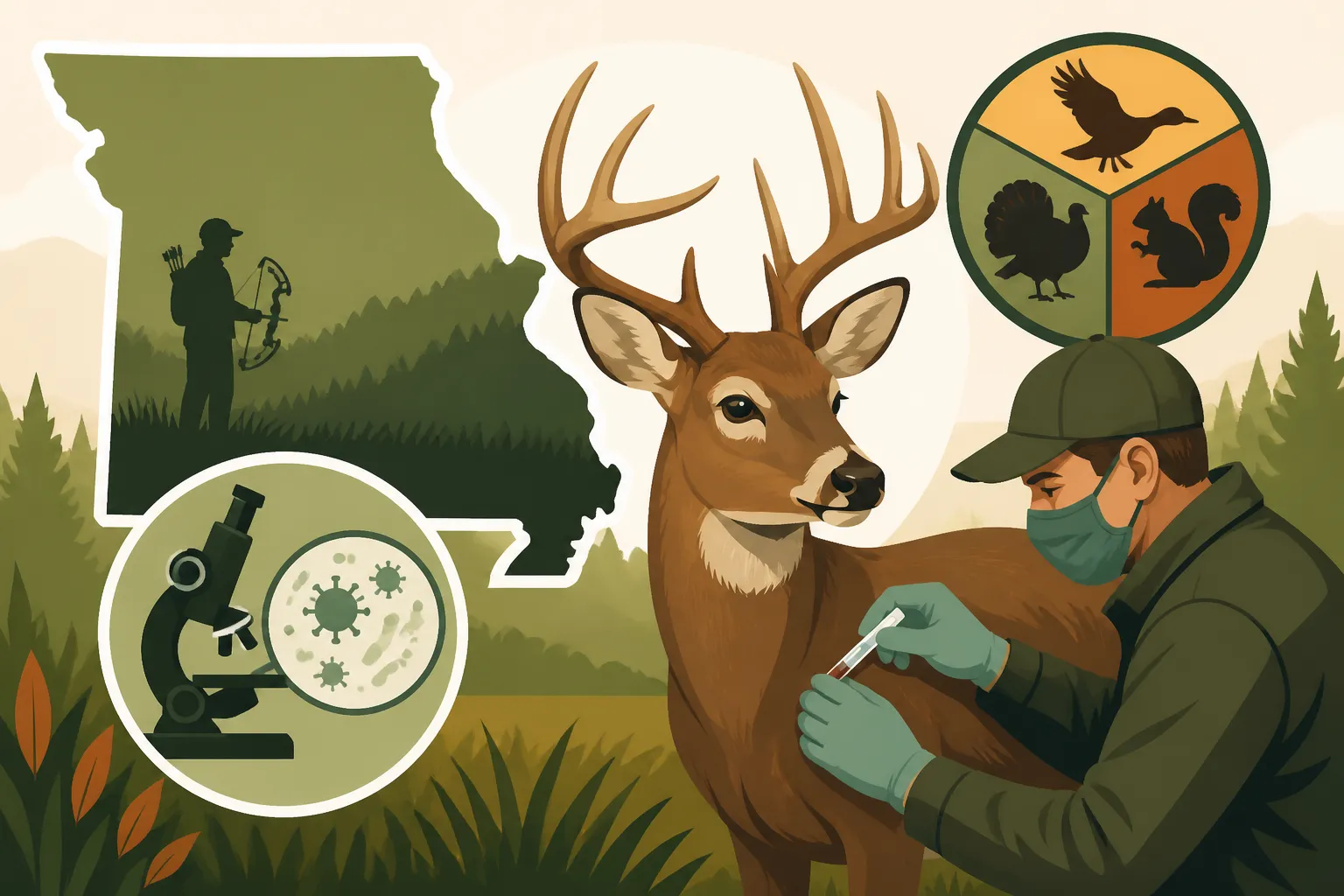
The most common way hunters contribute is through disease sampling, particularly for CWD. During certain deer seasons, hunters are encouraged or even required in specific areas to submit samples from their harvested deer. This process, explained in detail in resources like CWD Sampling and Testing for Hunters, provides invaluable data on disease prevalence and geographic spread. Beyond sampling, simply reporting sick or deceased animals to the MDC is crucial. If you see a deer acting strangely, or find a turkey that appears unusually lethargic, don't just dismiss it. Your report could be the piece of the puzzle that helps biologists identify a new outbreak or track an existing one. It's about being observant and proactive.
Science in the Field: Collection and Testing Protocols
When a sample is collected, whether it's from a hunter-harvested deer or a deceased animal found in the wild, it enters a rigorous scientific process. Biologists and veterinarians meticulously collect tissue samples—often lymph nodes or brainstem for CWD—and prepare them for laboratory analysis. These samples are then sent to specialized labs where they undergo sophisticated testing to detect the presence of disease pathogens.
This isn't a quick process; it requires precision and expertise. The results, once compiled, provide critical data points that inform management decisions, such as where to focus future sampling efforts or if new regulations are needed. The MDC also uses data from broader programs, like How MDC Counts Deer and Turkeys and The Bowhunter Observation Survey, to correlate disease presence with population trends and overall herd health. It's a continuous cycle of collection, analysis, and informed action, all designed to keep our wildlife populations as healthy as possible.
Key Diseases on Missouri Hunters' Radar
While there are many potential diseases that can affect wildlife, a few stand out as consistent concerns for Missouri hunters. Knowing about these specific diseases can help you understand why certain monitoring efforts are in place and what signs to look for while afield. Being informed is the first step in being a responsible hunter and conservationist.
It's also worth noting that the landscape of wildlife health is always evolving. New threats can emerge, and the prevalence of existing diseases can change. Staying current with MDC bulletins and reliable outdoor news sources is a smart move. Platforms like GoHunt often aggregate relevant updates, making it easier for you to stay informed without constantly sifting through multiple government websites.
Chronic Wasting Disease (CWD): What Every Deer Hunter Needs to Know
CWD is undoubtedly the disease that most often comes up in conversations among Missouri deer hunters. It's a highly contagious, fatal neurological disease affecting deer, elk, and moose. It's caused by abnormal proteins called prions, which accumulate in the brain and nervous tissue, leading to a host of debilitating symptoms over time. Animals with CWD might appear emaciated, exhibit abnormal behaviors, have an excessive thirst, or show a lack of coordination. Unfortunately, by the time these signs are obvious, the animal is in the late stages of the disease.
The biggest challenge with CWD is that there is no cure, and it can remain in the environment for a long time, infecting new animals. Missouri has been actively monitoring CWD since 2002, and while it's a serious concern, the MDC has implemented robust surveillance and management strategies. Hunters in specific CWD Management Zones are often crucial to these efforts through mandatory or voluntary sampling. Understanding Missouri CWD Prevalence Rates in your hunting area is vital for making responsible decisions.
Hemorrhagic Disease (EHD): A Seasonal Concern
EHD, or Epizootic Hemorrhagic Disease, is another significant concern for Missouri's deer herd, though it typically manifests differently than CWD. EHD is a viral disease transmitted by biting midges, often called "no-see-ums" or "gnats." Outbreaks usually occur in late summer and early fall, particularly during periods of drought when deer congregate near shrinking water sources, increasing their exposure to the midges.
Symptoms of EHD can range from fever and swelling of the head, neck, and tongue to internal hemorrhages. Severely affected deer might appear lame, lose their appetite, and often seek water, where they may eventually die. While EHD can cause localized die-offs, it typically doesn't have the long-term, population-level impact of CWD, and deer that survive often develop immunity. Still, discovering a number of dead deer during an EHD outbreak can be alarming. Recognizing the signs and reporting them, as covered in Reporting a Sick Animal in Missouri, helps biologists track its severity and distribution.
Other Health Concerns
Beyond CWD and EHD, several other health issues occasionally crop up in Missouri wildlife. Avian influenza, for instance, is always on the radar for waterfowl and turkey hunters. While human cases are rare, it can cause severe disease in birds and has implications for domestic poultry. Biologists regularly test migratory birds to monitor for different strains of the virus.
For those who enjoy pursuing small game, diseases like tularemia and rabies are also monitored. Tularemia, a bacterial disease, can affect rabbits and other small mammals, and can be transmitted to humans. Rabies, though less common in game animals, is a severe neurological disease that can be fatal to both animals and humans. These diseases, while not typically causing widespread population impacts in the same way as CWD or severe EHD outbreaks, underscore the importance of safe handling practices when field dressing any game animal.
Practical Steps for Hunters: What You Can Do
As hunters, we have a unique connection to the landscape and its inhabitants. This gives us a responsibility to be active participants in wildlife health monitoring. Your actions in the field, from observation to proper handling and reporting, directly contribute to the overall health and sustainability of Missouri's game populations. Being informed and taking simple precautions can make a big difference for yourself and the resource.
Staying up-to-date with current information is key. This could mean regularly checking the MDC website or using a reputable hunting intelligence platform like GoHunt to get summarized updates on disease outbreaks, new regulations, or changes in sampling requirements in your hunting areas. Knowledge is power when it comes to protecting our wild places.
Recognizing Signs of Illness in Game
Knowing what a healthy animal looks like is the first step in recognizing a sick one. A healthy deer should be alert, active, and have a generally robust appearance. Signs of illness can include:
- Emaciation: Extreme thinness, a prominent spine or ribs.
- Abnormal behavior: Lethargy, disorientation, unusual fearlessness or aggression.
- Physical symptoms: Excessive drooling, nasal discharge, open sores, lameness, swelling of the head or joints, dull eyes, or a rough coat.
- Respiratory distress: Difficulty breathing, coughing, or gasping.
If you encounter an animal exhibiting these signs, especially if it appears to be CWD-symptomatic or EHD-stricken, it's best not to harvest it. Instead, contact the MDC immediately. Providing detailed information about the location and observed symptoms can be incredibly helpful for biologists. Remember, your call can help protect the herd.
| Disease | Primary Species Affected | Key Symptoms | Transmission | Hunter Action |
|---|---|---|---|---|
| Chronic Wasting Disease | Deer, Elk | Emaciation, abnormal behavior, drooling, lethargy | Direct contact, environmental contamination | Submit samples in designated areas, do not harvest symptomatic animals. |
| Epizootic Hemorrhagic Disease | Deer | Fever, swelling, internal hemorrhages, seeking water | Biting midges (gnats) | Report clusters of dead deer. |
| Avian Influenza | Waterfowl, Wild Turkeys | Respiratory distress, neurological signs | Direct contact, fecal-oral route | Avoid handling visibly sick or dead birds; report unusual bird die-offs. |
| Tularemia | Rabbits, Small Mammals | Lethargy, swollen organs (internal) | Biting insects, direct contact, contaminated water | Wear gloves when handling small game, avoid sick-looking animals. |
| Rabies | Mammals (rare in game) | Aggression, disorientation, paralysis, foaming mouth | Bite from infected animal | Avoid all contact with animals showing signs, report immediately. |
Safe Handling Practices and Carcass Disposal
Proper field dressing and carcass disposal are crucial for both your health and the health of the wildlife population. Always wear disposable gloves when handling any game animal, especially during field dressing. This is a good practice regardless of disease concerns, protecting you from potential bacterial infections. Wash your hands thoroughly with soap and water afterward.
When it comes to carcass disposal, particularly for deer taken in CWD management zones, follow MDC guidelines precisely. These often include restrictions on transporting certain parts of the carcass out of the zone to prevent the spread of the disease. Proper disposal, typically in a landfill, ensures that any potential pathogens are contained. Information on Missouri Deer Transport Rules and Carcass Transport Rules Out of Missouri is essential reading for all deer hunters. Avoid leaving carcasses where other animals might scavenge them, potentially spreading disease further.
Staying Informed with Reliable Resources
The world of wildlife management and disease monitoring is constantly evolving. Regulations can change, new outbreaks can occur, and scientific understanding advances. As hunters, it's our responsibility to stay informed. The Missouri Department of Conservation website is your primary and most reliable source for information on disease surveillance, regulations, and reporting protocols. They publish annual hunting prospect reports and disease updates that are invaluable.
Beyond the official channels, many reputable outdoor media outlets and hunting platforms like GoHunt compile and analyze this information, often making it more accessible and digestible for the everyday hunter. Regularly checking these resources before and during hunting season will keep you abreast of any critical developments. This commitment to staying informed ensures that you're not only a successful hunter but also a responsible steward of Missouri's incredible wildlife heritage.
Disclaimer
This article is for general informational purposes only and does not constitute professional advice. Laws, prices and regulations vary by location and change over time. Consult a qualified professional for guidance on your specific situation.