Missouri Canada Goose Population
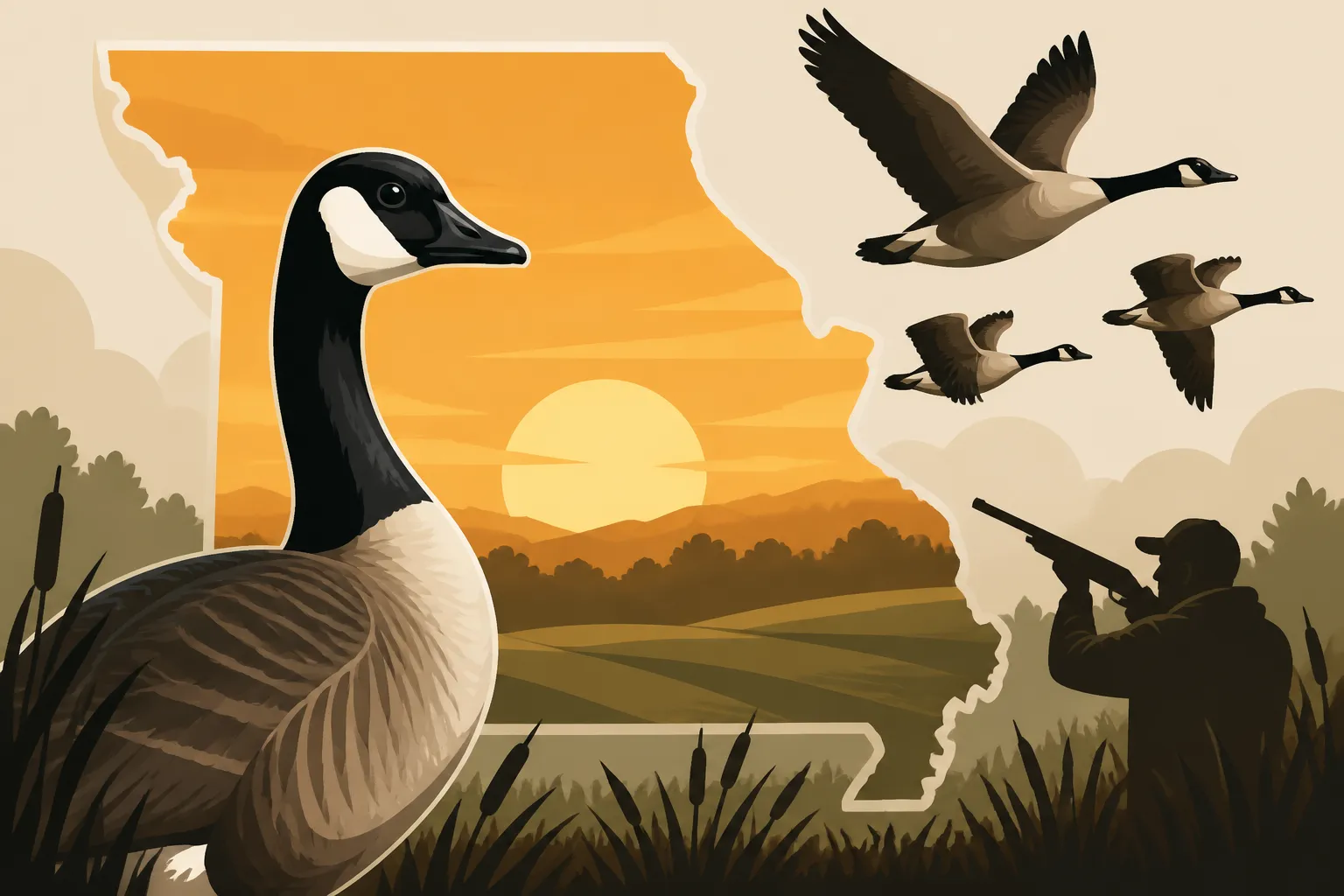
For anyone who spends time glassing cut fields or hunkered down in a blind, there's a certain majesty—and frustration—that comes with trying to understand the Canada goose population in Missouri. One day the sky is black with them, the next, silence. This guide aims to pull back the curtain on these magnificent birds, exploring their numbers, their habits, and where you, the dedicated hunter, can find success in the Show-Me State.
Understanding Missouri's Canada Goose Population Dynamics
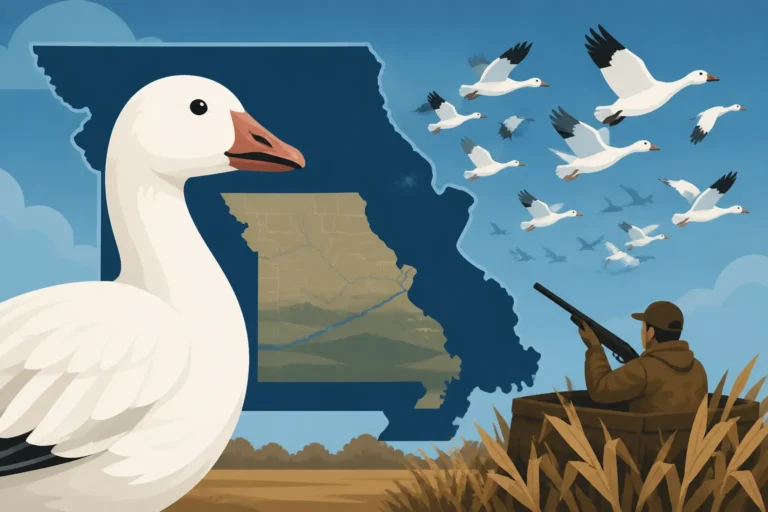
Missouri sits squarely in the Mississippi Flyway, making it a critical pit stop and wintering ground for countless waterfowl, including Canada geese. But it's not just a fly-through state; we also have a robust population of geese that call Missouri home year-round. Understanding these dynamics is key to anticipating their movements and making informed hunting decisions.
The Comeback Story and Current Status
It might be hard to imagine now, but there was a time when Canada geese weren't nearly as common as they are today. Thanks to incredible conservation efforts, strategic reintroduction programs, and excellent habitat management, the Canada goose population has seen a remarkable comeback across North America, and Missouri is no exception. We now host a healthy mix of both migratory geese, which are the birds passing through from northern breeding grounds, and a substantial resident population that nests and raises goslings right here in Missouri. These resident birds are a testament to the success of habitat work and have become a stable part of our waterfowl landscape, offering hunting opportunities even before the big pushes of northern migrants arrive. It's a true conservation success story, and we, as hunters, play a vital role in its continued success through license purchases and participation.
Identifying whether you're seeing a true migrant or a local resident can be tough, as they look pretty similar. However, their behavior often gives them away. Resident geese tend to be more acclimated to human presence and often frequent urban and suburban ponds, golf courses, and smaller private waters. Migratory birds, on the other hand, often arrive in massive waves, keying in on vast agricultural fields and large conservation areas. Both contribute to the overall robust numbers we see, but they offer different hunting challenges and opportunities.
Factors Influencing Goose Numbers Annually
The numbers of Canada geese we see in Missouri can fluctuate quite a bit from year to year, and it’s not just a random occurrence. Several key factors are constantly at play, shaping the health and size of the population that either lives here or passes through. You might notice a banner year with geese seemingly everywhere, or a slower season where finding birds feels like a real grind, and these factors are often why.
One of the biggest influencers is the weather, both on the northern breeding grounds and right here during the migration and wintering periods. Harsh, late springs up north can impact nesting success and gosling survival, leading to fewer birds migrating south. Conversely, an early, severe cold snap up north can trigger a massive, early push of geese into Missouri, filling our wetlands and fields almost overnight. Here in Missouri, mild winters might mean geese stick around longer, or push further south if our weather turns truly nasty. Habitat availability also plays a huge role; without suitable feeding grounds like cut corn or bean fields, and secure loafing and roosting areas, geese simply won't stay long, even if they arrive in droves. Conservation areas and private lands that actively manage for waterfowl, offering diverse food sources and protected resting spots, become magnets for these birds.
Then, of course, there's hunting pressure. While regulated hunting is a vital management tool, localized pressure can certainly shift birds around. A heavily hunted area might see birds move to quieter spots or become incredibly wary. Disease, like different strains of avian influenza, can also impact populations, though thankfully widespread, devastating outbreaks are less common. All these elements combined create the dynamic, ever-changing picture of our Missouri Canada goose population each season. It’s why staying informed and scouting diligently is so important for success.
Where to Find Canada Geese in Missouri
Okay, so we know the geese are here, and why their numbers ebb and flow. But where do you actually find them? This is the million-dollar question for any waterfowl hunter, and the answer typically lies in understanding their fundamental needs: food, water, and safety. Missouri offers a variety of habitats that provide these essentials, from massive public wetland complexes to sprawling private agricultural fields.
Major Waterfowl Refuges and Conservation Areas
Missouri is truly blessed with an impressive network of public lands managed by the Missouri Department of Conservation (MDC) and federal agencies. These areas are specifically designed to attract and hold waterfowl, including Canada geese, and are often your best bet for consistent action. Places like Loess Bluffs National Wildlife Refuge, Swan Lake National Wildlife Refuge, Grand Pass Conservation Area, and Eagle Bluffs Conservation Area are renowned for drawing in thousands of geese during the migration. These large complexes offer vast flooded fields, managed wetlands, and often adjacent refuge areas where birds can rest undisturbed.
Hunting on these managed areas often involves a draw system, especially during peak season, which can be frustrating if you don't draw a low number. However, even if you don't get into a prime blind, understanding the flight patterns around these refuges can lead to opportunities on adjacent public access or by talking to landowners. Think about where birds might stage or feed once they leave the refuge. Tools like The Missouri Conservation Atlas or specialized mapping apps can be incredibly helpful for identifying these areas and understanding their boundaries. You can use platforms like GoHunt to scout these locations, examining aerial maps for key features like open water, feeding fields, and potential access points to help you develop a strategy for Managed Hunt Draws on Missouri Wetlands.
Private Agricultural Lands and River Systems
While public areas are fantastic, don't overlook the incredible potential of private agricultural lands, especially in northern and central Missouri. Canada geese absolutely love cut corn and bean fields. These fields provide a high-energy food source that sustains them through their migration and wintering periods. If you've ever seen a flock of a thousand geese descend on a freshly cut cornfield, you know what I'm talking about. Gaining permission on these private fields can be challenging, but it's often worth the effort. Knocking on doors well before the season opens, being respectful, and offering to help a landowner can go a long way. Understanding Missouri Trespass and Permission Law is crucial here.
Beyond agricultural fields, Missouri's vast river systems, particularly the Missouri and Mississippi Rivers, are critical travel corridors and loafing areas for Canada geese. Sandbars, shallow backwaters, and adjacent timbered islands provide safe resting spots where birds can get out of strong currents or avoid hunting pressure. Hunting Missouri River Sandbars for Ducks can also yield goose opportunities. These areas are often less pressured than managed wetlands, but they require a different approach—often involving boats, precise scouting, and a willingness to work hard. Using a good mapping service, such as the tools available through GoHunt, can help you identify these hidden gems along the rivers and determine land ownership or public access points, allowing you to formulate a plan for Reading Roost-to-Field Flight Lines and potential ambush points.
Hunting Strategies Based on Population Behavior
Once you know where to look, the next step is understanding how to hunt them effectively. Canada geese are intelligent birds, and their behavior can vary significantly depending on whether they're resident birds or migrants, and how much pressure they've faced. Adapting your strategy to their current behavior and local conditions is paramount for success.
Targeting Resident Versus Migratory Birds
Hunting resident Canada geese, those birds that have made Missouri their year-round home, often feels a bit different than chasing the big migratory flocks. Resident geese can be found on smaller farm ponds, city parks (where hunting is generally prohibited, of course), and more localized bodies of water. They tend to be in smaller family groups or loosely associated bunches, and while they can be wary, they often haven't faced the same level of hunting pressure as their migratory cousins. Early season strategies for these birds might involve scouting smaller, secluded ponds they frequent, or setting up on field edges where they consistently feed. Decoy spreads might be smaller and more intimate, reflecting the family group dynamic.
Migratory geese, on the other hand, are the grand travelers, arriving in huge numbers from their northern breeding grounds. These birds are often more wary, having run the gauntlet of hunters all the way down the flyway. They tend to congregate in massive flocks on large conservation areas and vast agricultural fields. When hunting these birds, you're often dealing with larger decoy spreads, more aggressive calling, and an almost obsessive focus on being perfectly concealed. Understanding the timing of these migratory pushes, often tied to weather fronts, is crucial. You'll want to be ready when those northern birds start pouring in. The Missouri Conservation Department uses surveys, like the annual mid-winter waterfowl survey, to keep tabs on these populations, helping to set responsible season dates and bag limits outlined in Missouri Goose and Snow Goose Seasons.
Decoy Spreads and Calling Techniques
Getting a wary flock of Canada geese to commit to your spread is an art form, and it requires both strategic decoy placement and convincing calling. For field hunting, especially those large migratory flocks, bigger is often better when it comes to decoys. You want to create the illusion of a safe, productive feeding area. Spreads can range from simple family groups to massive setups with dozens, even hundreds, of decoys. Using a mix of full-body, shell, and silhouette decoys can add depth and realism. Pay attention to wind direction, as geese almost always land into the wind. Think about leaving a "landing strip" in front of your blind. Setting out a convincing spread for Field Hunting Geese in North Missouri is all about selling the scene.
When it comes to calling, realism trumps volume. While you need to be able to get their attention, mimicking the subtle clucks, honks, and moans of a feeding flock is far more effective than just blasting out loud hail calls. Practice listening to real geese and try to replicate those sounds. Adjust your calling to how the birds are reacting; if they're committed, ease off the aggressive calling. If they're hesitant, a few convincing clucks and murmurs might be all it takes to seal the deal. Remember, a good call should sound like a conversation among content geese.
Scouting and Adaptation for Success
I can't stress this enough: scouting is the single most important factor for consistent goose hunting success. You can have the best decoys and call like a champion, but if you're not where the birds want to be, it's all for naught. Canada geese are creatures of habit, establishing roosting, loafing, and feeding patterns. Your job is to find those patterns. This means driving backroads, using good optics to glass fields, and observing flight lines from roost to feed. Don't be afraid to put in the windshield time before the season or even during a lull in hunting. A tool like GoHunt can be invaluable here, letting you mark potential roosting ponds, feeding fields, and flight paths on a map, which is crucial for Scouting Missouri Public Land Before Season or private land.
Once you've identified a pattern, the real work begins: adaptation. Geese are smart, and they learn quickly. A successful hunt one day doesn't guarantee success the next, especially if the weather changes or hunting pressure increases. Be ready to move your blinds, adjust your decoy spread, or even change locations entirely. Cold fronts, snow, or heavy rain can completely change feeding times and locations. If the birds are landing short of your decoys, pull your blind back. If they're flaring high, work on your concealment. Staying flexible and reading the birds is what separates a good goose hunter from a great one. Don't forget to consider a good Layout Blinds in Harvested Fields for optimal concealment.
Missouri's Role in Canada Goose Conservation
It's easy to take for granted the sight of thousands of geese overhead, but their abundance is a direct result of dedicated conservation efforts. Missouri plays a significant role in managing and protecting this vital resource, ensuring that future generations of hunters and wildlife enthusiasts can continue to enjoy these incredible birds.
Management Practices and Regulations
The Missouri Department of Conservation (MDC), in conjunction with federal agencies, employs a science-based approach to manage Canada goose populations. This involves annual surveys to estimate breeding success and overall numbers, which then inform harvest regulations. These regulations, which are designed to ensure sustainable hunting, include permit requirements—like the small game permit and federal duck stamp—and specific bag limits and season dates. It's crucial for every hunter to be familiar with the current Missouri Federal Duck Stamp Requirement and to complete the Missouri HIP Registration for Migratory Birds before heading afield, as these permits fund critical conservation work.
MDC also adjusts season dates and limits for different goose zones within the state, taking into account local population dynamics and migration patterns. They are constantly monitoring the health of the flock, looking for any signs of decline or overabundance, and making adjustments to ensure a balance between hunter opportunity and species conservation. This careful management is why we continue to have such vibrant hunting seasons for Canada geese.
Habitat Protection and Restoration
Effective management isn't just about setting hunting limits; it's fundamentally about providing quality habitat. Missouri has an extensive program of wetland creation, restoration, and management across its conservation areas. These managed wetlands are vital, providing safe roosting and feeding grounds for thousands of geese during their long migrations and winter stays. Farmers and landowners also contribute significantly by participating in conservation programs that encourage practices beneficial to waterfowl, such as leaving standing crops or establishing buffer strips.
The health of Missouri's Canada goose population is intrinsically linked to the health of these habitats. Without the diverse food sources provided by agricultural fields and the secure resting areas offered by managed wetlands and large river systems, the birds simply wouldn't thrive here. Every hunter who purchases a permit or contributes to conservation organizations directly supports these ongoing efforts, ensuring that the skies above Missouri continue to be filled with the honking of Canada geese for years to come.
Here's a quick look at the typical behaviors that might help you identify the geese you're seeing:
| Feature | Resident Canada Geese | Migratory Canada Geese |
|---|---|---|
| Typical Group Size | Smaller family groups, scattered bunches, 5-50 birds | Larger flocks, often hundreds or thousands |
| Primary Location | Smaller ponds, urban fringes, local lakes, farm fields | Large conservation areas, vast agricultural fields, major rivers |
| Waryness | Can be accustomed to human activity, but still cautious | Highly wary, quick to flare, very sensitive to pressure |
| Breeding Status | Breed and nest in Missouri | Breed in northern US/Canada, pass through Missouri |
| Hunting Window | Early portions of the season, often more localized | Peaks during fall migration, often coinciding with cold fronts |
| Typical Diet | Grasses, agricultural waste, aquatic vegetation | Primarily agricultural grains (corn, beans), some green browse |
Disclaimer
This article is for general informational purposes only and does not constitute professional advice. Laws, prices and regulations vary by location and change over time. Consult a qualified professional for guidance on your specific situation.