EHD Die-Offs in Missouri Deer
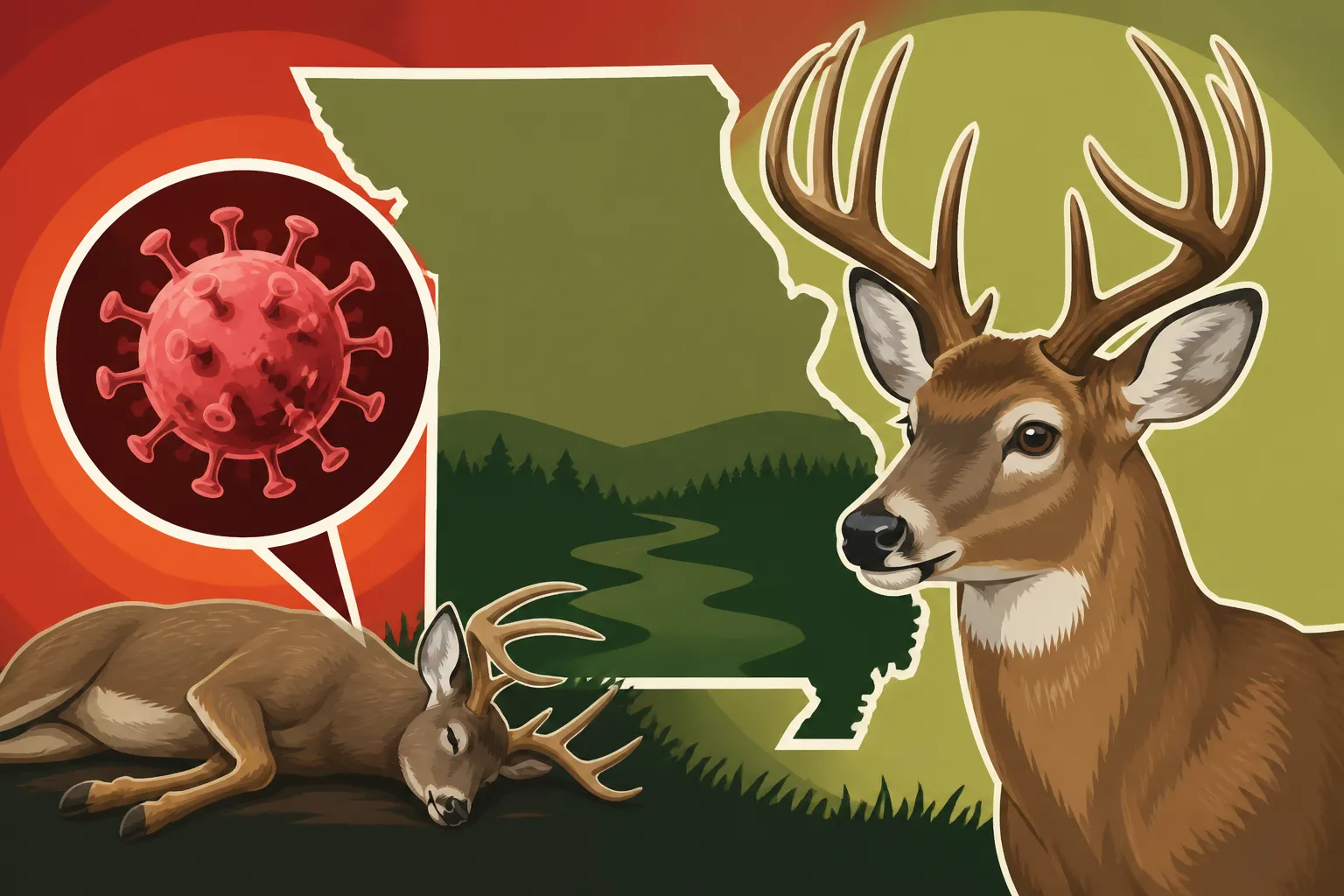
It’s a truly heartbreaking and frustrating sight for any hunter or outdoors enthusiast: finding a deer, often a big, healthy one, lying dead near a water source, or stumbling around looking disoriented. When you encounter these tragic scenes in Missouri's woods and fields, especially in late summer or early fall, it's often a sign of Epizootic Hemorrhagic Disease, or EHD. This guide aims to pull back the curtain on this natural yet devastating disease, helping you understand what EHD is, how it affects our beloved deer, and what you can do when you suspect an outbreak in your hunting area.
Understanding EHD: The Virus and How It Spreads
Epizootic Hemorrhagic Disease, or EHD, is one of the most common and impactful diseases affecting white-tailed deer across Missouri and much of North America. It’s important to understand that EHD is a naturally occurring virus, not something man-made or directly introduced by humans. It can strike fear into the hearts of hunters who see its effects, wiping out significant numbers of deer in localized areas. But what exactly is it, and how does it spread?
The Culprit: A Tiny Midge
EHD is caused by a virus transmitted primarily by biting midges, often called "no-see-ums" or gnats, not by deer directly contacting each other. These tiny insects, specifically certain species within the Culicoides genus, pick up the virus from an infected deer and then transmit it to healthy deer when they take their next blood meal. Think of it like a mosquito transmitting West Nile virus to humans—the deer itself isn't contagious through direct contact, but the vector is critical. This means areas with high midge populations and deer activity are particularly vulnerable.
The cycle of infection typically starts when midges begin to hatch and become active in late summer, usually peaking in August and September. A particularly wet spring followed by a dry, hot summer can create ideal conditions for midge reproduction and concentrated deer around shrinking water sources, thus escalating the spread of the virus. This ecological dance dictates where and when outbreaks are most likely to occur, often hitting deer populations when they are at their healthiest and most robust just before the fall hunting seasons.
The Seasonal Nature of Outbreaks
EHD outbreaks are intensely seasonal. They almost always occur in late summer and early fall, from roughly August through October. Why then? It ties directly back to the life cycle of the vector—the biting midge. These insects thrive in warm, humid conditions and their populations explode during these months. As temperatures drop and the first hard frosts arrive, usually in late October or early November, the midges die off, effectively halting the transmission of the virus.
This seasonal pattern means that while an area might experience a severe EHD die-off one year, the next year could be relatively clear if midge populations are lower or conditions aren't as favorable for transmission. It's a cyclical event, and while it can be devastating in the moment, deer populations are generally resilient and capable of bouncing back over time, especially with the abundant habitat we have in Missouri. Understanding this seasonality helps manage expectations and appreciate the natural rhythms of our wildlife populations.
Recognizing the Signs: What to Look For in Missouri Deer
Spotting EHD-infected deer can be disheartening, but knowing the signs helps you identify potential outbreaks and understand the situation. The disease progresses rapidly, and affected deer often show a range of distinct symptoms before succumbing to the illness.
Common Symptoms of EHD in Deer
The symptoms of EHD are varied and can range from subtle to quite severe. Initially, deer may simply appear lethargic or disoriented. As the disease progresses, visible signs become more pronounced. One of the most common indicators is a high fever, which drives infected deer to seek out water sources—creeks, ponds, and even puddles—to cool themselves. This explains why so many EHD fatalities are found near water.
Other symptoms include swelling of the head, neck, tongue, and eyelids. You might notice a deer that looks puffy or has a blueish tint to its tongue. Ulcerations or sores can appear on the tongue, mouth, and stomach lining. Infected deer may also exhibit excessive salivation, difficulty breathing, and lameness, often leading to a reluctance to move or a stiff gait. Some deer might become very tame or unresponsive to human presence, a clear deviation from their natural wary behavior. It's a truly miserable experience for the animal, and a tough one for us to witness.
Here's a quick look at common EHD symptoms:
| Symptom | Description | Typical Progression |
|---|---|---|
| Fever | Elevated body temperature, driving deer to water. | Early to Mid |
| Lethargy/Weakness | Appears tired, slow, or disoriented. | Early |
| Swelling | Head, neck, tongue, eyelids, sometimes legs. | Mid to Late |
| Excessive Saliva | Drooling, often with a blueish tongue. | Mid |
| Ulcerations | Sores on mouth, tongue, or stomach lining. | Mid to Late |
| Lameness | Stiffness, difficulty walking, or reluctance to move. | Mid to Late |
| Respiratory Issues | Labored breathing, gasping for air. | Late |
| Loss of Fear | Appears unusually tame or unresponsive to humans. | Late |
| Death | Often occurs within 1-3 days of severe symptoms, near water. | Late |
Differentiating EHD from CWD or Other Ailments
While EHD causes sudden and dramatic die-offs, it's crucial for Missouri hunters to understand that it is distinct from other diseases like Chronic Wasting Disease (CWD). CWD is a neurological disease that causes emaciation and behavioral changes over a long period, typically months. EHD, on the other hand, is an acute viral infection with rapid onset and death, usually within a few days of severe symptoms. The key differences lie in the speed of progression and the primary symptoms observed.
For instance, a deer with CWD will typically be extremely thin, sometimes called "wasting away," and may show repetitive behaviors or have a dull, listless appearance over an extended period. EHD deer, initially, are often in good body condition before succumbing to the virus. You won't see the prolonged emaciation with EHD that you would with CWD. If you're out Scouting Missouri Public Land Before Season and come across a sick or dead animal, observing these distinctions can help you determine the likely cause. If you use a tool like GoHunt to scout and map your areas, you could mark the location of a sick deer to track potential patterns or report it.
Another crucial difference: EHD is not transmissible to humans. You cannot contract EHD from handling or consuming meat from an infected deer, though consuming meat from a visibly sick animal is strongly discouraged due to potential secondary bacterial infections. CWD, while also not definitively linked to human infection, carries more caution and ongoing research regarding consumption. When considering Field Dressing and Cooling in Early-Season Heat, you'll always want to be mindful of the animal's health.
Impact on Missouri's Deer Population and Hunting
EHD outbreaks can feel catastrophic when they hit your favorite hunting grounds, wiping out a significant portion of the deer herd you've watched grow all summer. It's easy to get discouraged, wondering if there will be any deer left for the season. However, understanding the broader ecological picture can help put localized EHD events into perspective.
Localized Devastation vs. Statewide Resilience
One of the most frustrating aspects of EHD for hunters is its localized nature. You might hear reports of severe die-offs in one county or even just one specific timber block, while deer populations just a few miles away remain seemingly unaffected. This patchy distribution is due to the uneven distribution of the biting midges and environmental factors like water availability that concentrate deer. An area with numerous stagnant pools and high deer density in a hot, dry summer is a prime candidate for a severe outbreak.
While these localized impacts can be devastating, wiping out 30-50% or even more of a local deer herd in extreme cases, it's rare for EHD to cause a significant, long-term decline in the overall Missouri Deer Population Estimate. Our White-Tailed Deer Across Missouri are resilient. Does that survive an EHD outbreak can still fawn the following spring, and deer from surrounding, unaffected areas will eventually disperse and fill vacant niches. It might take a couple of seasons for numbers to rebound to pre-EHD levels in a hard-hit area, but the statewide population typically recovers quite well. This resilience is often why the Missouri Department of Conservation (MDC) doesn't typically adjust hunting regulations in response to EHD, though they monitor it closely.
Adjusting Expectations for the Hunting Season
For hunters, an EHD outbreak in your area certainly means adjusting expectations. If you know your go-to spot has been hit, you might not see the number of deer you're used to, and the mature buck you've been chasing might be gone. It's a tough pill to swallow, especially when you've put in months of work, from spring scouting to summer trail camera monitoring.
You might need to expand your hunting efforts to new areas or focus on property boundaries that potentially border less affected tracts. Use resources like the Missouri Conservation Atlas and scouting apps like GoHunt to identify new public land options or potential areas of interest where the deer population might be less impacted. Remember, even in affected areas, some deer develop immunity and survive. These survivors, along with fawns born the following spring, form the nucleus of the rebounding herd. It might mean focusing more on doe harvest to balance the post-EHD buck-to-doe ratio, or just accepting that the season will be more challenging. When thinking about Hunting Missouri Ridge Saddles and Benches, consider how a change in deer numbers might impact travel patterns.
What Hunters Can Do and How to Report Sightings
When EHD inevitably strikes in parts of Missouri, it can leave hunters feeling helpless. However, there are actionable steps you can take, both to help monitor the disease and to ensure your own hunting practices remain ethical and safe. Your observations on the ground are incredibly valuable to wildlife managers.
Reporting Sick or Dead Deer
Your eyes and ears in the field are invaluable to the Missouri Department of Conservation (MDC). If you come across a deer showing severe EHD symptoms, or find several deer dead in a localized area, it's crucial to report it. The MDC tracks these reports to monitor the extent and severity of outbreaks across the state. This data helps them understand the disease's impact and inform future management strategies.
To report a sick or dead deer, contact your local MDC office or use their online reporting tools. Be prepared to provide specific details:
- Exact Location: GPS coordinates are best, but detailed directions or identifying landmarks work too. If you're using a mapping application like GoHunt, dropping a pin is incredibly easy and precise.
- Number of Animals: How many sick or dead deer did you observe?
- Observed Symptoms: Describe what you saw – swelling, drooling, lethargy, etc.
- Date and Time: When did you make the observation?
Remember, while EHD is a natural occurrence, reporting helps track population trends and disease prevalence. Your role as a responsible hunter extends beyond the harvest; it includes being a steward of the wildlife. You can also learn more about Reporting a Sick Animal in Missouri through official channels.
Hunting Considerations in Affected Areas
If your hunting area has been hit by EHD, it's wise to adjust your approach. First and foremost, avoid consuming meat from any deer that appeared sick or was found dead. While EHD isn't transmitted to humans, secondary bacterial infections can occur in weakened animals, making the meat unsuitable for consumption. When field dressing an animal during Missouri Deer Season Portions Explained, always inspect the internal organs for any abnormalities.
Consider that deer movement patterns may shift. Survivors might be more wary or move to less affected pockets of habitat. Your typical Late-Season Food Sources for Whitetails or travel corridors might see less activity. This is where your scouting skills come into play more than ever. Spend extra time observing, perhaps focusing on areas with fresh sign or less obvious water sources that might have been overlooked by midges. Even if you're comfortable with Hunting Standing Corn Before Harvest, a depleted deer population might make you reconsider your strategy.
It's also a good idea to monitor local conditions. If a hard frost has occurred, the immediate threat of new EHD infections typically subsides, and the remaining deer can start to recover. While the absence of a large number of deer might be frustrating, remember that these populations are resilient. Over time, and with careful management, Missouri's deer herd will bounce back, continuing to provide fantastic hunting opportunities for years to come. Your patience and adaptability as a hunter are key during these challenging times.
Disclaimer
This article is for general informational purposes only and does not constitute professional advice. Laws, prices and regulations vary by location and change over time. Consult a qualified professional for guidance on your specific situation.