Missouri Otter and Beaver Recovery
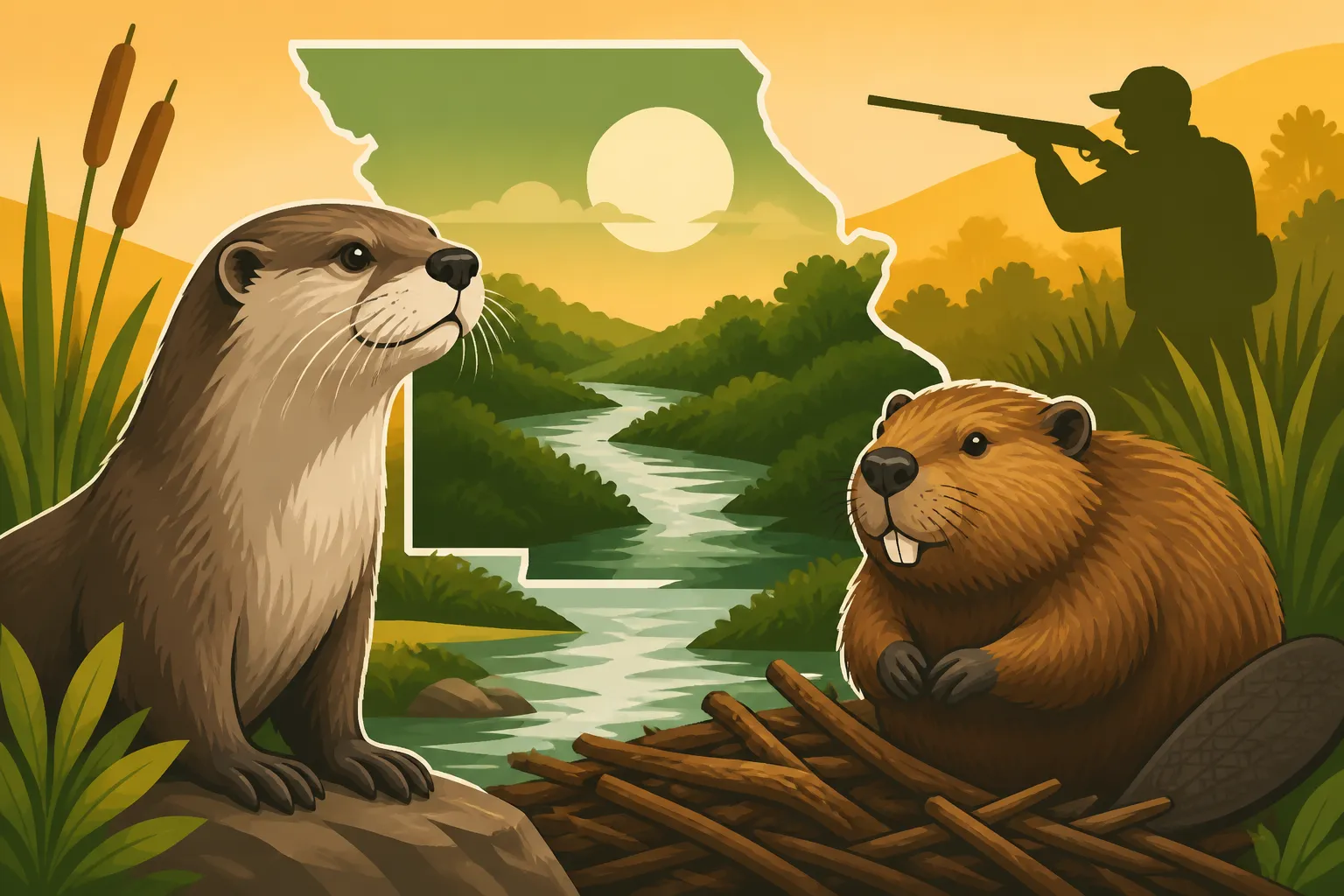
It's easy to look at the landscape of Missouri today and imagine it's always been rich with all sorts of wildlife, but the truth is, many of our beloved species faced dire circumstances not so long ago. For generations, the idea of seeing a river otter playfully sliding down a muddy bank or spotting a beaver diligently building its lodge was practically unheard of in much of the state. This guide is here to walk you through the incredible journey of how Missouri's otters and beavers went from near extinction to thriving populations, a true testament to dedicated conservation efforts and the resilience of nature.
A Look Back: The Historical Decline of Otters and Beavers in Missouri
It’s hard to imagine now, but there was a time when the waters of Missouri, from the smallest creeks to the mighty Missouri River, were largely devoid of two of their most iconic residents: the river otter and the beaver. The story of their decline is a familiar one for many North American species, a tale interwoven with human settlement and economic pursuits. Understanding this past helps us appreciate just how remarkable their recovery has been.
Early European Settlement Impacts
When European settlers first arrived in what would become Missouri, they found a land teeming with wildlife. Beavers and otters were abundant, their presence a natural part of the riverine ecosystems. However, the burgeoning fur trade, driven by demand in Europe for beaver pelts (especially for hats) and otter furs, quickly began to take its toll. Unlike some other game, these animals were harvested for their valuable pelts, often with little thought for sustainable populations. Trapping was a primary economic activity for many early settlers and even indigenous tribes engaging in trade, creating a persistent pressure on these species.
The sheer scale of the fur trade in the 18th and 19th centuries was immense. Trappers and traders moved westward, systematically depleting populations as they went. Missouri, with its extensive network of rivers and streams, was a prime target. Beavers, being relatively slow-moving and predictable in their habits around their lodges, were particularly vulnerable. Otters, while more elusive, also fell victim to widespread trapping methods. It was an era where resources seemed infinite, and the concept of conservation was yet to take root, leading to widespread local extinctions.
Overharvesting and Habitat Loss
Beyond the relentless pressure from the fur trade, a more insidious threat began to emerge: habitat loss. As settlers cleared forests for agriculture, drained wetlands, and channelized rivers for navigation and flood control, the natural environments that otters and beavers relied upon were drastically altered. Beavers, in particular, depend on standing timber for dam building and lodges, and their preference for slow-moving water with abundant woody vegetation was directly impacted by human modifications to waterways.
River otters, while adaptable, also suffered from this habitat degradation. They need clean water, plenty of fish and crustaceans to eat, and denning sites like hollow logs, bank burrows, or old beaver lodges. Pollution from early industrialization and agricultural runoff further compromised water quality, making many areas unsuitable. By the early 20th century, both species were either completely extirpated or clinging to survival in only the most remote, undisturbed pockets of the state. For river otters, the population was considered severely fragmented, with many believing they were entirely gone from Missouri.
The Comeback Kids: Restoration Efforts and Management Success
The story of the river otter and beaver in Missouri isn't just one of decline; it's a powerful narrative of how dedicated conservation efforts, combined with the animals' natural resilience, can bring a species back from the brink. The turnaround for these furbearers is one of Missouri's true wildlife success stories.
Reintroduction Programs for River Otters
For river otters, their return to prominence was largely orchestrated by the Missouri Department of Conservation (MDC). Recognizing the critical role otters play in aquatic ecosystems and their near disappearance from the state, the MDC embarked on an ambitious reintroduction program. Beginning in 1982 and continuing through 1992, over 800 river otters were live-trapped from healthy populations in Louisiana and released at 44 sites across Missouri. This wasn't just a random drop-off; release sites were carefully chosen in areas with suitable habitat, where water quality was improving, and where public support for conservation was strong.
The success of this program was nothing short of phenomenal. The released otters quickly established themselves, began breeding, and spread naturally throughout the state's extensive river systems. Their adaptability to various aquatic environments, from large rivers to smaller streams and even farm ponds, helped them colonize new territories rapidly. It's a prime example of proactive wildlife management achieving its goals, and today, you'd be hard-pressed to find a major waterway in Missouri where otters aren't present. For a deeper dive into their return, you might find the article on Missouri River Otter Comeback particularly interesting.
Beaver Management and Habitat Adaptation
While beavers weren't subject to the same large-scale reintroduction efforts as otters in Missouri, their comeback was more of a natural resurgence driven by changing land use, improved management, and their incredible ability to adapt. As agricultural practices evolved and some marginal farmlands were reforested or allowed to revert to natural habitats, suitable beaver habitat expanded. Furthermore, regulations on trapping, including seasons and bag limits, helped protect existing populations and allowed them to multiply.
Beavers are true ecosystem engineers, and their dam-building activities, though sometimes controversial, create diverse wetland habitats that benefit countless other species. Their return wasn't always celebrated by landowners, especially those with agricultural fields or timber near waterways, but their overall ecological benefits are undeniable. Learning to manage beaver populations became a key part of Missouri's furbearer strategy, balancing their ecological role with human interests. This often involves careful monitoring and, at times, focused management actions to mitigate conflicts, as discussed in detail in the piece on Beaver Damage on Small Streams.
The Role of Conservation Agencies
The Missouri Department of Conservation (MDC) has been the linchpin in this recovery. Beyond the direct reintroduction of otters, the MDC's broader mandate includes habitat protection and restoration, which indirectly benefited both species. Their efforts in managing state lands, improving water quality through various initiatives, and educating the public about the importance of these animals were crucial. They established comprehensive regulations for furbearer harvest, ensuring that trapping pressure remained sustainable, unlike the unsustainable practices of the past.
Moreover, the MDC constantly monitors wildlife populations, including otters and beavers, to inform management decisions. This scientific approach ensures that population numbers remain healthy and that any potential issues are addressed swiftly. This type of data collection and long-term planning is vital for all wildlife management efforts, echoing the dedication seen in How MDC Counts Deer and Turkeys. Without the foresight and sustained commitment of the MDC, the comeback of these charismatic aquatic mammals would likely never have happened.
Current Status: Where Otters and Beavers Thrive Today
Today, Missouri's rivers, streams, and wetlands are once again alive with the presence of river otters and beavers. Their widespread distribution is a testament to successful conservation and their remarkable ability to adapt to a changing landscape. While they often go unseen, especially otters with their elusive nature, signs of their activity are abundant across the state.
Otter Population Estimates and Distribution
River otters (Lontra canadensis) are now found throughout all 114 counties of Missouri. This is a dramatic shift from their fragmented populations of a century ago. Current estimates suggest a robust and stable population. While exact numbers can fluctuate, the MDC considers them well-established and thriving. You'll find them in a diverse range of aquatic habitats, from the clear, rocky streams of the Ozarks to the slow, muddy rivers of the northern plains and the Bootheel. They're generalists when it comes to habitat, needing only clean water, a reliable food source (fish, crayfish, frogs), and denning sites.
Their population is healthy enough that Missouri offers a trapping season for otters, managed carefully with quotas and regulations to ensure sustainability. This demonstrates a full cycle of recovery, from extirpation to managed harvest. For hunters and trappers, understanding the rules, such as those outlined in Missouri Furbearer Permit Rules, is essential for participating responsibly. Observing otters in the wild is a treat, whether it's a brief glimpse of one crossing a road near a creek or a family group playing in a secluded pond.
Beaver Population and Their Ubiquitous Presence
Beavers (Castor canadensis) are even more widespread and, arguably, more conspicuous than otters. Their populations are high across Missouri, and they are truly ubiquitous wherever there is water and suitable woody vegetation. From small farm ponds and drainage ditches to large rivers and managed wetlands, beavers have found a way to make themselves at home. Their engineering feats, like dams and lodges, are visible indicators of their presence, often transforming landscapes.
The sheer numbers of beavers mean that while they offer tremendous ecological benefits by creating wetlands and improving habitat for waterfowl and other species, they can also cause significant challenges for landowners. This is particularly true in areas where their dams can flood agricultural fields, block culverts, or damage timber. However, their contribution to aquatic biodiversity is invaluable, and their return symbolizes a healthier ecosystem.
Monitoring and Data Collection
The ongoing health of both otter and beaver populations relies heavily on continuous monitoring and data collection by conservation agencies like the MDC. This involves various methods, from tracking harvest numbers during regulated trapping seasons to conducting surveys, studying habitat use, and analyzing reports from the public. This data helps biologists understand population trends, distribution changes, and overall health.
This kind of detailed ecological intelligence is crucial for responsible wildlife management. For outdoor enthusiasts who want to stay informed about population dynamics, harvest reports, and even potential conflicts, resources that aggregate this data are incredibly valuable. Platforms like GoHunt, for instance, often provide insights and tools that can help individuals understand game species distribution and management across various regions, making it easier to see how these populations are doing. Keeping an eye on these trends helps both the MDC and the public make informed decisions about interacting with these amazing animals.
Ecological Impact: The Good, The Bad, and The Wet
The return of otters and beavers to Missouri's ecosystems has had far-reaching effects, painting a complex picture of both ecological benefits and occasional challenges. These species are not just cute faces; they are powerful forces shaping their environments.
Positive Ecosystem Contributions
River otters, as apex predators in aquatic food webs, play a vital role in maintaining the balance of fish and amphibian populations. By preying on slower, sick, or weaker fish, they can contribute to healthier fish stocks. Their presence also indicates good water quality, as they are sensitive to pollution. Beyond that, their playful nature and charismatic presence add immeasurable aesthetic value to Missouri's natural landscapes, enriching the experience for anyone fortunate enough to observe them. They are a sign of a vibrant, healthy aquatic environment.
Beavers, however, are the true ecosystem engineers. Their most significant contribution is the creation and maintenance of wetlands. By building dams, beavers impound water, slowing its flow and creating ponds and marshes that would otherwise not exist. These beaver-created wetlands provide critical habitat for a vast array of species, including waterfowl, muskrats, frogs, salamanders, turtles, and countless invertebrates. These wetlands also act as natural filters, improving water quality by trapping sediments and pollutants. They help mitigate floods by holding water during heavy rains and release it slowly during dry periods, recharging groundwater. The article on Missouri Waterfowl on the Mississippi Flyway indirectly benefits from beaver's wetland construction. This intricate network of ponds and channels increases biodiversity and resilience across the landscape, transforming simple streams into rich, complex habitats.
Beaver Damage on Small Streams and Agricultural Concerns
While their ecological benefits are undeniable, beavers can also cause significant problems, particularly in developed or agricultural areas. On small streams and drainage ditches, beaver dams can lead to localized flooding that inundates agricultural fields, damages crops, or impedes drainage systems. Their habit of felling trees for food and dam construction can also destroy valuable timber, ornamental trees in residential areas, or critical riparian vegetation.
The challenge for landowners often lies in balancing the ecological value of beavers with the economic impacts of their activities. A beaver dam might be a haven for ducks, but it could also be flooding a farmer's soybean crop. This conflict highlights the need for effective management strategies, which can range from deterrents to regulated trapping. For anyone experiencing these issues, it's important to understand the available options for managing beavers and mitigating their impacts. The article on Beaver Damage on Small Streams provides extensive details on this precise issue, offering valuable insights.
Living with Our Wild Neighbors: Coexistence and Management Strategies
The thriving populations of otters and especially beavers mean that living alongside these furbearers is a reality for many Missourians. While otters rarely cause direct conflicts, beavers, with their landscape-altering habits, sometimes necessitate active management to ensure both human interests and wildlife conservation are served.
Non-Lethal Deterrents for Beaver Conflicts
When beavers become a nuisance, particularly by flooding property or damaging trees, the first line of defense often involves non-lethal methods. For smaller, isolated areas of flooding, installing "beaver deceivers" or "pond levelers" can be incredibly effective. These are pipe systems designed to allow water to flow through a beaver dam, maintaining a desired water level without disturbing the beavers or their habitat. They trick the beavers into not perceiving a breach in their dam, so they don't constantly repair it.
Protecting individual trees can be done by wrapping their bases with wire mesh or hardware cloth, preventing beavers from gnawing through the bark. Another strategy involves simply removing the dam; however, beavers are remarkably persistent and will often rebuild quickly. It's often a cycle of removal and rebuilding unless the underlying attractant (food source, suitable water) is removed or more permanent solutions are implemented. While these methods require effort, they can allow for coexistence without resorting to lethal removal, preserving the ecological benefits these animals provide.
Trapping and Furbearer Permit Basics
Despite the best efforts with non-lethal methods, sometimes direct intervention through trapping becomes necessary, especially where beaver activity poses significant threats to property or infrastructure. The Missouri Department of Conservation regulates the trapping of furbearers, including beavers and otters, with specific seasons, methods, and permit requirements. Trapping seasons are designed to coincide with periods when furs are prime (most valuable) and when trapping pressure is sustainable for the population.
Anyone interested in trapping, whether for nuisance control or fur harvesting, must possess the appropriate permits and adhere strictly to all state regulations. This includes understanding what constitutes legal trapping devices, placement rules, and how to properly report a harvest. The MDC website is an invaluable resource for this information. For a comprehensive overview of the legal framework, the article on Trapping and Furbearer Permit Basics offers a detailed guide to getting started. Remember, responsible trapping is a critical component of furbearer management in Missouri.
Reporting Nuisance Animals
If you're a landowner experiencing significant issues with beavers or other furbearers, and non-lethal methods aren't working, or if you're unsure how to proceed, contacting the Missouri Department of Conservation is always the best first step. The MDC can provide advice, offer potential solutions, or even connect you with local nuisance wildlife control operators who are permitted to assist with problem animals. They can also clarify rules around removal, especially if animals like otters, which have a stricter management protocol, are involved.
It's also important to report any sightings of sick or injured wildlife, including otters or beavers. While relatively uncommon, wildlife diseases can occur, and early reporting helps conservation officials monitor and manage potential outbreaks. Just as with Reporting a Sick Animal in Missouri, the MDC is the authority to contact for such concerns, ensuring the health of both wildlife and the public. By working together, landowners, trappers, and conservation agencies can ensure that Missouri's otters and beavers continue to thrive while minimizing conflicts with human activities.
| Feature | River Otter (Lontra canadensis) | American Beaver (Castor canadensis) |
|---|---|---|
| Appearance | Sleek, long body; short legs; webbed feet; powerful tail; dark brown fur. | Stocky, large rodent; flat, scaly tail; webbed hind feet; reddish-brown fur. |
| Average Size | 3-4 feet long (including tail); 10-30 lbs | 3-4 feet long (including tail); 30-70 lbs (can exceed 100 lbs) |
| Diet | Primarily carnivorous: fish, crayfish, frogs, snakes, small mammals. | Herbivorous: tree bark (especially aspen, willow, birch), aquatic plants, leaves, buds. |
| Habitat | Rivers, streams, lakes, ponds; requires clean water and denning sites. | Rivers, streams, ponds, wetlands; requires woody vegetation for food and building. |
| Activity Pattern | Mostly nocturnal/crepuscular; often seen playing. | Primarily nocturnal; highly territorial. |
| Key Role | Aquatic predator, indicator of water quality. | Ecosystem engineer, creates wetlands, alters hydrology. |
| Vocalization | Chirps, whistles, growls, snorts. | Hisses, growls, tail slaps (warning signal). |
Disclaimer
Please note: Wildlife regulations and seasons are subject to change. Always consult the most current Missouri Department of Conservation (MDC) regulations before engaging in any hunting, trapping, or wildlife management activities. This guide is for informational purposes only and should not be considered legal advice.