Missouri Waterfowl on the Mississippi Flyway
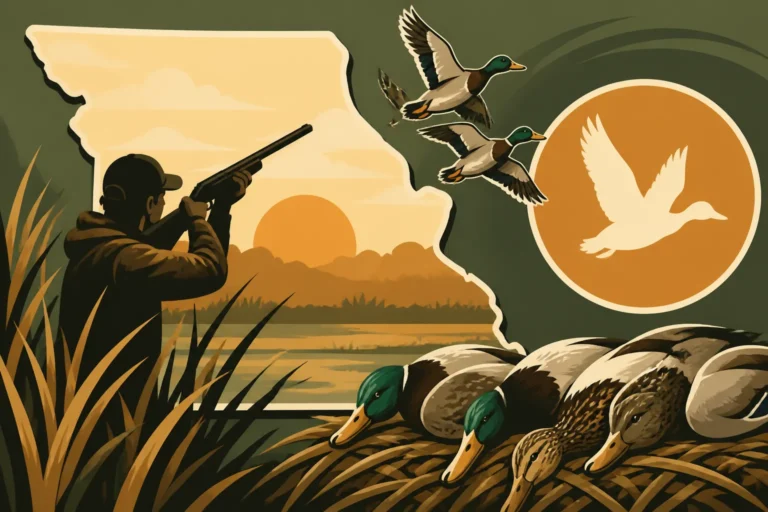
For any waterfowler, there’s nothing quite like the sound of wings overhead on a cold, gray morning, but in Missouri, that experience comes with its own unique set of challenges and incredible rewards. Between fluctuating weather patterns, highly educated birds, and the ever-present question of where to even begin, it can feel overwhelming to consistently put ducks and geese in the bag. This comprehensive guide will walk you through everything you need to know about hunting Missouri's waterfowl, from understanding the critical role our state plays in the Mississippi Flyway to the specific tactics and gear that will help you find success, no matter the conditions.
Missouri's Pivotal Role in the Mississippi Flyway
Missouri isn't just a place ducks and geese fly over; it's a vital pit stop, a critical refueling station, and for many, a winter home. Understanding this fundamental truth is the first step to becoming a more effective waterfowler in the Show-Me State.
Understanding the Flyway and Its Importance
The Mississippi Flyway is one of four major migratory bird routes in North America, stretching from the Arctic tundra all the way down to the Gulf Coast. Imagine a massive, invisible highway in the sky, funneling millions of ducks, geese, and other migratory birds between their breeding grounds in the north and their wintering grounds in the south. Missouri sits right in the heart of this highway, making it an incredibly important state for waterfowl populations. Our diverse habitats, from the vast wetlands along the Missouri and Mississippi rivers to the smaller sloughs and agricultural fields, provide essential food, water, and shelter for these birds as they make their incredible journey. Without these crucial resources, the health and survival of countless waterfowl species would be severely impacted.
This central location means we get to witness an astounding variety of birds throughout the fall and winter, but it also means our hunting success is often tied directly to northern weather patterns. A cold snap up north can push birds down, while a mild front can hold them back or even send them further south, frustrating hunters waiting for that big push. It’s a constant game of watching weather maps and praying for cold, nasty conditions.
Key Migration Routes Through Missouri
Within the broader Mississippi Flyway, waterfowl don't just randomly scatter across Missouri. They follow specific corridors, often dictated by major river systems and historic wetland complexes. The two most prominent arteries are, unsurprisingly, the Missouri River and the Mississippi River. These massive waterways provide natural highways, not just for the birds themselves, but also for the smaller tributaries, sloughs, and oxbow lakes that branch off them, creating pockets of prime habitat. Think of areas like the Grand Pass Conservation Area or the Marais Temps Clair Conservation Area—these aren't just isolated wetlands; they are integral parts of a larger system, drawing birds off the main rivers.
Beyond these two giants, the numerous smaller rivers and their floodplains, such as the Chariton, Grand, and Black rivers, also serve as significant migration routes, especially for dabbling ducks that prefer shallower, timbered water. These areas, particularly in North Missouri's big-buck farm country, often hold impressive numbers of birds, especially when sheet water appears in harvested fields after heavy rains. Knowing these primary routes and the connected smaller systems helps you anticipate where birds might concentrate during different phases of the migration and allows you to focus your scouting efforts more effectively.
Major Waterfowl Species You'll Encounter
Missouri's diverse habitats attract a wide array of waterfowl, each with its own quirks and preferred haunts. Understanding these different species is key to tailoring your hunting approach and maximizing your success.
Dabbling Ducks: Mallards, Pintails, and More
Dabbling ducks are likely what most people picture when they think of duck hunting. These birds feed primarily by "dabbling" or tipping up in shallow water, sifting food from the bottom, or grazing on emergent vegetation. They prefer marshes, shallow ponds, flooded timber, and agricultural fields. In Missouri, the undisputed king of dabblers is the mallard, a hardy and abundant bird that provides the backbone of many hunting seasons. You’ll find them everywhere, from the flooded oaks of the Bootheel to sheet water in a picked cornfield in northern Missouri.
But mallards are far from the only show in town. You'll also encounter handsome northern pintails, often characterized by their elegant, long necks and swift flight, favoring open, shallow water and agricultural waste grains. Wood ducks, with their incredible iridescent plumage, are timber ghosts, often seen darting through the canopies of flooded hardwoods, especially during the early season. Gadwalls, wigeons, and green-winged teal are also common, each offering a unique challenge and contributing to the incredible diversity of a Missouri duck strap. Knowing their specific food preferences and typical behaviors will help you choose the right decoy spread and calling sequence.
Diving Ducks: Scaup, Ring-necks, and Canvasbacks
While dabblers prefer the shallows, diving ducks are built for deeper water, propelling themselves underwater to feed on aquatic plants, mollusks, and small fish. Consequently, you'll find these birds on large reservoirs, deep river channels, and the deeper pools of managed wetlands. Scaup, often called "bluebills" for the bluish tint on their bills, are probably the most common divers you’ll encounter in Missouri, often seen in large rafts on bigger bodies of water. Ring-necked ducks, with their distinctive white ring at the base of their bill (though often hard to see), are also frequent visitors, favoring slightly shallower dives than scaup.
Perhaps the most prized of the diving ducks is the canvasback, a majestic bird with a distinctive wedge-shaped head and long slope from its crown to the tip of its bill. Canvasbacks are less common but are a true trophy for many waterfowlers. They typically prefer large, open bodies of water where they can dive for tubers. Hunting divers often requires a different strategy than dabblers, emphasizing large, visible decoy spreads in open water and less reliance on intricate calling. You'll need to know the specific regulations, as their bag limits can differ significantly from dabblers.
Geese: Canada, Snow, and White-fronted
Missouri isn't just for ducks; it's a major player in goose hunting, too. Canada geese are ubiquitous, a familiar sight and sound across the state. These adaptable birds can be found almost anywhere there's open water and nearby feeding fields, from urban parks to sprawling agricultural landscapes. Their sheer numbers and vocal nature make them a popular target. Setting a goose spread in cut corn for these birds can be incredibly productive, especially later in the season.
Snow geese, with their stark white plumage and black wingtips, migrate in colossal numbers through Missouri, particularly during the late winter and early spring conservation order. Witnessing a blizzard of snow geese descending into a field is an unforgettable experience. White-fronted geese, or "specklebellies," are another highly sought-after species, known for their unique call and excellent table fare. They tend to be warier than Canada geese and often prefer specific feeding grounds. Hunting geese requires heavy-duty decoys, often many dozens of them, and a robust calling strategy that can cut through the wind. Knowing your target species' habits—whether they prefer corn, bean stubble, or winter wheat—will greatly increase your chances.
| Waterfowl Species Group | Primary Habitat | Typical Diet | Hunting Method Focus |
|---|---|---|---|
| Dabbling Ducks | Shallow wetlands, flooded timber, agricultural fields | Seeds, aquatic insects, waste grain, vegetation | Decoys, calls (mallard, wood duck), blinds, jump-shooting |
| Diving Ducks | Large lakes, reservoirs, deep river channels | Aquatic plants (tubers), mollusks, small fish | Large open-water decoy spreads, minimal calling |
| Canada Geese | Agricultural fields, large ponds, reservoirs | Waste grain, green forage, various plants | Large full-body decoy spreads, Canada goose calls, field blinds |
| Snow Geese | Vast agricultural fields, open water | Green forage, waste grain | Massive decoy spreads (rags, Sillosocks), electronic calls (Conservation Order) |
| White-fronted Geese | Agricultural fields, flooded sheet water | Waste grain, seeds | Decoy spreads (fewer than snows), white-front calls, field blinds |
Prime Waterfowl Habitat Across the State
Missouri offers a remarkable diversity of habitats that appeal to migrating waterfowl. Understanding where these birds prefer to congregate will drastically improve your scouting and hunting efforts.
Managed Wetlands and Conservation Areas
Missouri is truly blessed with an extensive network of managed wetlands, primarily overseen by the Missouri Department of Conservation (MDC). Areas like Grand Pass, Eagle Bluffs, Schell-Osage, and Otter Slough are famous names among waterfowlers, and for good reason. These areas are meticulously managed to provide optimal conditions for migrating birds, including controlling water levels to promote desired vegetation, planting crops, and establishing rest areas where birds can feed and roost undisturbed. The Missouri Managed Wetland Draw System is a unique feature, allowing hunters to apply for drawings for prime spots, or utilize walk-in opportunities.
These conservation areas are designed to concentrate birds, making them incredibly attractive. However, this also means they can see significant hunting pressure, especially on opening weekends or during major migrations. Hunters often need to scout extensively, understand the layout of specific pools, and be prepared for competitive draws. Using detailed mapping tools, such as the ones found on GoHunt, can provide invaluable aerial perspectives, helping you identify potential resting areas, food plots, and access points on these popular public grounds.
River Bottoms, Sloughs, and Oxbow Lakes
Beyond the formal managed wetlands, Missouri's vast river systems—the Mississippi and Missouri rivers being the titans—offer immense natural habitat. Their floodplains are rich with smaller, often overlooked, honey holes. River bottoms are characterized by sloughs, old oxbow lakes, and backwater areas that fill with water during high river stages or heavy rains. These spots are less predictable than managed areas, as their water levels and accessibility can change dramatically with weather, but they can hold incredible numbers of birds.
Hunting these areas often involves more physical effort, from navigating muddy trails to launching small boats or even utilizing a sneak boat to access prime pockets. The key here is adaptability and a keen eye for changes in water levels. When the rivers crest and then slowly recede, they leave behind excellent feeding opportunities in shallow, timbered areas or newly flooded fields. These ephemeral spots can offer incredible, unpressured hunting, especially for species like wood ducks and mallards. For those willing to put in the work, the rewards can be substantial.
Agricultural Fields and Sheet Water
Missouri is a predominantly agricultural state, and this landscape plays a crucial role in supporting waterfowl, particularly geese and dabbling ducks. Harvested corn and soybean fields provide an abundant source of waste grain, a high-energy food source vital for migrating birds. When these fields also collect "sheet water" after heavy rains, they become irresistible feeding and resting areas. Ducks, especially mallards and pintails, will readily drop into shallow, flooded fields, often just inches deep, to feed on submerged grains.
Hunting these agricultural areas, whether fields of standing corn before harvest or post-harvest stubble with sheet water, requires different tactics. Layout blinds become essential for concealment, and large decoy spreads are often necessary to attract birds over vast open spaces. Permission from landowners is, of course, paramount for private land hunting. For those who scout diligently and secure access, hunting these fields can offer some of the most consistent action, especially on those bluebird days when traditional water holes might be slow. Scouting for these areas can be aided by applications like GoHunt, which can help pinpoint potential feeding areas and track historical crop rotations, offering insights into what fields might be most attractive.
Navigating Missouri's Waterfowl Seasons and Zones
Missouri's waterfowl season structure can seem a bit complex at first glance, but it's designed to maximize opportunity while managing bird populations. Understanding the different zones and specific dates is crucial for planning your hunts.
Understanding Duck Zones and Their Impact
Missouri is divided into three distinct duck zones: North, Middle, and South. These zones are established to account for the progression of the fall migration from north to south. Generally, the North Zone opens first, followed by the Middle, and then the South. This staggered opening allows hunters across the state to intercept different waves of migrating birds as they push southward, optimizing hunting opportunities throughout the season. However, it also means you need to be acutely aware of which zone you're in and its specific regulations.
The boundaries of these zones often follow major geographical features, like rivers or county lines. For example, the Missouri River often serves as a dividing line for portions of the zones. Knowing Missouri Duck Zone Boundaries is not just a matter of compliance, but also of strategy. A hunter might choose to pursue early-season teal in the North Zone before heading south to capitalize on peak mallard migration in the Middle or South zones later in the season. Failing to check the current zone you're hunting in can lead to significant legal issues, so always double-check your location against the official MDC zone maps.
Key Season Dates and Bag Limits
Each zone has specific Missouri Duck Season Dates by Zone for both ducks and geese, and these dates can shift slightly year to year based on federal frameworks and biological data. Beyond the opening and closing dates, it's critical to know the daily bag limits and possession limits for each species. These limits are not uniform across all ducks. For instance, mallards often have a higher bag limit than, say, pintails or canvasbacks. There are also specific restrictions on hen mallards.
Goose seasons generally run longer than duck seasons and also have specific bag limits for Canada, snow, and white-fronted geese. These regulations are in place to ensure sustainable hunting and healthy populations. Always consult the current year's Missouri Migratory Bird Hunting Digest, available from the MDC or their website, before heading afield. This document is your authoritative source for all dates, limits, and special regulations. Trying to remember them all can lead to honest mistakes that the MDC does not take lightly.
Special Seasons: Teal and Conservation Order
Missouri also offers some specialized waterfowl seasons that provide unique hunting opportunities. The September teal season is a highly anticipated event for many hunters. Occurring before the main duck season, it targets early-migrating blue-winged and green-winged teal. This early season often coincides with warm weather, demanding different field dressing and cooling in early-season heat strategies and often jump shooting small creeks tactics. It's a fast-paced hunt, usually over before you even realize it, making for an exciting start to the migratory bird season.
Later in the winter, typically after the regular goose seasons have closed, Missouri participates in the Light Goose Conservation Order. This special season is designed to help reduce the overpopulation of snow, blue, and Ross's geese, which are causing significant habitat destruction on their Arctic breeding grounds. During the Conservation Order, hunters are allowed extended shooting hours, unplugged shotguns, and can use electronic calls, making for a unique and high-volume hunting experience. It's a stark contrast to the often more traditional, quieter methods used during regular seasons, and a good way to stay in the field after Christmas.
Essential Gear and Tactics for Missouri Waterfowlers
Waterfowl hunting in Missouri demands adaptability. The gear and tactics that work in flooded timber might be entirely ineffective in an open sheet-water field. Being prepared for a range of scenarios is key.
Decoy Spreads for Different Scenarios
Decoys are, without a doubt, one of the most critical tools in a waterfowler's arsenal. The type and arrangement of your decoy spread will vary significantly based on the species you're targeting, the habitat you're hunting, and even the time of day. For Flooded Timber Duck Hunting in Missouri, a smaller, more natural spread of mallards and wood ducks, often placed tight to cover or in small openings, is highly effective. You're trying to replicate a small group of birds feeding naturally in a cozy hideaway. Motion decoys, like spinning wing decoys, can be incredibly effective in timber to catch the eye of passing birds.
In contrast, Setting a Goose Spread in Cut Corn or an open field often requires a much larger spread, sometimes dozens or even hundreds of decoys, to be visible from a distance. Full-body Canada goose decoys or silhouettes are common, arranged to mimic a flock grazing or resting. For wary white-fronted geese, a more realistic, smaller spread might be more effective. The goal is always to create a welcoming, natural-looking scene that draws birds within shooting range. Using applications like GoHunt can help visualize terrain and plan effective decoy placements, especially for those complex field setups.
Calls and Calling Strategies
A well-executed calling sequence can be the difference between birds circling out of range and cupping their wings for a landing. Just like decoys, your calling strategy needs to match the birds and the environment. Duck Calling in Timber Versus Open Water requires a completely different approach. In tight timber, softer, more subtle quacks and feed chuckles are usually best. You’re not trying to shout at birds; you're trying to entice them into an intimate setting. Overcalling in timber can often scare birds away.
In open water or fields, you might need to use louder, more aggressive hail calls to grab the attention of high-flying birds, followed by softer, pleading quacks as they approach. For geese, a variety of honks, clucks, and moans are essential, often mimicking a contented flock. Practicing your calls, listening to real birds, and understanding their language are vital skills. Different calls, from traditional hand-blown calls to more modern electronic devices (legal only for light goose conservation order), all have their place. Understanding when to call, how loud, and what sequence to use comes with experience and observation.
Blind and Cover Considerations
Concealment is paramount in waterfowl hunting. Ducks and geese have incredible eyesight, and even a slight glint or an unnatural silhouette can send them flaring out of range. In flooded timber, hunters often rely on standing behind large trees or building natural blinds from fallen branches and vegetation. The key is to blend seamlessly into your surroundings. For hunting Ground Blinds on Crop Field Edges, layout blinds are the standard. These low-profile blinds allow hunters to lie down in open fields, completely concealed, until it's time to shoot.
On open water, permanent pit blinds or floating blinds can be effective. When scouting public land before season, always consider the available cover and how you’ll position yourself. For temporary setups, bringing along some burlap, camouflage netting, or even natural materials like cattails and corn stalks can help you brush in your position. Remember that Waders for Missouri Flooded Timber are not just for keeping dry; they also allow you to move quietly and set up effectively in watery environments, ensuring you remain hidden from wary eyes. Always prioritize concealment, even if it means a little extra effort to build or brush in your blind.
Waterfowl Management and Conservation Efforts
Waterfowl hunting wouldn't be possible without robust management and conservation programs. Hunters play a critical role, not just through their participation, but also through their financial contributions.
The Role of the Missouri Department of Conservation
The Missouri Department of Conservation (MDC) is at the forefront of waterfowl management in the state. They meticulously monitor bird populations, conduct banding operations, and manage countless acres of critical wetland habitat. Their work ensures that seasons and bag limits are set sustainably, balancing hunting opportunities with the long-term health of duck and goose populations. The MDC biologists use scientific data to make informed decisions about Missouri Duck Population Estimate, Missouri Wetland Acres Managed for Ducks, and How Water Levels Are Managed for Waterfowl.
Beyond direct management, the MDC also provides vital resources to hunters, from detailed regulations and season forecasts to educational programs and hunter safety courses. Their commitment to conservation is funded primarily through the statewide conservation sales tax, as well as hunting and fishing permit sales. This investment directly translates into the abundant hunting opportunities Missouri waterfowlers enjoy. We owe a huge debt of gratitude to the dedicated men and women who work tirelessly to maintain these incredible resources.
Hunter Contributions and Habitat Protection
Waterfowlers are, by and large, passionate conservationists. Every duck stamp purchased, every hunting permit bought, directly contributes to waterfowl habitat protection and restoration across North America. The federal duck stamp program, in particular, has conserved millions of acres of wetlands since its inception. In Missouri, these funds support the purchase and enhancement of critical Wetland Habitat and Duck Numbers, ensuring there are places for birds to rest, feed, and breed.
Beyond financial contributions, many hunters actively participate in conservation efforts. This might include volunteering for habitat projects, advocating for conservation policies, or simply adhering to ethical hunting practices. Organizations like Ducks Unlimited, Delta Waterfowl, and the National Wild Turkey Federation also play significant roles in habitat conservation, often partnering with state agencies like the MDC. The future of waterfowl hunting depends on continued commitment to these conservation principles, ensuring that future generations can experience the thrill of the migration.
Common Challenges and How to Overcome Them
Waterfowl hunting in Missouri is rarely easy. It presents unique challenges that can test the patience and skill of even the most seasoned hunter. Recognizing these hurdles and knowing how to adapt is key to consistent success.
Dealing with Pressure and Educated Birds
Missouri's excellent waterfowl hunting reputation means that many prime spots, especially Managed Hunt Draws on Missouri Wetlands and popular conservation areas, often experience significant hunting pressure. This pressure can make birds incredibly wary, causing them to flare at the slightest hint of danger, recognize poorly executed calls, and avoid common decoy spreads. It's a frustrating reality for many hunters, especially during peak season or on weekends. The "easy" birds are often harvested early, leaving behind only the most educated and cautious survivors.
Overcoming this requires a multi-faceted approach. First, consider hunting during weekdays or later in the season when pressure might lessen. Second, focus on unconventional locations. While others flock to known hotspots, look for marginal or overlooked areas that might still hold birds. This could mean walking further from access points, scouting small creeks and ditches, or even exploring Missouri River Sandbars for Ducks that many pass by. Finally, refine your tactics: use more realistic decoy spreads, practice subtle calling, and be absolutely meticulous about concealment. Sometimes, less is more, particularly with calling and the number of decoys. Using mapping tools to find areas that see fewer hunters can be a game changer.
Weather Fluctuations and Water Levels
Missouri's weather can be notoriously unpredictable, especially during the fall and winter. Mild temperatures can delay migration, while sudden blizzards can push birds through too quickly. Rain can create new sheet water in fields, while prolonged dry spells can shrink vital wetland areas. These fluctuations in weather and Missouri Water Levels on a Wetland directly impact bird behavior and availability, leading to feast-or-famine hunting. One week you're knee-deep in ducks, the next, it's a ghost town.
Adapting to these changes is paramount. Stay informed about weather forecasts, both local and up north. If a cold front is pushing south, be ready. If heavy rains are predicted, scout for newly flooded fields. Flexibility is key; don't get locked into one specific spot or tactic. If your usual flooded timber hole is dry, be prepared to hunt a river slough or a sheet water field. Being able to shift your strategy based on the conditions is what separates consistently successful hunters from those who just hope for the best.
Access and Scouting Hurdles
Finding good, accessible waterfowl hunting ground can be a significant hurdle in Missouri. While the state boasts extensive public lands, these can often be crowded or require considerable effort to reach. For private land, securing permission can be challenging, especially in prime agricultural areas. Then there's the scouting itself: locating active feeding areas, determining bird flight patterns, and finding adequate concealment can be incredibly time-consuming. It often feels like you spend far more time scouting than actually hunting.
To tackle these access and scouting hurdles, start with thorough research using tools like the Missouri Conservation Atlas and online mapping services. GoHunt offers detailed satellite imagery and property boundary overlays that can help identify potential hunting spots and determine land ownership before you ever set foot outside. Don't be afraid to knock on doors and politely ask for permission to hunt private land—a genuine, respectful approach can open many doors. Finally, prioritize scouting. Drive backroads, observe flight patterns, look for fresh sign, and use trail cameras (where permitted) to confirm bird activity. The more effort you put into scouting, the better your chances of finding unpressured birds and having a truly memorable hunt.
Disclaimer
The information provided in this guide is for informational purposes only and is not a substitute for official regulations. Hunters are responsible for knowing and adhering to all current Missouri Department of Conservation hunting regulations, which can change annually. Always consult the official MDC website or the current year's hunting digest before participating in any hunting activity.