Where Missouri Elk Range Today
It's truly wild to think that here in Missouri, a state most folks associate with whitetails and turkeys, we've got elk roaming the woods again. For so long, the idea of seeing one of these magnificent animals in our Ozark hills felt like a pipe dream, something relegated to history books. But against all odds, these majestic creatures have returned, and understanding their current range is key if you ever hope to catch a glimpse or, for the incredibly lucky few, draw a tag. This guide is dedicated to helping you unravel the mystery of where Missouri's elk herd calls home today, from their historical absence to their thriving present.
The Remarkable Comeback of Missouri Elk
Missouri, like many states in the central and eastern U.S., once harbored a thriving population of elk. These were truly wild, free-ranging animals that were an integral part of the landscape. Their presence shaped the forests and glades, and they represented a significant resource for early settlers and indigenous peoples alike. But the story took a dark turn with the arrival of European settlers, whose relentless expansion, coupled with unregulated hunting and widespread habitat destruction, quickly pushed these grand animals to the brink.
A History of Absence and Hope
By the mid-1800s, Missouri's elk were essentially gone. The last native elk sighting in the state is generally placed around 1865, a stark reminder of how quickly even abundant wildlife can disappear without careful management and conservation ethics. For generations, Missourians lived in a state devoid of wild elk, their existence here reduced to old tales and fossil records. However, the dream of their return never truly died, simmering quietly among conservationists and passionate hunters who believed that Missouri's diverse habitats could once again support a robust elk herd. It was a long shot, but the success stories of elk reintroductions in other states fueled a persistent hope.
The Reintroduction Program and Initial Release
That hope finally materialized into action in the early 21st century. The Missouri Department of Conservation (MDC), in a landmark partnership with the Rocky Mountain Elk Foundation and countless other conservation groups and local communities, embarked on an ambitious reintroduction program. This wasn't just about dropping some elk into the woods; it was a carefully planned, science-backed initiative years in the making. The chosen source for Missouri's new herd was eastern Kentucky, a state that had seen tremendous success with its own elk restoration efforts. Between 2011 and 2013, a total of 108 wild elk were trapped in Kentucky and carefully transported to their new home in the Missouri Ozarks. Imagine the excitement and anticipation as those first elk stepped out of their trailers onto Missouri soil – a truly historic moment marking the beginning of a new chapter for wildlife in our state. You can learn more about this incredible journey in our detailed piece on Missouri's Elk Reintroduction From Kentucky.
Understanding Missouri's Core Elk Management Zone
Bringing elk back wasn't just about finding a spot on a map; it was about identifying the perfect confluence of habitat, space, and community support. The MDC meticulously analyzed various regions within the state, assessing everything from forest type and food availability to human population density and potential for conflict. This led to the establishment of a very specific core elk management zone, designed to give the nascent herd the best possible chance to thrive.
Defining the Primary Restoration Area
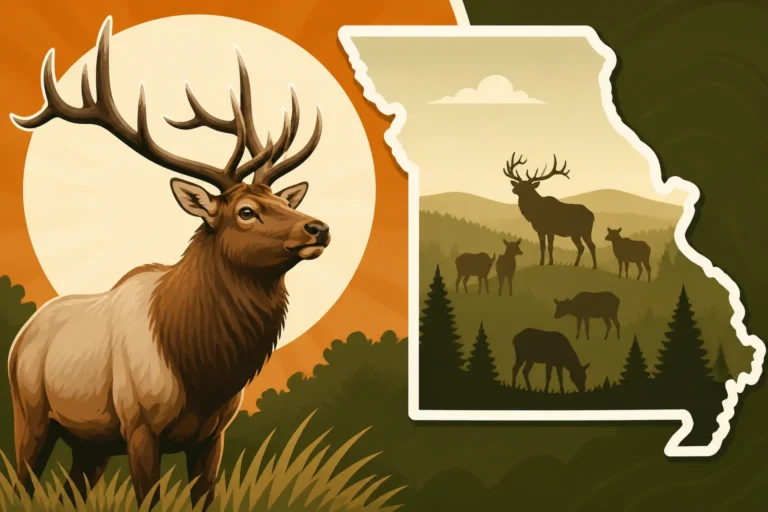
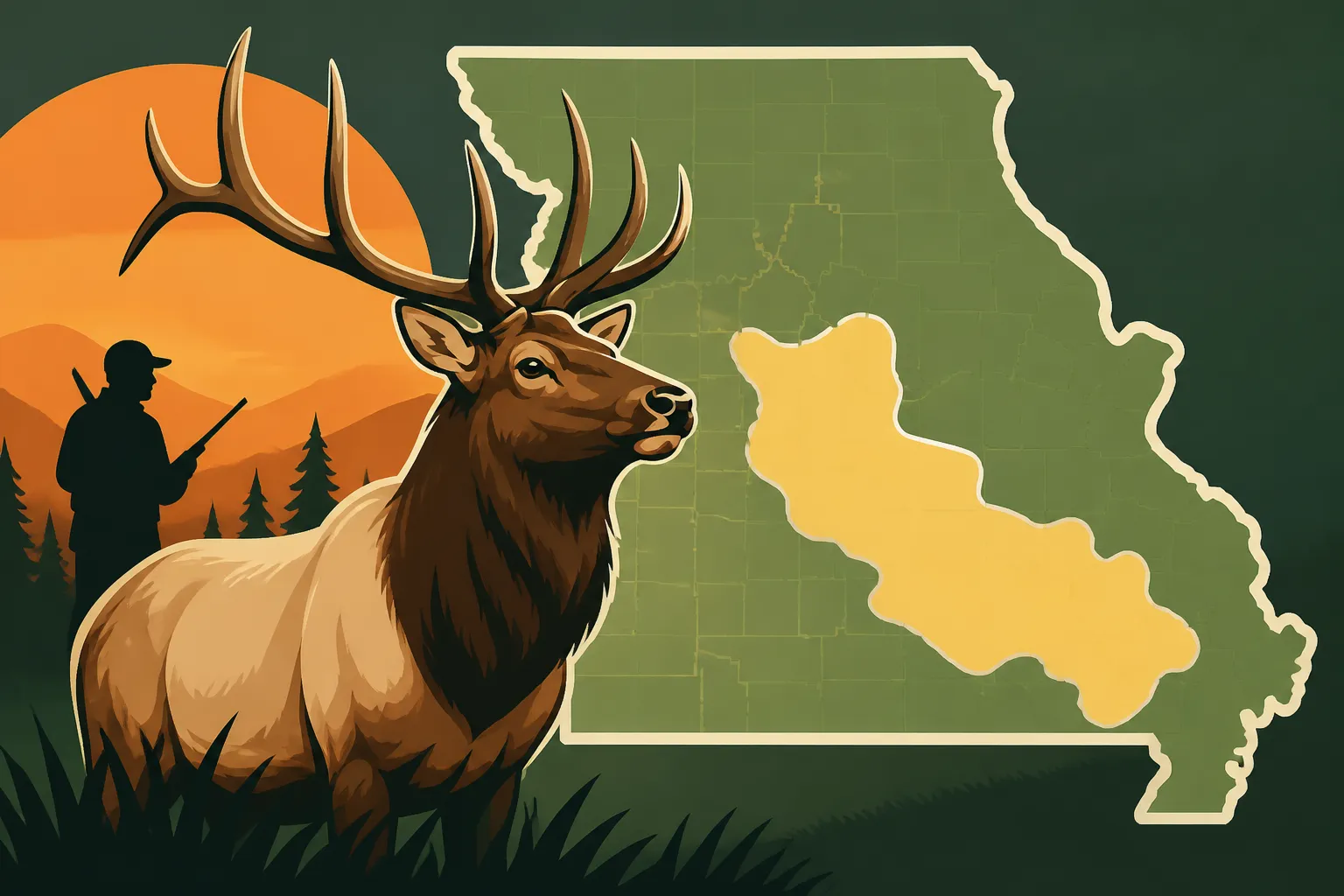
Missouri's elk restoration zone is concentrated in a truly rugged, wild, and beautiful part of the state. The primary restoration counties are Carter, Shannon, and Reynolds, with small portions of adjacent Wayne and Ripley counties also included in the overall zone. This area, largely encompassed by the vast expanses of the Mark Twain National Forest and several large Conservation Areas, offers hundreds of thousands of acres of contiguous habitat. It’s a mix of dense oak-hickory forests, open glades that mimic natural grasslands, and numerous clear-running rivers and streams. This isn't your typical farm country; it's classic Ozark wilderness, where steep hollows meet rocky ridges, creating ideal cover and diverse foraging opportunities for a growing elk herd.
Why the Ozarks Were Chosen for Reintroduction
The selection of these specific Ozark counties wasn't arbitrary; it was based on a comprehensive understanding of elk ecology and the unique characteristics of the region. First and foremost, the sheer amount of public land in this area was a huge factor. Extensive tracts of Mark Twain National Forest, coupled with large Conservation Areas, meant that the elk would have vast, undisturbed spaces to roam, minimizing interactions with private land early in the program. Secondly, the habitat itself is surprisingly suitable. While not the wide-open prairies some might associate with elk, the Ozark woodlands, with their scattered glades, regenerated timber stands, and abundant mast crops, provide a rich food base and excellent cover. The topography, with its dramatic elevation changes, also helps distribute the herd and provides diverse microclimates. Finally, the relatively low human population density compared to other parts of the state meant less potential for human-wildlife conflicts, giving the elk a peaceful environment to establish themselves.
Peck Ranch Conservation Area as the Elk Epicenter
At the heart of Missouri's elk restoration zone lies Peck Ranch Conservation Area. This nearly 23,000-acre tract in Carter County isn't just a part of the habitat; it's the undisputed epicenter of the entire reintroduction effort. Peck Ranch was the site of the initial elk releases, and it continues to serve as a critical breeding ground and stronghold for the herd. Its remote location, diverse habitat, and dedicated management for wildlife make it an ideal sanctuary. MDC actively manages Peck Ranch to enhance elk habitat, creating glades, performing prescribed burns to improve forage, and managing water sources. While it's a vital core area, the elk certainly don't stay confined to its boundaries. From Peck Ranch, the herd has naturally begun to expand its range, radiating out into the surrounding public and private lands within the restoration zone. If you're looking to catch a glimpse, this area is often cited as one of the best spots to try, as detailed in our guide Watching Elk at Peck Ranch.
Current Distribution and Seasonal Elk Movement
While Peck Ranch is undeniably the heart of Missouri's elk country, these magnificent animals are far from stationary. Elk are inherently migratory, or at least highly nomadic, constantly seeking new food sources, better cover, or suitable breeding grounds. Understanding these movement patterns is crucial for anyone hoping to observe or, by some miracle, hunt them.
Core Range Expansion and Dispersal Patterns
Since their initial release, the Missouri elk herd has demonstrated a healthy capacity for expansion beyond the immediate vicinity of Peck Ranch. While the vast majority of the herd still resides within the core counties of Carter, Shannon, and Reynolds, individual animals, particularly younger bulls, are known to disperse significant distances. It's not uncommon for elk sightings to occur in adjacent counties like Texas, Dent, Crawford, and even further afield in places like Phelps County. These outlying sightings are often of lone bulls exploring new territory, but occasionally small groups, or even cows, will venture outside the established boundaries. This natural dispersal is a sign of a healthy, growing population and suggests that the herd is successfully adapting to the broader Ozark landscape.
It’s important to remember that these are truly wild animals, and their exact whereabouts can change daily, if not hourly. While they maintain a general range, the boundaries are fluid. When considering areas to scout, whether for observation or the slim chance of a hunt, knowing the primary expansion areas is key. Utilizing sophisticated mapping tools, similar to those that platforms like GoHunt offer for western species, can help hunters and observers visualize the expansive terrain and potential travel corridors these animals might use within the broader Ozark region. Such tools allow you to layer public land boundaries, topography, and even recent aerial imagery to predict movement patterns and plan your approach, even if the GoHunt platform itself isn't directly managing Missouri's specific permit system.
Influences on Elk Movement and Habitat Use
Elk movement is governed by a complex interplay of factors, much like our whitetail deer, but on a larger scale. Food availability is always a primary driver. As seasons change, so do the most palatable forage options. In spring, they seek out lush new growth in glades and forest openings. Summer sees them browsing on a variety of woody and herbaceous plants. Fall brings the crucial acorn crop, which can concentrate them in oak-hickory timber, while winter might find them seeking thermal cover in dense stands of evergreens or sheltered hollows. Water sources are also vital, especially during warmer months.
Beyond food and water, factors like breeding season (the rut), calving, and even human activity can influence where elk are found. During the fall rut, bulls become much more vocal and active, sometimes moving further to challenge rivals or seek cows. Calving cows will seek out dense cover to protect their newborns. While direct hunting pressure on Missouri elk is minimal due to the limited tags, general human presence, such as hikers or other hunters targeting different species, can cause them to shift into more remote or thicker cover. Understanding these subtle shifts, and how terrain features like stream bottoms or prominent ridges create travel corridors, is critical, much like when you're Reading an Ozark Hollow for Deer Movement.
Monitoring Elk Across the Landscape
The Missouri Department of Conservation employs a variety of methods to keep tabs on the elk herd's health, distribution, and population dynamics. A key tool in this effort is GPS telemetry. Many of the reintroduced elk, and some born in Missouri, are fitted with GPS collars that transmit their locations, allowing biologists to track their movements, understand their habitat use, and monitor dispersal patterns. This data is invaluable for management decisions, informing everything from habitat improvements to determining harvest quotas.
Beyond direct telemetry, MDC also relies on public sightings. When you see an elk in Missouri, reporting it to the MDC is extremely helpful. This citizen science component helps fill in gaps and confirms dispersal events, giving biologists a broader picture of the herd's distribution across the landscape. The health of the herd is paramount, and regular monitoring allows for early detection of potential issues like disease outbreaks, ensuring the long-term viability of Missouri's elk. These monitoring efforts are essential to gauge How the Missouri Elk Herd Has Grown and thrive.
Opportunities for Viewing and Hunting Missouri Elk
The reintroduction of elk has opened up entirely new outdoor experiences for Missourians. While drawing an elk tag remains one of the rarest privileges in the state, the opportunity to simply observe these magnificent animals in their natural habitat is a draw in itself, attracting nature enthusiasts and hunters alike.
Where to See Elk in the Wild
For many, the ultimate goal isn't a tag, but a glimpse. The best place, by far, for consistent elk viewing opportunities is Peck Ranch Conservation Area in Carter County. MDC has established designated viewing areas and occasionally offers guided tours during specific times of the year, particularly during the fall rut when bulls are bugling. Early morning and late evening hours are typically the most productive, as elk are often out grazing in open glades or fields during these times.
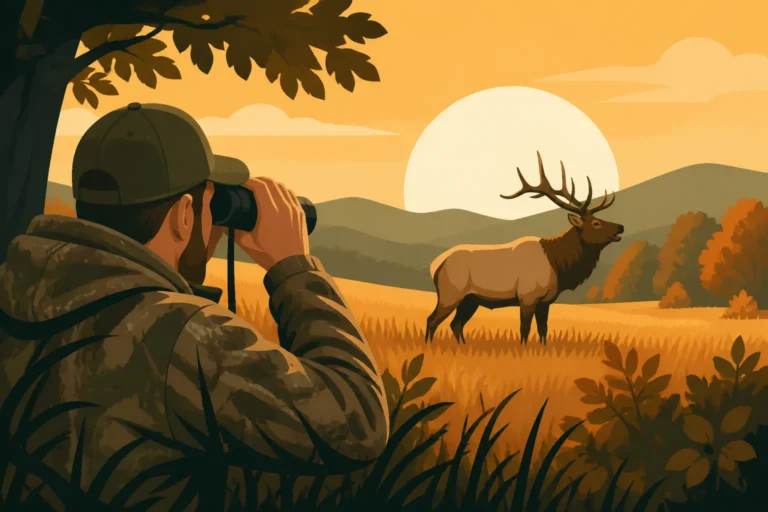
Beyond Peck Ranch, elk can be found on other large tracts of public land within the core management zone. Areas of the Mark Twain National Forest within Carter, Shannon, and Reynolds counties, particularly those bordering Peck Ranch, offer a chance for more solitary viewing. The Current River and Eleven Point National Scenic Riverways also provide vast, wild landscapes where an encounter is possible. Remember, these are wild animals, and patience is key. Bring good binoculars or a spotting scope, be quiet, and be prepared to spend some time exploring. For serious scouting and trip planning, tools like those found on GoHunt, which offer detailed map layers for public land and topographic features, can be invaluable for pinpointing remote areas within the vastness of the Ozarks where elk might roam undisturbed. Even if the platform doesn't cater specifically to Missouri elk draws, its mapping capabilities are universally helpful for understanding and navigating large hunting areas.
Navigating Missouri's Elk Hunting Lottery
Let's be clear: hunting elk in Missouri is an aspiration for most, and a reality for very few. The Missouri Department of Conservation issues an extremely limited number of permits each year through a highly competitive lottery system. Typically, only a handful of permits are issued annually, primarily for bull elk, with some antlerless permits also available. This is a deliberate strategy to allow the herd to continue to grow and establish itself, ensuring its long-term health and stability. The odds of drawing a permit are incredibly slim, often in the tens of thousands to one.
The application period usually occurs in the spring, and specific rules and eligibility requirements apply. You'll need to research the Missouri Elk Permit Lottery Rules and keep a close eye on the Missouri Elk Application Dates to ensure you don't miss your window. Hunters who are drawn will be assigned to one of the designated Elk Hunt Zones (EHZ), which are specific geographic areas within the core restoration counties like Missouri Elk Hunting Counties. These zones are carefully established to manage harvest and minimize disruption to the broader herd. Success on an elk hunt requires extensive scouting, deep knowledge of the terrain, and an understanding of elk behavior – skills that even seasoned whitetail hunters will find challenging in the rugged Ozarks.
The Future Outlook for Missouri's Elk Herd
The journey to re-establish elk in Missouri has been a remarkable conservation success story, but the work is far from over. The Missouri Department of Conservation remains committed to managing this herd for its long-term health and for the benefit of all Missourians. The future holds both promise and challenges as these majestic animals continue to reclaim their place in the Ozark landscape.
Herd Growth, Health, and Management Goals
Since their reintroduction, Missouri's elk herd has shown consistent growth. From the initial 108 animals, the population has steadily increased, now numbering in the hundreds. The MDC monitors key metrics like calf recruitment, survival rates, and overall population numbers to ensure the herd's continued health. The long-term management goal is to maintain a healthy, free-ranging elk population that is biologically and socially sustainable, providing both viewing and highly limited hunting opportunities. As the herd continues to expand, so too will the data that informs future management decisions, including any potential adjustments to harvest strategies. The continued growth is a testament to the hard work put in, and you can delve into more detail about the population trends in our article about How Many Elk Missouri Has.
The very limited hunting season is designed not just to provide opportunity, but also as a management tool. Controlled harvests help regulate herd numbers, ensuring they stay within the carrying capacity of their habitat and minimize potential conflicts with landowners. It’s a delicate balance, and MDC biologists continually assess the herd’s dynamics to make informed decisions for the future.
Challenges and Ongoing Conservation Efforts
Even with the successes, challenges persist. One of the primary concerns is Chronic Wasting Disease (CWD), a neurological disease that affects deer and elk populations. While Missouri’s elk herd has shown no signs of CWD to date, diligent monitoring and surveillance are critical to prevent its spread from affected deer populations in the state. Habitat management is another ongoing effort. The Ozarks, while wild, are dynamic. Prescribed fire, glade restoration, and selective timber harvesting are crucial tools used by MDC to create and maintain the diverse mosaic of habitats that elk require, ensuring ample forage and cover.
Furthermore, managing interactions with the human population is always a consideration. While the core zone is sparsely populated, as elk disperse, there's always the potential for vehicle collisions or conflicts with agricultural interests. Educating the public about elk behavior and promoting responsible viewing practices are important aspects of ongoing conservation efforts. The success of the Missouri elk program serves as a powerful reminder of what dedicated conservation efforts can achieve, turning a historical absence into a vibrant, living presence for generations to come.
Missouri Elk Range Overview
| Primary Counties (Core Zone) | Key Conservation Area | Adjacent Counties (Frequent Sightings) | Habitat Type | Viewing Opportunities | Hunting Opportunities |
|---|---|---|---|---|---|
| Carter | Peck Ranch CA | Texas, Dent | Oak-Hickory Forest, Glades, River Bottoms | Good (Peck Ranch is best) | Lottery Only |
| Shannon | Current River area | Crawford, Phelps | Rugged Forest, Spring-fed Streams, Pine Plantations | Moderate (Patience Needed) | Lottery Only |
| Reynolds | Mark Twain NF | Iron, Madison | Dense Timber, Rocky Hills, Remote Wilderness | Lower (Very Remote) | Lottery Only |
| Wayne (portion) | Wappapello Lake area | Ripley (portion) | Mixed Forest, Bottomland, Agricultural edges | Rare | Lottery Only |
Disclaimer
This information is provided for general guidance and informational purposes only. Hunting regulations, permit requirements, season dates, and specific area rules are subject to change by the Missouri Department of Conservation (MDC). Always consult the most current MDC regulations and official publications before planning any hunting or outdoor activity. It is the individual's responsibility to understand and comply with all applicable laws and regulations.