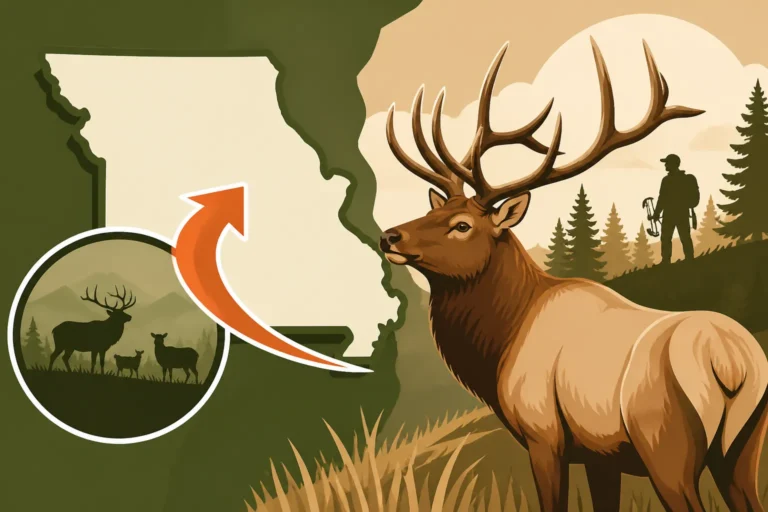
Watching Elk at Peck Ranch
It can be incredibly frustrating to hear about Missouri's wild elk herd, get excited about the possibility of seeing them in person, and then spend hours driving and searching only to come up empty-handed. These aren't zoo animals, after all; they're truly wild, elusive, and have a vast landscape to roam. This guide is here to walk you through the realities of finding and respectfully observing these magnificent creatures at Peck Ranch Conservation Area, offering practical advice to maximize your chances of a successful and memorable wildlife viewing experience.
The Challenge of Finding Missouri's Elk
Let's be real: seeing a wild elk in Missouri is not like spotting a deer in your backyard. These animals are a testament to a remarkable conservation success story, but their wild nature means they aren't always keen on being observed. Many people arrive at Peck Ranch with high hopes, only to leave disappointed, and it's not because the elk aren't there. It’s because they are masters of their domain, and you need to understand their patterns and the terrain to truly catch a glimpse. It takes patience, persistence, and a bit of know-how.
The Elusive Nature of Wild Elk
Missouri's elk, primarily found in the southeastern Ozarks, are magnificent animals, but they maintain a natural wariness that makes them incredibly elusive. They've adapted to human presence by often moving into dense cover during the day, especially when there's more activity from people. Think about it: they are large animals, but they can melt into a cedar thicket or a mature oak stand with surprising stealth. Their senses are sharp, far superior to ours, meaning they often know you're there long before you even suspect their presence. Wind direction, time of day, and even subtle changes in weather can influence where they choose to feed, rest, or travel. This isn't just a matter of luck; it's about understanding their instinctual behaviors and trying to predict where they might feel safe and undisturbed. They are most comfortable when they feel they have an escape route or sufficient cover to disappear into.
Understanding the Peck Ranch Landscape
Peck Ranch Conservation Area, along with the surrounding portions of the Current River and Eleven Point River country, encompasses a rugged, diverse landscape that is ideal for elk but challenging for human observers. We're talking about sprawling tracts of Ozark forest, steep hollows, rocky ridges, and scattered food plots. It's not a manicured park where animals are easily visible from paved roads. The terrain itself plays a significant role in where elk choose to spend their time. They’ll often use dense riparian zones along creeks for bedding or browse, and then move up to higher ridges or open glades to feed, especially during cooler parts of the day. The sheer vastness of the area means that even if the herd numbers are strong, they have an enormous amount of ground over which to disperse. Without an appreciation for this topography and how elk utilize it, you might find yourself looking at beautiful trees, but not much else. Knowing how to read the contour lines on a map or using an app with satellite imagery can give you a significant advantage in understanding potential travel corridors or bedding areas. The Missouri Conservation Atlas can be a huge help here.
Best Times to Witness Elk Activity at Peck Ranch
Timing is perhaps the single most critical factor in successful elk viewing. Just like many other wild game species, elk operate on a pretty predictable schedule dictated by light, temperature, and seasonal needs. Missing these windows can mean a long day with nothing but tracks to show for your efforts. Planning your visit around these prime times will drastically increase your odds.
Seasonal Sweet Spots for Elk Viewing
While elk are present year-round, certain seasons offer dramatically better viewing opportunities. The fall is arguably the most exciting time, especially during the rut (mating season), typically in late September through early October. This is when bull elk are most vocal, bugling loudly to challenge rivals and attract cows. Their increased activity and vocalizations make them easier to locate, and they are often less cautious. You might even witness sparring matches between bulls.
Late winter (January-February) and early spring (March-April) can also be productive. In winter, natural food sources are scarcer, driving elk to feed more openly in designated food plots or fields maintained by the Missouri Department of Conservation (MDC). Their dark coats also stand out more against the muted winter landscape. In spring, especially late morning or early afternoon, you might see cows with calves emerging, though they are often very wary. However, dense foliage from late spring through summer makes viewing incredibly difficult. The Elk in the Missouri Ozarks are largely concentrated in this region, making it your best bet for a sighting.
Daily Routines: Dawn, Dusk, and Beyond
Just as with seasonality, daily timing is paramount. Elk, like deer, are crepuscular, meaning they are most active during the twilight hours of dawn and dusk. This is when they move from their bedding areas to feeding grounds and vice-versa.
- Sunrise: Arriving at your chosen viewing spot before first light is essential. As the sun begins to creep over the ridges, elk will often be finishing up their overnight feeding or making their way back to heavy cover for the day. This golden hour offers both excellent light for photography and peak activity.
- Sunset: Similarly, the hour or two leading up to sunset is another prime window. Elk will start to emerge from their daytime beds to feed again. Position yourself with the setting sun at your back for clearer views.
- Mid-Day: While less common, elk can sometimes be spotted during the middle of the day, especially on overcast or cooler days, or if they are undisturbed. However, this is generally a time when they are bedded down in thick cover, making sightings much less likely. If you're using a planning app, similar to those that hunting enthusiasts use on platforms like GoHunt, you can analyze sun angles and terrain shadows to anticipate where elk might be comfortable at different times. How the Missouri Elk Herd Has Grown means there are more opportunities now than ever, but they still require diligent timing.
Navigating Peck Ranch for Optimal Viewing
Peck Ranch Conservation Area is a large and somewhat remote property. You can't just drive anywhere, and knowing where to focus your efforts is key to maximizing your chances of seeing elk. Respecting the area's rules and understanding the layout will ensure a safe and productive trip.
Designated Viewing Areas and Roads
The Missouri Department of Conservation (MDC) has established specific areas and roads designed to offer the best chances for elk viewing while minimizing disturbance to the animals. These typically include food plots and open fields that elk are known to frequent. It's crucial to consult the latest MDC map or information for Peck Ranch, as access points and designated viewing areas can sometimes change.
You'll often find pull-offs or small parking areas near these spots. It’s imperative to stay on designated roads and trails and never drive off-road. Not only is it illegal and damaging to the habitat, but it also pushes the elk deeper into inaccessible areas, ruining the experience for everyone. Some roads might be gravel or unimproved, so a vehicle with good ground clearance can be beneficial, especially after rain. Remember that the entire area isn't a "viewing park"; parts are actively managed for the Missouri Black Bear Population and other wildlife. For specific details on where elk are most commonly seen, check the MDC website for Peck Ranch or contact the local office. This is where a detailed mapping application, even one like those found on GoHunt that many hunters use, can be invaluable for pinpointing specific fields, draws, and access roads before you even leave home.
Tips for Spotting Elk in Dense Cover
Even in prime viewing areas, elk can be incredibly camouflaged within the Ozark landscape. Don't expect them to be standing out in the open like cattle in a pasture. They are masters of using cover, even subtle changes in topography, to their advantage.
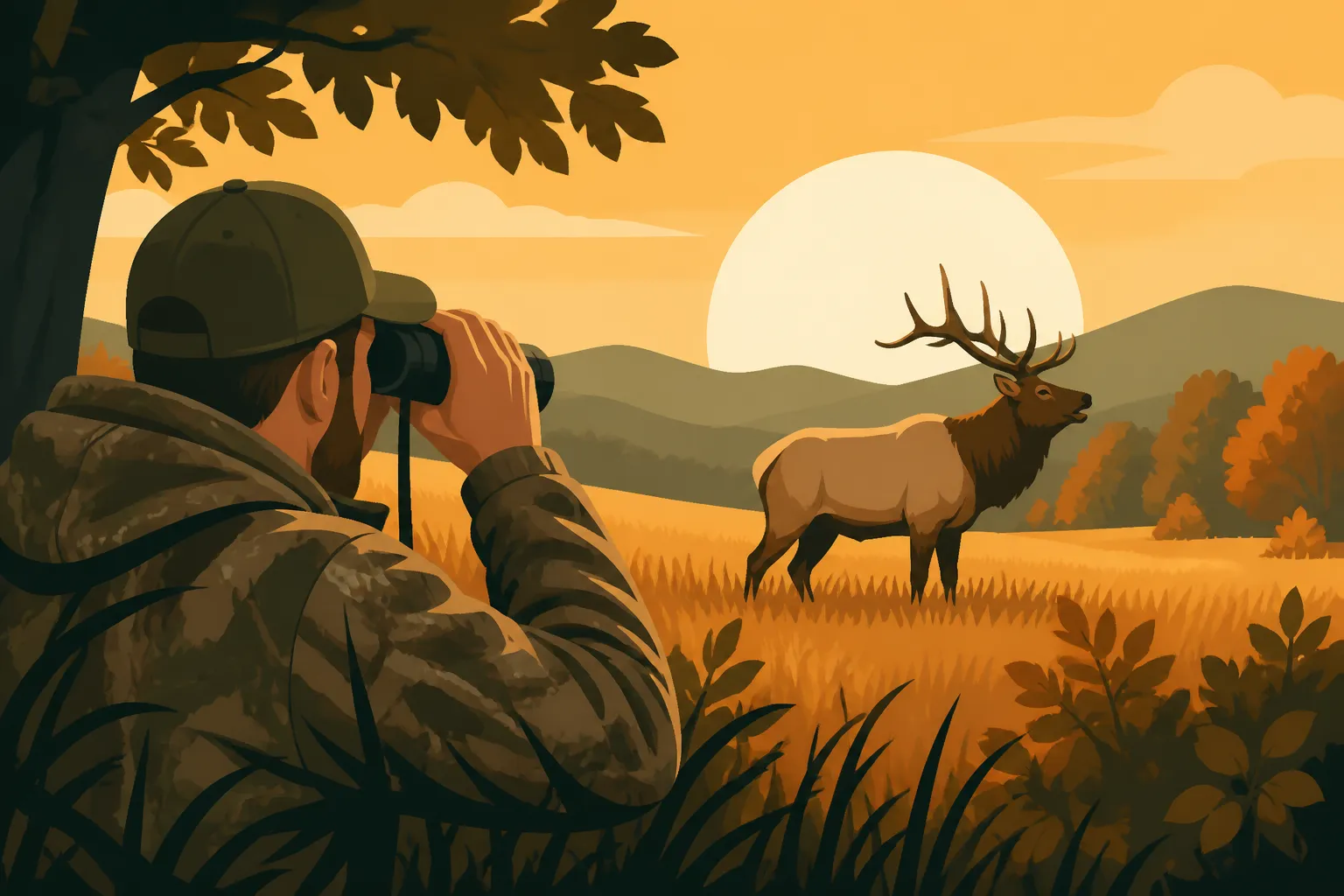
- Use Quality Optics: This is non-negotiable. A good pair of binoculars (10×42 or 12×50 are excellent choices for this terrain) or even a spotting scope mounted on a tripod will allow you to scan distant tree lines, field edges, and brushy areas for signs of elk. Don't just scan; slowly pick apart the landscape, looking for an antler tine, the outline of an ear, or a patch of hide that just doesn't quite match the surrounding vegetation. Binocular Choice for Missouri Whitetails can apply here as well, as good optics for deer often work well for elk.
- Patience is Key: You might sit for an hour, or three, before an elk steps out. Bring a comfortable chair, plenty of water, and snacks. Rushing the process guarantees disappointment.
- Look for Movement and Contrast: Even a flick of an ear or a swish of a tail can give an elk away. Their reddish-brown coats often provide a subtle contrast against the grays and greens of the forest, but you have to be looking closely.
- Listen: Especially during the rut, bugles are an unmistakable sign of elk presence. Even outside the rut, you might hear branches breaking, hooves crunching, or the distinct call of a cow or calf.
- Wind Direction: Always try to position yourself downwind from where you expect elk to be. Their sense of smell is incredible, and if they catch your scent, they'll likely vanish without you ever knowing they were there.
- Focus on Edges: Elk, like deer, often use the edges where two habitat types meet – where forest meets field, or dense timber meets a more open glade. These transition zones offer both food and cover. Understanding Where Missouri Elk Range Today can help you narrow down your search.
Essential Gear and Etiquette for Elk Watchers
While you're not hunting, a lot of the same principles apply for successful and ethical wildlife viewing. Being prepared with the right tools and demonstrating respect for the animals and the environment will make your experience better and help ensure these opportunities remain available for everyone.
Optics and Photography Equipment
You simply cannot get the full experience of watching elk at Peck Ranch without proper optics. Your naked eye won't cut it, especially when trying to discern a bull from a cow at a distance or picking out a bedded animal in dense cover.
- Binoculars: As mentioned, a solid pair of 10x or 12x binoculars are your primary tool. Brands known for good glass like Vortex, Leupold, or Nikon offer excellent performance without breaking the bank. Don't skimp here; clear, bright images make all the difference, especially in low light conditions.
- Spotting Scope: For serious observation, especially across larger fields or valleys, a spotting scope (typically 15-60x magnification) is invaluable. Mounted on a sturdy tripod, it allows for prolonged, detailed viewing without eye strain. This is especially useful for observing subtle behaviors or identifying individual animals.
- Camera Gear: If photography is your goal, a DSLR or mirrorless camera with a telephoto lens (200mm to 600mm or more) will be necessary. Remember that wild elk are usually at a distance, so handheld phone cameras, while convenient, often won't capture the detail you're hoping for. A tripod is also crucial for sharp images with long lenses.
- Other Essentials: Bring a comfortable day pack with water, snacks, a rain jacket (the Ozarks weather can change fast!), and perhaps a folding stool or cushion for extended sits. A mapping application on your phone, even if it's primarily designed for hunters, can give you a better understanding of the terrain, showing features that might be attractive to elk.
Respecting Wildlife and Fellow Visitors
Elk viewing is a privilege, and proper etiquette is crucial to ensure both your safety and the well-being of the elk herd. Always prioritize the animals' welfare and the experience of others.
- Maintain Distance: Never approach elk. Use your optics to get a closer view. Harassing or stressing wildlife is illegal and unethical. The general rule of thumb is that if an animal changes its behavior because of your presence, you are too close. If a cow elk with a calf acts agitated, you are definitely too close and should back off immediately. Remember, these are wild animals, and though beautiful, they can be dangerous if they feel threatened.
- Stay Quiet: Elk have incredible hearing. Speak softly, move slowly, and avoid sudden movements or loud noises. Silence enhances your chances of seeing them and doesn't disturb their natural routines.
- Leave No Trace: Pack out everything you pack in. Do not litter. Do not disturb vegetation or natural features. This area is home to Missouri's Elk Reintroduction From Kentucky and it's vital to keep it pristine.
- Be Aware of Hunting Seasons: While Peck Ranch is primarily a viewing area, some surrounding lands may be open to hunting during specific seasons. Always be aware of the calendar and consider wearing hunter orange if you're venturing out during any fall or winter hunting seasons, even if you're just observing. This is also important if you decide to explore Peck Ranch Conservation Area Hunting in the future. Check the current regulations regarding Orange Requirements for Missouri Archers and firearms hunters.
- No Feeding: Never feed wild animals. It habituates them to humans, can lead to aggressive behavior, and often provides them with unnatural, unhealthy food.
- Understand Boundaries: Be aware of Where the Elk Refuge Boundary Sits within Peck Ranch, as some areas may have stricter access rules or be completely closed to human entry to provide sanctuaries for the elk. Knowing these limits is important for compliance.
Beyond Peck Ranch: Other Elk-Related Experiences
While Peck Ranch is the heart of Missouri's elk country, the story of these magnificent creatures extends beyond its boundaries. Understanding their journey and the broader implications for the state can deepen your appreciation for what you see.
The Story of Missouri's Elk Reintroduction
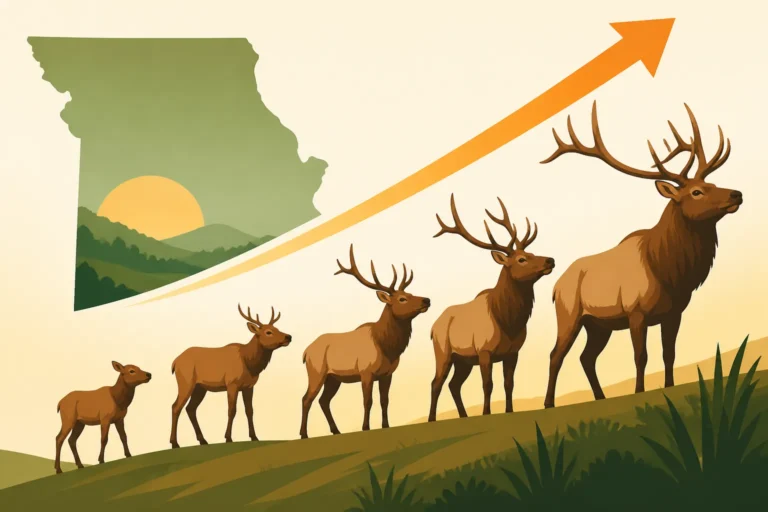
Missouri was once home to elk, but they were extirpated by the mid-1800s due to unregulated hunting and habitat loss. The idea of bringing them back simmered for decades, finally becoming a reality in 2011 when the Missouri Department of Conservation (MDC) embarked on a monumental reintroduction effort. Elk were sourced from Kentucky, carefully screened for disease, and released into a designated restoration zone that included Peck Ranch Conservation Area. The project was not without its challenges, from ensuring public support to managing potential conflicts with landowners, but it has been a resounding success. How Many Elk Missouri Has today is a testament to this incredible conservation achievement, and it continues to grow. Each sighting you have is a direct link to that determined effort.
The success of the reintroduction program has been carefully monitored, with biologists tracking herd growth, movement patterns, and genetic health. This has led to a thriving population that has exceeded initial expectations, demonstrating that with proper planning and habitat management, large game species can indeed make a comeback.
Missouri Elk Hunting: A Different Kind of Pursuit
For many, the ultimate experience with Missouri elk isn't just watching them, but actively participating in the hunt. While this guide focuses on observation, it’s worth noting that the success of the reintroduction has even led to very limited, highly regulated hunting opportunities. The MDC holds an annual lottery for a handful of coveted elk hunting permits. This isn't a walk-up-and-buy-a-tag situation; it's an incredibly competitive draw that speaks to the rarity and desirability of such an experience.
Applying for a Missouri elk permit requires dedication and understanding of the draw system. Details on Missouri Elk Application Dates and Missouri Elk Permit Lottery Rules are made available by the MDC each year. For those fortunate enough to draw a tag, it’s an opportunity to pursue one of North America’s most iconic big game animals in their native, wild Missouri habitat, a truly once-in-a-lifetime experience. The focus of the lottery is not just on harvesting an animal, but on managing the herd population and ensuring its long-term health, while also providing a unique outdoor heritage experience. It’s a testament to the fact that Elk in the Missouri Ozarks are thriving enough to support both viewing and highly controlled hunting.
Disclaimer
This article is for general informational purposes only and does not constitute professional advice. Laws, prices and regulations vary by location and change over time. Consult a qualified professional for guidance on your specific situation.