Calving Success and Herd Growth
The return of elk to Missouri has been a truly remarkable conservation story, and for many of us who follow wildlife, the question often turns to how well this magnificent herd is actually growing. It’s one thing to reintroduce animals, but it’s another entirely to see them truly thrive and expand their numbers through natural reproduction. This guide will dive deep into the fascinating world of elk calving success and herd growth here in Missouri, exploring the intricate details of what helps – or hinders – our elk population from flourishing, and what that means for their long-term presence in the Ozarks.
The Foundation of Growth: Understanding Elk Reproduction
When we talk about elk herd growth, everything starts with successful reproduction, particularly the annual calving season. It’s the engine that drives population increases, replacing older animals and adding new life to the herd. Without strong calving success, a population, no matter how healthy the adults might seem, simply can’t sustain itself or expand.
Elk, like most cervids, have a very specific reproductive cycle. The breeding season, known as the rut, typically occurs in late September and early October. This is when the bull elk are at their most vocal, bugling loudly to attract cows and challenge rival bulls. After a successful breeding, the gestation period for a cow elk is around 240-262 days, or roughly eight to eight and a half months. This means that calves are born in late spring to early summer, usually from late May through early June in Missouri.
A cow elk typically gives birth to a single calf, though twins are possible, they are much less common, especially in younger or less robust cows. The newborn calf is incredibly vulnerable, weighing about 30 to 40 pounds at birth. For the first few weeks, these calves are mostly hidden by their mothers, relying on camouflage and stillness to avoid predators. The cow will often leave her calf bedded down in thick cover, returning periodically to nurse. This initial period is critical; the calf must quickly gain strength and coordination to keep up with the herd and evade danger as it grows. The health and experience of the cow play a huge role here, as an experienced mother knows the best places to hide her young and is vigilant against threats.
Key Factors Influencing Calving Success
Many variables come into play that can make or break a calving season for elk. It’s not just about the cows getting pregnant; it’s about those calves surviving their earliest, most fragile days and growing strong enough to become yearlings. These factors create a complex web of ecological dynamics that biologists constantly monitor.
Habitat Quality and Nutrition
For elk, as with all wildlife, prime habitat is non-negotiable for robust reproduction. A cow elk needs access to high-quality forage throughout the year, but especially during gestation and lactation. If she's not getting enough nutrients, her body might not be able to carry the calf to full term, or the calf itself might be born weaker and less likely to survive. Think about how much energy a human mother expends during pregnancy and breastfeeding – it’s similar for elk!
In the Ozarks, this means ample access to nutritious grasses, forbs, and browse. Areas with a good mix of open glades, mature timber, and regenerating forest stands provide the diverse diet elk need. Water sources are also crucial, particularly for lactating cows who need extra hydration. Good cover, like dense cedar thickets or young pine stands, offers protection for newborn calves from both predators and harsh weather, allowing them to remain hidden and safe during those critical first weeks. The continuous improvement and management of these habitats are directly linked to how many calves ultimately make it.
Predation Pressures
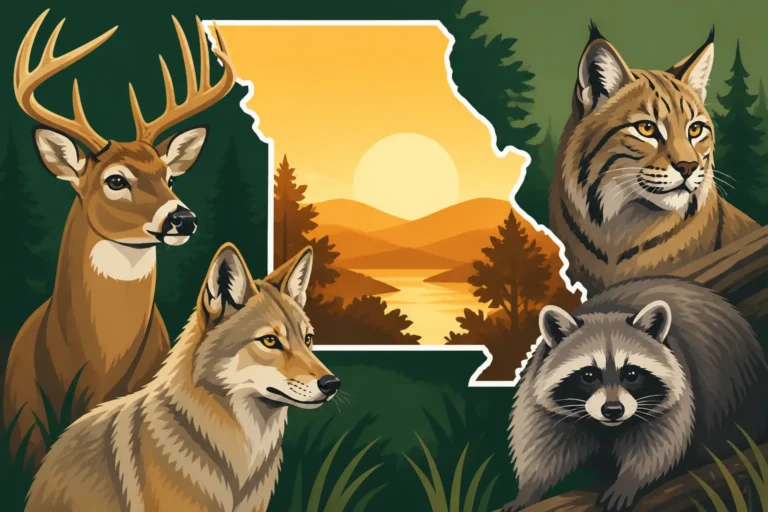
Predators are a natural part of any ecosystem, and young elk calves are certainly on the menu for several species. While adult elk are formidable animals, a newborn calf is relatively defenseless. Coyotes are probably the most common predator of elk calves in Missouri, especially in the more open parts of their range where concealment might be less abundant. Coyotes and Bobcats on Farm Country discusses the prevalence of these animals.
However, as the Missouri black bear population expands, bears can also become opportunistic predators of elk calves. Missouri Black Bear Numbers can give you a deeper understanding of their presence. It's a tough reality, but it’s how nature balances populations. The key for a healthy elk herd isn't to eliminate predators, but to ensure there's enough suitable habitat and a sufficiently large elk population that can absorb these natural losses and still grow. When calves have good cover and mothers are healthy enough to be vigilant, their chances of survival against predators increase significantly.
Weather and Environmental Stress
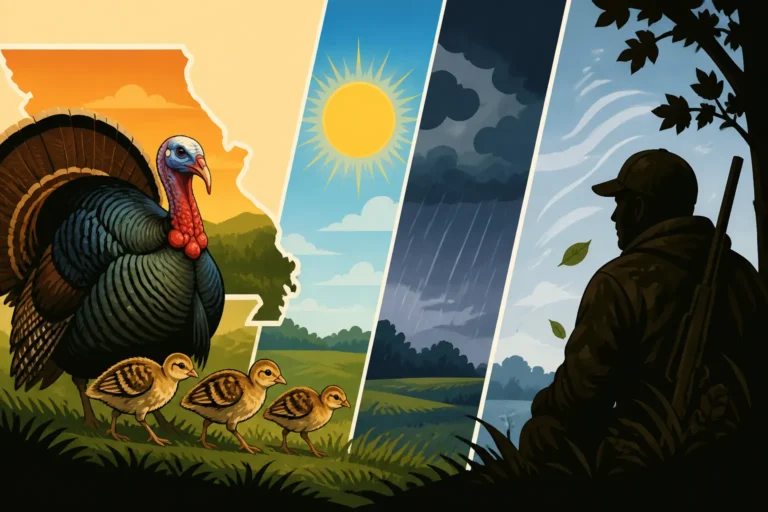
The weather during calving season and the months leading up to it can have a profound impact. A harsh winter that depletes a cow's energy reserves can mean she enters calving season in poor condition, potentially leading to weaker calves or even reabsorption of a fetus. Late spring cold snaps or prolonged periods of heavy rain can be deadly for newborn calves. They are susceptible to hypothermia, and wet, cold conditions can weaken them, making them more vulnerable to disease or predation.
Conversely, a mild winter followed by a temperate, slightly moist spring can create ideal conditions: abundant green-up for nutrition and comfortable temperatures for newborns. The timing of green-up is also important; if prime forage emerges too late, cows might struggle to find the nutrition needed right when they're at their most energy-intensive phase of lactation. Environmental stressors, like widespread wildfires or severe drought, can also indirectly affect calving success by reducing available forage and increasing stress on the cows.
Human Disturbance and Disease Management
While not always a direct cause of calf mortality, human disturbance can stress cow elk during the sensitive calving period. Off-road vehicle use in known calving areas, excessive recreational activity, or even accidental encounters by hikers can cause cows to abandon their hiding calves, even if only temporarily, leaving them exposed. Responsible use of public lands and respecting wildlife during these critical times is essential.
Disease is another silent threat. While Missouri's herd has been carefully monitored since its reintroduction, any widespread disease could severely impact calves, whose immune systems are still developing. Vigilant monitoring by the Missouri Department of Conservation (MDC) is crucial to detect and manage any potential outbreaks, ensuring the long-term health of the herd. Understanding these dynamics is part of being a responsible steward of our wild places, whether you're actively Scouting Missouri Public Land Before Season or just enjoying the outdoors.
Measuring and Monitoring Herd Growth
How do we actually know if the elk herd is growing successfully? It's not as simple as counting visible animals. The MDC employs a multi-faceted approach to monitor the health and growth of the herd, relying on scientific methods and boots-on-the-ground observations.
Aerial Surveys and Ground Observations
One of the most effective ways to estimate population numbers and gauge reproductive success is through aerial surveys. These are often conducted in late winter or early spring when leaf-off conditions provide better visibility and before calves are too old to distinguish easily. Flying specific transects over the core elk range allows biologists to count animals, observe herd dynamics, and estimate calf-to-cow ratios. This ratio is a key indicator: a higher number of calves per cow suggests a successful calving season and good calf survival into their first winter.
Complementing aerial surveys are extensive ground observations. MDC staff, often aided by volunteers and even attentive local residents, record sightings of elk, noting group composition (how many cows, bulls, and calves), location, and condition. Trail cameras, strategically placed throughout the elk range, also capture valuable data on calf presence and movements without direct human interference. These combined efforts paint a more complete picture than any single method could provide.
Radio-Collaring and Survival Rates
A critical tool for understanding survival rates, particularly for young animals, is radio-collaring. While not every calf is collared, a sample of newborn calves may be fitted with small, lightweight radio collars. These collars allow biologists to track the calf's movements and, crucially, to determine if and when a calf dies. When a collar indicates a mortality event (e.g., a static signal, or a signal that hasn't moved in a suspicious amount of time), biologists can investigate the cause of death.
This data is invaluable. It tells us what proportion of calves survive their first few weeks, their first six months, and their first year. It helps identify specific mortality factors – whether it's predation, disease, or environmental stress – allowing the MDC to understand the biggest challenges to herd growth. This kind of intensive monitoring is part of the broader strategy for Missouri's Elk Reintroduction From Kentucky and ensuring its long-term viability.
Data Analysis and Population Modeling
All the collected data – from calf-to-cow ratios and survival rates to overall counts – feeds into sophisticated population models. These models use mathematical equations and statistical analysis to estimate the current population size, project future growth, and assess the impact of different management strategies. By understanding historical trends and current conditions, biologists can predict how the herd might grow or shrink under various scenarios, such as different harvest quotas or changes in habitat.
This modeling is essential for making informed management decisions. It allows the MDC to set sustainable hunting seasons, if and when they occur, ensuring that the harvest does not undermine the long-term health and growth of the herd. Tools like The Missouri Conservation Atlas and resources available through platforms like GoHunt can help hunters visualize these areas and understand the landscape where such data is collected, providing valuable context for their own outdoor pursuits.
The Future of Missouri's Elk Herd
The success of calving season is more than just a feel-good story; it's the heartbeat of the entire elk reintroduction effort. Strong calving success is paramount for the future of elk in Missouri, indicating a resilient and expanding population.
Implications of Strong Calving Success
When calving success is consistently high, it means several positive things for the Missouri elk herd. Firstly, it ensures a healthy age structure, with a good proportion of young animals entering the breeding population in future years. This provides a buffer against unexpected mortality events in adult animals and ensures genetic diversity continues to flourish. The overall population grows, pushing the herd towards its carrying capacity within the established range and potentially allowing for natural expansion into suitable adjacent habitats.
This sustained growth is what allows for future opportunities, like controlled hunting seasons. While the primary goal of the reintroduction was conservation, a healthy, robust population can eventually support limited, managed hunting, which then becomes a tool for managing the herd and generating conservation funding. How Many Elk Missouri Has and Missouri Elk Hunting Counties are directly influenced by these ongoing biological successes.
Sustainable Management and Expansion
The MDC's long-term management goals for elk hinge on maintaining a healthy, wild, and free-ranging herd within the Ozarks. Calving success is the clearest indicator of whether these goals are being met. Continued monitoring and research will inform future habitat management practices, potentially guiding prescribed burns, timber stand improvements, and glade restoration efforts to further benefit elk.
While the core range is currently focused around Peck Ranch and the surrounding counties, sustained herd growth through successful calving could lead to gradual, natural expansion into suitable areas further afield. This is a slow process, as elk typically don't disperse dramatically overnight, but rather gradually explore new territories as their numbers grow within existing ranges. Hunters interested in the big picture can use resources like GoHunt to stay informed about habitat changes and reported elk sightings, helping them appreciate the broader landscape that supports our elk.
The journey of the elk in Missouri is a testament to dedicated conservation efforts, and the success of each calving season writes a new, hopeful chapter in that story. It reminds us that wildlife management is a dynamic, ongoing process, deeply dependent on the intricate balance of nature and our understanding of it. Elk in the Missouri Ozarks are here to stay, thanks in large part to the tiny, vulnerable calves that arrive each spring.
Factors Affecting Elk Calf Survival
| Factor | Description | Impact on Calving Success |
|---|---|---|
| Habitat Quality | Abundance of nutritious forage and dense cover. | High-quality habitat leads to healthier cows and stronger calves. |
| Predation | Presence of predators like coyotes and black bears. | Significant source of mortality for newborns. |
| Weather | Harsh winters, late freezes, prolonged wet springs. | Can stress cows and lead to calf mortality from exposure. |
| Cow Health | Nutritional status and experience of the mother elk. | Healthy, experienced cows have higher calf survival rates. |
| Human Disturbance | Recreational activities, off-road vehicles in calving areas. | Can cause abandonment of calves or increased stress. |
| Disease | Potential for widespread illness in the herd. | Can directly cause calf mortality or weaken calves. |
Disclaimer
This article is for general informational purposes only and does not constitute professional advice. Laws, prices and regulations vary by location and change over time. Consult a qualified professional for guidance on your specific situation.