Where Missouri’s Restoration Birds Came From
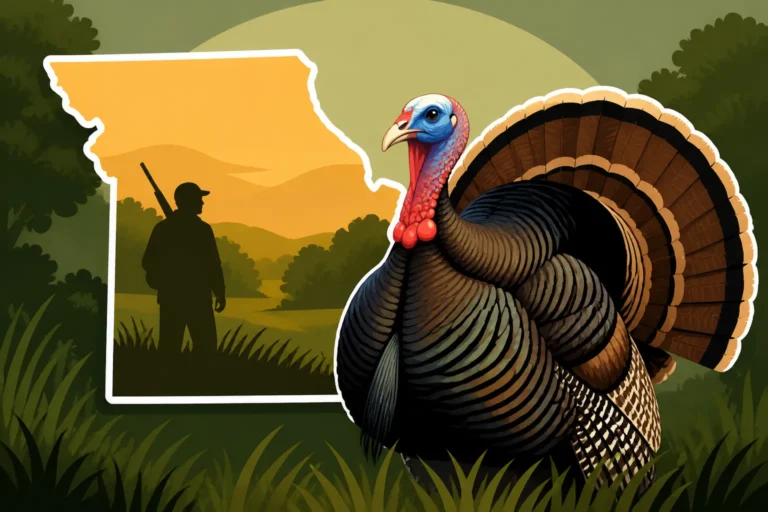
It's hard to imagine Missouri's timber and fields without the booming gobble of a wild turkey echoing through them, especially for those of us who spend our springs chasing them. But there was a time, not so long ago, when the sound of a wild turkey was all but absent from the Show-Me State. This guide will take you on a journey back through history to explore the near-extinction of Missouri's wild turkeys and reveal the incredible story of how they were brought back, detailing exactly where those vital restoration birds came from.
The Silence of the Timber: When Missouri's Turkeys Vanished
For hunters today, who often use advanced scouting tools and platforms like GoHunt to plan their seasons, it's almost impossible to conceive of a Missouri without a healthy, thriving wild turkey population. Yet, for a significant part of the 20th century, that was precisely the reality. The plight of the wild turkey in Missouri was a classic tale of unregulated exploitation and devastating habitat change.
The Impact of Market Hunting and Habitat Loss
Back in the late 1800s and early 1900s, Missouri, like many other states, saw its wild turkey populations plummet. Market hunting played a huge role in this decline, with hunters taking birds by the wagonload to sell in burgeoning city markets. There were no seasons, no bag limits, and certainly no thought of sustainable harvest. Coupled with this, the vast hardwood forests that once covered much of Missouri were being clear-cut at an alarming rate for timber, agriculture, and fuel. When you take away both the birds and their homes, the recipe for disaster is complete. It wasn't just a reduction in numbers; it was a wholesale disappearance from entire regions of the state where they once thrived.
The Dire Low Point of the Population
By the 1930s and 40s, Missouri's wild turkey population was teetering on the brink of extinction. Estimates suggested only a few thousand birds, at most, remained. These scattered survivors clung to existence in the most remote, rugged corners of the Ozarks, areas that were simply too difficult to reach for loggers and market hunters. These isolated pockets of birds were the last vestiges of a once-abundant species, a stark reminder of how quickly even a prolific game animal can be wiped out without proper management and conservation ethics. For generations, many Missourians grew up never hearing a gobble or seeing a wild turkey in their local woods. It was a silence that spoke volumes about what had been lost.
The Revolutionary Trap-and-Transfer Program
The idea of bringing a species back from such a precarious state seemed almost impossible to many at the time. Yet, a revolutionary approach known as "trap-and-transfer" emerged as the beacon of hope for Missouri's wild turkeys and, indeed, for many other wildlife species across North America.
The Mechanics of Catching and Relocating Wild Turkeys
The trap-and-transfer program wasn't about raising pen-reared turkeys and releasing them; conservationists had tried that, and it failed miserably. Pen-reared birds lacked the instincts to survive in the wild. The key was to use truly wild turkeys. The method that eventually proved successful involved rocket nets or cannon nets. These specialized nets would be carefully set up in areas where wild turkeys were known to roost or feed. Once the birds were lured into the target zone, the nets would be deployed, capturing multiple birds simultaneously.
Captured birds were then carefully handled, banded, and placed into special transport crates. The process was meticulously planned to minimize stress and injury to the turkeys. These wild birds were then transported, often over long distances, to suitable release sites across Missouri that had ample habitat but no wild turkeys. This wasn't a simple task; it required incredible dedication, scientific understanding of turkey behavior, and a deep commitment from the conservation agencies and volunteers. Modern hunters utilizing platforms like GoHunt for their trip planning can appreciate the meticulous detail required for such an undertaking, albeit on a much larger scale than a single hunting trip.
Why Wild-Caught Birds Were Essential
The genius of the trap-and-transfer method lay in its reliance on truly wild stock. These birds had all the necessary instincts for survival: they knew how to forage, avoid predators, find water, and reproduce successfully in their natural environment. Unlike their pen-reared cousins, they weren't dependent on humans. When released into new, appropriate habitats, these wild turkeys quickly established breeding populations. The program proved to be a resounding success, laying the foundation for the thriving turkey population we enjoy today. This success story has become a model for wildlife restoration projects worldwide and is a testament to the power of science-based conservation. The initial efforts were slow, often frustrating, but absolutely critical to the long-term comeback of the species.
Tracing Missouri's Turkey Ancestry: Where the Birds Came From
The success of Missouri's wild turkey restoration wasn't an isolated effort. It was built on cooperation with other states that either had strong remnant populations or had initiated their own trap-and-transfer programs successfully. Missouri received critical initial stocking birds from several key donor states.
Donor States That Lent a Helping Wing
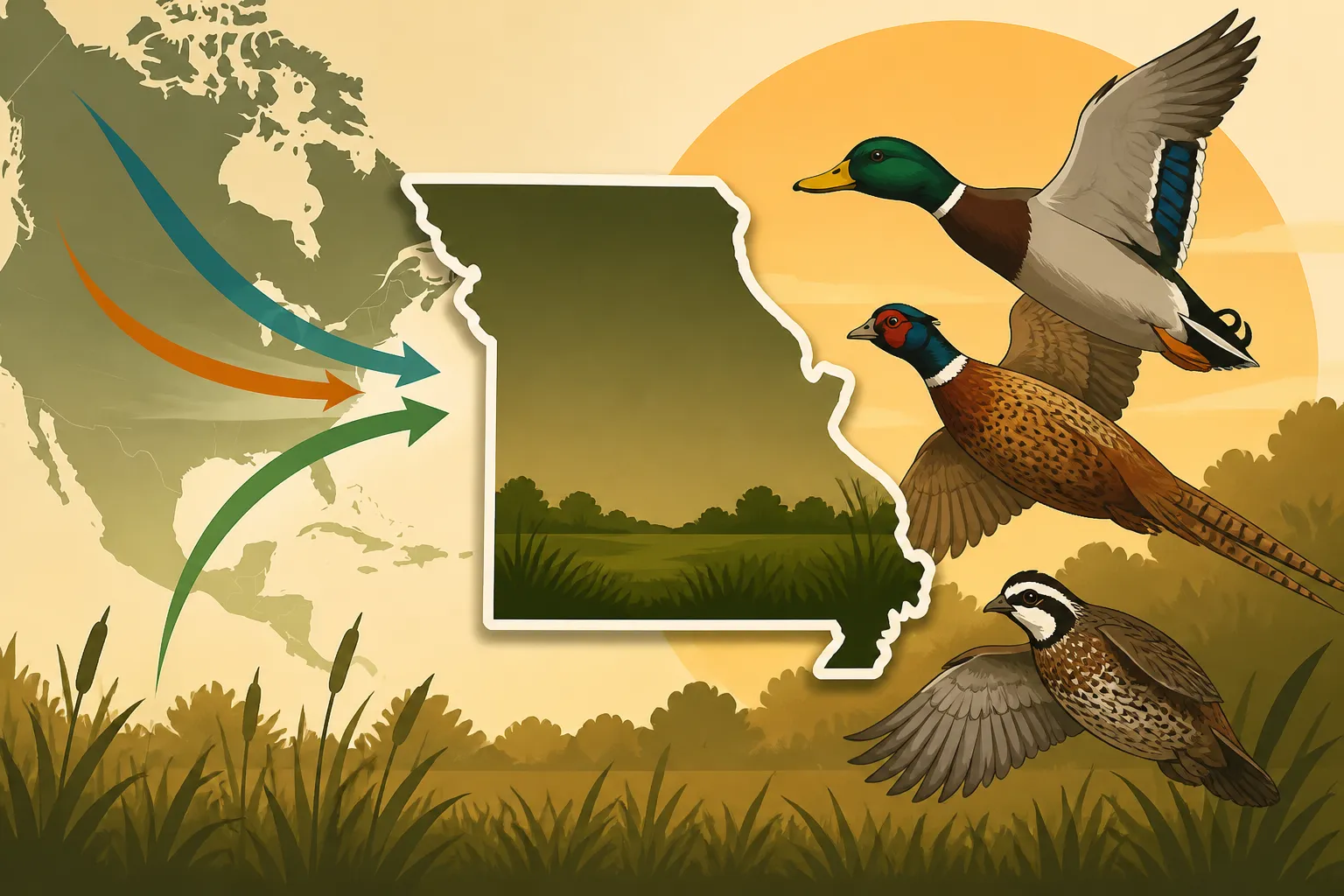
To kickstart its own population recovery, Missouri received wild turkeys from several southern states that either managed to retain some wild birds or had already begun their own successful restoration efforts. While specific numbers and dates varied, states like Arkansas, Alabama, Mississippi, and Oklahoma were instrumental in providing Missouri with its foundational breeding stock. These states, through their own conservation departments, understood the importance of regional wildlife health and generously shared their resources. Imagine the logistical challenge: carefully trapping birds in one state and transporting them hundreds of miles to another, all for the sake of conservation. This kind of dedication, much like how we use advanced tools like GoHunt to understand game movement now, was crucial in an era before instant communication and easy travel.
Here’s a look at the contributions:
| Donor State | Typical Contribution | Historical Significance |
|---|---|---|
| Arkansas | Significant | Early and consistent source, geographically close. |
| Alabama | Moderate | Provided birds from well-established populations. |
| Mississippi | Moderate | Contributed genetic diversity to the new Missouri flocks. |
| Oklahoma | Minor to Moderate | A regional partner in similar restoration efforts. |
| Missouri (Internal) | Majority | Once established, self-sustaining transfers within state. |
The Power of Internal Transfers and Exponential Growth
Once these initial birds from other states were released into suitable habitats in Missouri, they did what wild turkeys do best: they adapted and reproduced. As these transplanted populations grew, Missouri's own Department of Conservation began its own internal trap-and-transfer program. This meant that once a certain area in Missouri had a healthy, growing turkey population, conservationists would trap birds from that thriving local flock and move them to other parts of Missouri where turkeys were still absent or scarce. This "cascading" effect allowed the population to expand exponentially across the state.
This internal transfer mechanism was arguably the most critical phase of the restoration. It demonstrated that the initial influx of birds was successful, proving that Missouri's habitat could once again support a robust turkey population. This methodical, scientific approach to restocking transformed isolated pockets into widespread, huntable populations. The success of How Missouri Restored Its Wild Turkeys is truly one for the history books, marking one of the greatest conservation achievements in North America.
A Legacy of Conservation: How Restoration Shaped Modern Management
The triumphant return of the wild turkey in Missouri is more than just a wildlife success story; it's a testament to the enduring power of dedicated conservation efforts and smart wildlife management. It deeply influenced how we approach game species today.
From Scarcity to Abundance: Managing a Thriving Flock
The wild turkey restoration proved that even seemingly insurmountable conservation challenges can be overcome with science, dedication, and public support. Today, Missouri boasts a robust wild turkey population, supporting both spring and fall hunting seasons. The state's Missouri Spring Turkey Season Structure and Missouri Fall Turkey Seasons are carefully managed to ensure sustainable harvest and healthy populations for generations to come. From the perspective of a hunter planning their season with GoHunt, understanding this history deepens the appreciation for every bird pursued, whether you're trying Roost Hunting Missouri Gobblers or employing Turkey Tactics for Crop Country.
Continued Efforts and Future Challenges
While the restoration was a monumental achievement, the work of wildlife management is never truly finished. Conservation agencies continuously monitor Missouri Turkey Population Trends, study habitat changes, and adapt regulations to address new challenges. Diseases, habitat fragmentation, and changes in weather patterns all play a role in the health of the turkey flock. Hunters contribute significantly to these efforts through permit purchases and participation in surveys. Our responsibility now is to ensure that the legacy of these restoration efforts continues, protecting these magnificent birds for future hunters and wildlife enthusiasts. Whether you're focused on Spring Turkey Calling in Missouri Timber or Hunting Turkeys With a Bow, remember the journey these birds have taken.
The story of Missouri's Restored Wild Turkey Flock stands as a powerful example of what can be achieved when people commit to wildlife conservation. It reminds us that every gobble heard in the springtime woods is not just a call from a bird, but an echo of a hard-won victory for conservation.
Disclaimer
This article is for general informational purposes only and does not constitute professional advice. Laws, prices and regulations vary by location and change over time. Consult a qualified professional for guidance on your specific situation.