Counties Where Quail Hold On
It can be incredibly disheartening to hit the field, dog eager at your side, only to walk mile after mile of cover that looks perfect, yet yields no birds. We've all been there, questioning if the rumors of Missouri's bobwhite quail simply clinging to memory are true. This guide isn't about sugarcoating the challenges; it's about giving you a realistic, deeply researched look into the specific Missouri counties where these tenacious little rockets are still holding their own, and how you can increase your chances of finding them.
The Challenging Reality of Missouri Quail Hunting
Let's be honest, talking about quail hunting in Missouri can feel like a conversation about a bygone era. The stories from our grandfathers, of bursting coveys in every fence row, often make today's efforts seem futile. But while it's true that the landscape has changed dramatically, it's not entirely hopeless. The key is understanding where those changes have been less impactful, or where dedicated efforts are making a difference.
Historical Decline and Modern Day Frustrations
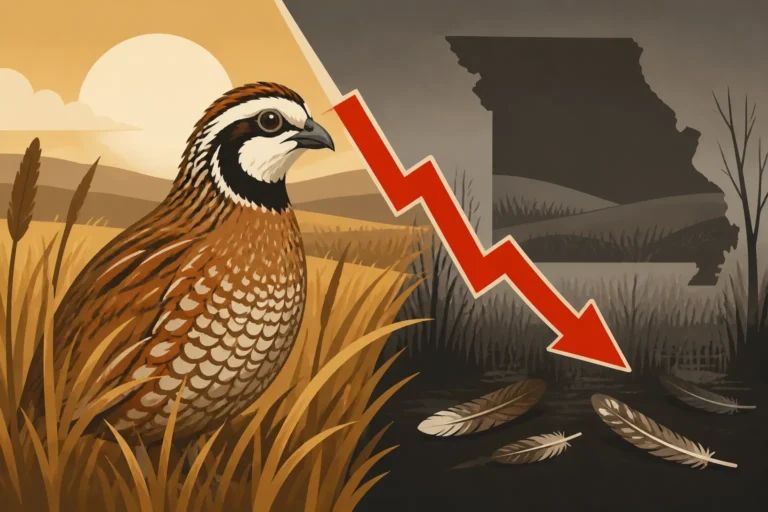
For decades, Missouri's bobwhite quail population has faced an uphill battle. Industrial agriculture, which often means larger fields, fewer fencerows, and widespread herbicide use, has obliterated vast swathes of crucial habitat. When you combine that with increased predation, changing weather patterns, and the simple fact that fewer landowners are actively managing for upland birds, it’s easy to see why hunters often come home with empty vests and heavy hearts. It’s frustrating to invest time, money, and emotional energy into a pursuit that feels like chasing ghosts, especially when you recall what it once was. The casual, walk-the-back-40-and-find-a-covey days are largely gone, replaced by a need for strategic planning and an intimate knowledge of specific, smaller pockets of suitable cover.
The Ever-Present Hope for a Covey Rise
Despite the bleak outlook often painted, there's still a spark of hope. That hope lies in the resilience of the bobwhite and the dedication of conservationists and landowners who understand the critical importance of diverse habitat. While widespread coveys are rare, isolated pockets, often managed intensively, do exist. The sheer thrill of a covey rise, the explosive flush of a dozen or more birds, is still one of the most exciting experiences in the upland hunting world. It’s that hope, that possibility, that keeps us lacing up our boots and training our dogs. Finding these spots isn't accidental; it requires understanding the land, the birds, and where the best efforts are being made.
Understanding Quail Habitat and Why It Matters
To truly understand where quail might be holding on, we first need to get a firm grasp on what makes good quail habitat. These aren't birds that thrive in vast, unbroken forests or monoculture crop fields. They need a specific, intricate mosaic of cover types to survive year-round, from nesting to winter.
Ideal Cover Types: The Quail's Essential Real Estate
Quail are creatures of the edge. They thrive where different habitat types meet, creating a diverse "menu" of survival options. Think of it like a wild game buffet. They need dense, grassy cover for nesting and brood-rearing, providing both concealment from predators and a haven for insect life, which is critical for growing chicks. This often means native warm-season grasses (NWSG) like Big Bluestem, Indiangrass, and Switchgrass, or even good stands of fescue that haven't been overgrazed.
But they can't just have grass. They also need escape cover, often in the form of brushy thickets, briar patches, plum thickets, or multiflora rose hedgerows. When a hawk dives or a coyote trots by, these thorny, impenetrable areas are their sanctuary. Without these brushy hideouts, quail are simply too vulnerable. You'll often find these alongside agricultural fields, timber edges, or old, fallow pastures. They also need roosting cover – usually short, dense grass that can provide some thermal protection during cold winter nights and a quick escape from ground predators. The combination of these factors is what truly defines prime quail country. What a Quail Restoration Landscape Is details these complex systems.
Food Sources and Water: The Sustenance They Need
Beyond cover, quail need a consistent and varied food supply throughout the year. In spring and summer, insects are vital for protein, especially for chicks. As fall approaches and winter sets in, their diet shifts to seeds, fruits, and waste grains. Ragweed, smartweed, tick-trefoil, and various legumes are all excellent natural food sources. Waste grain from corn, soybeans, and milo in crop fields can provide a crucial winter energy boost, but only if there's sufficient brushy cover nearby for them to dart into quickly.
Water, while not always consumed directly, is essential. Quail get much of their hydration from dew, insects, and succulent vegetation. However, areas with reliable water sources nearby, even small ephemeral puddles or low, damp spots, tend to have richer insect populations and lusher vegetation, indirectly benefiting the quail. A diverse plant community, therefore, is paramount for ensuring a year-round food supply. Without it, even perfect cover won't hold birds for long.
North Missouri's Remaining Strongholds
When you look at the landscape across Missouri, some areas stand out more than others as places where quail have managed to persist. North Missouri, in particular, despite its heavy agricultural influence, still offers some notable opportunities, especially in specific counties that have retained or restored key habitat components.
Agrarian Edge Habitat: The Fence Row Fighters
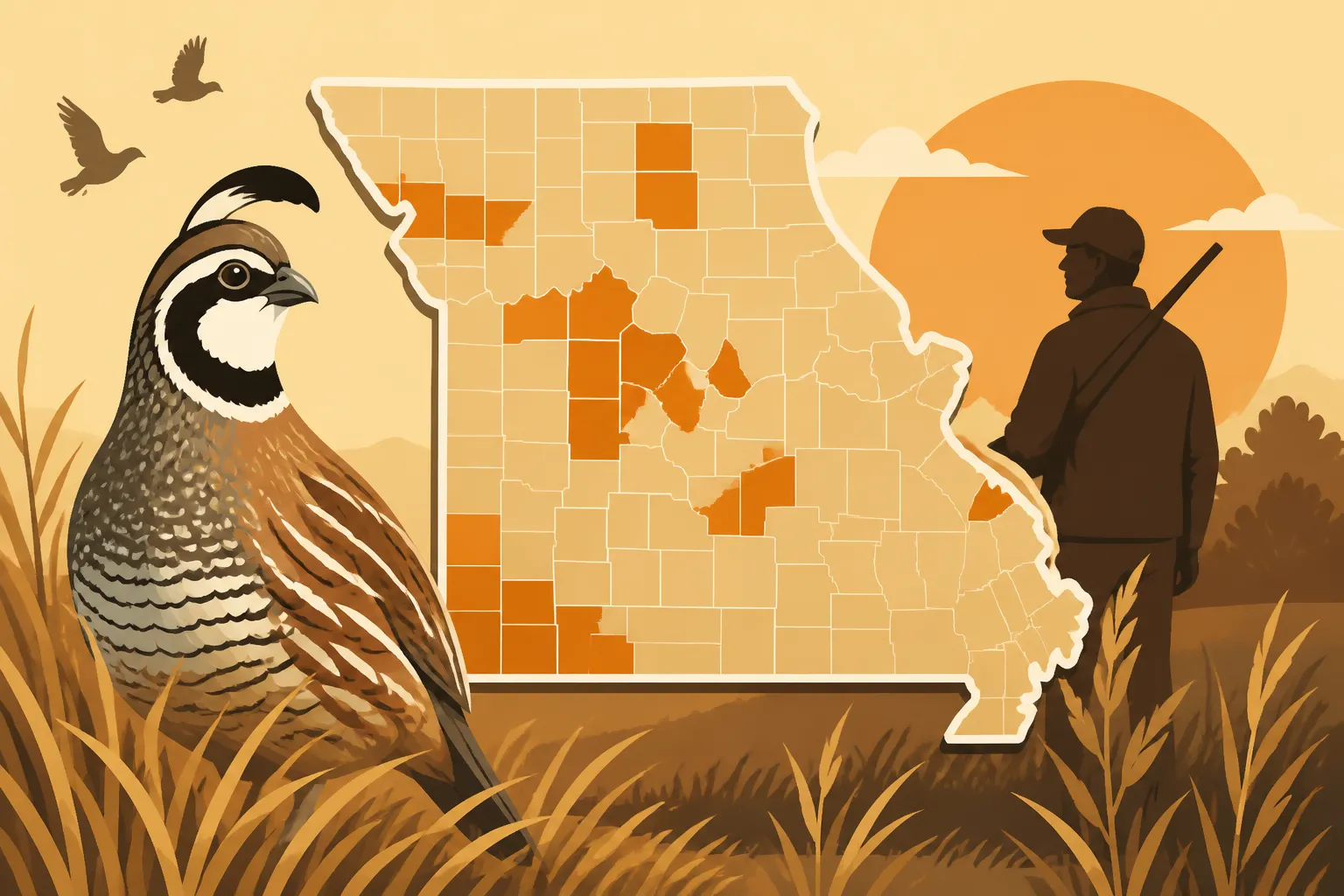
In the intensely farmed regions of North Missouri, the quail that remain are often found along the edges of agricultural fields. Think of counties like Atchison, Holt, Nodaway, and parts of Andrew and DeKalb. Here, the vital "edge habitat" comes into play. These are the fencerows that haven't been ripped out, the overgrown ditches, the odd corners of fields that are too wet or too steep to farm, and the timbered draws that cut through vast expanses of corn and soybeans. These linear strips of cover, often dominated by brush, multiflora rose, and scattered trees, provide critical travel corridors, nesting sites, and escape cover for quail that feed in the adjacent crop fields.
The frustrating part is that these strips can be narrow and linear, making birds harder to pin down. But with careful scouting, often using mapping tools like GoHunt to identify property lines and subtle habitat changes, you can find these overlooked areas. Hunters often find success by walking these linear cover strips slowly, allowing their dogs to work thoroughly. It's not uncommon to flush a covey from a dense briar patch just yards from a harvested soybean field, proving that even small remnants of diverse habitat can hold birds. Hunting a Missouri Fencerow Between Fields can provide valuable insights for these exact scenarios.
CRP and Grassland Pockets: Sanctuary in the Prairie Landscape
Moving east across North Missouri, particularly into counties like Worth, Harrison, Mercer, and Gentry, you start to encounter more Conservation Reserve Program (CRP) ground and native grassland initiatives. While vast prairies are largely a thing of the past, these restored grasslands offer some of the most consistent quail habitat in the region. CRP fields, often planted with native warm-season grasses and wildflowers, provide excellent nesting and brood-rearing cover, especially when interspersed with smaller tracts of brush or timber.
The challenge here is that large, unbroken blocks of NWSG can be difficult to hunt, as coveys might run or flush wild. The sweet spots are often where these grasslands meet other cover types – a timber edge, a brushy draw, or even an old farmstead. Landowners participating in programs like the USDA's Environmental Quality Incentives Program (EQIP) or the Conservation Reserve Enhancement Program (CREP) often manage these lands with quail specifically in mind, creating diverse patches of cover. Scouting these areas on public ground, or gaining permission on private land, can be incredibly rewarding. The sheer scale of some of these grassland blocks, especially on Missouri Conservation Areas, can offer a more traditional, expansive quail hunting experience, though still requiring diligent scouting and a good dog. Finding Coveys on a Restoration Landscape is an excellent resource for this type of terrain.
Southwest Missouri's Pockets of Hope
While North Missouri boasts some strongholds, the southwest portion of the state, particularly the Ozark border region, offers a different, but equally valuable, type of quail habitat. Here, the landscape transitions from rolling farm country to more rugged, timbered hills, interspersed with unique glade and savannah ecosystems.
Glades and Savannahs: A Unique Quail Ecosystem
Counties like Polk, Greene, Lawrence, Dade, and even parts of Barton and Jasper in Southwest Missouri, are known for their distinctive glade and savannah habitats. Glades are naturally open, rocky areas dominated by grasses and wildflowers, often surrounded by sparse, open timber (savannah). These ecosystems, particularly when undergoing active restoration efforts by the Missouri Department of Conservation (MDC) or private landowners, can be prime quail territory. The open structure of the savannah provides ample sunlight for ground cover, while scattered oaks and hickories offer mast. The glades themselves, with their unique plant communities, attract a plethora of insects.
The key to finding quail in these areas is often tied to prescribed fire and timber stand improvement. Without these management tools, glades and savannahs can quickly become overgrown with woody vegetation, losing their open, grassy character that quail prefer. When you're scouting, look for evidence of recent burns or thinning. These areas create a mosaic of open grass, scattered brush, and diverse forbs that is perfectly suited for quail. Hunting these areas is different; you'll be navigating rocky terrain and more open woods, often following small drainages or the fringes where glades meet denser timber. It's a truly unique experience, and the birds here can be robust.
Field Edge Opportunities in the Ozark Foothills
Even as you move deeper into the Ozark foothills, in counties like Cedar, St. Clair, and Vernon, where timber is more prevalent, you'll still find pockets of good quail habitat along field edges. While not as extensive as the prairie regions, these areas present opportunities, especially on smaller, family farms that might not be under intense row-crop pressure. Here, you'll want to look for farms that have retained overgrown fencerows, small hayfields with native grass borders, or pastures that aren't grazed down to bare earth.
The challenges in these areas often involve dealing with more varied terrain, including steeper hills and rocky draws. However, the reward can be finding coveys that are less pressured due to the more sporadic nature of the habitat. These birds often use the dense cover along stream corridors, logging roads, or the edges of food plots. Utilize tools like GoHunt to identify property boundaries and public land access points that border these agricultural fragments. Even a small, unkempt field with a thick fencerow can hold a covey, especially if it connects to a timbered draw that provides additional security. It's about finding those hidden gems that might not jump out on a large-scale map.
Conservation Efforts and Future Prospects
While the decline of quail is undeniable, it's crucial to recognize the significant efforts being made to reverse this trend. Many individuals and organizations are working tirelessly to restore habitat, and understanding these initiatives can guide you to areas with higher quail potential.
MDC Programs and Initiatives: A Lifeline for Quail
The Missouri Department of Conservation (MDC) has long recognized the plight of the bobwhite and has numerous programs aimed at habitat restoration. Initiatives like the "Quail Forever" partnership, the Landowner Assistance Programs, and the management of specific Conservation Areas are directly benefiting quail. For instance, MDC actively manages properties across the state, using prescribed fire, timber stand improvement, and native grass plantings to create ideal quail habitat. Areas like Wah'Kon-Tah Prairie Conservation Area in St. Clair and Vernon counties, or Taberville Prairie Conservation Area in St. Clair County, are prime examples of large-scale efforts where you might find success. These areas are specifically managed to restore native grasslands and savannahs, which directly benefits quail, as well as other grassland birds and pollinators.
MDC also provides technical advice and financial incentives to private landowners who wish to improve quail habitat on their property. This means that a good percentage of the quail population that does exist is often found on lands that are actively managed. Keeping up with MDC’s efforts, either through their website, local offices, or by consulting the Missouri Conservation Atlas, can help you identify areas where quail management is a priority, thereby increasing your chances of finding birds. These programs are vital not just for today's hunting but for the long-term survival of the species in our state.
Landowner Partnerships and Private Land Focus
While public lands managed for quail are fantastic resources, a significant portion of remaining quail habitat is on private land. Many farmers and ranchers, often through the incentive of government programs or simply a passion for wildlife, are making conscious efforts to manage their properties for quail. This might involve converting fescue pastures to native grasses, creating brushy edge feathering along timber lines, planting wildlife food plots, or participating in cost-share programs for habitat improvements.
Building relationships with private landowners is perhaps one of the most effective ways to find consistent quail hunting. Many landowners are receptive to hunters who are respectful, responsible, and perhaps even willing to lend a hand with habitat projects. Understanding that the best quail hunting often occurs on these managed private lands highlights the importance of the Getting Private Land Permission in Missouri process. It requires more than just showing up and asking; it often means building trust and demonstrating a shared value for conservation. When considering where quail hold on, never underestimate the power of dedicated private land management.
How to Scout and Find Birds in Key Counties
Once you've identified some promising counties, the real work of scouting begins. Quail are elusive, and finding them requires a keen eye, good boots, and often, a furry, four-legged friend.
Reading the Landscape for Quail Sign
Effective quail scouting is all about looking for that critical habitat mosaic. Don't just drive by; get out and walk. Look for the transition zones: where crop fields meet brush, where native grasses abut a timber edge, or where a dense fencerow cuts through a pasture. Pay attention to the types of plants you see – an abundance of ragweed, sumac, or multiflora rose is a good indicator. Look for dusting bowls, small depressions where quail dust themselves to remove parasites. These are often found near good cover. Droppings, while small, can also indicate activity.
Modern mapping tools, like the Missouri Conservation Atlas or even satellite imagery on apps like GoHunt, can be incredibly valuable for identifying these habitat features from home. You can often spot linear fencerows, distinct blocks of native grass, or brushy draws that might otherwise be overlooked. Pay close attention to subtle changes in vegetation types, topography that offers shelter, and the proximity of food and cover. During the late summer and early fall, listening for the distinctive "bob-white!" call can also help pinpoint covey locations, especially in the early mornings or late evenings. Remember, quail don't need huge areas, but they need the right kind of small areas. Scouting Missouri Public Land Before Season is invaluable, especially for upland birds.
The Indispensable Role of a Good Bird Dog
Let’s be clear: hunting quail without a good bird dog is like trying to catch a fish without a hook. While it's technically possible, it's inefficient and incredibly frustrating. A well-trained pointing dog is not just a companion; it's your most critical piece of equipment for finding quail that are often hidden in dense cover, holding tight. A good dog can cover far more ground than a human, scent out birds that you would walk right past, and instinctively pinpoint a covey’s location, allowing you to approach for the flush.
Working a dog systematically through cover is key. Focus on the edges, the thickets, and any areas where food and cover converge. Watch your dog's body language; a subtle change in gait, a heightened intensity in its nose, or a sudden change in direction can all indicate that birds are present. Training is paramount, both for the dog and the handler. A dog that honors points, retrieves reliably, and stays within gun range makes all the difference between a frustrating walk and an exhilarating hunt. For more on this, check out Walking Missouri Quail Cover With a Dog. The bond with your dog, and their ability to unlock these hidden coveys, truly elevates the quail hunting experience, especially in areas where birds are sparse.
Strategies for Success in Specific Quail Counties
Even within these "holding on" counties, success isn't guaranteed. It comes down to refining your approach, understanding the micro-habitats, and having realistic expectations.
Adjusting Tactics for Diverse Missouri Landscapes
The type of cover you're hunting will dictate your tactics. In the linear fencerows of North Missouri, a slower, methodical walk is best, allowing your dog to meticulously work the dense edges. Be ready for sudden flushes. In larger CRP fields, a wider, sweeping pattern from your dog might be more effective, but always be prepared to tighten up on the edges. When hunting glades and savannahs in Southwest Missouri, expect more open ground interspersed with dense patches. You might need to cover more ground between coveys, but when you find birds, they might hold incredibly tight to the brushy pockets within the glade.
Always factor in weather conditions. On warm, sunny days, birds might be more active and spread out. On cold, windy days, they'll likely be hunkered down in the densest cover available. Your approach should change accordingly. Consider the amount of pressure an area receives; heavily hunted public lands might require you to push deeper or hunt less conventional spots than others walk past.
Leveraging Technology and Local Knowledge
In today's hunting world, technology can be a game-changer for quail hunters. As mentioned, mapping apps are invaluable. GoHunt, for example, allows you to overlay satellite imagery with public land boundaries, property ownership, and even topographical maps, helping you identify those critical habitat transitions from your couch. You can mark potential covey locations, plan your walking routes, and identify escape cover before you ever step foot in the field.
However, don't forget the power of local knowledge. Talking to MDC wildlife biologists, local landowners (if you have permission), or even other experienced quail hunters can provide invaluable insights. They might know about a forgotten patch of habitat, a recent prescribed burn, or a specific field that has been consistently holding birds. Combine your high-tech scouting with old-fashioned legwork and local wisdom for the best chance at success.
Here's a quick reference for some counties and what makes them tick for quail:
| County Name | Primary Quail Habitat Type | Key Features to Look For | MDC Areas to Investigate |
|---|---|---|---|
| Atchison/Holt | Agrarian Edge, River Bottoms | Dense fencerows, overgrown ditches, timbered draws, plum thickets | Nodaway Valley CA, Bob Brown CA |
| Worth/Harrison | CRP/Grasslands, Farm Edges | Large blocks of NWSG, managed grasslands, brushy field borders | Harrison County CA, Wayne Helton CA |
| St. Clair/Vernon | Glades/Savannah, Prairie | Restored prairies, glades with prescribed burns, open timber | Wah'Kon-Tah Prairie CA, Taberville Prairie CA |
| Polk/Dade | Glades/Savannah, Farm Edges | Mixed timber & grasslands, field margins, stream corridors | Stockton Lake (Corps land), Little Sac Woods CA |
| Pettis/Saline | Agrarian Edge, River Bottoms | Overgrown fencerows, small woodlots, creek bottoms | Blind Pony CA, Grand Pass CA (check specific quail rules) |
This table provides a starting point, but remember, the habitat is often patchy, so detailed scouting remains paramount.
What the Future Holds for Missouri's Bobwhites
It's natural to wonder about the long-term prospects for quail in Missouri. While the challenges are immense, the collective efforts of conservation groups, the MDC, and dedicated landowners offer a glimmer of hope. Continued focus on habitat restoration, promoting diverse farming practices, and educating the public about the importance of grassland ecosystems are all critical components.
As hunters, our role extends beyond simply chasing birds. By supporting organizations that fund habitat work, advocating for sound conservation policies, and even engaging in habitat improvement on our own properties or those we have permission to hunt, we become part of the solution. The future of the bobwhite is intrinsically linked to our willingness to adapt, to conserve, and to continue the traditions that cherish these incredible game birds. We might not return to the "good old days," but by focusing our efforts and expectations, we can still experience the magic of a Missouri covey rise for generations to come.
Disclaimer
The information provided in this article is for general guidance and informational purposes only. Hunting regulations, seasons, and permit requirements in Missouri are subject to change. Always consult the latest Missouri Department of Conservation (MDC) regulations and guidelines before planning any hunting trip. It is the hunter's responsibility to know and follow all applicable laws.