What a Quail Restoration Landscape Is
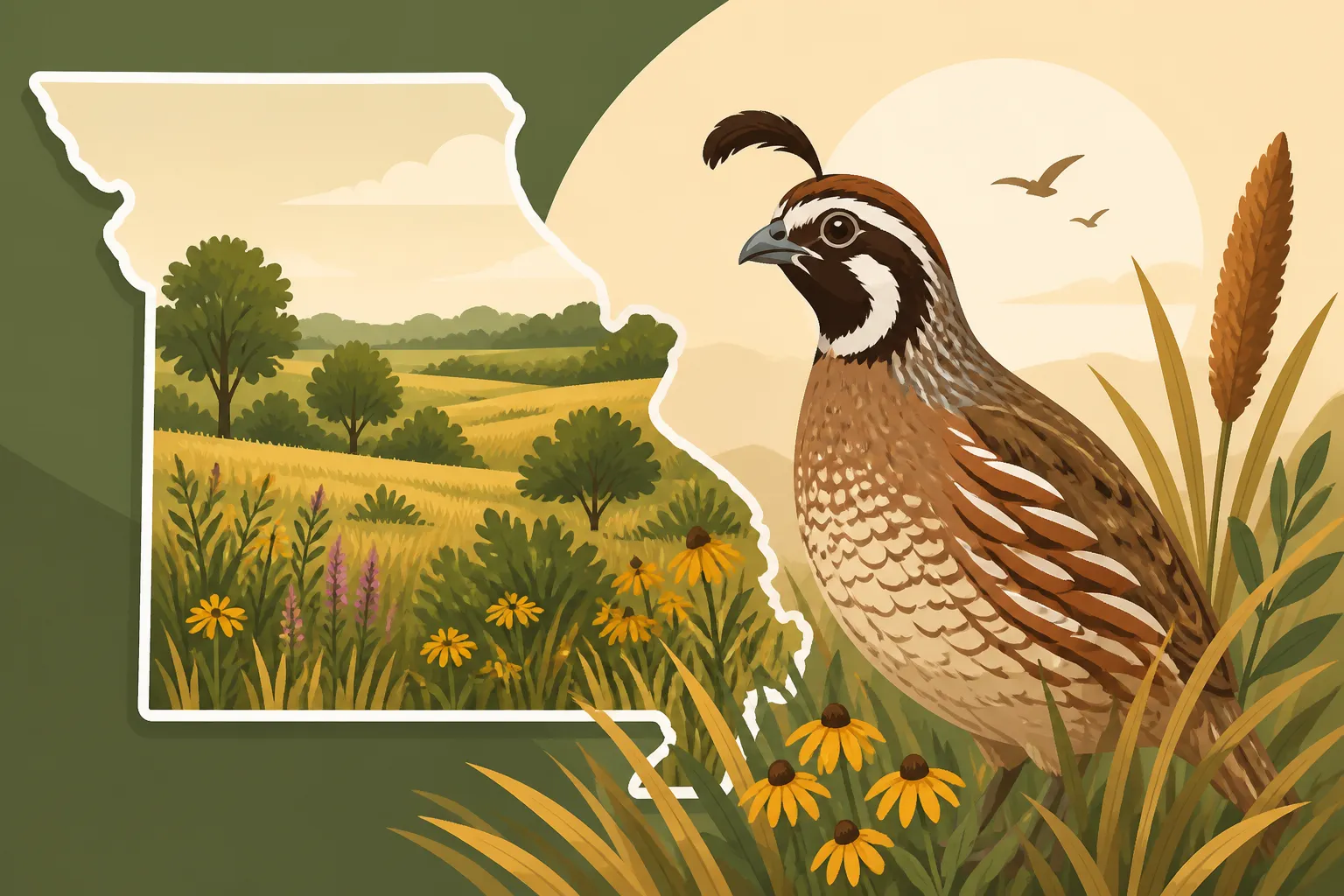
For so many of us who grew up hearing the distinct bob-white call drift across the fields, the quiet disappearance of quail has been a real heartache. It’s hard to watch a once-common game bird become so scarce, and it leaves many hunters wondering if those bustling coveys of yesteryear are just a nostalgic memory. This guide aims to shed light on exactly what a quail restoration landscape is and how these vital efforts are working to bring back Missouri's beloved bobwhite populations, giving us all hope for better days afield.
Understanding the Decline of Missouri Quail
It's no secret that the sight and sound of a wild covey of bobwhite quail have become increasingly rare across much of Missouri. What was once an almost ubiquitous presence on many farms and timber edges is now a prized, sometimes elusive, find. To truly appreciate the necessity and impact of quail restoration landscapes, we first need to understand what led to this heartbreaking decline. It wasn't one single thing, but a perfect storm of changes that stripped these birds of their vital lifeline: quality habitat.
Historical Abundance and Modern Challenges
Think back to your grandfather's stories, or even your own childhood memories of hunting in Missouri. There were quail, and often, there were lots of them. The landscapes of previous generations were mosaics of small farms, diverse crops, brushy fencerows, fallow fields, and timber patches. These conditions provided an incredible buffet of food, cover, and nesting sites that allowed quail to thrive. It wasn't always intentional management; it was simply the nature of the agricultural practices at the time.
Then came the shift towards industrialized agriculture. Fields grew larger, fence rows were cleared to make way for bigger machinery, and single-crop farming became the norm. The diverse edges that quail depended on for everything from nesting to escape cover simply vanished. What was once a patchwork quilt became a vast expanse of uniform habitat, leaving little room for a bird that needs variety to survive. The subtle nuances of the land that nurtured generations of quail were systematically erased, often with the best intentions of maximizing crop yields. This drastic alteration in land use is perhaps the most significant factor in the Missouri Bobwhite Population Trend we've observed.
The Habitat Crisis: Nesting, Brood, and Escape Cover
Quail are incredibly specific about their habitat needs, and they need all of them within a relatively small area. It's not enough to have just one piece of the puzzle; they need everything for their entire life cycle. Think of a bobwhite hen trying to raise a brood. She needs dense, grassy cover to nest safely, protected from predators. Once those chicks hatch, they're tiny, insect-eating machines, so they need areas with abundant insects and forbs, along with overhead cover that allows them to move freely at ground level, drying out from dew and finding thermal protection. This is often referred to as brood-rearing cover.
Later, as they mature, and especially in the colder months, they need robust escape cover—think dense plum thickets, brush piles, or tangled briar patches—that offers immediate refuge from hawks, coyotes, and other threats. When these critical components are missing or too far apart, it creates what's often called a "habitat bottleneck." Even if one type of cover is present, the absence of another just a few yards away can spell disaster for a covey. This profound Habitat Loss and Missouri Quail is at the heart of the decline. Without places to nest, feed, hide, and survive the winter, quail populations simply can't sustain themselves.
The Critical Role of Edge Habitat
Imagine walking along a field where soybeans meet a thick timber line. Now, picture that transition zone. Is it a sharp, abrupt line where the field ends and trees begin? Or is it a gradual, brushy transition with native grasses, wildflowers, and scattered small trees and shrubs? For quail, that gradual transition, known as edge habitat, is absolutely critical. These "soft edges" are where worlds collide and offer incredible diversity. They provide insects for chicks, seeds for adults, and thick cover for hiding and roosting.
In the old days, fencerows, hedgerows, and the irregular edges of smaller fields naturally created this vital edge habitat. Modern farming, with its massive fields and straight lines, has effectively sterilized these transitions. When a tractor can cultivate right up to the timber's edge, that critical buffer zone for quail disappears. Without these nuanced, diverse edges, quail struggle to find adequate food sources that are safely close to cover, making them far more vulnerable to predation and the elements. This loss means coveys have to travel farther, exposing them to more danger, which directly impacts their survival rates and makes it increasingly difficult for them to establish stable populations.
The Core Principles of a Quail Restoration Landscape
So, if we know what caused the problem, what's the solution? Enter the "quail restoration landscape." These aren't just buzzwords; they represent a science-backed, intentional approach to rebuilding the mosaic of habitats that quail desperately need. It's about reversing the trends of habitat destruction and actively cultivating the specific conditions that allow bobwhites to thrive once more. It requires a deep understanding of their needs and a commitment to long-term land stewardship, often incorporating lessons learned from Why Missouri Quail Numbers Fell.
Reintroducing Early Successional Habitat
One of the cornerstones of any successful quail restoration effort is the reintroduction and management of early successional habitat. What exactly is that? Think of areas that aren't mature forest but aren't cultivated fields either. These are typically areas dominated by native grasses like big bluestem, little bluestem, switchgrass, and Indiangrass, interspersed with broadleaf plants (forbs) like partridge pea, ragweed, and lespedeza. These plants are absolutely vital for quail.
The structure of these native grasses provides excellent nesting cover, allowing hens to hide their nests effectively. The forbs attract insects, which are essential protein for growing quail chicks, and also produce seeds that adult quail rely on for food, especially in fall and winter. This type of habitat offers the ideal combination of food, cover, and open ground space underneath for chicks to move around freely, which is crucial for their survival during the vulnerable brood-rearing phase. Simply planting a monoculture of non-native fescue, for example, won't cut it, as fescue creates a dense mat that chokes out beneficial forbs and is too thick for small chicks to navigate. Managers might use tools like brush hogs, disking, or specific herbicide applications to set back succession and promote these valuable plant communities.
Prescribed Fire as a Management Tool
Fire might seem counterintuitive to habitat creation, but for many native ecosystems, including those that support bobwhite quail, prescribed fire is a powerful and essential management tool. For centuries, natural wildfires and intentional burning by indigenous peoples shaped the landscape, preventing timber encroachment and promoting diverse plant growth. Modern prescribed burning mimics these natural processes, working to rejuvenate habitat and create the conditions quail prefer.
When a controlled burn is conducted in grasslands or open timber, it removes accumulated thatch and litter, which can be too dense for quail. This removal allows sunlight to reach the soil, stimulating the growth of native grasses and forbs that quail depend on for food and cover. Fire also helps control invasive species and prevents woody vegetation, like cedars or aggressive brush, from taking over open areas that should be maintained as early successional habitat. The patchwork effect of different burn rotations also creates diverse age classes of vegetation, ensuring a continuous supply of various habitat types that quail utilize throughout the year. It's a critical component in maintaining the vitality and productivity of these landscapes, giving the land a periodic "reset" that mimics natural cycles.
Edge Feathering and Field Border Management
We talked about the importance of edge habitat, and edge feathering is a direct, intentional method to create and enhance it. This technique involves selectively cutting or disturbing trees and shrubs along the edges of fields, often "feathering" them out into the field rather than creating an abrupt line. The purpose is to create a soft, gradual transition zone of varied vegetation structure, ranging from bare ground to dense brush.
The downed trees and brush provide immediate cover and create openings for sunlight to spur new growth of weeds and forbs—perfect for quail. This creates a dense, tangled area that offers excellent escape cover, winter roosting sites, and an abundance of insects and seeds. In addition to edge feathering, managing field borders involves planting or allowing native grasses and wildflowers to grow in strips along agricultural fields. These uncultivated strips provide food, nesting cover, and safe travel corridors for quail, connecting different habitat patches that might otherwise be isolated. These managed borders are often more than just a few feet wide, sometimes extending to 30 or 50 feet, making them substantial buffers against intensive agriculture. These thoughtful strategies are crucial for establishing thriving quail populations and improving Working Field Edges and Draws for Quail.
Cover for All Seasons
A truly effective quail restoration landscape doesn't just provide habitat for one season; it offers comprehensive cover for the entire year. Quail face different challenges depending on the time of year, and their survival hinges on having the right type of cover available when they need it most.
- Nesting Cover (Spring/Early Summer): Dense clumps of native warm-season grasses are critical for concealing nests from predators and the elements.
- Brood-Rearing Cover (Summer): Areas with an abundance of insects (often found in diverse forbs and legumes) and open space at ground level for chicks to move, along with overhead protection.
- Escape Cover (Year-Round): Thick, thorny brush patches, plum thickets, brush piles, or tangled briar patches offer immediate refuge from aerial and ground predators. These areas are vital for a covey to dive into when threatened.
- Winter Cover: Dense cover that provides thermal protection from cold winds and snow, preventing heat loss and allowing birds to conserve energy. This often overlaps with escape cover but needs to be robust enough to shield them from harsh weather.
A landscape that provides this full spectrum of seasonal needs, often within close proximity, is what allows quail populations to truly recover and thrive. Hunters looking to find success should seek out areas that exemplify these diverse habitat needs. Tools like the Missouri Conservation Atlas can be invaluable for identifying these multifaceted landscapes. For anyone using mapping software, remember that a tool like GoHunt can layer different habitat types, helping you visualize these critical components before you even set foot in the woods.
How Restoration Landscapes Benefit More Than Just Quail
While the primary goal of a quail restoration landscape is, predictably, to bring back the bobwhite, the beauty of these efforts lies in their broader ecological impact. When you focus on creating diverse, healthy habitat for one species, you inevitably create a ripple effect that benefits countless others. It's a testament to the interconnectedness of nature and a powerful argument for holistic land management.
A Haven for Other Small Game and Wildlife
The habitat elements essential for quail—native grasslands, diverse forbs, brushy edges, and open woodlands—are also incredibly beneficial for a wide array of other wildlife. Think about the cottontail rabbit, another small game species that relies on dense cover for protection and succulent plants for food. Rabbit Hunting Brush Piles or dense thickets is a prime example of hunting within these diverse habitats. When managers conduct Prescribed Burns on Missouri Conservation Areas to improve quail habitat, these same burns often create ideal conditions for rabbits by stimulating new growth and maintaining crucial cover.
Beyond small game, these landscapes become magnets for songbirds, pollinators, and other non-game species. Many grassland birds, whose populations have also been in decline, find refuge and nesting sites in these native grass and forb mixtures. Butterflies and native bees, crucial for the pollination of agricultural crops and wild plants, flourish in areas rich with wildflowers. It’s a cascading benefit: healthier habitat for quail means healthier habitat for the entire local ecosystem, leading to a more vibrant and diverse wildlife community overall.
Ecosystem Resilience and Health
The benefits extend far beyond individual species, reaching into the fundamental health and resilience of the ecosystem itself. When you replace monoculture fields with native grasses and diverse plant communities, you improve soil health dramatically. The deep root systems of native grasses help prevent erosion, increase water infiltration, and sequester carbon. This means less runoff, cleaner streams, and more stable soil, which is a win for everyone.
Furthermore, a diverse plant community is more resilient to drought, disease, and invasive species. It creates a more robust food web, supporting a wider range of insects, which in turn support more birds and other animals. These landscapes are essentially restoring the natural ecological processes that have been disrupted by intensive land use. They help bring balance back to the land, demonstrating that what's good for quail is often good for the entire environment, fostering a more self-sustaining and robust natural system.
Increased Opportunities for Hunters
Ultimately, for those of us who carry a shotgun and walk the fields, the most tangible benefit of these restoration landscapes is the potential for increased hunting opportunities and better experiences. More habitat means more birds, and more birds mean better odds of finding a covey. It's about bringing back that thrilling covey rise, the challenging shots, and the satisfying feeling of a well-earned bird.
These landscapes are often found on Missouri Conservation Areas Explained or other public lands, making them accessible to a wide range of hunters. As these areas mature and quail populations respond to the dedicated management, hunters will have more places to explore and more opportunities to engage in the time-honored tradition of walking Missouri quail country with a dog. It's not just about the numbers; it's about the quality of the experience—hunting in beautiful, biodiverse landscapes that feel alive with wildlife. Seeing the success of these efforts reminds us why we put in the miles and Brave the elements.
Finding and Utilizing Missouri's Quail Restoration Landscapes
Alright, so you're convinced. Quail restoration landscapes are crucial, and you're ready to explore them. But where do you start? How do you locate these special places, and what's the best way to approach them once you're there? Missouri has some incredible resources, and knowing how to tap into them is key to finding success.
Identifying Key Areas
The Missouri Department of Conservation (MDC) is a fantastic resource for identifying these areas. They actively manage many Missouri Conservation Areas with quail habitat in mind. Many conservation areas, particularly in north and west Missouri, are designated as "quail restoration landscapes" or have specific management plans focused on early successional habitat. They often highlight these efforts in their area brochures or online descriptions. Using the MDC website and resources like the Missouri Conservation Atlas is your first step. These tools allow you to search for areas by county or specific habitat types, helping you narrow down your options.
Additionally, some of these landscapes might be found on private lands enrolled in specific government programs like the Conservation Reserve Program (CRP) or other state-led initiatives. While access to private land requires permission, understanding these programs can help you identify areas with potential. Don't be afraid to utilize mapping software like GoHunt, which can show land ownership, topographical features, and even different habitat layers, helping you pinpoint promising sections of public land or identify potential areas to seek permission on private ground. Learning about Where Missouri's Restoration Landscapes Are can be a game-changer for your hunting plans.
Scouting for Success
Once you've identified a potential quail restoration landscape, the real work (and fun!) begins with scouting. This isn't just about driving around; it's about understanding the specific habitat components and how quail utilize them. Look for the key elements we discussed: dense patches of native warm-season grasses for nesting, diverse forbs for brood-rearing, and thick brushy cover for escape. You're looking for that mosaic, that interspersion of different cover types.
Pay close attention to edges—the transition zones between different habitats. Are they soft and brushy, or abrupt and barren? Look for signs of quail activity: dusting bowls, droppings, and if you're lucky, shed feathers. Listen for calls, especially early in the morning or late in the evening. GoHunt or similar GPS mapping apps are invaluable here. You can mark potential covey locations, food sources, and escape cover, building a detailed mental (and digital) map of the area. Remember, even in a restoration landscape, some spots will be better than others, and detailed scouting will help you find those honey holes. When you're Finding Coveys on a Restoration Landscape, understanding these subtle clues makes all the difference.
Adapting Hunting Tactics
Hunting a quail restoration landscape might require some slight adjustments to your typical approach. These areas are designed to provide robust cover, which means the birds often hold tight and can be challenging to flush. This is where a good bird dog truly shines, working through the thick stuff and pointing birds that you might otherwise walk right past. If you don't have a dog, be prepared to work slowly and thoroughly, covering every piece of suitable cover.
Focus on those transition zones and thicker edges. Quail will often be found where several habitat types come together. Consider the wind direction; approaching from downwind can help your dog scent birds more effectively. Be ready for fast-flushing birds—when a covey explodes from thick cover, it's an exhilarating moment that demands quick reflexes. While these areas are designed to be better for quail, they can still experience hunting pressure, so consider hunting during weekdays or exploring deeper into the landscape to find less disturbed coveys. Success in these environments often comes from patience, thoroughness, and an appreciation for the complex habitat you're moving through.
| Habitat Component | Description | Quail Benefit |
|---|---|---|
| Native Grasses | Big bluestem, little bluestem, Indiangrass, switchgrass. | Excellent nesting cover, escape cover, winter thermal protection, open ground for chick movement. |
| Forbs (Wildflowers) | Partridge pea, ragweed, lespedeza, various native broadleaf plants. | Attracts insects for brood-rearing, produces seeds for food, provides vertical structure. |
| Brushy Thickets/Edges | Plum thickets, blackberry briars, young cedar clumps, saplings. | Critical escape cover from predators (raptors, coyotes), winter roosting sites, thermal protection. |
| Disked Strips/Food Plots | Strips of disturbed ground, sometimes planted with food-producing annuals. | Creates bare ground for dusting, promotes annual weed growth (seeds), offers foraging opportunities. |
| Open Timber/Savanna | Areas with scattered trees, a managed understory of grasses and forbs. | Provides mast (acorns), shade in summer, insects, and travel corridors, often enhanced by prescribed fire. |
| Water Source | Small ponds, seeps, dew on vegetation. | Essential for hydration, though quail can often get sufficient moisture from food and dew. |
Disclaimer
This article is for general informational purposes only and does not constitute professional advice. Laws, prices and regulations vary by location and change over time. Consult a qualified professional for guidance on your specific situation.