Where CWD Was First Found in Missouri
The news hit the Missouri hunting community like a gut punch, stirring up fears and frustrations that many of us had hoped would never become a reality. When Chronic Wasting Disease, or CWD, finally showed its ugly face in our beloved deer herd, it marked a somber turning point. This guide will take you back to the beginning, exploring exactly where and when CWD was first discovered in Missouri and what that initial detection meant for the future of deer hunting in our state.
The First Alarm: Pinpointing CWD's Arrival in Missouri
It's a moment etched in the memory of many Missouri deer hunters and wildlife managers: the first confirmed case of Chronic Wasting Disease within our borders. This wasn't some slow creep from a distant state; it was a definitive alarm bell that rang in a very specific place.
The Initial Discovery in Macon County
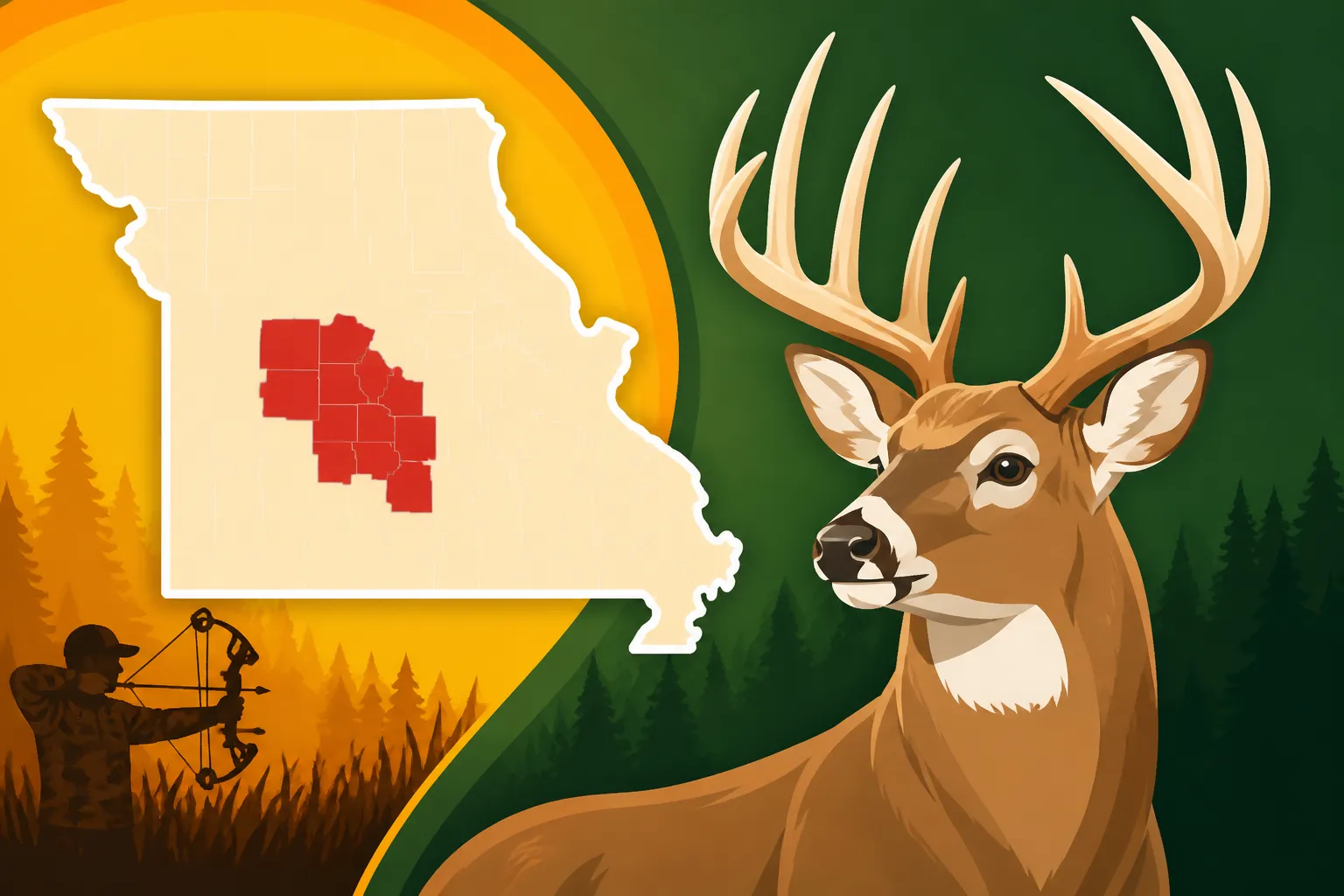
The year was 2010, and the location was a captive deer facility in Macon County, located in north-central Missouri. This wasn't a wild deer walking through the timber or a buck harvested on public land. It was within a fenced breeding operation, which immediately raised questions and concerns about the potential for wider spread. The discovery triggered an intense and immediate response from the Missouri Department of Conservation (MDC), as the implications for the state's healthy wild deer population were enormous. For years, Missouri had worked hard to keep CWD out, watching nervously as neighboring states dealt with the disease. This first case, while contained to a captive facility, was a stark reminder of the disease's proximity and the constant threat it posed.
Tracing the Origins and Early Response
Following the initial positive test in the captive facility, intensive investigations began to understand how CWD had arrived. While the exact path of entry into that specific facility remains complex, the focus quickly shifted to ensuring the disease hadn't already jumped into the wild deer population surrounding the site. This meant ramping up surveillance, particularly in Macon and surrounding counties. Hunters in those areas soon became familiar with increased requests for samples, check stations, and a heightened sense of vigilance from conservation agents. It was a stressful time for everyone involved, from the deer farmers whose livelihoods were impacted to the hunters who worried about the long-term health of the deer they cherished. Understanding this initial point of detection is crucial because it informed the early strategies for how the state approached CWD management.
Understanding CWD: What It Is and Why It Matters
When CWD first hit Missouri, many hunters had only a vague understanding of what it actually was. It’s not just "sick deer"; it's a very specific, always-fatal neurological disease that affects deer, elk, and moose.
The Science Behind the Sickness
Chronic Wasting Disease belongs to a family of diseases called Transmissible Spongiform Encephalopathies (TSEs), which also includes mad cow disease in cattle and Creutzfeldt-Jakob disease in humans. CWD is caused by abnormal proteins called prions. These prions are incredibly resistant to degradation and can persist in the environment for years, even decades. When an animal becomes infected, these misfolded prions accumulate in the brain and spinal cord, causing neurological damage. Over time, the affected animal develops a range of symptoms that are ultimately fatal. It's a slow, progressive disease, and there's no known cure or vaccine. This unique nature of prions—their resilience and their ability to jump between animals—is what makes CWD such a persistent and challenging problem to manage.
Identifying the Symptoms in the Field
Catching CWD in the early stages in wild deer is incredibly difficult, as symptoms often don't become apparent until the disease is quite advanced. However, as the disease progresses, infected deer exhibit a range of noticeable signs. These can include significant weight loss, giving the animal a "wasted" appearance – hence the name. They might also show neurological symptoms like stumbling, tremors, and a lack of coordination. Behavioral changes are common, such as listlessness, excessive drooling, difficulty swallowing, and an altered gait. You might also notice a lowered head, drooping ears, and an overall blank expression. Often, these deer will appear extremely tame or unaware of human presence. It’s important to remember that many of these symptoms can also be indicators of other diseases or injuries, but if you see a deer displaying multiple of these signs, especially during hunting season, it’s always best to report it to the Missouri Department of Conservation for further investigation.
The Ripple Effect: Early Management and Hunter Response
The discovery of CWD in Macon County, even within a captive facility, immediately set off a chain reaction across Missouri. The state's wildlife agencies had to act fast, and hunters found themselves on the front lines of a new kind of conservation effort.
Initial Containment Efforts and Surveillance Zones
After the initial detection, MDC rapidly implemented a series of aggressive measures aimed at containing the spread of CWD and monitoring the wild deer population. This included establishing CWD Management Zones, particularly around Macon County, where enhanced surveillance and testing efforts were concentrated. Mandatory sampling was often required for harvested deer in these zones, particularly during the firearms portion of the season. Hunters in these areas were asked to bring their deer to designated check stations or drop-off points so samples could be collected for testing. This was a big adjustment for many hunters, who were used to simply Telechecking their deer from home. The focus was on early detection, hoping to pinpoint any additional cases quickly and prevent widespread establishment of the disease. These early efforts were critical, laying the groundwork for how the state would continue to manage this complex issue in the years to come.
Hunter Concerns and Adapting to New Realities
For the everyday hunter, the arrival of CWD brought a host of new questions and anxieties. Would the deer herd shrink? Would hunting opportunities be affected? Was the venison still safe to eat? These were, and still are, very real and valid concerns. MDC worked hard to provide information, holding public meetings and distributing educational materials. Hunters were asked to take on new responsibilities, such as proper carcass disposal to prevent potential spread and understanding the importance of submitting their deer for CWD sampling, especially in targeted areas.
It really made us think differently about our approach to deer hunting. It wasn't just about bagging a buck anymore; it was also about being a steward of the herd and helping track this disease. Many hunters began using resources like GoHunt to stay informed about CWD hot spots, understand local regulations, and locate check stations or sampling sites. The hunting landscape had undeniably changed, and adaptation became key for ethical and responsible hunters.
Here's a look at some key moments in the early CWD timeline in Missouri:
| Year | Event | Location | Significance |
|---|---|---|---|
| 2010 | First CWD detection in captive facility | Macon County | Confirmed CWD presence in Missouri, triggering intense response. |
| 2011 | First confirmed wild deer CWD case | Macon County | Confirmed jump of CWD into Missouri's wild deer population. |
| 2012 | CWD Management Zones established | Several counties | Formalized surveillance and carcass regulations began. |
| 2013 | Increased mandatory sampling efforts | Management Zones | Expanded efforts to monitor prevalence and geographical spread. |
Moving Forward: Living with CWD in Missouri
The initial shock of CWD's discovery has evolved into a long-term strategy for living with and managing the disease. It's an ongoing battle, and hunters continue to play an absolutely vital role.
Ongoing Surveillance and Hunter Participation
Today, CWD surveillance is a continuous effort across Missouri, though the intensity of testing varies by county based on the presence and prevalence of the disease. The Missouri Department of Conservation relies heavily on hunters to submit samples, particularly during specific hunting portions like the Missouri Firearms Deer Portion Dates or Missouri Alternative Methods Portion Dates. Many counties have voluntary testing, while others, especially those with confirmed CWD cases, may have mandatory sampling requirements or carcass movement restrictions. These rules can change, so it's always critical to check the latest regulations for the specific county you'll be hunting. Tools like the Missouri Conservation Atlas or even platforms like GoHunt can be invaluable for staying up-to-date on CWD information for various areas. The more data gathered, the better equipped wildlife managers are to understand Chronic Wasting Disease in Missouri Deer and make informed decisions.
What Hunters Can Do Today
As hunters, we are the first line of defense and critical partners in managing CWD. Beyond submitting samples, there are several actions you can take:
- Stay Informed: Regularly check the MDC website for the latest CWD regulations, especially before and during hunting season. Learn about Missouri's CWD Rule Changes for 2026 or any other year, as rules can evolve.
- Submit Samples: If hunting in a CWD-affected county or if voluntary testing is available, take the time to submit your deer for CWD Sampling and Testing for Hunters. It’s easy, and it provides invaluable data. You can find out Where to Get a Missouri Deer CWD Tested through MDC resources.
- Proper Carcass Disposal: If you harvest a deer in a CWD-affected area, be mindful of Carcass Transport Rules Out of Missouri and within the state. Dispose of deer carcasses, especially brain and spinal cord material, in approved landfills or by burying them deeply on the property where the deer was harvested. Avoid dumping carcasses in natural areas.
- Report Sick Deer: If you observe a deer exhibiting CWD-like symptoms, immediately contact your local conservation agent or the MDC. This is a crucial part of Missouri Wildlife Disease Monitoring.
- Support Management Efforts: Understand and support the regulations put in place by the MDC, even if they sometimes feel inconvenient. These measures are designed to protect the health of our deer herd for generations to come.
The fight against CWD is a marathon, not a sprint. By remembering where we started, understanding the disease, and actively participating in management efforts, we can all contribute to the health and future of Missouri's incredible deer population. Staying educated, perhaps by referencing articles like Missouri Deer Population Estimate for overall herd health context, helps us all be better conservationists.
Disclaimer
This article is for general informational purposes only and does not constitute professional advice. Laws, prices and regulations vary by location and change over time. Consult a qualified professional for guidance on your specific situation.