How Many Missouri Counties Have CWD
It's completely understandable to feel a knot in your stomach when you hear about Chronic Wasting Disease, or CWD, especially if you spend a lot of time in Missouri's deer woods. This isn't just another buzzword; it's a real and evolving concern that directly impacts our deer herd and, by extension, our hunting traditions. This guide aims to demystify CWD's presence in Missouri, explaining how the disease is tracked and what its spread means for hunters across the state, without getting bogged down in ever-changing numbers.
Understanding Chronic Wasting Disease in Missouri
Chronic Wasting Disease is a nasty neurological disease that affects deer, elk, and moose, and it’s always fatal. It's caused by abnormal proteins called prions, which slowly damage the brain and nervous system of infected animals. For hunters, the thought of CWD spreading through Missouri’s prized deer herd is a major worry, and rightly so. It's a disease that doesn't just impact a single animal; it has the potential to alter the very landscape of deer hunting as we know it, making understanding its nature absolutely crucial for anyone who loves spending time in the Show-Me State's outdoors.
The Silent Threat to Missouri's Deer Herd
Imagine a disease that can take years to show outward symptoms, all while an infected animal is potentially spreading it to others. That’s the silent, insidious nature of CWD. A deer can carry the prions for a long time, looking completely healthy on the outside, which makes detection incredibly challenging. By the time an animal starts to show signs like extreme weight loss, stumbling, excessive drooling, or a lack of fear of humans, it's often in the late stages of the disease, and it's been infectious for quite some time. This long incubation period is why CWD is such a persistent and difficult threat to manage, as it can gain a foothold in an area before anyone is even aware it's present.
The implications for Missouri's deer herd are profound. A widespread CWD infection could lead to population declines, particularly in areas where deer densities are high, and could compromise the overall health and vigor of the herd. It's a somber thought for anyone who's watched a big buck work a scrape line or spotted a healthy doe and her fawns browsing in a field. The long-term health of our wildlife resources truly depends on us understanding and responding to this challenge, and that starts with knowing what we're up against and why the state takes it so seriously.
How CWD Spreads Through the Landscape
The way CWD spreads is another reason for concern. It's not a virus or bacteria that can be killed with antibiotics; prions are incredibly resilient. They can be shed by infected animals through saliva, urine, and feces, contaminating the environment. Other deer can then pick up these prions by direct contact with an infected animal or indirectly by grazing on contaminated soil or vegetation. Think about all the deer that gather at a food plot, a mineral lick, or even a communal water source – each of these locations could potentially become a hotbed for CWD transmission if an infected animal is present.
Even after an infected deer dies, the prions can persist in the soil for years, making it a long-term environmental contaminant. This means that even if all infected deer were somehow removed from an area, the ground itself could remain a source of infection for new deer moving into the territory. This environmental persistence makes CWD incredibly difficult to eradicate once it's established in a wild population. It’s why initiatives like those focusing on Chronic Wasting Disease in Missouri Deer are so critical, as they delve into the biology and ecology of this persistent threat. This complex transmission pathway underscores why management strategies need to be comprehensive, involving not just animal removal but also careful carcass disposal and habitat considerations to reduce environmental contamination risks.
Tracking CWD: How Missouri Detects and Monitors
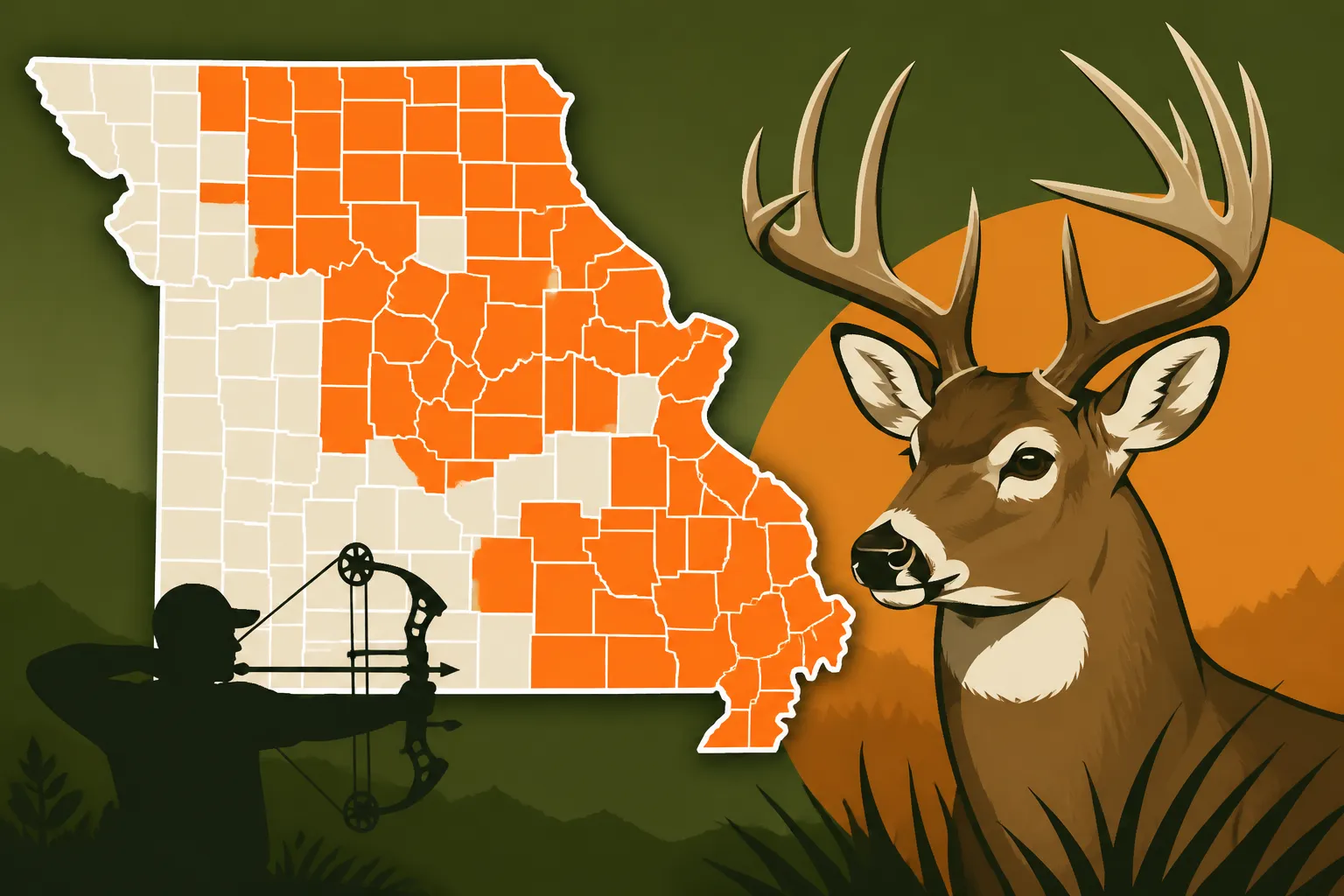
When it comes to understanding "How Many Missouri Counties Have CWD," it's not a simple static number you can look up and have it stay the same. It's a constantly evolving map, shaped by ongoing surveillance efforts. The Missouri Department of Conservation (MDC) has a robust system in place to monitor and track the disease, primarily relying on samples collected from harvested deer. This isn't just about finding sick deer; it's about actively looking for the disease, often in animals that appear perfectly healthy, to get ahead of its spread.
Surveillance Efforts and Mandatory Testing Zones
The core of Missouri's CWD tracking involves targeted surveillance, often in counties where the disease has already been detected or in surrounding areas deemed high-risk. This usually means establishing mandatory CWD sampling in specific counties during the opening weekend of the November firearms portion of deer season. Hunters harvesting deer in these designated counties are required to present their deer for sampling, typically at a participating check station or designated sampling location. It's an inconvenience, sure, but it's vital for getting the data needed to understand where the disease is present and at what prevalence.
These mandatory testing zones are critical because they provide a concentrated effort to collect a large number of samples, allowing wildlife biologists to get a statistically significant picture of CWD's presence in that region. If CWD is detected in a new county, that county often becomes part of the ongoing surveillance, and surrounding counties might also be included the following year. It’s a bit like playing a slow-motion game of 'connect the dots,' but with much higher stakes. If you're planning a hunt, it's always a good idea to check the MDC website or use a reliable mapping app like GoHunt to see if your hunting area falls within one of these mandatory testing zones, as the rules and locations can change each year.
The Role of Hunter Participation in CWD Monitoring
Honestly, Missouri's ability to track CWD effectively hinges almost entirely on hunters. Without hunter-harvested deer providing the samples, the MDC wouldn't have nearly enough data to understand the disease's distribution. It's a partnership, plain and simple. When you take your deer to a CWD sampling station, you're not just complying with a regulation; you're actively contributing to the health of the entire deer herd and the future of hunting in Missouri. I know it can add time to an already busy harvest day, especially if you're excited to get your deer field dressed and cooled, but it's a small price to pay for the intelligence it provides.
Beyond mandatory testing, voluntary sampling is also available in many counties, particularly outside the core mandatory zones. If you're concerned about a deer you harvested or just want to contribute to the data, you can often take your deer's head to a participating taxidermist or locker plant. These partners are invaluable in expanding the reach of the surveillance program. Learning about CWD Sampling and Testing for Hunters is a good first step for anyone wanting to be an active part of the solution. Every sample provides a piece of the puzzle, helping biologists map the disease and determine strategies to slow its spread, which in turn protects the hunting opportunities we all cherish.
The Shifting Map of CWD in Missouri
The story of CWD in Missouri isn't one of a fixed point but rather a journey of discovery and adaptation. The disease didn't just pop up everywhere at once. It started in a few isolated pockets and, despite best efforts, has shown a tendency to gradually expand its footprint. This makes the question of "how many counties" a dynamic one, reflecting the ongoing struggle to understand and contain the disease. While I can't give you a current, real-time count, I can tell you about the progression and the challenges that come with it.
From First Detection to Expanding Surveillance Areas
Missouri's first confirmed case of CWD was detected in 2010, found in captive deer in a private facility in Macon County. This was a jarring discovery, raising immediate alarms. The very first detection in a free-ranging wild deer came shortly after, also in Macon County. From there, the disease began to appear in other counties, often in areas relatively close to initial detections, but sometimes popping up in unexpected places. This pattern of initial localized outbreaks followed by a gradual expansion into new areas is common with CWD. You can find more details about Where CWD Was First Found in Missouri and its initial spread, which really illustrates the challenge the state has faced.
Each new county where CWD is detected triggers a new wave of intense surveillance and management efforts. This often involves expanding the boundaries of mandatory testing, increasing public outreach, and sometimes adjusting harvest regulations to help manage deer densities in affected zones. It's a constant effort to chase the spread, to understand its true extent, and to implement strategies that minimize its impact. This constant flux means that the "number of counties" is less important than understanding the trend and the response to the disease. It's a slow burn, not an explosion, but the cumulative effect over time is what concerns wildlife managers and hunters alike.
What it Means to Hunt in a CWD-Affected County
Hunting in a CWD-affected county brings with it a few extra considerations, but it certainly doesn't mean you have to stop hunting. First and foremost, you need to be aware of any mandatory sampling requirements. If you harvest a deer in one of these counties during a designated period, you'll need to get that deer sampled. Beyond that, there are often specific regulations regarding carcass transportation. For instance, you might not be allowed to transport certain parts of a deer carcass – like the brain, spinal cord, or lymph nodes – out of a CWD management zone or county, unless you've already had the animal processed and deboned. This is all about preventing the spread of those resilient prions to new areas.
Additionally, responsible carcass disposal becomes even more important. If you process your own deer, it's best to dispose of carcass waste on the property where the deer was harvested, if possible, or in a permitted landfill. This helps to prevent further environmental contamination. While it adds a layer of responsibility, these measures are vital for protecting the health of the broader deer herd. Always check the current regulations before you head out, and resources like GoHunt can often provide quick access to up-to-date information on county-specific rules and CWD zones, helping you prepare properly. It's all about being an informed and ethical hunter, playing your part in the long-term stewardship of our wildlife.
Hunting Responsibly in a CWD Landscape
When CWD is a concern, hunting responsibly means more than just ethical shot placement and following bag limits. It extends to how we handle our harvested animals and how we contribute to disease monitoring. It's about being a proactive participant in the health of the herd, rather than just a consumer of the resource. These practices are especially crucial in Missouri, where the disease is actively being managed and monitored.
Carcass Regulations and Transport Restrictions
One of the most immediate impacts of CWD on hunters in affected areas is the set of regulations around carcass transportation. The goal is simple: prevent CWD prions from being moved from an infected area to a clean one. This means that if you harvest a deer in a CWD-affected county, there will likely be restrictions on what parts of the deer you can transport out of that county. Generally, you can move boned-out meat, capes (without the skull or brain tissue), antlers (with brain tissue removed), and finished taxidermy products. However, whole carcasses, intact skulls, and spinal columns are often restricted.
The reason for these rules goes back to how CWD spreads. The prions are most concentrated in certain tissues, particularly the brain, spinal cord, and lymph nodes. By restricting the movement of these high-risk parts, the state aims to keep any potential prions contained. If you're deer hunting the Missouri Ozarks, for example, and happen to harvest a deer in a county known to have CWD, you'll want to be prepared to debone your deer or have it processed locally before heading home, especially if you live outside a CWD management zone. Knowing the specifics of Missouri Deer Transport Rules and Carcass Transport Rules Out of Missouri is essential for compliance and minimizing disease spread.
Here's a quick reference on what generally can and cannot be transported from CWD-affected areas, keeping in mind specific regulations can vary by year and location:
| Carcass Component | Generally Allowed for Transport | Generally Restricted for Transport | Reason for Restriction |
|---|---|---|---|
| Boned-out Meat | Yes | No | Low risk of prion presence |
| Hides/Capes | Yes (without skull/brain) | Yes (with skull/brain) | Skull/brain are high risk |
| Antlers | Yes (with brain tissue removed) | Yes (with brain tissue attached) | Brain tissue is high risk |
| Finished Taxidermy | Yes | No | No infectious material present |
| Whole Carcass | No | Yes | Contains high-risk tissues |
| Intact Skull | No | Yes | Brain tissue is high risk |
| Spinal Column | No | Yes | High risk of prion presence |
| Lymph Nodes | No | Yes | High risk of prion presence |
Always consult current MDC regulations for the most accurate and up-to-date information regarding CWD carcass transportation guidelines.
Minimizing Your Impact and Practicing Biosecurity
Beyond following carcass regulations, there are other ways you can actively help minimize the risk of CWD spread. One important practice is avoiding the use of mineral licks or feed attractants, especially in CWD-affected areas. These artificial congregation points can bring deer into close contact, increasing the likelihood of direct or indirect transmission. Deer naturally congregate at certain times, but creating additional, unnatural gathering spots can exacerbate the problem.
Another crucial step is proper disposal of carcass remains. If you process your own deer, returning all unused parts (bones, hide, entrails) to the property where the deer was harvested is often the best option, allowing natural decomposition on site. If that’s not feasible, properly bagging and disposing of remains in a permitted landfill is the next best alternative. Never just dump carcass waste in ditches or on public lands, as this can inadvertently spread prions to new areas and create potential infection sites. Regular cleaning and disinfection of your hunting tools, vehicle, and processing equipment can also help. While prions are tough, a good scrub and strong disinfectants (like a 10% bleach solution) can help reduce the risk of mechanical transfer. It's about taking personal responsibility, much like you would if you were practicing good hygiene at deer camp after Field Dressing and Cooling in Early-Season Heat. By taking these extra steps, you're not just protecting your own hunting grounds; you're helping to safeguard Missouri's entire deer herd for generations to come.
Disclaimer
This article is for general informational purposes only and does not constitute professional advice. Laws, prices and regulations vary by location and change over time. Consult a qualified professional for guidance on your specific situation.