Missouri CWD Prevalence Rates
One of the biggest worries rattling around the minds of Missouri deer hunters these days is Chronic Wasting Disease, or CWD. It’s a silent, persistent threat that can feel overwhelming, making you question the health of the herd you love to pursue and the safety of the venison you put on your table. This guide aims to clear up some of that confusion by diving deep into Missouri's CWD prevalence rates, what those numbers truly mean, and how they’re shaping hunting and conservation efforts in our beloved state.
Understanding CWD and Its Impact on Missouri's Deer Herd
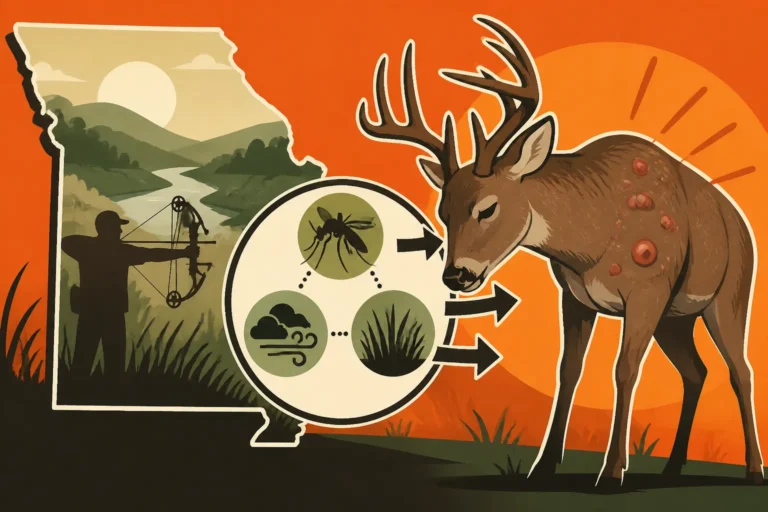
Let's get real for a moment: CWD is a scary thing to think about when you're passionate about deer hunting. It's not just another deer disease that comes and goes; it's a progressive, fatal neurological disease that affects cervids like white-tailed deer, mule deer, elk, and moose. What makes it particularly unsettling is that it’s caused by abnormal proteins called prions, which can persist in the environment for a very long time, making it incredibly difficult to eradicate once it takes hold.
The disease essentially causes the deer's brain to slowly degenerate, leading to symptoms like drastic weight loss, stumbling, listlessness, and behavioral changes, which are often why it's referred to as "zombie deer disease" by some, though that term can be a bit sensational. For us hunters, the concern isn't just about the deer themselves, but about the long-term health of our deer populations and, frankly, the safety of the meat we harvest. There’s a lot of information and misinformation floating around, and it's completely natural to feel a sense of unease or frustration about it all. The Missouri Department of Conservation (MDC) has been working diligently to monitor and manage this disease since its first detection, aiming to understand its spread and mitigate its impact. If you want to dive deeper into its origins, check out our post on How CWD Reached the Ozarks.
The impact of CWD isn't just biological; it's deeply felt within the hunting community. Hunters are often the first line of defense, observing changes in deer behavior and being critical partners in sampling efforts. But it also adds another layer of complexity to an already challenging pursuit. You might be scouting a prime piece of timber, only to wonder what the CWD situation is like in that particular county, or if the deer you're seeing could be silently carrying the disease. This kind of uncertainty can cast a shadow over an otherwise exciting hunt. The long-term health of our deer, and by extension, our hunting heritage, depends on us understanding and responding to this challenge collectively.
Current CWD Prevalence Rates Across Missouri
When we talk about CWD prevalence rates, we're talking about the percentage of deer sampled in a given area that test positive for the disease. It’s important to understand that these numbers aren't pulled out of thin air; they're the result of extensive sampling efforts, often involving thousands of deer heads collected during hunting seasons. The MDC relies heavily on hunter participation in voluntary and mandatory CWD sampling events to get a clear picture of where the disease is, and how concentrated it might be. This data is crucial for tracking the disease's spread and making informed management decisions.
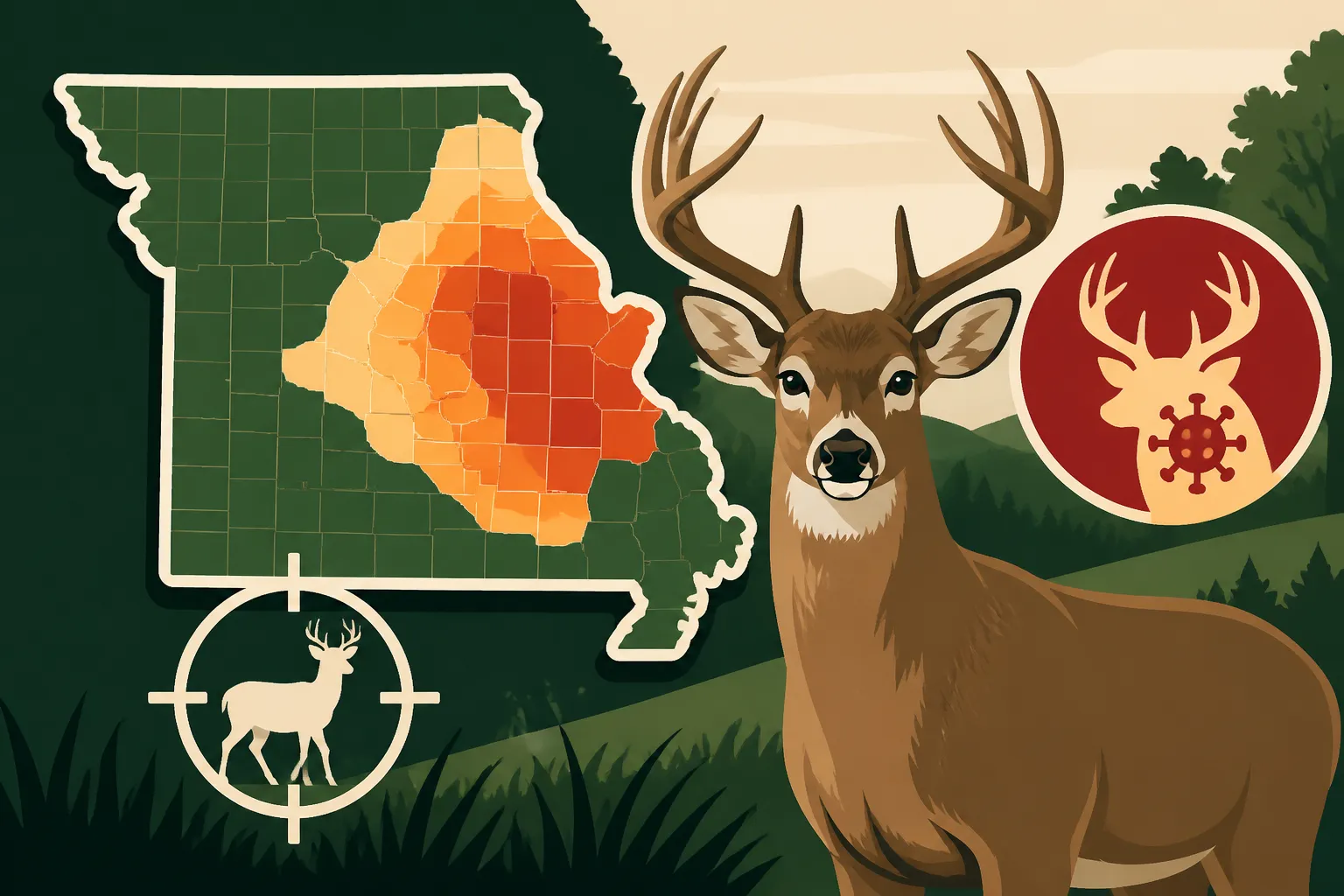
Historically, the highest prevalence rates in Missouri have been concentrated in specific areas, often referred to as "CWD Management Zones" (though the state's approach has evolved, as we discuss in Why Missouri Removed the CWD Zone). These initial detection areas, particularly in parts of northeastern and north-central Missouri, showed higher percentages of infected deer. For instance, in some localized hot spots, prevalence could be in the low single digits, or even creep higher in very specific populations. However, it's vital to remember that a 1% prevalence rate doesn't mean 1 out of every 100 deer you see is infected; it means 1 out of every 100 sampled deer tested positive. These are two different things, and it highlights the challenge of getting a true picture of an entire, free-ranging deer population.
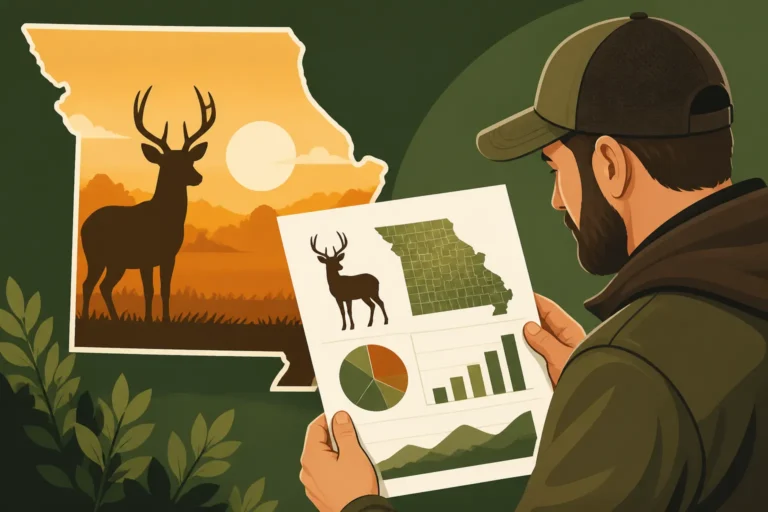
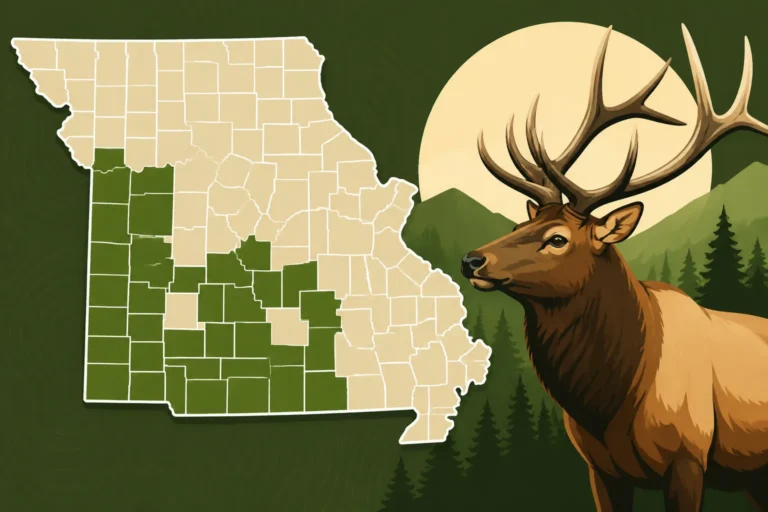
The disease has shown a tendency to spread, albeit slowly, from these initial areas into new counties. When CWD was first detected in Missouri, it created a shockwave, but the MDC's proactive sampling has helped define the scope. As more deer are tested across the state, new positive detections emerge, and the geographical map of CWD continues to shift. This is why tools that show CWD data overlaid on maps, like those offered by mapping services like GoHunt, can be incredibly valuable for hunters to visualize the situation in their specific hunting units. It helps to track How Many Missouri Counties Have CWD as the situation develops.
The prevalence rates aren't static; they can fluctuate from year to year and vary significantly even between adjacent counties or land types. For example, a county with intense local management and high hunter participation in testing might show a clearer picture of its prevalence than one with less sampling. The goal of continuous testing is to catch new outbreaks early and monitor existing ones to prevent widespread, high-prevalence scenarios that have plagued other states. It’s a dynamic situation that requires constant vigilance from both wildlife managers and the hunting community.
Here's a simplified look at how prevalence might differ across various regions based on historical sampling:
| Region/Area Type | CWD Status | Typical Prevalence (Approximate) | Hunter Impact Considerations |
|---|---|---|---|
| Initial Detection Zone | Established CWD | 1% – 5% (localized spikes higher) | High awareness, active testing, carcass restrictions. |
| Adjacent Counties | Emerging CWD / Low Density | < 1% | Increased monitoring, education, focus on early detection. |
| Ozark Wilderness Areas | Sparse / Emerging | < 0.5% (isolated detections) | Difficult sampling, potential for hidden spread in remote areas. |
| Northwest/Southeast MO | Generally Not Detected | 0% (but continued surveillance) | Still advised to practice safe carcass handling, remain vigilant. |
Note: These are generalized figures for illustrative purposes and actual rates can vary annually and by specific location. Always refer to the latest MDC data for the most current information.
Interpreting Prevalence Data for Hunters
Understanding CWD prevalence rates is one thing, but knowing what they actually mean for you, the hunter, is another. When you hear that a county has, say, a 1% prevalence rate, it's easy to jump to conclusions. Does it mean every hundredth deer has CWD? Not exactly. It means that, of the deer tested in that area, one out of a hundred on average came back positive. This still makes the chances of any individual deer you harvest having CWD relatively low, especially in areas with very low reported rates. However, it's a number that requires serious consideration, particularly regarding meat consumption.
The Centers for Disease Control and Prevention (CDC) and the World Health Organization (WHO) have, out of an abundance of caution, recommended that venison from CWD-positive animals not be consumed. While there's no direct evidence of CWD transmitting to humans, the scientific community continues to study the possibility, and prudence is key. This recommendation is a significant concern for many of us who rely on venison as a primary food source, and it's why participating in voluntary testing is so crucial. Even if you aren't hunting in a known CWD hotspot, the peace of mind that comes from a negative test result is invaluable. You can find detailed information on Where to Get a Missouri Deer CWD Tested and the process involved.
For those hunting in areas with known CWD presence, whether it's a higher prevalence zone or a county with an isolated detection, careful consideration of your harvest becomes paramount. Some hunters choose to avoid areas with any CWD detection, while others continue to hunt but commit to getting their harvested deer tested. It truly boils down to individual comfort levels and how you interpret the data. Using reliable resources, such as the Missouri Department of Conservation's CWD maps and reports, or detailed mapping platforms like GoHunt that integrate CWD information, can help you make these personal hunting decisions. You can also track the Missouri CWD Testing Results Timeline to understand how long it takes to get results back. This knowledge can help you decide how to handle your deer meat while awaiting test results.
Missouri's Management Strategies and Future Outlook
The Missouri Department of Conservation (MDC) takes CWD seriously, and its management strategies are directly informed by the prevalence data gathered from hunters. When CWD was first detected, the MDC quickly implemented CWD Management Zones, establishing specific rules for carcass transport and mandatory sampling days in certain counties. These actions were designed to slow the spread of the disease and gather critical data. Over time, as our understanding of CWD in Missouri evolved, so too have the strategies. For instance, the MDC has continually adjusted its approach, as seen with the decision to update the CWD Management Zone concept, shifting focus to more targeted, flexible responses based on the most current data.
A significant part of the MDC's strategy revolves around continued surveillance and hunter cooperation. Without hunters submitting samples, the MDC would be flying blind. Therefore, programs encouraging voluntary and sometimes mandatory CWD sampling are a cornerstone of their efforts. This includes specific weekends during the firearms season where deer harvested in certain counties must be submitted for testing. Furthermore, regulations like Carcass Transport Rules Out of Missouri are in place to prevent the physical movement of potentially infected carcass parts from spreading the disease further across the state or to neighboring states. These rules are sometimes frustrating for hunters, especially those who travel to hunt, but they are vital for disease control.
Looking ahead, the future of CWD management in Missouri will continue to rely on a blend of scientific research, adaptive management, and, crucially, hunter engagement. There's no magic bullet for CWD; it's a long-term challenge that requires ongoing effort. The MDC constantly evaluates new information, including research into potential treatments or vaccines, though these are still far off for wild populations. For hunters, this means staying informed, following regulations, and considering participation in sampling efforts, even if you’re not in a high-prevalence area. Resources like the MDC website are excellent, and for those who like to visualize their hunting grounds with an added layer of information, mapping apps such as GoHunt can be invaluable for cross-referencing CWD data with potential hunting spots, or for understanding regulations in specific areas like those under Missouri CWD Management Permit Acreage. By working together, we can all play a part in safeguarding Missouri’s incredible deer herd for generations to come.
Disclaimer
This article is for general informational purposes only and does not constitute professional advice. Laws, prices and regulations vary by location and change over time. Consult a qualified professional for guidance on your specific situation.