Why Missouri Removed the CWD Zone
It's easy to feel a bit lost when hunting regulations change, especially something as significant as the removal of Missouri's Chronic Wasting Disease (CWD) Management Zone. For years, hunters navigated specific rules in certain counties, and now, the landscape looks different. This guide is here to unravel the 'why' behind this important shift, what the CWD zone actually entailed, and what these changes mean for you as a hunter heading into the Missouri woods.
Understanding Chronic Wasting Disease in Missouri's Deer Herd
Chronic Wasting Disease, or CWD, is a neurological disease affecting deer, elk, and moose. It's caused by misfolded proteins called prions, and it's always fatal. When CWD first appeared in Missouri, it was a real wake-up call for hunters and wildlife managers alike. This wasn't just another deer illness; it was something that could fundamentally alter our deer herd for generations if not managed carefully. The thought of losing the healthy, vibrant deer population we cherish here in Missouri was (and still is) a serious concern.
For years, the Missouri Department of Conservation (MDC) has been on the front lines, trying to understand how CWD spreads, how prevalent it is, and what the best strategies are to contain it. We've all seen the efforts, from mandatory sampling weekends to informational campaigns, all aimed at protecting our wild cervids. Learning about Chronic Wasting Disease in Missouri Deer became a critical part of being a responsible hunter in the state. It's a disease that doesn't just impact deer; it impacts our hunting heritage and the health of the entire ecosystem.
How CWD Impacts Deer and Hunting
When a deer contracts CWD, it might not show symptoms for a long time—sometimes well over a year. But eventually, the disease progresses, leading to severe weight loss, abnormal behavior, drooling, and ultimately, death. This progressive nature makes it particularly insidious, as an infected deer can spread the prions in the environment (through saliva, urine, and feces) long before it looks sick. This means that CWD can persist in the soil and plants for years, making eradication extremely difficult.
For hunters, CWD brings a layer of ethical consideration. No one wants to harvest a sick animal, and the idea of consuming venison from a CWD-positive deer is unsettling, even though there's no strong scientific evidence of transmission to humans. This concern drove many of the early management strategies, including the creation of CWD Management Zones designed to intensely monitor and manage the disease where it was found. The core objective was to slow the spread and keep prevalence rates low across the state, especially considering How CWD Reached the Ozarks and other key regions.
Missouri's Proactive Approach to CWD Management
From the moment CWD was detected in Missouri, the MDC took a very proactive stance. This wasn't a "wait and see" situation. They immediately implemented a multi-faceted approach involving surveillance, research, regulation, and public education. Early on, this meant extensive testing, often making it mandatory for hunters to submit samples in areas where CWD was detected or suspected. The idea was to get a clear picture of where the disease was present and at what levels, allowing for targeted management efforts.
These efforts included restrictions on carcass transport to prevent hunters from inadvertently moving infected material into new areas. Hunters also had to adapt to specific rules if they harvested a deer in a CWD-positive county. While these measures could sometimes feel like an added burden, most hunters understood they were vital steps to protect the resource we all cherish. The collective effort across the state, even with varying degrees of success, laid the groundwork for how we understand and respond to CWD today.
The Former CWD Management Zone: What It Was and Why It Existed
For a significant period, Missouri operated with designated CWD Management Zones. These weren't arbitrary lines on a map; they were carefully delineated areas, typically at the county level, where CWD had been detected in wild deer populations. The purpose of these zones was straightforward: to intensify management efforts where the disease was known to exist and to prevent its spread to uninfected areas.
Life within a CWD Management Zone meant a different set of rules for hunters. It often included mandatory CWD sampling during certain periods, particularly during the opening weekend of the firearms season. This required hunters to take their harvested deer to designated check stations. There were also strict carcass transport regulations, often meaning you couldn't take a whole deer carcass out of a CWD Management Zone unless it had been processed to specific standards. These rules were designed to be targeted and impactful, ensuring that hunters were directly contributing to the surveillance and containment strategy.
Specific Regulations Within the Zones
When you hunted in a CWD Management Zone, you quickly became familiar with the extra steps. Mandatory sampling wasn't just a suggestion; it was a requirement. Hunters understood that if they harvested a deer, particularly during the firearms portion, they needed to bring it to a MDC sampling station for tissue collection. This data was crucial for the MDC to track Missouri CWD Prevalence Rates and identify hotspots.
Beyond sampling, the carcass transport rules were probably one of the most significant changes for hunters. If you lived outside the zone but hunted within it, you couldn't just throw your deer in the back of the truck and drive home. You had to either debone the meat, remove the skull plate with antlers attached, or get it processed by a taxidermist or meat processor within the zone. These regulations were designed to prevent the physical movement of potentially infected carcass parts, especially brain and spinal column tissue, which are known to harbor high concentrations of prions. It added a layer of planning to every hunt, a logistical puzzle for many.
Challenges of Zonal Management for Hunters
While the intent behind the CWD Management Zones was sound, implementing them presented real challenges for hunters. The primary issue was often the sheer inconvenience. Driving an hour to a mandatory sampling station, sometimes waiting in long lines, cut into valuable hunting time. For those traveling from outside a zone, the carcass transport rules could be a major headache. Imagine harvesting a beautiful buck on the last day of your hunt, only to realize you have to spend hours butchering it on site or find a processor before you can leave.
Another challenge was the evolving nature of the zones themselves. As CWD spread or new detections occurred, counties could be added or removed from the zones, creating a moving target for hunters trying to stay compliant. Staying on top of which counties were in or out, and what specific rules applied, required constant vigilance. Resources like the Missouri Conservation Atlas or detailed apps like GoHunt became indispensable tools for understanding these dynamic boundaries and regulations before heading afield. It was a lot to keep track of, and it definitely caused some frustration among the hunting community.
The Strategic Decision to Remove the CWD Zone
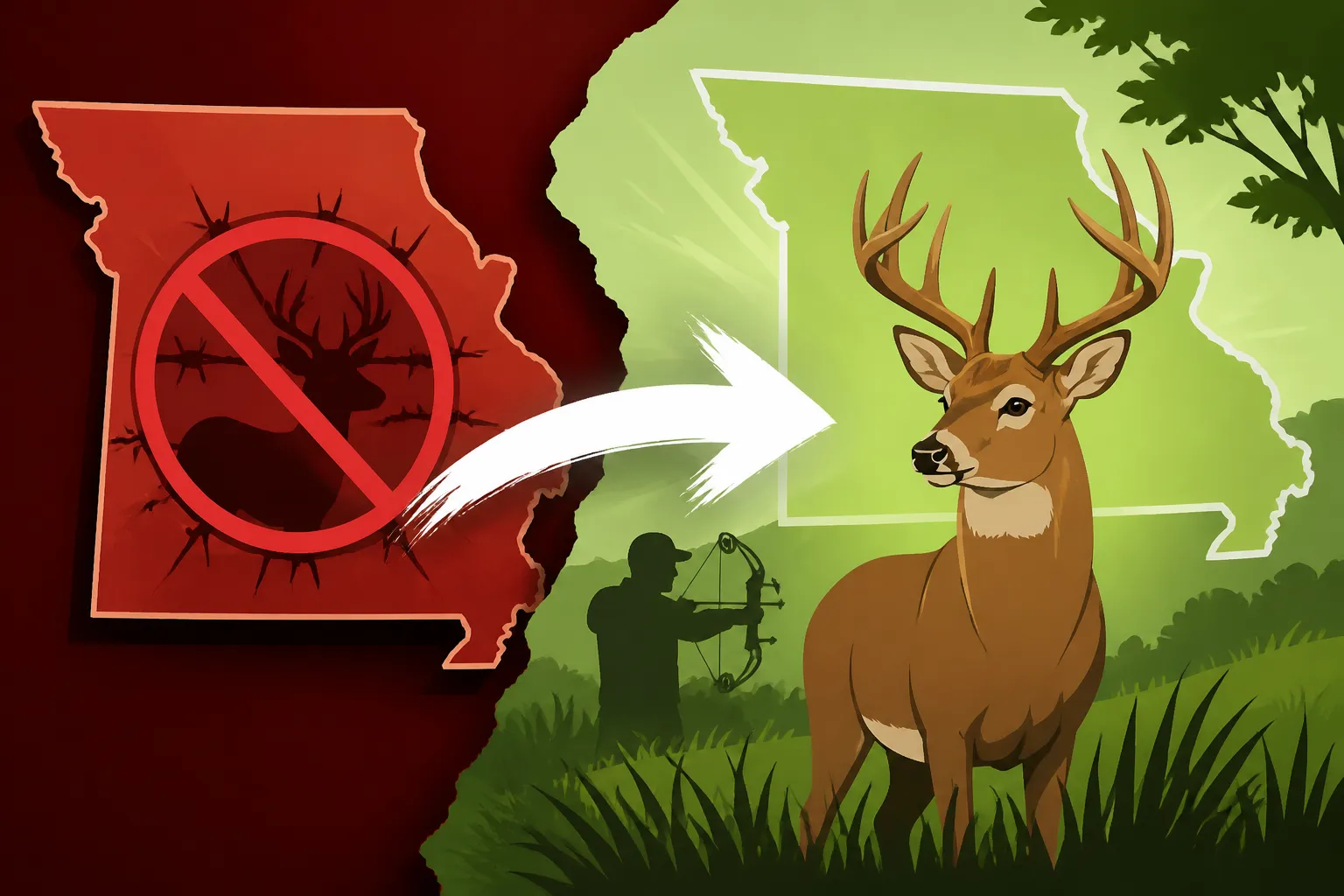
After years of managing CWD through a zonal approach, the Missouri Department of Conservation made the significant decision to remove the CWD Management Zone structure. This wasn't a sudden or arbitrary move; it was a carefully considered shift based on evolving scientific understanding, extensive data analysis, and a realistic assessment of the effectiveness and practicalities of the previous system.
One of the key drivers for this change was the realization that CWD was no longer confined to specific, easily isolated areas. While initial detections were localized, the disease had gradually spread to more counties across the state. This meant that the concept of a "zone" as a distinct boundary where CWD stopped became less and less accurate. The disease was behaving more like a widespread challenge rather than an isolated problem. This warranted a more uniform, statewide approach, rather than a patchwork of localized rules that were increasingly difficult to enforce and understand.
Evolving Understanding and Data Analysis
The MDC's decision was heavily influenced by years of intensive CWD surveillance data. They collected thousands upon thousands of samples, mapping the disease's presence and prevalence. This data showed that while CWD prevalence remained relatively low in most areas, it was becoming more geographically dispersed. Critically, the data also suggested that the existing zonal boundaries were not effectively containing the disease's spread as much as initially hoped. The prions don't respect county lines, after all.
Scientific research into CWD also advanced considerably during this period. Biologists gained a better understanding of how the disease spreads in various landscapes, the role of deer density, and the long-term impact on herds. This enhanced knowledge informed the MDC's strategy, moving them towards a broader, more integrated management philosophy. Instead of focusing solely on containment within a zone, the emphasis shifted to managing CWD statewide, with strategies applicable to all White-Tailed Deer Across Missouri. Hunters can often find valuable resources and analysis on these trends through platforms like GoHunt, which aggregates hunting information and regulations.
Statewide Management vs. Zonal Approach
The shift from a zonal approach to statewide management reflects a strategic pivot in how CWD is addressed. Instead of having different rules for different counties, the MDC introduced a set of consistent, statewide regulations that apply to all deer hunters. This simplifies the rules for everyone, making it easier for hunters to comply and understand their responsibilities regardless of where they are hunting in Missouri. It removes the confusion of checking which specific county is "in the zone" each season.
This doesn't mean CWD is ignored; far from it. It means the management efforts are now integrated into the broader deer management plan for the entire state. The focus remains on proactive surveillance, responsible carcass handling, and ongoing research. The goal is still to keep CWD prevalence low and to mitigate its impact on the deer herd. It's a recognition that CWD is a statewide issue requiring a statewide response, rather than a series of localized battles.
Implications for Missouri Deer Hunters
The removal of the CWD Management Zone brings about a new era for Missouri deer hunters, simplifying some aspects while retaining important responsibilities. For many, the most immediate relief is the end of mandatory CWD sampling requirements on specific weekends, and the easing of carcass transport restrictions that once applied only to zone counties. However, it's crucial to understand that these changes don't mean CWD is no longer a concern.
Instead, the MDC has rolled out statewide guidelines that every hunter needs to follow. These guidelines are designed to continue monitoring the disease, manage its spread, and educate hunters on best practices. For example, voluntary CWD sampling is still highly encouraged, and in some areas, the MDC will still be conducting targeted surveillance. Knowing CWD Sampling and Testing for Hunters is still important, even if it's no longer mandatory everywhere.
New Statewide Rules and Regulations
With the CWD Management Zone gone, hunters now operate under a more uniform set of rules across Missouri. Here’s a breakdown of what generally applies now:
- Voluntary Testing: While mandatory sampling weekends are largely a thing of the past, the MDC continues to offer voluntary CWD testing for harvested deer, especially in counties where the disease has been detected. Hunters are strongly encouraged to utilize these services. This allows the MDC to continue gathering vital data on prevalence and distribution.
- Carcass Transport Rules: The highly restrictive carcass transport rules that applied only to CWD Zone counties have been replaced by a simplified statewide rule. Generally, hunters can now transport whole deer carcasses throughout the state. However, if you're taking a deer out of Missouri, specific rules still apply regarding the removal of brain and spinal cord tissue, much like the old zone rules. This is to prevent the introduction of CWD to other states. Always check the latest regulations for Missouri Deer Transport Rules before crossing state lines.
- Harvest Limits and Seasons: The removal of the CWD Zone generally does not impact regular harvest limits or season dates, though specific antlerless permit availability may still vary by county based on local deer population management goals. Always refer to the current Missouri Deer Permits and How to Buy One and regulations.
These streamlined rules are intended to make compliance easier for hunters while still supporting CWD management goals. Tools like GoHunt or the official MDC website are invaluable for staying up-to-date on any specific county-level recommendations or changes.
Continued Hunter Responsibility
Even with the zones gone, the responsibility to manage CWD effectively largely falls to us, the hunters. Here's how we can continue to be part of the solution:
- Be Vigilant: If you see a deer exhibiting signs of CWD (emaciation, abnormal behavior, drooling, difficulty walking), report it to the MDC immediately. Don't harvest a visibly sick deer.
- Practice Safe Carcass Disposal: After harvesting and processing your deer, dispose of carcass waste responsibly. Double-bagging and landfilling the remains is a good practice, as it helps prevent the spread of prions back into the environment.
- Support Voluntary Testing: If voluntary testing is offered in your hunting area, consider participating. Every sample contributes to a clearer picture of CWD's status.
- No Baiting or Feeding: Missouri has strict rules against baiting and feeding deer, and this is especially critical in CWD management. Concentrating deer at a food source can accelerate the spread of prions. This is a statewide rule and an important one.
- Stay Informed: Regulations can change. Make it a habit to check the current Missouri hunting regulations every year. Platforms like GoHunt can help you keep track of updates.
By understanding these changes and continuing to act as responsible stewards of our wildlife, we can help ensure the long-term health of Missouri's deer herd. The removal of the CWD Zone isn't an end to CWD management; it's an evolution to a more unified, statewide effort that relies on every hunter doing their part. The future of Missouri's Eleven-Day November Firearms Deer Season and other hunting opportunities depends on it.
| Aspect of CWD Management | Before Zone Removal (in CWD Zones) | After Zone Removal (Statewide) |
|---|---|---|
| Mandatory Testing | Required in designated CWD Zone counties during specific periods (e.g., opening weekend firearms). | No longer mandatory statewide. Voluntary testing encouraged and available in many counties. |
| Carcass Transport | Highly restricted: whole carcasses generally could not leave CWD Zone counties. | Whole carcasses can be transported within Missouri. Restrictions apply when leaving the state. |
| Management Approach | Zonal containment, with different rules for "zone" vs. "non-zone" counties. | Statewide integrated management, uniform rules across all counties. |
| Hunter Responsibility | Compliance with zone-specific rules, mandatory checks. | Voluntary participation in testing, responsible carcass disposal, vigilance, adherence to statewide rules. |
Disclaimer
This article is for general informational purposes only and does not constitute professional advice. Laws, prices and regulations vary by location and change over time. Consult a qualified professional for guidance on your specific situation.