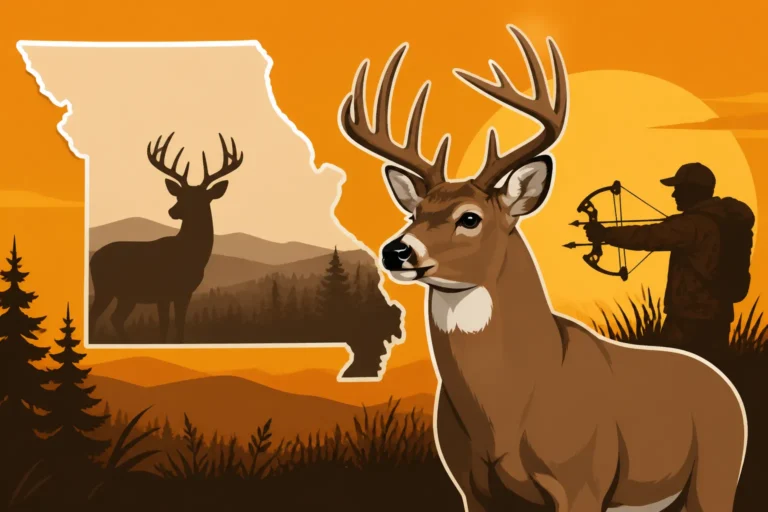
White-Tailed Deer Across Missouri
For many of us who love the outdoors, the thought of chasing a wary whitetail buck through the Missouri timber or across a frosty field is what gets us through the off-season. But let's be honest, figuring out the nuances of deer hunting in Missouri can feel a bit overwhelming, especially with ever-changing regulations, diverse landscapes, and the sheer challenge of consistently finding mature deer. This guide is designed to cut through that confusion, offering a deep dive into Missouri's white-tailed deer, their habits, and the best ways to pursue them, ensuring you're well-equipped for your next hunt.
The Enduring Allure of Missouri's Whitetail
There’s something truly special about the white-tailed deer in Missouri. For generations, they've been an integral part of our landscape, our culture, and our hunting heritage. It's more than just a pursuit; it's a connection to the land, a challenge that tests skill and patience, and an opportunity to put healthy, organic meat on the table. Whether you're a seasoned veteran who's seen countless sunrises from a treestand or a newcomer eager to learn the ropes, the Missouri whitetail offers an experience unlike any other.
Why Missouri Holds a Special Place for Deer Hunters
Missouri, often dubbed the "Show-Me State," truly shows us what a thriving deer population looks like. We're incredibly fortunate to have such a robust and widespread whitetail herd, making it one of the top destinations for deer hunting in the Midwest. This isn't just about sheer numbers, although those are impressive; it's also about the quality of the hunting experience and the potential for harvesting impressive bucks. The diverse terrain, from the rugged Ozark Hills to the fertile farmlands of northern Missouri, provides an array of habitats that support healthy deer and offer varied hunting scenarios for every preference.
Many hunters feel a deep-seated frustration when they hear tales of deer populations declining in other states or public lands becoming overcrowded. In Missouri, while pressure exists, the sheer amount of accessible ground and the resilient nature of our deer herd mean that opportunities still abound. It's a place where you can still feel like you're truly hunting wild deer, away from the concrete jungle, with a genuine chance at success. This accessibility and the robust health of the herd contribute significantly to why so many of us choose to spend our autumns and winters in the Missouri deer woods.
Beyond the harvest itself, the act of deer hunting here is steeped in tradition. It's about spending time with family and friends at deer camp, sharing stories around a crackling fire, and passing down knowledge from one generation to the next. These social aspects are just as important as the pursuit of game. It’s a chance to disconnect from the hustle and bustle of everyday life and reconnect with nature and loved ones. The memories forged during a Missouri deer season often last a lifetime, far outliving the venison in the freezer or the antlers on the wall.
Understanding the White-tailed Deer as a Game Species
The white-tailed deer (Odocoileus virginianus) is an incredibly intelligent and adaptable creature, traits that make them such a challenging and rewarding game animal. They thrive in a variety of environments, from dense timber to open agricultural fields, and their keen senses of smell, hearing, and sight are legendary among hunters. Trying to outsmart a mature whitetail buck, with his inherent wariness and learned survival tactics, is a chess match that can sometimes feel impossible, yet that's precisely what draws us back year after year.
Their ability to adapt to human presence is truly remarkable. While they are wild animals, deer have learned to coexist, often just out of sight, in areas surprisingly close to human development. This adaptability means that hunting opportunities can arise in unexpected places, not just the remote wilderness. However, this also means they are incredibly sensitive to pressure, quickly learning to avoid areas with heavy human activity, especially once hunting season is in full swing. Understanding their natural instincts and how they react to pressure is paramount to consistent success.
For hunters, appreciating the white-tailed deer as a game species also means understanding their life cycle, their diet, and their breeding behaviors. The annual rut, for instance, is a period of intense activity that can offer some of the most exciting hunting experiences, as bucks drop their guard in pursuit of does. Knowing when to target these patterns, and how specific environmental factors influence them, can dramatically improve your chances. It’s a continuous learning process, and the deer are always there to teach us something new, often when we least expect it.
Missouri's Deer Population and Management Efforts
Missouri boasts one of the healthiest and most well-managed deer populations in the country, a testament to decades of dedicated conservation efforts. However, managing such a dynamic resource is an ongoing challenge, influenced by a complex interplay of habitat, weather, disease, and human activity. Hunters are a critical part of this equation, not just as participants, but as active contributors to data collection and financial support for conservation.
Current Population Estimates and Trends
The Missouri Department of Conservation (MDC) diligently tracks the state's deer herd, using a combination of harvest data, observation surveys, and scientific modeling to estimate population numbers. While precise figures fluctuate annually, the general consensus is that Missouri's deer population remains robust and widespread across most regions. Hunters often express concern about localized decreases, especially after a tough winter or a significant EHD outbreak, but statewide, the numbers tend to hold strong. For the most up-to-date information, it’s always a good idea to check the MDC's annual harvest reports. These reports provide a detailed breakdown of success rates, herd health indicators, and regional trends that can be incredibly insightful for planning your hunt.
Despite the healthy overall picture, understanding specific local trends is key. For example, some areas might see higher deer densities in timbered river bottoms, while others might concentrate deer around specific crop fields. Factors like extreme weather events, particularly severe drought or prolonged ice storms, can impact local forage availability and, consequently, deer health and movement. Additionally, instances of hemorrhagic disease (EHD) can cause localized die-offs, leading to a temporary dip in deer numbers in affected areas. MDC actively monitors these events and communicates their impact to hunters. To delve deeper into the numbers, you might find valuable information on the Missouri Deer Population Estimate page, which offers a broader look at the statistics that guide our hunting seasons.
One of the ongoing conversations among hunters is about buck-to-doe ratios and fawn recruitment. A balanced ratio is essential for a healthy and thriving deer herd, contributing to a more effective rut and better overall genetic health. The MDC uses antlerless permit allocations as a primary tool to manage these ratios, encouraging harvest of does in areas where populations are high and protecting them where numbers need to grow. While it sometimes feels counterintuitive to shoot a doe when you're looking for a buck, understanding the biological importance of doe harvest for herd management helps align hunter effort with conservation goals.
The Role of the Missouri Department of Conservation MDC
The Missouri Department of Conservation (MDC) is at the forefront of managing our state's incredible natural resources, and deer management is one of their most significant undertakings. Their approach is truly comprehensive, encompassing biological research, habitat improvement, hunter education, and the enforcement of regulations that ensure sustainable hunting opportunities for generations to come. Without their dedicated efforts, Missouri’s deer hunting landscape would look vastly different, and likely, far less productive. It’s a complex dance of science and public input that keeps our deer herd healthy.
MDC's management strategies are rooted in scientific data, constantly adapting to new information and environmental changes. This includes setting season dates, establishing bag limits, and implementing specific regulations like CWD testing requirements. They work tirelessly to balance hunter opportunity with the ecological needs of the deer population, aiming for a healthy herd that provides ample hunting while minimizing agricultural damage and ensuring ecosystem balance. For instance, the allocation of antlerless permits is a calculated decision based on population density and harvest goals for specific counties, aiming to fine-tune local herd numbers. For those curious about the nuts and bolts of how these figures are derived, the article on How MDC Counts Deer and Turkeys provides a fascinating insight into their methodologies.
Beyond direct deer management, MDC also plays a crucial role in habitat conservation. Through land acquisition, habitat restoration projects on conservation areas, and partnerships with private landowners, they work to create and maintain the diverse ecosystems that deer need to thrive. These efforts benefit not only deer but a host of other wildlife, contributing to the overall biodiversity of the state. Hunters, through their permit fees and excise taxes on hunting equipment, directly fund these vital conservation programs, making us all partners in this grand effort. It’s a prime example of how user-pay, public-benefit conservation truly works here in Missouri.
Chronic Wasting Disease CWD and Its Impact
One of the most pressing challenges facing Missouri's deer herd, and indeed deer populations across North America, is Chronic Wasting Disease (CWD). This neurological disease is always a heavy topic because it represents a serious threat to the long-term health of our deer and the future of deer hunting. It’s a naturally occurring, progressive, and fatal disease that affects members of the deer family (cervids). The frustrating part is that there’s no cure, and it spreads through direct animal-to-animal contact or indirectly through environmental contamination from bodily fluids. Hunters are naturally concerned, and rightly so, about how this impacts their hunting experience and the quality of the venison they take home.
The MDC has been actively monitoring CWD in Missouri since its first detection in 2010. Their response has involved extensive sampling, particularly in affected counties, to track the disease's prevalence and spread. Hunters in CWD Management Zones are often required to have their harvested deer tested, especially during opening weekend of the firearms portion. While this adds an extra step to the hunting process, it's absolutely crucial for gathering the data needed to understand and manage the disease. It can be a hassle, especially when you're tired after a long day of hunting, but it’s a necessary inconvenience to protect the herd. More comprehensive details on this critical issue can be found in the Chronic Wasting Disease in Missouri Deer article.
Understanding CWD also means understanding its implications for meat consumption. While there's no evidence that CWD can be transmitted to humans, health organizations still recommend not eating meat from CWD-positive animals. This is why testing is so important, especially in high-risk areas. The MDC provides clear guidelines on how to safely handle and transport deer carcasses to minimize the risk of spreading the disease, including specific rules for transport out of CWD Management Zones. As hunters, adhering to these rules isn't just about compliance; it's about being responsible stewards of the resource and protecting the future of deer hunting in Missouri. We all have a part to play in containing this threat.
Regional Differences in Missouri's Deer Herds
Missouri isn't a monolithic landscape when it comes to deer. The state's diverse geography creates distinct regions, each with its own unique habitat, deer densities, and hunting challenges. What works in one area might be entirely ineffective in another, and understanding these regional nuances is key to becoming a more adaptable and successful hunter. It's truly a "tale of two Missouris" when you consider the northern farmlands versus the southern Ozarks.
North Missouri's Big-Buck Farm Country
When most people think of trophy whitetails in Missouri, their minds often drift to the expansive agricultural landscapes of North Missouri. This region is renowned for producing some truly massive bucks, regularly landing entries in the Boone and Crockett record books. The reason is fairly straightforward: incredible nutrition. Miles of corn, soybean, and alfalfa fields provide an endless buffet for deer, fueling impressive antler growth and body weights. Combine this food abundance with ample cover in the form of timbered draws, fencerows, and thick CRP fields, and you have a recipe for giant whitetails.
Hunting in North Missouri's farm country often involves different strategies than those employed in other parts of the state. Deer here are often patterned around crop cycles, moving from bedding areas in timber or dense cover to feeding in fields, especially during low-light hours. Stand placement often focuses on pinch points between these food and cover sources, or along heavily used travel corridors and fencerows. The challenge here isn't necessarily finding deer, but finding a mature buck that has grown wary from years of navigating human presence and hunting pressure. They know how to use the terrain and available cover to their advantage, often moving under the cloak of darkness or during periods of minimal human activity. To really dig into the specifics of hunting this rich area, you’ll want to check out the guide on Hunting North Missouri's Big-Buck Farm Country.
Public access can be more limited in some parts of North Missouri compared to the Ozarks, with a greater reliance on securing private land permission or hunting smaller conservation areas interspersed within the agricultural matrix. This means scouting, both aerial and on the ground, becomes even more critical. Platforms like GoHunt, with their detailed mapping layers, can be invaluable for identifying potential travel routes, bedding areas, and overlooked pockets of cover on properties you might be considering. Understanding where deer feed, where they bed, and how they transition between the two, often dictated by wind and human disturbance, is the ultimate puzzle to solve in this big-buck country.
Deer Hunting the Rugged Missouri Ozarks
In stark contrast to the fertile plains of the north are the rugged, timbered hills of the Missouri Ozarks. This region offers a completely different hunting experience, one characterized by vast expanses of public land, steep topography, and a deer herd that is generally smaller in body and antler size compared to their northern counterparts, but no less challenging to pursue. Here, the deer are forest dwellers, relying heavily on acorns, browse, and native forage, rather than agricultural crops. The density of deer might be lower in some areas, but the sense of wilderness and the physical challenge of the hunt are amplified.
Hunting the Ozarks demands a different approach. Instead of focusing on field edges, hunters often spend their time navigating ridge tops, hollows, saddles, and benches. Deer movement is heavily influenced by topography and subtle changes in elevation, with bucks often using features like ridge lines for travel or dense cover on steep hillsides for bedding. Scouting becomes an exercise in identifying these terrain features and understanding how deer use them in relation to prevailing winds. It’s a physically demanding hunt, often requiring long walks and the ability to read nuanced deer sign in vast timber. For an in-depth look at this unique hunting environment, the article Deer Hunting the Missouri Ozarks provides excellent insights.
Public land dominates large portions of the Ozarks, including the Mark Twain National Forest and numerous large Conservation Areas. This means more access, but also the potential for increased hunting pressure, particularly on opening weekends. Successful Ozark hunters often embrace strategies like still-hunting, slow methodical movements through the timber, or establishing ambush points on subtle terrain features far from established trails. Unlike the north, where agriculture is king, here the mast crop—primarily acorns—can dictate deer movement significantly. A poor acorn crop might scatter deer in search of alternative food sources, while a bumper crop can concentrate them in specific timber blocks.
Central and West Central Missouri's Mixed Landscape
Between the northern farmlands and the southern Ozarks lies a transitional zone that offers a unique blend of habitat and hunting opportunities. Central and West Central Missouri typically present a mixed landscape of rolling hills, timbered creek and river bottoms, and a patchwork of smaller agricultural fields and pastureland. This creates a diverse environment where deer utilize both forest resources and cultivated crops, often adapting their behavior based on what’s most available seasonally. It’s a region that can offer the best of both worlds, and sometimes the most frustrating challenges.
Deer in these areas often exhibit behaviors that combine traits from both the northern and southern herds. They might feed heavily on corn or beans when available, but quickly retreat to dense timber or brushy draws for cover. River corridors, like those along the Missouri River, become major travel arteries and bedding areas, providing excellent hunting opportunities where agriculture meets dense riparian woods. Hunters here need to be versatile, capable of setting up on a field edge one day and then diving deep into a timbered draw the next, depending on deer movement and pressure.
Access in Central and West Central Missouri is typically a mix of private land and numerous smaller to medium-sized conservation areas. These public lands can be overlooked by hunters focusing on the "big name" areas, offering hidden gems for those willing to do their homework. The hunting pressure might be moderate, but the varied terrain means deer have plenty of places to escape, making careful scouting and adaptive tactics essential. Understanding how deer utilize smaller, fragmented cover patches in conjunction with larger food sources is the key to success in these nuanced landscapes.
Key Factors Influencing Deer Behavior and Hunting Success
Deer are creatures of habit, yet their patterns are constantly influenced by external forces. To consistently find and harvest deer, especially mature bucks, it’s crucial to understand the driving forces behind their daily movements and seasonal routines. These factors – food, cover, and weather – are the fundamental pillars that shape deer behavior and, by extension, dictate hunting success. Ignoring any one of these elements can lead to a frustrating day in the woods.
The Critical Role of Food Sources
Nothing dictates deer movement quite like food. White-tailed deer are herbivores with a diverse diet, and their daily routines are largely a quest to find the most nutritious and accessible forage. In Missouri, this can range from natural browse and mast crops in the timber to cultivated agricultural fields. Understanding which food sources are available and preferred at different times of the year is arguably the most important piece of the deer hunting puzzle. It’s the constant, underlying motivator for every deer's journey.
During the early archery season, deer are often still in their summer patterns, heavily utilizing lush green growth, clover plots, and early-maturing soft mast like persimmons or wild plums. As autumn progresses, the focus shifts to hard mast, with acorns becoming the absolute king. When the oaks are dropping, deer will abandon almost everything else to gorge on this high-energy food source. Identifying areas with a heavy acorn crop, particularly white oaks which are often preferred, can be a game-changer. Later in the season, after the leaves have fallen and acorns become scarce, deer often transition to agricultural fields. For a deeper dive into how this changes throughout the year, especially as winter approaches, the article Late-Season Food Sources for Whitetails offers some fantastic strategies.
Knowing what deer are eating isn't enough; you also need to know when they're eating it and how they access it. Deer will often travel significant distances from their bedding areas to preferred feeding grounds, creating well-worn trails that are prime locations for ambush. Wind direction, time of day, and human pressure all influence these movements. For instance, deer might hit an open soybean field more aggressively after dark if there's hunting pressure during the day, forcing hunters to find alternative ambush points along entry and exit routes or in nearby staging areas. Monitoring crop rotations and identifying unharvested fields can also provide critical intel, especially in regions dominated by agriculture.
Understanding Cover and Sanctuary Areas
While food provides the motivation, cover provides the security. White-tailed deer, especially mature bucks, prioritize feeling safe. They will spend the majority of their day in dense cover, only venturing out to feed or breed when conditions feel secure. This cover can take many forms: thickets of multiflora rose, dense cedar groves, standing CRP fields, deep ravines, or even just a thick patch of timber on a steep hillside. Identifying these sanctuary areas and understanding how deer move in and out of them is fundamental to successful hunting.
The challenge for hunters is often how to approach these sanctuary areas without alerting the deer. Deer will often bed with the wind at their back, using their powerful sense of smell to detect danger approaching from behind, while their eyes and ears monitor downwind approaches. This means careful attention to wind direction is paramount when planning an entry or exit to a stand near a bedding area. Pushing too deep into known bedding cover can blow deer out of an area for days, if not weeks, especially on heavily pressured public land. The goal is to hunt the fringes and transition zones, intercepting deer as they move between their safe havens and food sources.
Sanctuary areas are not always impenetrable thickets. Sometimes, it's just a subtle shift in topography or a small, overlooked parcel of dense timber that acts as a secure hideout. On public lands, these can often be found by walking further than most hunters are willing to go, or by identifying areas that are naturally difficult to access. Deer quickly learn where hunters exert pressure and will adapt by using these less-disturbed areas. Utilizing aerial maps, whether through physical copies or digital platforms like GoHunt, can help identify these hidden pockets of security cover that might hold the deer you’re after.
Weather Patterns and Their Effect on Deer
Weather is the wild card in deer hunting, often dictating deer activity levels and movement patterns from one day to the next. Understanding how temperature, precipitation, and wind affect deer can help hunters predict activity and plan their hunts accordingly. While we can't control the weather, we can certainly use it to our advantage, and often, the "bad" weather days for humans are the best days to be in the deer woods. It’s about timing your efforts when the deer are most likely to be on the move.
Cold fronts, especially after a period of warm weather, almost universally trigger increased deer activity. As temperatures drop and the barometric pressure rises, deer often become more active, moving more frequently and feeding more aggressively in preparation for colder conditions. This is when those mid-morning movements, often elusive, become more predictable. Conversely, unseasonably warm temperatures during the fall can make for sluggish deer activity, forcing them to move mostly under the cover of darkness to avoid overheating. This is why a sudden drop in temperature can bring the woods alive, offering a critical window of opportunity. For more about enduring the elements, take a look at the article Cold Weather Sitting Strategy.
Precipitation also plays a significant role. A light, steady rain can sometimes improve hunting, as the moisture dampens leaves, making it easier for still-hunters to move quietly through the woods. However, heavy downpours or severe thunderstorms typically put deer into lockdown, waiting for the weather to break. Snow, on the other hand, can be a deer hunter's best friend. Fresh snow not only makes tracking easier but often stimulates deer to feed heavily, making them more visible. Wind is another critical factor; high winds tend to make deer nervous, reducing their activity and making them harder to spot. They might hunker down in dense cover or move into sheltered areas, making hunting challenging. Conversely, a steady, moderate breeze can be helpful for scent control, allowing hunters to approach undetected.
Navigating Missouri's Deer Seasons and Regulations
Successfully hunting white-tailed deer in Missouri isn't just about understanding deer behavior; it's also about knowing and adhering to the state's comprehensive hunting regulations. These rules are in place to ensure a sustainable harvest, promote hunter safety, and manage the deer herd effectively. Navigating season dates, permit types, and reporting requirements can seem daunting at first, but with a bit of guidance, it's straightforward.
Overview of Season Portions and Timing
Missouri offers a remarkably diverse deer season, designed to provide ample opportunity for various hunting styles and preferences. The season is broken down into several distinct portions, each with its own set of rules and characteristics. This staggered approach helps manage hunter pressure, balances harvest goals, and caters to different hunting traditions, from the silent pursuit of archery to the communal experience of firearms season. Understanding these periods is fundamental to planning your Missouri hunt.
The archery season is the longest, typically running from mid-September through mid-January, but it's crucial to remember that it has a significant split during the November firearms portion. This split allows archers to pursue deer during the pre-rut, the peak rut, and the late season, offering varied challenges and opportunities. Many bowhunters find the early part of the season appealing for its warmer weather and predictable food patterns, while others prefer the intensity of the rut when bucks are most active. Then comes the firearms portion, often referred to as "rifle season," which is typically a concentrated 11-day period in November. This is usually the busiest time in the deer woods and accounts for the largest share of the state's total deer harvest. It's a time of high energy, camaraderie, and often, changing deer patterns due to increased pressure.
Beyond these main portions, Missouri also offers specialized seasons like the Early Antlerless Portion, Late Antlerless Portion, and the Alternative Methods Portion. These seasons are strategically placed to help manage doe populations in specific areas or to provide additional opportunities for hunters using less conventional equipment, such as muzzleloaders and crossbows (during the alternative methods portion). Each of these portions has specific dates and regulations, so it's vital to consult the current Missouri hunting regulations booklet or the MDC website before heading afield. For a complete breakdown of when these seasons occur, you can refer to the detailed guide on Missouri Deer Season Portions Explained. Planning your hunts around these various windows can dramatically increase your chances of success.
Permit Types and Bag Limits
Acquiring the correct permits and understanding bag limits are non-negotiable aspects of hunting in Missouri. The state offers a range of permits tailored to residents and non-residents, as well as different types of deer (antlered or antlerless). Getting this right ensures you're hunting legally and contributing to the conservation funds that directly benefit our deer herd. It can feel like a maze sometimes, trying to figure out which permit you need, but it's designed to be comprehensive.
Missouri's permit system is generally straightforward: you'll need a basic deer permit, which typically includes one antlered deer tag. Depending on the county and specific season, you might also purchase antlerless permits, which allow you to harvest additional does. Non-residents generally pay a higher fee for permits, but the opportunity to hunt quality whitetails in Missouri often makes it a worthwhile investment. It's crucial to understand that antlerless permits are often county-specific and have quotas, meaning they might sell out in high-demand areas. This is where planning ahead truly pays off. The article Missouri Deer Permits and How to Buy One details the process and various options available to hunters.
Bag limits are strictly enforced and vary by permit type and county. Generally, most hunters are limited to one antlered deer across all portions of the season. However, antlerless bag limits can be quite generous in counties with higher deer densities, allowing hunters to fill their freezers while also assisting with population management. Always double-check the current regulations for the specific county you plan to hunt, as these can change year to year based on population surveys and harvest data. Utilizing a hunting app or website like GoHunt can be incredibly helpful for quickly checking permit requirements, season dates, and specific county regulations, ensuring you're always compliant before you even step foot in the woods.
Telecheck and Harvest Reporting
Harvesting a deer is an exciting moment, but the hunt isn't truly over until you've completed the Telecheck process. This mandatory step is how the Missouri Department of Conservation collects vital data on the deer harvest, which is absolutely critical for managing the state's deer population. Forgetting or failing to Telecheck your deer can result in fines and legal penalties, so it’s something every hunter needs to take seriously. It’s our responsibility to contribute to the data that keeps our deer herd healthy.
The Telecheck system is designed to be convenient and accessible. Within a specific timeframe (usually before the end of the calendar day of harvest, or before processing or transport out of the state, whichever comes first), hunters must report their harvest via phone or online. You'll need information like your permit number, the county of harvest, the date, and details about the deer itself (sex, whether it was antlered or antlerless). Once reported, you'll receive a confirmation number that serves as proof of legal harvest and needs to remain with the carcass until it's processed. This simple, yet crucial, step allows MDC to compile real-time harvest data, informing future management decisions. A detailed guide to this process is available in the Telechecking a Missouri Deer post.
Beyond just compliance, participating in Telecheck is an act of conservation. The data collected helps MDC understand population trends, monitor success rates in different regions, and detect potential issues like localized population declines or unusual harvest patterns. This information is invaluable for setting future season dates, adjusting bag limits, and making informed decisions that ensure the long-term health and abundance of Missouri's white-tailed deer. Every hunter who successfully telechecks their deer is contributing directly to the scientific management of this precious resource.
Practical Tips for Hunting Missouri Whitetails
Hunting Missouri whitetails effectively requires more than just understanding the regulations; it demands practical skills, diligent preparation, and a willingness to adapt. From the pre-season legwork to the moments after the shot, every step plays a crucial role in maximizing your chances of success and ensuring a responsible, ethical hunt. Don't underestimate the power of preparation; it's often what separates a successful hunt from a frustrating one.
Scouting and Pre-Season Preparation
The hunt truly begins long before opening day, often weeks or even months in advance. Effective scouting is arguably the most critical component of consistent deer hunting success. It’s about being a detective, piecing together clues about deer movement, identifying key habitat features, and understanding how deer use the land you intend to hunt. This groundwork allows you to develop a well-informed hunting strategy, rather than just wandering aimlessly through the woods.
Pre-season scouting involves a blend of e-scouting and boots-on-the-ground exploration. E-scouting, using online mapping tools or apps like GoHunt, allows you to analyze aerial imagery, topographical maps, and public/private land boundaries from the comfort of your home. You can identify potential bedding areas, food sources, travel corridors, and pinch points, marking potential stand locations long before you step foot in the timber. This digital reconnaissance saves immense amounts of time and helps you prioritize areas for physical scouting. Many hunters feel a rush to get out there, but a little digital planning can be a real game-changer. For more on this, check out Scouting Missouri Public Land Before Season.
Once you have a general idea, it's time for boots-on-the-ground scouting. This means walking the property, looking for actual deer sign: rubs, scrapes, tracks, and droppings. Identify well-used trails, understand prevailing wind patterns in relation to potential stand sites, and locate water sources. Place trail cameras to gather intel on deer presence, movement times, and antler development. The more information you gather, the more confident you'll be in your stand placement and hunting strategy. Remember, the goal is to confirm what your e-scouting suggested and discover new insights that only direct observation can provide. This phase often involves early mornings or late evenings, watching and listening, mimicking the deer’s own schedule.
Adapting Tactics to Different Habitats
Missouri's diverse landscapes mean that a one-size-fits-all hunting approach simply won't cut it. What works brilliantly in the open fields of North Missouri might be entirely ineffective in the dense, broken terrain of the Ozarks. Being a versatile hunter, capable of adapting your tactics to the specific habitat you're in, is a hallmark of consistent success. It's about letting the land tell you how to hunt it, rather than forcing a preconceived notion.
In agricultural areas, particularly in North Missouri, tactics often revolve around field edges. Here, ground blinds can be incredibly effective, allowing you to conceal yourself near crop fields where deer will feed. Setting up a blind brushed into a fencerow or a tree line overlooking a soybean field requires careful consideration of entry and exit routes to avoid spooking deer. Elevated stands, like treestands, are also popular along timbered edges, providing a commanding view and helping to get your scent above the deer’s nose. The challenge here is predicting exactly where deer will enter a field and setting up within effective range.
Conversely, in the vast timbered expanses of the Ozarks, a different set of tactics comes into play. Treestand Setups in Hardwood Timber become paramount, focusing on terrain features like ridge saddles, benches, and creek bottoms that naturally funnel deer movement. Still-hunting—moving slowly and quietly through the woods, pausing frequently to observe—can be incredibly effective, allowing you to cover ground and discover deer in their natural environment. When you're in rugged country, moving efficiently and quietly is often more productive than simply waiting in one spot. Sometimes, especially on public land, this involves hiking deep into areas that most hunters won't bother with, finding those overlooked pockets of deer.
Recovering Your Deer and Meat Care
The shot is only half the battle; properly recovering your deer and taking care of the meat immediately afterward are critical steps that ensure an ethical harvest and high-quality venison. This phase of the hunt, though often overlooked in the excitement, is where responsible hunting truly shines. A lost deer is a heartbreaking outcome, and poorly handled meat is a wasted resource.
After the shot, patience is paramount. Unless you witness the deer drop or see a clear indication of a lethal hit, it's almost always best to wait. For a gut shot or marginal hit, a wait of several hours, or even overnight if conditions are cool, significantly increases your chances of recovery. Starting too soon can push a wounded animal further, making tracking nearly impossible. Once you begin tracking, look for blood, tracks, broken twigs, and disturbed leaves. Mark your last spot of blood with flagging tape or a bright marker, then take your time, moving slowly and methodically. This can be particularly challenging in areas with dense brush or rugged terrain, but persistent effort is usually rewarded. The article Field Dressing and Cooling in Early-Season Heat provides crucial advice for these critical first steps.
Once you’ve recovered your deer, prompt field dressing and cooling are essential, especially in Missouri's often warm early-season temperatures. Remove the entrails as quickly as possible to begin the cooling process. If temperatures are warm (above 40-50 degrees Fahrenheit), getting the carcass on ice or to a cooler environment is vital to prevent spoilage. Consider quartering the deer in the field and placing the meat in breathable game bags with ice if a long pack-out is required. Even in cold weather, hanging the deer to allow for proper air circulation and cooling is beneficial for meat quality. Many hunters also participate in programs like Share the Harvest, donating venison to those in need, which requires careful meat handling from the moment of harvest. You can learn more about how your harvest contributes to the community through programs highlighted in Share the Harvest Program Numbers.
The Future of Missouri Deer Hunting
Missouri's white-tailed deer herd is a remarkable success story, but it's one that requires ongoing vigilance and adaptation. The future of deer hunting in our state is influenced by a complex blend of ecological factors, evolving hunter demographics, and persistent conservation challenges. As hunters, we have a vested interest in ensuring that this legacy continues to thrive for generations to come. It’s not just about the next season, but about the next fifty years.
Ongoing Challenges and Conservation Efforts
Despite the current health of Missouri's deer herd, several significant challenges loom on the horizon. Chronic Wasting Disease (CWD) remains a primary concern, demanding continued monitoring, research, and adaptive management strategies. While the MDC is doing an incredible job, the responsibility to contain its spread falls on hunters as well, through compliance with testing and carcass transport regulations. Habitat loss and fragmentation, driven by urban sprawl and changing land use practices, also pose a long-term threat. As natural spaces shrink and become isolated, deer populations can become stressed, and their ability to move and find diverse food sources is compromised. This is a battle fought every day by conservationists and landowners alike.
Another challenge lies in maintaining hunter participation and recruitment. The demographics of hunting are changing, and ensuring that new generations pick up the torch is vital for the financial and practical support of conservation efforts. Without hunters, much of the funding and advocacy for wildlife management simply wouldn't exist. The MDC actively works on hunter education and outreach programs, but it’s up to seasoned hunters to mentor newcomers and pass on the traditions and ethics of the sport. It's not just about teaching them how to shoot, but how to appreciate the entire experience and understand their role in conservation.
To counter these challenges, conservation efforts are continuously evolving. The MDC, in collaboration with landowners, private organizations, and hunters, is investing in habitat restoration, promoting sustainable forestry practices, and developing strategies to mitigate the impact of CWD. These efforts are multifaceted, ranging from prescribed burns to enhance forage and cover, to land acquisitions that create new public hunting opportunities. The success of these initiatives relies heavily on the continued support, both financial and participatory, from the hunting community.
How Hunters Contribute to Deer Management
It’s impossible to talk about deer management in Missouri without highlighting the indispensable role that hunters play. We are not just participants; we are the primary funders and often the most valuable source of data for the state's conservation efforts. Our collective impact goes far beyond the deer we harvest. Every time we buy a permit, we're directly investing in the future of wildlife in Missouri, whether we realize it or not.
The most direct way hunters contribute is through the purchase of hunting permits and licenses. The revenue generated from these sales, along with excise taxes on firearms, ammunition, and archery equipment (through the Pittman-Robertson Act), provides the vast majority of funding for state wildlife agencies like the MDC. This money goes directly towards deer research, habitat acquisition and improvement, enforcement of hunting laws, and hunter education programs. Without this "user-pay" system, wildlife management as we know it would simply not exist. It's a powerful model that often goes unacknowledged by those outside the hunting community.
Furthermore, hunters are critical data collectors. Every deer successfully Telechecked provides valuable information to the MDC, contributing to annual harvest reports, population estimates, and disease surveillance. Our observations from the field, reports of sick deer, or participation in voluntary surveys (like the Bowhunter Observation Survey) also provide critical insights that complement scientific studies. Beyond data, hunters often serve as ethical stewards of the land, advocating for wildlife habitat, volunteering for conservation projects, and passing on a responsible hunting ethic to others. When you clean up trash on public land, mentor a new hunter, or simply make an ethical shot and recover your deer, you're contributing significantly to the positive perception and future of deer hunting in Missouri.
Missouri Deer Hunting Regional Comparison
| Feature | North Missouri (Farm Country) | Missouri Ozarks (Timber Country) | Central/West Central Missouri (Mixed Landscape) |
|---|---|---|---|
| Typical Habitat | Row crops (corn, beans), fencerows, small woodlots, CRP fields, timbered draws | Dense hardwood timber, steep ridges, hollows, creek bottoms, smaller clearings | Rolling hills, mixed timber, pastureland, smaller crop fields, river bottoms |
| Deer Density | Generally high, especially near food sources | Moderate to low, can be concentrated in pockets | Moderate to high, depending on habitat mix |
| Average Buck Size | Larger body and antler size (trophy potential) | Smaller body and antler size (focus on maturity) | Variable, can be good to excellent |
| Primary Food Sources | Agricultural crops (corn, soybeans), alfalfa, natural browse | Acorns (mast), native browse, some food plots | Mix of agriculture, acorns, and natural browse |
| Hunting Style | Field edges, pinch points, ground blinds, elevated stands, patterning movement | Still-hunting, ridge-running, treestands on terrain features, deep woods scouting | Versatile; field edges, timbered draws, river bottoms, adaptable to conditions |
| Public Land Access | More limited; numerous smaller Conservation Areas, often bordered by private land | Extensive (Mark Twain National Forest, large CAs) | Moderate; mix of private and medium CAs |
| Typical Hunting Pressure | High on desirable properties, especially private land | Moderate to high on accessible public land, decreases with distance from access | Moderate, can vary by specific area and season |
| Physical Demands | Moderate (less elevation change, but long walks to access) | High (steep terrain, long walks, rugged conditions) | Moderate to high (rolling hills, varied terrain) |
Disclaimer
The information provided in this guide is for general informational purposes only and is not intended as legal advice. Hunting regulations, season dates, and permit requirements in Missouri can change frequently. Always consult the most current Missouri Department of Conservation (MDC) regulations and official publications before planning and undertaking any hunting activity. Failure to comply with all applicable laws and regulations can result in penalties. It is the responsibility of each hunter to know and understand all current rules.