Missouri Annual Deer Harvest
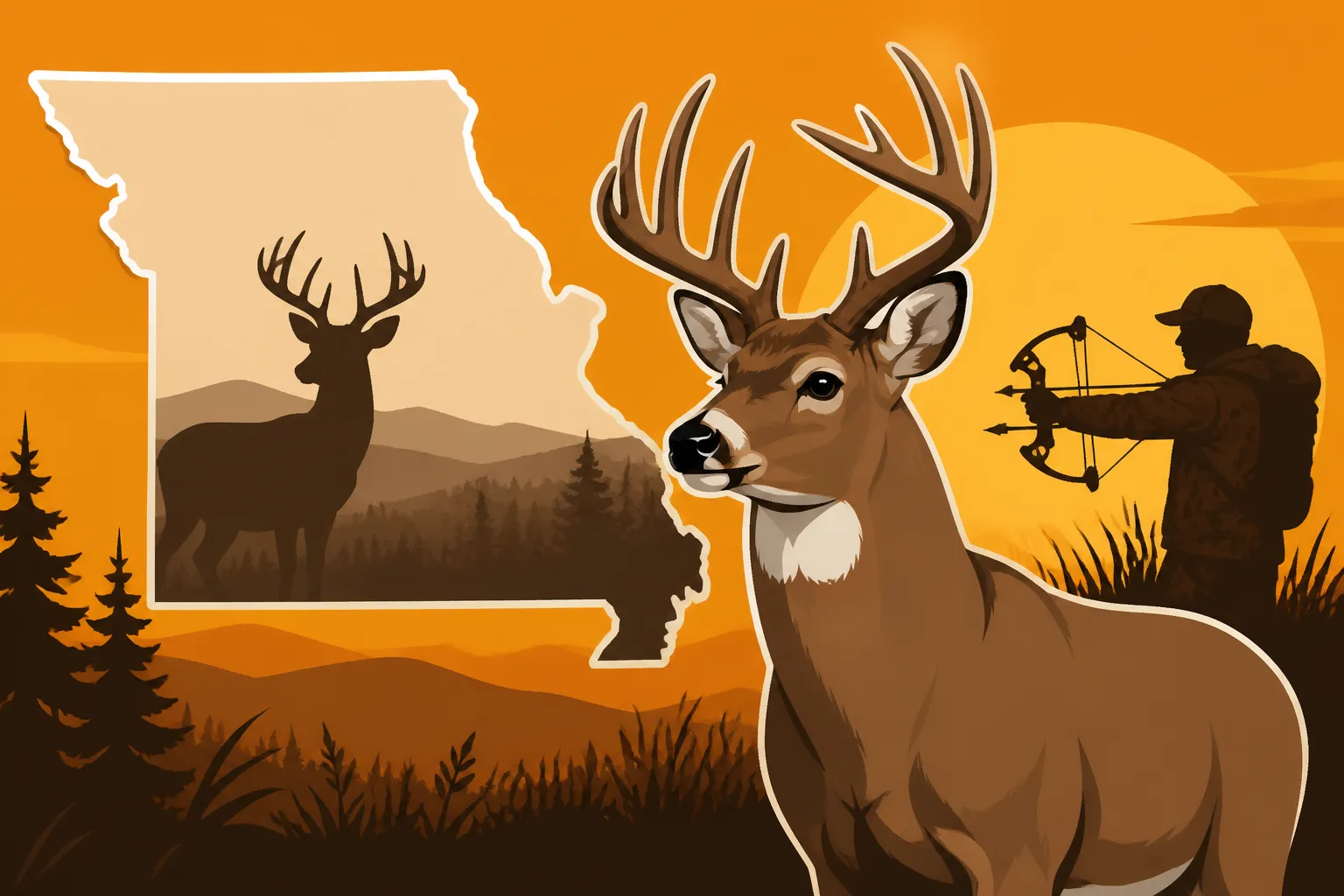
It's easy to look at a successful deer season and think "wow, the deer numbers must be fantastic this year," or conversely, see a lean season and worry the herd is in decline. But the truth is, the annual deer harvest in Missouri is far more than just a simple count of animals taken; it's a vital dataset that offers a deep look into the health of our deer population, hunter effort, and the effectiveness of conservation strategies. This guide will walk you through what the harvest numbers really mean and how they can inform your own hunting pursuits.
Understanding Missouri's Deer Harvest Data
When we talk about the "annual deer harvest" in Missouri, we're diving into a trove of information collected each year by the state's conservation department. This isn't just a casual tally; it's a meticulously compiled record that forms the backbone of deer management in our state. For hunters, it offers insights into success rates, population trends, and even potential hotspots.
What is Annual Deer Harvest?
At its core, the annual deer harvest represents the total number of white-tailed deer successfully taken by hunters across Missouri during all regulated hunting seasons within a specific permit year. But it breaks down much further than that. These numbers are categorized in many different ways: by the type of permit used (antlered or antlerless), the specific hunting portion (archery, firearms, alternative methods, youth), the weapon used, and even down to individual counties.
These detailed statistics are incredibly important for several reasons. Firstly, they provide a snapshot of the deer population's overall health and density. A consistently high harvest, particularly of antlerless deer, often indicates a robust and healthy herd that can sustain hunting pressure. Conversely, a sharp, unexplained decline might signal environmental issues, disease outbreaks like EHD Outbreaks in Missouri Deer, or changes in habitat. Secondly, for us hunters, these figures offer a tangible metric of success and opportunity. While your individual experience might vary year to year, understanding the broader trends can help set realistic expectations and even influence where and how you plan your hunts. It's not just about how many deer were killed, but which deer, where, and when.
How the Harvest Data is Collected
The accuracy of Missouri's deer harvest data relies heavily on the state's mandatory Telecheck system. Every hunter who successfully harvests a deer in Missouri is required to report their harvest through Telecheck by a specific deadline on the day of the kill. This can be done online or by phone, and it's a critical step that ensures the data is as complete and precise as possible. Without this diligent reporting by hunters, the conservation department would be flying blind, unable to make informed decisions about herd management.
When you Telechecking a Missouri Deer, you're asked for details like the county of harvest, the weapon used, whether it was antlered or antlerless, and the type of permit. This granular information allows the department to track trends across different regions and evaluate the impact of various hunting regulations. For example, if a particular county shows a consistent decline in antlerless harvest despite efforts to encourage it, managers might consider adjusting antlerless permit availability in that area. It's a testament to the partnership between hunters and the state that this system works so well, providing invaluable data that benefits everyone involved in deer hunting. Many digital platforms, like the GoHunt app, also integrate seamlessly with the Telecheck system, making the reporting process even more convenient for modern hunters out in the field.
Key Trends and Patterns in Missouri's Deer Harvest
Looking at the annual deer harvest numbers over the long term reveals fascinating stories about Missouri's deer herd. It's not a static picture, but rather a dynamic one, influenced by everything from habitat changes to hunting regulations and even Mother Nature herself.
Overall Harvest Numbers and Trends Over Time
Missouri's deer harvest has shown a remarkable trajectory over the past several decades. From relatively low numbers in the mid-20th century, the harvest steadily climbed as deer populations recovered and expanded across the state, thanks to robust conservation efforts. In recent years, the harvest has generally stabilized, often fluctuating within a certain range, which suggests a mature and relatively stable deer population. However, it's never a perfectly flat line. There are always subtle variations driven by factors such as acorn crop availability impacting deer movement, severe winter weather reducing deer survival, or even localized outbreaks of diseases that can temporarily depress numbers.
For instance, a year with a widespread EHD (Epizootic Hemorrhagic Disease) outbreak might see a dip in harvest in affected areas, followed by a recovery in subsequent years. Conversely, excellent weather during key hunting portions, combined with a strong deer population, can lead to a banner year for hunters. Understanding these larger trends, rather than focusing on any single year's anomaly, helps both wildlife managers and individual hunters appreciate the resilience and health of Missouri's deer. It’s a dance between nature and management, with the harvest numbers acting as our scorecard.
Harvest by Portion and Weapon Type
The breakdown of the harvest by hunting portion and weapon type is incredibly revealing. Unsurprisingly, the Missouri's November Firearms Portion consistently accounts for the largest share of the annual deer harvest. This 11-day period is often seen as the peak of the deer hunting calendar, drawing the most hunters and typically coinciding with significant deer activity. However, archery hunting plays a substantial and growing role. The Missouri's Archery Deer Season Dates span a much longer period, and the dedication of bowhunters contributes significantly to the overall numbers. Many hunters find themselves embracing new methods, and the popularity of Crossbow Hunting Under Missouri Rules has certainly added to the archery harvest in recent years.
The Alternative Methods portion, held after the primary firearms season, also adds a notable number of deer to the total, offering hunters another chance to fill tags with different weapon choices. And let's not forget the Youth Portions, which are vital for introducing new hunters to the sport and contributing to the early harvest, often setting a positive tone for the rest of the season. Each portion serves a specific purpose in the state's deer management strategy, balancing hunter opportunity with population control, and the harvest numbers reflect this intricate design.
Missouri Deer Harvest Distribution (Example)
| Hunting Portion | Typical % of Total Harvest | Key Characteristics |
|---|---|---|
| November Firearms | 60-70% | High hunter density, often coincides with rut, highest success rates |
| Archery (Combined) | 20-25% | Long season, requires more patience and skill, steady harvest throughout |
| Alternative Methods | 5-10% | Post-rut opportunities, often colder weather, specialized weapons |
| Youth Portions | 2-3% | Early access, focus on hunter recruitment, generally high success for young hunters |
| Antlerless-Only | Varies | Specific to certain counties, targets population management, can occur in multiple dates |
Note: Percentages are illustrative and can fluctuate annually.
Geographic Variations and County-Level Data
Missouri is a diverse state, from the rugged Ozark hills to the fertile northern farm country, and this diversity is clearly reflected in the county-level deer harvest data. You'll consistently see that certain counties, particularly in north Missouri, report significantly higher harvests than others. This is largely due to superior habitat, including vast tracts of timber mixed with productive row crops, which provides abundant food and cover. Areas like these support a higher North Missouri Versus Ozark Deer Density and, consequently, higher harvest numbers. When you're looking at Which Missouri County Kills the Most Deer, it's almost always going to be one of those rich agricultural counties up north.
Conversely, some of the more intensely farmed areas with less timber, or very rugged, remote sections of the Ozarks, might show lower overall harvest totals. This doesn't necessarily mean fewer deer per square mile, but often indicates different hunting pressures, habitat types, and hunter access. Hunters often rely on tools like GoHunt and local conservation area maps to drill down into specific county data, cross-referencing harvest reports with terrain features and public land availability. These geographical nuances are crucial for understanding where the opportunities are greatest and where different hunting strategies might be more effective.
What Harvest Data Tells Us About the Deer Population
While harvest numbers might seem straightforward, their true value lies in what they imply about the deer population itself. It's not just a tally; it's a diagnostic tool that helps us understand the health, structure, and future of the herd.
Beyond Just Numbers: Interpreting the Data
Interpreting harvest data goes far beyond simply looking at the total number of deer taken. Wildlife managers use these figures to glean critical information about the deer population's health and structure. For example, by looking at the ratio of antlered to antlerless deer harvested, they can get an idea of the buck-to-doe ratio in different regions. A healthy buck-to-doe ratio, along with a good age structure in the buck population, suggests a well-managed herd that is reproducing successfully and offering quality hunting opportunities.
The number of Missouri Antlerless Deer Permits by County issued and subsequently filled directly influences herd control. If a specific county consistently has a high antlerless harvest, it often means the population in that area is robust and benefits from antlerless removal to keep it within ecological carrying capacity. Conversely, if antlerless harvest is low despite available permits, it could signal a need for further incentives or different management strategies. These figures help conservationists make informed decisions, ensuring the long-term sustainability of Missouri's deer population, which is something every hunter deeply cares about.
Hunter Density and Pressure
It's also important to consider the human element in harvest data: hunter density and pressure. A higher harvest total in a given year might not always mean a booming deer population; it could also indicate an increase in hunter numbers or simply more effective hunting effort across the state. Missouri is a popular hunting destination, and public lands, especially during peak seasons, can see significant pressure.
The number of hunters out in the woods, the length of time they spend hunting, and the methods they employ all factor into the overall harvest success. For instance, increased participation in the firearms season or more hunters utilizing new technologies could lead to higher harvest numbers even if the deer population remains relatively stable. Areas experiencing high Hunting Pressure on Missouri Public Ground often require different hunting tactics than those less frequented. Understanding this interplay between deer numbers and hunter effort helps us appreciate that harvest data is a complex mosaic, not just a simple headcount.
Using Harvest Data for Your Own Hunting Strategy
Now that we understand what goes into the annual deer harvest numbers, let's talk about how you, as a hunter, can put this valuable information to work for your own success in the Missouri woods.
Researching Productive Areas
One of the most practical applications of harvest data is in researching and identifying potentially productive hunting areas. While specific individual spots are best found through boots-on-the-ground scouting, county-level harvest reports can point you in the right general direction. If you're consistently seeing high harvests of antlered deer in a particular county, that's a strong indicator of a healthy buck population and good habitat, potentially increasing your odds of encountering quality animals. GoHunt offers excellent mapping tools that allow you to overlay private and public land boundaries with historical harvest data, giving you a powerful planning advantage.
You can dive into the state's online harvest reports, often breaking down the data by county, weapon type, and sometimes even within specific conservation areas. Combine this with resources like the Missouri Conservation Atlas to locate public hunting opportunities in those high-performing counties. Don't just look at total numbers; analyze the trends. Is a county showing consistent growth, or has it seen declines? This kind of detailed research allows you to make informed decisions about where to focus your scouting efforts, whether you're looking for a specific type of deer or simply trying to maximize your chances of filling a tag.
Planning Your Season
The annual harvest data also helps in planning your season strategically, aligning your personal hunting goals with the realities of the deer population. If your primary goal is to put venison in the freezer, focusing on counties with historically high antlerless harvests during the appropriate seasons can be a smart move. These areas typically have robust doe populations that can sustain a higher take, and the permits are often readily available. GoHunt, for example, allows users to filter by various criteria, making it easier to pinpoint these opportunities based on your specific objectives.
Conversely, if you're holding out for a mature buck, studying the antlered harvest data can guide you toward areas that consistently produce older-age-class bucks. While trophy hunting is never guaranteed, putting yourself in a region where the genetics and habitat are known to support larger deer can certainly improve your odds. Remember, the harvest data isn't a magic bullet, but it's an incredibly powerful planning tool that can help you hunt smarter, not just harder, by providing a realistic outlook on what you can expect from different areas and seasons.
The Future of Missouri Deer Management
The annual deer harvest data isn't just a historical record; it's a forward-looking tool that directly informs the future of deer management in Missouri. Conservation agencies rely on these numbers, alongside biological surveys and other research, to make crucial decisions about season lengths, bag limits, and permit allocations. This data is particularly critical in managing challenges like Chronic Wasting Disease in Missouri Deer, where localized harvest information helps track disease prevalence and guide targeted management strategies.
As hunters, our accurate reporting through systems like Telecheck directly contributes to this ongoing management. Every deer we check in adds to the collective knowledge that ensures healthy deer populations for generations to come. It’s a symbiotic relationship: the state provides the opportunity, and we, as responsible hunters, provide the data that sustains it. This continuous cycle of harvest, data collection, and informed management ensures that Missouri remains one of the premier white-tailed deer hunting destinations in the country.
Disclaimer
This article is for general informational purposes only and does not constitute professional advice. Laws, prices and regulations vary by location and change over time. Consult a qualified professional for guidance on your specific situation.