Missouri Archery Deer Season Dates
It can be incredibly frustrating to keep track of all the different hunting dates and regulations in Missouri, especially when it comes to archery deer season with its unique split structure. Many bowhunters find themselves scratching their heads wondering exactly when they can be in the woods and when they need to hang up their bows. This comprehensive guide is designed to clear up all that confusion, walking you through the precise Missouri archery deer season dates, explaining why the season is structured this way, and outlining the essential rules you need to follow to make your time in the timber successful and compliant.
Navigating the Core Missouri Archery Season Dates
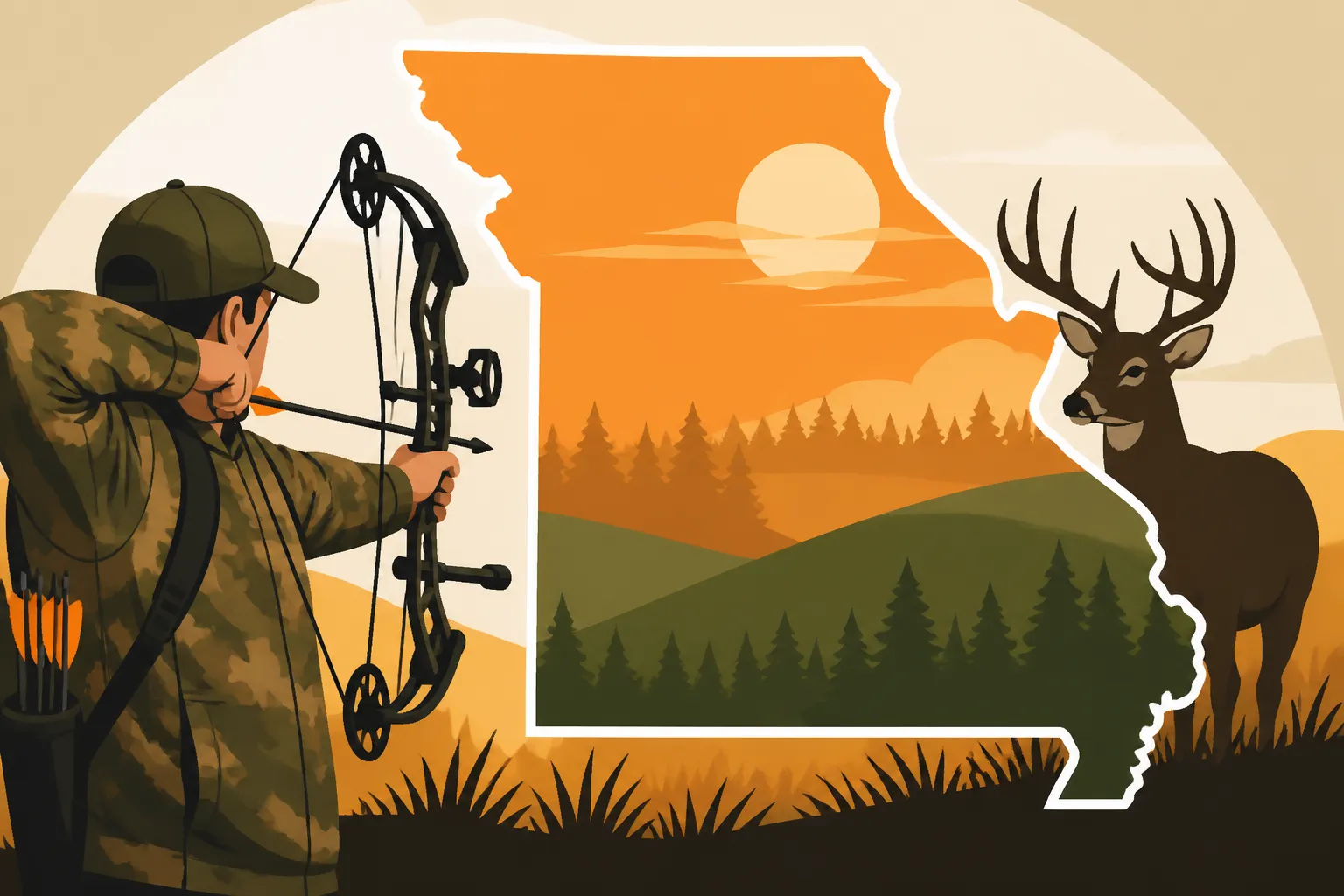
Missouri's archery deer season is a long, generous one, offering bowhunters a fantastic four-month window to pursue whitetails. However, it's not one continuous stretch, and understanding the specific opening and closing dates, as well as the crucial interruption, is key to planning your hunts effectively.
The Grand Opening: Early Archery Season Excitement
The archery deer season in Missouri typically kicks off on September 15th. For many bowhunters, this date marks the official start of fall, even if the temperatures still feel a lot like summer. There's a palpable excitement in the air as hunters finally get back into the woods, ready to implement months of scouting and preparation. This early portion of the season runs continuously from September 15th, offering a solid chunk of time to chase deer while they're still largely on their summer patterns, heavily focused on food sources like early acorns, lush browse, and agricultural fields.
During this period, deer haven't faced significant hunting pressure yet, which can make them a bit more predictable. However, the warmer weather presents its own set of challenges, from managing scent to ensuring proper meat care after a harvest. It's a time for patience and precision, often focusing on evening hunts near feeding areas or morning stands overlooking travel corridors leading to bedding. For detailed strategies on this early phase, you might find our guide on Bowhunting Missouri's Four-Month Archery Season incredibly useful. Many hunters rely on digital tools, like those offered by GoHunt, to pinpoint promising early season food plots and bedding areas on public and private lands.
The Firearms Interruption and Archery's Pause
This is where Missouri's archery season gets its distinctive "split." The continuous archery season comes to a temporary halt to make way for the immensely popular November firearms portion of deer season. Typically, this hiatus begins around November 10th and lasts for approximately eleven days, usually concluding around November 20th or 21st, depending on the year's calendar. During this specific eleven-day period, archery equipment is not a legal method for deer hunting in Missouri. It’s a complete closure for bowhunters, and you must put your stick and string away.
This break is a crucial time for many deer, as it introduces significant pressure across the landscape. The woods, which might have felt quiet and solitary for archers, suddenly become bustling with firearms hunters. This shift dramatically alters deer movement patterns, often pushing them into thicker cover or nocturnal habits. It's a necessary pause that allows the state to manage deer populations effectively with a high-harvest period. If you’ve ever wondered Why Missouri Splits Its Archery Season, this intensive management strategy is a big part of the answer.
The Late Season Comeback: Archery Reopens and Closes
Once the November firearms portion concludes, usually in the third week of November, Missouri's archery season reopens immediately. This marks the beginning of the late archery season, a period that stretches all the way through to January 15th. This second, longer segment of the archery season offers a vastly different hunting experience than the early fall. The rut has typically passed its peak, leaves are down, and cold weather has usually settled in. Deer are now focused almost entirely on securing reliable food sources and conserving energy.
The late season can be incredibly rewarding for persistent archers. Deer might be more wary due to previous pressure, but their need for calories can make them predictable around quality food. Finding standing corn, untouched bean fields, or pockets of late-dropping acorns becomes paramount. This period also often sees varying weather conditions, from crisp, clear days to biting cold and even snow, requiring different gear and strategies. Many seasoned hunters will tell you that some of the biggest bucks are harvested during this late window, after the firearms rush has subsided. Our guide on Late-Season Food Sources for Whitetails can be an invaluable resource for this part of the season.
Understanding the "Why" Behind Missouri's Archery Season Structure
Missouri's deer season isn't just a random set of dates; it's a carefully crafted system designed by the Missouri Department of Conservation (MDC) to manage the state's robust white-tailed deer population. The unique split in the archery season plays a vital role in this broader management strategy.
Balancing Hunter Opportunity and Deer Management Goals
At its heart, Missouri's long archery season (September 15th to January 15th, with a short break) is about providing maximum opportunity for hunters. Bowhunting is a challenging pursuit, often requiring more time in the woods to achieve success compared to firearms hunting. A four-month window allows archers to adapt to changing deer behavior, weather patterns, and the demands of their personal schedules. This extended season helps ensure that a significant portion of the deer population is accessible to archers.
From a deer management perspective, the MDC utilizes a multi-pronged approach. The early archery season contributes to overall harvest numbers before the peak of the rut. This early harvest can help manage local populations, especially antlerless deer, before the breeding season. The longer late archery season, particularly after the rut and the primary firearms pressure, continues to contribute to herd management, focusing again on antlerless harvest to maintain healthy deer densities and prevent overpopulation in certain areas. This balanced approach is crucial for maintaining the long-term health and vitality of Missouri's deer herd, as discussed in Missouri Deer Population Estimate.
The Impact of the November Firearms Portion
The specific timing and duration of the November firearms portion are arguably the most impactful elements of Missouri's deer management calendar. This eleven-day period is designed to achieve a significant harvest of deer, primarily through methods that allow for higher success rates over a shorter timeframe. By concentrating a large number of hunters in the woods during the peak of the rut, the MDC maximizes the chances of achieving its harvest objectives.
This concentrated effort has several effects:
- Population Control: The firearms season is the most effective tool for reducing overall deer numbers, which is essential in many parts of the state to mitigate issues like crop damage, vehicle collisions, and the spread of diseases like Chronic Wasting Disease (CWD).
- Hunter Experience: For many Missourians, the November firearms season is a deeply rooted tradition, often involving family and friends at deer camp. The MDC aims to provide a high-quality, accessible hunting experience during this popular time.
- Deer Movement: The intense pressure during these eleven days can drastically alter deer behavior. Animals become more wary, often shifting to nocturnal movement or seeking refuge in the thickest, most overlooked cover. Understanding this shift is critical for archers returning to the woods for the late season. It highlights why strategies like still-hunting or carefully choosing stand locations, perhaps on Hunting Missouri Ridge Saddles and Benches, become even more important after the firearms portion.
Essential Rules and Permits for Missouri Bowhunters
Beyond just knowing the dates, understanding the regulations and permit requirements is paramount for any bowhunter heading into the Missouri woods. The MDC has clear guidelines that ensure legal and ethical hunting practices.
Permit Requirements and Bag Limits
To hunt deer with archery equipment in Missouri, you'll need a valid Archery Deer Permit. These permits are available for both residents and nonresidents. You can purchase them online through the MDC website, at authorized vendors (like bait and tackle shops or sporting goods stores), or conveniently through the What the MO Hunting App Does on your smartphone. The permit year typically runs from March 1st to the end of February of the following year.
Here's a quick breakdown:
| Permit Type | Description |
|---|---|
| Archery Deer Permit | This is your primary permit for archery hunting. It allows you to harvest one antlered deer statewide. |
| Antlerless Deer Permit | In addition to your Archery Deer Permit, you can purchase antlerless deer permits. The number you can buy, and the counties where they are valid, vary annually based on deer management zones. These permits allow you to harvest additional antlerless deer. |
| Resident/Nonresident | Permit costs differ significantly for residents and nonresidents. Always ensure you purchase the correct permit type. |
| Youth Permits | Special youth permits are available for hunters 15 years of age or younger, often at reduced costs, and may have different regulations regarding harvest. |
Missouri's statewide bag limit for deer is two antlered deer across all portions of deer season combined (archery, firearms, alternative methods). This means if you harvest an antlered buck with your bow, you only have one antlered tag left for the entire deer season. Antlerless deer limits are much more flexible, often allowing for multiple antlerless harvests with additional permits, especially in counties where deer populations need to be managed more aggressively. Always double-check the current year's regulations on the MDC website or app for specific county limits on antlerless deer and other detailed rules, as they can sometimes change. Our article on Missouri Archery Deer Permits and Tags provides a deeper dive into these specifics.
Hunter Orange and Other Gear Considerations
One of the most common questions from bowhunters revolves around hunter orange requirements. During the archery-only portions of the season (i.e., September 15th until the start of the November firearms season, and then from the end of the November firearms season until January 15th), hunter orange is generally NOT required for archers. You can wear full camouflage if you prefer.
However, there are critical exceptions where hunter orange is required for archery hunters:
- Any overlapping firearms portion: If you are bowhunting during the Early Antlerless, Late Antlerless, Youth Portions, or the Alternative Methods Portion, and those portions allow firearms, you must wear hunter orange. This is a safety measure to ensure visibility when other hunters might be using firearms.
- Managed Hunts: Some specific managed hunts on conservation areas may have their own hunter orange requirements, regardless of the weapon used. Always check the regulations for the specific area you plan to hunt.
Even when not required by law, many archers choose to wear some form of blaze orange, especially when walking in or out of their stand, for added safety and visibility to other users of the woods, including hikers or other hunters. The MDC defines "hunter orange" as an outer garment, vest, or hat with at least 400 square inches of the color, visible from all directions. For an exhaustive explanation, see Orange Requirements for Missouri Archers.
Beyond safety, preparing your gear for the widely varying conditions of a Missouri archery season is crucial. Early season calls for lightweight, breathable layers and robust scent control strategies. As the season progresses into late fall and winter, layering systems designed for warmth, moisture-wicking, and wind protection become essential. Durable, waterproof boots are a must for navigating potentially muddy or snowy terrain, especially if you're exploring new areas after using a tool like GoHunt to scout.
Maximizing Your Success Through the Archery Season
With the dates and rules understood, let's talk about putting it all into practice. Missouri's long archery season offers incredible opportunities, but success often hinges on adapting your tactics to the changing conditions and deer behavior throughout the fall and winter.
Early Season Strategies: Beating the Heat and Finding Patterns
When the season opens on September 15th, Missouri often still feels like summer. High temperatures, thick foliage, and active insects are common challenges. Deer are typically on fairly consistent patterns, moving between bedding areas and reliable food sources. Your strategy here should focus on minimizing your impact and capitalizing on predictability.
- Food First: Early season deer are highly food-driven. Focus your scouting efforts on identifying primary food sources. This might include early-dropping acorns (especially white oaks), clover plots, alfalfa fields, or standing beans. Use tools like GoHunt or detailed aerial maps to locate these key areas. Setting up downwind of these food sources in the late afternoon can be very effective.
- Scent Control is Paramount: Warm weather means increased perspiration, making scent control an even bigger battle. Employ a rigorous scent-elimination regimen, from scent-free washes and sprays to clean hunting clothes stored in airtight containers.
- Hydration and Meat Care: Stay hydrated yourself, and plan for quick and efficient field dressing. In warm weather, getting deer meat cooled quickly is critical to prevent spoilage. You might consider using game bags and bringing ice packs if you have a longer pack out. Our guide on Getting Deer Meat Cooled Quickly is a must-read for early season success.
Navigating the Rut: October and Early November Tactics
As October progresses, the woods begin to cool, leaves change color, and the energy shifts. This is the pre-rut and peak rut period, a time of increased deer activity as bucks begin searching for does. This is often the most exciting time for bowhunters, as deer activity becomes less predictable and more dynamic.
- Scouting for Sign: Focus on finding fresh buck sign—rubs and scrapes—which indicate increased buck activity and travel corridors. These can often be found along ridge lines, creek bottoms, or the edges of dense cover.
- Calling and Decoying: During the rut, bucks are more responsive to calling (grunts, bleats, rattling) and decoys. Understanding when and how to use these tactics effectively can be a game-changer. For instance, Rattling and Grunting in the Rut can draw curious bucks into range.
- Focus on Transition Areas: Bucks will be cruising between bedding and feeding areas, often checking traditional doe hangouts. Set up stands on pinch points, saddles, and funnels that connect these areas. Locations like Hunting the Peak Rut Week in Missouri can be highly productive. Remember to maximize your time in the stand during this period, as anything can happen at any moment.
Late Season Challenges: Cold Weather and Pressure
After the November firearms season and the peak of the rut, deer patterns become much more localized and driven by survival. This late season, extending to January 15th, presents unique challenges and opportunities. Deer are wary, hungry, and focused on calorie intake.
- Finding Remaining Food: The late season becomes an all-out search for high-calorie food sources. Standing beans or corn, persistent mast crops (like red oak acorns), winter wheat fields, or brassicas plots become magnets for deer. This is where diligent scouting, potentially using the GoHunt app to identify agricultural fields, really pays off.
- Thermals and Cold Weather Gear: With leaves down and colder temperatures, thermals play a more significant role in deer movement, especially in hilly terrain. Understanding how they work and using appropriate cold-weather layering are essential for comfort and scent control during long sits. Insulated boots, hand warmers, and wind-blocking outerwear are your best friends.
- Adapting to Pressure: Deer have likely been pressured for months by this point. They'll be using thicker cover, moving more nocturnally, and avoiding open areas during daylight. Focus on areas that offer dense cover and easy access to food, often just inside timber edges or deep within secluded draws. Sometimes, finding ground others walk past, such as thick creek bottoms or steep, forgotten hillsides, can lead to untouched deer. Scouting is crucial, especially if you're hunting public land. Our guide on Scouting Missouri Public Land Before Season provides excellent insights for finding these overlooked gems.
By understanding the distinct phases of Missouri's archery season, adapting your strategies, and adhering to the regulations, you'll be well on your way to a successful and rewarding bowhunting experience from September through January.
Disclaimer
Hunting regulations, season dates, and permit requirements are subject to change. While every effort has been made to provide accurate and up-to-date information in this guide, it is the hunter's responsibility to verify all current regulations with the Missouri Department of Conservation (MDC) before engaging in any hunting activities. Always refer to the official MDC website or the latest printed regulations for the most accurate and legally binding information.