Which Missouri County Kills the Most Deer
It's a question every deer hunter in Missouri ponders, especially as they look at a map and dream of their next big whitetail adventure: "Which Missouri county kills the most deer?" It’s not just idle curiosity; knowing where the deer are, and where hunters are successfully harvesting them, can be a huge factor in planning your season, buying the right permits, and scouting effectively. This guide will dive deep into the factors that drive deer harvest numbers across our diverse state and help you understand where those opportunities often lie.
Understanding Missouri's Deer Harvest Dynamics
When we talk about deer harvest numbers, it's not simply about which county has the most deer. It's a complex interplay of deer density, habitat, land access, and hunter effort. A county might have a ton of deer, but if it's all locked up in private land with limited hunting pressure, the harvest numbers might not reflect the true population. Conversely, a county with slightly lower overall density but extensive public land and heavy hunter traffic could see a higher total harvest.
The Role of Habitat and Agriculture
Missouri is a patchwork of landscapes, from the heavily timbered Ozark hills to the fertile, flat farm country of the north and west. These different habitats dictate deer populations and behavior. In the northern and western parts of the state, abundant crop fields – think corn, soybeans, and alfalfa – provide a consistent, high-energy food source that allows deer to reach impressive body weights and antler growth. This rich nutrition supports robust deer herds.
Contrast that with the Ozarks, where the habitat is primarily timber, often with poorer soils. While deer thrive in the timber, they might not reach the same sizes as their farm-country cousins, and their densities can vary depending on food availability like acorns or browse. The presence of large, continuous timber blocks also means deer can spread out, making them harder to concentrate and harvest in some areas. For serious scouting, I find resources like the Missouri Conservation Atlas Explained invaluable for understanding the specific habitat types within a county.
Private Versus Public Land Access
Another critical piece of the puzzle is land ownership. A significant portion of Missouri is private land, and access here can dramatically influence harvest numbers. Counties with a high percentage of actively hunted private land, especially those enrolled in quality deer management programs or with landowners who embrace hunting, tend to contribute heavily to the overall harvest. These lands often have less pressure than public areas, allowing deer to establish predictable patterns.
On the other hand, public lands like Conservation Areas or portions of the Mark Twain National Forest, while offering open access, often concentrate hunter pressure. Deer on public land can become warier and more nocturnal, making them harder to harvest. However, strong public land management and good deer numbers can still result in high overall harvests in these areas due to sheer hunter volume. Understanding Missouri Deer Permits and How to Buy One is key, as permit availability can also influence hunter effort in various counties.
Hunter Density and Effort
It stands to reason that where more hunters are actively pursuing deer, more deer will be harvested. Counties that are geographically accessible to major population centers like St. Louis, Kansas City, or Springfield often see higher hunter numbers, which can drive up harvest figures even if the deer density isn't the absolute highest in the state. Proximity, ease of travel, and local hunting traditions all play a role in how many boots are on the ground.
Moreover, the popularity of specific hunting seasons can sway numbers. The Missouri's Eleven-Day November Firearms Deer Season historically sees the highest harvest numbers across the state, making counties that are prime hunting grounds during this period stand out. Hunter effort, whether it's through traditional methods or exploring Alternative Methods Deer Hunting in Missouri, ultimately contributes to the annual tally.
The Top Counties: Where Deer Harvest Numbers Soar
While specific rankings can shift slightly year to year based on weather, crop cycles, and other variables, there are definitely regions and individual counties in Missouri that consistently rank at or near the top for total deer harvest. These counties often share a combination of excellent habitat, a good deer population, and active hunter participation.
Northern Missouri Farm Country
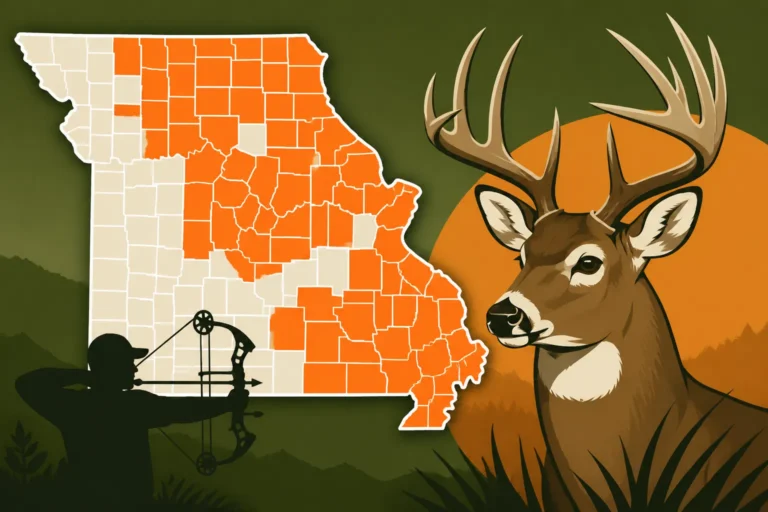
When you look at the statewide harvest reports, many counties in northern Missouri frequently appear at the top of the list. These are the counties dominated by agriculture, offering that perfect blend of nutrition and cover that whitetails absolutely thrive in. Areas like Boone, Callaway, Pike, Lincoln, and Macon counties are often powerhouse producers.
These counties typically boast:
- Abundant Food Sources: Vast tracts of corn and soybeans provide an endless buffet for deer, leading to healthy populations and excellent body condition.
- Edge Habitat: The transition zones between crop fields and timbered draws, fencerows, and creek bottoms create ideal travel corridors and bedding areas.
- High Deer Density: With consistent food and good cover, deer herds in these areas often reach high densities, making successful hunts more likely.
- Private Land Management: Many landowners in these agricultural regions actively manage their property for deer, contributing to a strong overall harvest.
A seasoned hunter targeting big bucks might focus on Hunting North Missouri's Big-Buck Farm Country precisely because these conditions not only support high numbers but also trophy potential. Using tools like GoHunt can help you scout these agricultural areas, identifying key pinch points, timbered draws, and cover that deer might be using between fields.
Central Missouri Transitional Zones
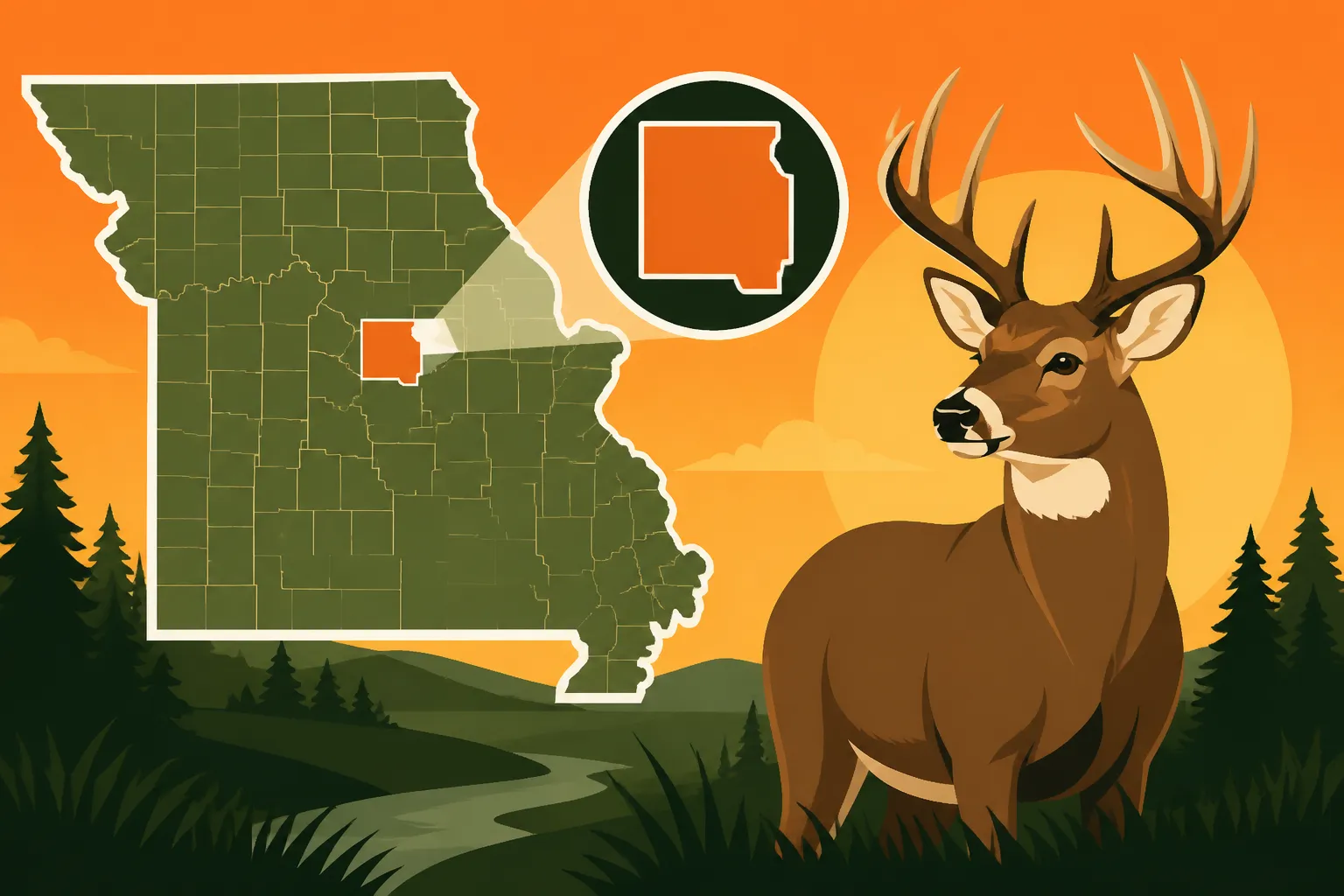
Central Missouri, where the Ozarks begin to merge with the northern farm country, also holds some consistent performers. Counties like Benton, Morgan, and Moniteau offer a mix of timber, pasture, and smaller agricultural plots. This diverse habitat can provide excellent deer hunting opportunities.
What makes these transitional counties strong?
- Mixed Habitat: You get the best of both worlds – agricultural food sources combined with the security and cover of more extensive timber.
- Less Pressure Than Pure Ag: While still popular, some of these areas might experience slightly less overwhelming hunter pressure than the prime northern farm counties, though this varies greatly by specific location.
- Good Road Access: Often, these counties are well-served by roads, making access to various hunting spots relatively easy.
These areas can be fantastic for hunters who appreciate varied terrain and the challenge of adapting to different habitat types. Scouting here might involve looking for Hunting a Missouri Fencerow Between Fields or finding secluded pockets of timber that offer security.
Ozark Fringe and River Breaks
Even though the deep Ozarks might not have the same raw harvest numbers as the farm belt, the northern and western fringes of the Ozarks, and areas along major river breaks (like the Missouri River), can still be excellent. Counties like Cole, Osage, and Franklin often post impressive numbers due to a combination of factors.
These regions benefit from:
- River Bottom Agriculture: Productive bottomland fields along rivers provide critical food sources.
- Steep Timbered Bluffs: The rugged bluffs and timbered hills offer security cover adjacent to food, creating classic deer habitat.
- Less Hunter Competition (in some pockets): While popular, the challenging terrain can sometimes spread hunters out, allowing for more undisturbed deer activity in certain areas.
If you're interested in Deer Hunting the Missouri Ozarks, these fringe areas can offer a bridge between the heavily agricultural north and the wilder, more remote parts of the state.
Beyond Raw Numbers: What Makes a Great Hunting Spot
While harvest numbers are a great indicator of deer activity, they don't tell the whole story. A county topping the harvest charts might be incredibly popular, leading to crowded public lands or hard-to-gain private access. For many hunters, the quality of the hunting experience goes beyond just the total number of deer taken.
Deer Density vs. Hunter Density
A high harvest count often means a high deer population, but it also usually means a high hunter population. If you're looking for solitude or less pressured deer, a top-tier harvest county might not always be your best bet, especially during peak seasons like the firearms portion. Sometimes, a slightly lower-harvest county with extensive public land and less overall pressure can offer a more rewarding hunt.
Consider using tools like GoHunt to cross-reference known public hunting areas with historical harvest data. This can help you identify areas that consistently produce deer but might not be as widely advertised, potentially leading to a more exclusive experience.
Trophy Potential
A county can have a high deer harvest, but that doesn't necessarily mean it's producing the biggest bucks. While some top-harvest counties in northern Missouri are indeed renowned for their trophy potential due to nutrition, other areas might contribute heavily to the antlerless harvest to manage populations, impacting the average antler size.
If your goal is a Boone & Crockett contender, you'll want to dig deeper than just total harvest. Research into Where Missouri's Biggest Bucks Come From often points to specific regions and even counties with long histories of producing large, mature whitetails, often linked to intensive quality deer management efforts on private lands.
Consistent Opportunity Year After Year
Rather than focusing solely on the #1 county for a single year, many hunters prefer counties that offer consistent opportunities. These are the places that, year in and year out, reliably produce good harvest numbers and provide a quality hunting experience. Consistency speaks to stable deer populations, well-managed habitat, and a balance between hunter access and deer security.
For me, consistency is key. I'd rather hunt a county that’s always in the top 10-15 than one that rockets to the top one year and falls off the map the next. That consistency usually means the underlying factors are strong and resilient.
Planning Your Hunt in High-Harvest Areas
So, you've identified some counties that consistently show strong deer harvest numbers. Now what? Planning your actual hunt in these areas requires a bit more than just pointing to a county on a map.
Research Specific Areas and Land Types
Within any high-harvest county, there will be a variety of land types. Will you be hunting private land with permission, or targeting public access? If public, which Conservation Areas or National Forest tracts are you considering? Each area, even within the same county, can have unique regulations and hunting pressure dynamics.
A deep dive into the Missouri Conservation Atlas is a fantastic starting point. It provides detailed maps and information about public lands. For private land, it's about building relationships, knocking on doors, and getting permission – which is often easier said than done in popular hunting areas.
Here's a quick comparison of general characteristics you might find in different high-harvest counties:
| County Type | Primary Habitat | Typical Deer Density | Hunter Pressure | General Access Type | Trophy Potential |
|---|---|---|---|---|---|
| North Missouri Farm | Crop fields, timbered draws | High | High (Private) | Primarily private | High |
| Central Transitional | Mixed timber, fields | Medium-High | Medium-High (Mixed) | Mixed private/public | Medium-High |
| Ozark Fringe | Timbered bluffs, river bottoms | Medium | Medium (Mixed) | Mixed private/public | Medium |
Scouting and Adaptability
Just because a county has high harvest numbers doesn't mean deer will be walking around everywhere. Effective scouting is paramount. This means knowing Scouting Missouri Public Land Before Season, identifying food sources, bedding areas, and travel corridors. In high-pressure areas, deer quickly learn to avoid human activity, becoming more nocturnal or seeking out dense, overlooked cover.
You'll need to adapt your strategies. For example, Hunting the Missouri Rut in Early November might mean focusing on rattling and grunting in areas where deer movement is less predictable due to hunter pressure. Using aerial photos, readily available through apps or services like GoHunt, can help you pick apart satellite imagery, identify potential bottlenecks, and plan your approach long before you ever set foot in the woods.
Permit Requirements and Regulations
Finally, always double-check the specific permit requirements and regulations for the county you plan to hunt. While most of Missouri operates under general statewide rules, there can be county-specific antlerless permit availability or CWD sampling requirements. Ignorance of the law is never an excuse, so staying informed about Missouri Deer Season Portions Explained and any changes is crucial. The Missouri Department of Conservation website is your best friend here, providing up-to-date information on all regulations.
Ultimately, while the raw harvest numbers can point you in the right direction, a truly successful hunt in any Missouri county comes down to preparation, understanding deer behavior, and a good dose of persistence. Good luck out there, and may your cooler be full!
Disclaimer
This article is for general informational purposes only and does not constitute professional advice. Laws, prices and regulations vary by location and change over time. Consult a qualified professional for guidance on your specific situation.