Greater Prairie-Chicken Numbers in Missouri
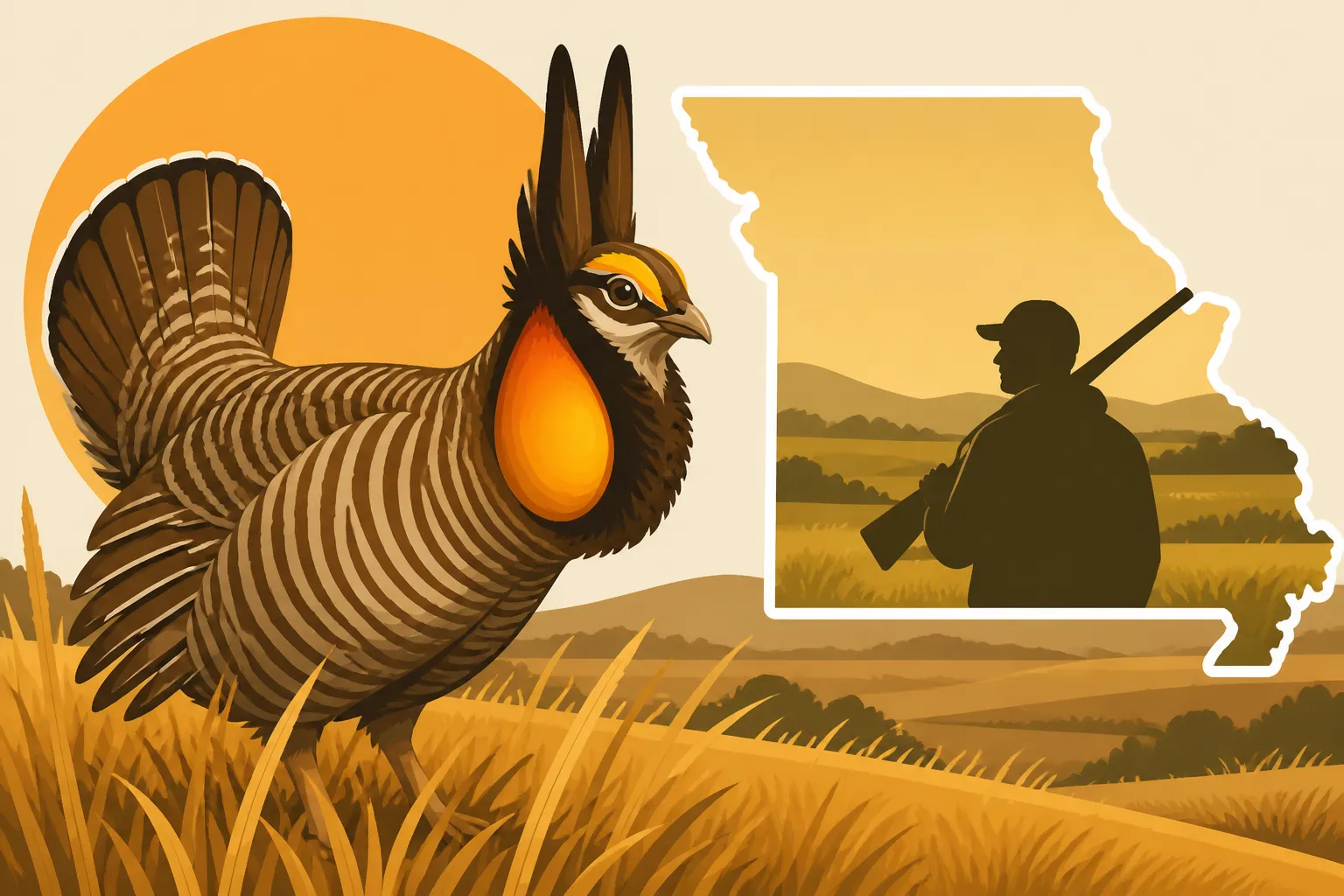
It's heartbreaking to think about how much of Missouri's natural heritage has changed, and for many, the idea of a wild prairie chicken booming across the plains is a story from a bygone era, not a present reality. The truth is, these incredible birds are still here, though their numbers are incredibly low, and their future hangs in a delicate balance. This guide will walk you through the history of greater prairie-chicken numbers in Missouri, the challenges they face today, and the dedicated efforts to bring them back from the brink, offering a realistic look at a truly iconic grassland species.
A Glimpse into the Past: Where Missouri's Prairie Chickens Once Roamed
To understand the current state of greater prairie-chicken numbers in Missouri, you first have to cast your mind back to what the landscape looked like before settlers arrived. It’s hard to imagine now, but vast expanses of tallgrass prairie once dominated much of the northern and western parts of our state. These weren't just fields of grass; they were complex, vibrant ecosystems teeming with life, from bison and elk to a dizzying array of insects and birds. The greater prairie-chicken wasn't just present; it was a cornerstone species, its distinctive booming call a regular soundtrack to spring mornings across millions of acres.
The Tallgrass Prairie Ecosystem
Picture a sea of big bluestem and switchgrass, often taller than a person, stretching for miles, dotted with wildflowers that painted the landscape in seasonal hues. This was the original Missouri, a true grassland state where fire, drought, and grazing animals shaped a resilient ecosystem. The greater prairie-chicken thrived in this environment because it provided everything they needed: dense cover for nesting and protection from predators, open areas for booming grounds (leks) where males performed their elaborate courtship rituals, and a diverse diet of seeds, insects, and tender green shoots. They were truly an indicator species; where the prairie chickens boomed, you knew the tallgrass prairie was healthy and expansive. It was a sight, and a sound, that modern generations can only dream of experiencing in its full glory.
The Inevitable Decline: Habitat Loss and Fragmentation
The story of the prairie chicken's decline is, unfortunately, a familiar one for many grassland species. As settlers moved west, the rich, fertile soils of Missouri's prairies proved irresistible for agriculture. Plows turned millions of acres of native tallgrass into corn, soybeans, and wheat fields. This wasn't a slow erosion; it was a rapid transformation. What little native prairie remained became fragmented, cut into smaller, isolated patches by roads, fences, and development. Prairie chickens, which require large, contiguous blocks of grassland, simply couldn't adapt to these changes. The loss of breeding habitat, winter cover, and crucially, the expansive tracts needed for booming grounds, dealt a catastrophic blow. While early unregulated hunting also played a small role, it was undeniably the wholesale conversion of their ancestral lands that truly sealed their fate, shrinking their numbers from what were once likely millions to mere hundreds.
Where the Prairie Chicken Stands Today: Sparse Pockets and Fragile Futures
Fast forward to today, and the greater prairie-chicken is one of Missouri's most endangered birds. The booming grounds are no longer widespread; instead, they are precious, isolated pockets where dedicated conservation efforts are fighting an uphill battle. It's a sobering reality, but also a testament to the resilience of these birds and the passion of those working to save them.
Current Population Estimates and Key Strongholds
The numbers are stark: Missouri's greater prairie-chicken population is measured in the hundreds, not the thousands. These aren't precise counts, mind you, as these birds are notoriously shy and spread out, but annual surveys give us a realistic picture. The last strongholds for these birds are primarily concentrated in a few specific regions of western and northern Missouri, centered around large tracts of conserved land. Areas like Taberville Prairie Conservation Area Access in St. Clair County, Wah'Kon-Tah Prairie in Autumn in St. Clair and Vernon counties, and certain other Missouri Prairie Conservation Areas managed by the Missouri Department of Conservation (MDC) are critically important. These areas represent the last best hope, large enough (in Missouri terms, at least) to sustain breeding populations and provide the necessary habitat. When scouting these rare landscapes, detailed mapping tools, such as those offered by GoHunt, can provide valuable insights into terrain, cover, and potential habitat corridors, helping conservationists and curious observers alike understand the nuances of these vital strongholds.
Here’s a snapshot of the population trend (conceptual, as exact annual numbers fluctuate and are not released publicly in detail, but this illustrates the decline and current status):
| Time Period | Estimated Population Range | Primary Range Characteristics |
|---|---|---|
| Pre-European Settlement | Millions | Widespread across most of northern and western Missouri |
| Early 1900s | Tens of Thousands | Declining, confined to larger prairie remnants |
| Mid-20th Century | Thousands | Isolated, fragmented populations |
| Early 21st Century | Hundreds | Restricted to core managed prairie conservation areas |
| Present | 200-500 (approx.) | Extremely localized, highly dependent on conservation efforts |
Challenges to Recovery: The Uphill Battle
The path to recovery for greater prairie-chickens is fraught with significant challenges. It's not as simple as just planting some grass. First and foremost is the sheer quantity and quality of habitat. Prairie chickens need vast, contiguous blocks of high-quality grassland, something that is increasingly rare in an agriculturally dominant state. Small, isolated patches mean limited genetic diversity, making populations more vulnerable to disease and environmental changes. They thrive on the interior of large grasslands, far from disturbance.
Predation is another huge hurdle. In fragmented landscapes, predators like coyotes, raccoons, and raptors have easier access to nests and adult birds along the "edge" habitat where prairies meet forests or crop fields. What was once a balanced predator-prey relationship in a vast prairie becomes skewed when their habitat shrinks. Consider too the impact of Missouri Feral Hog Elimination efforts, as hogs can also be nest predators. Furthermore, climate change presents an evolving threat, with altered rainfall patterns potentially impacting nesting success or insect populations critical for poult survival. The combination of these factors makes every nesting season, every hatch, every successful brood incredibly important for these fragile populations.
Conservation Efforts: A Beacon of Hope in the Grasslands
Despite the steep challenges, there is hope, fueled by dedicated conservationists and a passionate desire to ensure the greater prairie-chicken doesn't become just a historical footnote. The Missouri Department of Conservation (MDC) and numerous partners are tirelessly working to manage and expand the remaining prairie habitats, demonstrating a long-term commitment to these iconic birds.
MDC's Role and Restoration Initiatives
The MDC plays a pivotal role in the ongoing effort to conserve greater prairie-chickens. Their strategy centers heavily on habitat acquisition and management. This includes purchasing former agricultural lands and restoring them to native tallgrass prairie through intensive plantings of native grasses and wildflowers. Prescribed fire is a critical management tool, mimicking the historical role of natural wildfires to rejuvenate grasslands, control invasive species, and create the diverse vegetation structure prairie chickens need for nesting and foraging. The MDC also works closely with private landowners, offering technical and financial assistance to encourage the adoption of prairie-friendly land management practices, recognizing that private land makes up a significant portion of potential habitat. For those interested in understanding these management practices or even locating these special areas, the Missouri Conservation Atlas can be an invaluable tool. Learning about Missouri Quail Restoration Landscapes also provides context, as many of these grassland birds benefit from similar conservation efforts.
Public Involvement and Future Prospects
The future of the greater prairie-chicken in Missouri isn't solely in the hands of conservation agencies; it requires broad public understanding and support. Hunters and non-hunters alike can contribute by purchasing hunting permits and conservation stamps, as a portion of these funds directly supports wildlife management and habitat acquisition, including for non-game species like prairie chickens. Advocating for grassland conservation, supporting organizations that focus on prairie restoration, and simply learning more about these birds are all vital. While we may never see prairie chickens in the millions again, sustained and dedicated efforts could help solidify the populations in their remaining strongholds and potentially allow for slow, cautious expansion. Understanding the topography and ecological zones of these areas, perhaps through detailed mapping applications like those from GoHunt, can help enthusiasts identify critical habitat features and track conservation progress. It's a testament to the spirit of Missouri hunting and conservation that we're fighting so hard for a species that is not hunted, simply because its presence enriches our natural world. While the numbers remain low, the commitment to their survival burns bright.
Disclaimer
This article is for general informational purposes only and does not constitute professional advice. Laws, prices and regulations vary by location and change over time. Consult a qualified professional for guidance on your specific situation.