Missouri Prairie Conservation Areas
When many of us think about hunting public land in Missouri, our minds immediately conjure images of dense hardwood timber, winding creek bottoms, or the rugged hills of the Ozarks. We picture treestands, ground blinds nestled into thick cover, and the quiet patience required to ambush a deer or intercept a gobbler. But if you’re overlooking Missouri's incredible prairie conservation areas, you're missing out on a truly unique and often productive hunting experience. This guide will walk you through the distinct world of prairie hunting, helping you understand where to go, what to hunt, and how to adapt your strategies for these wide-open, grassy expanses.
Stepping Onto the Sea of Grass: What Defines Missouri's Prairie Landscapes for Hunters
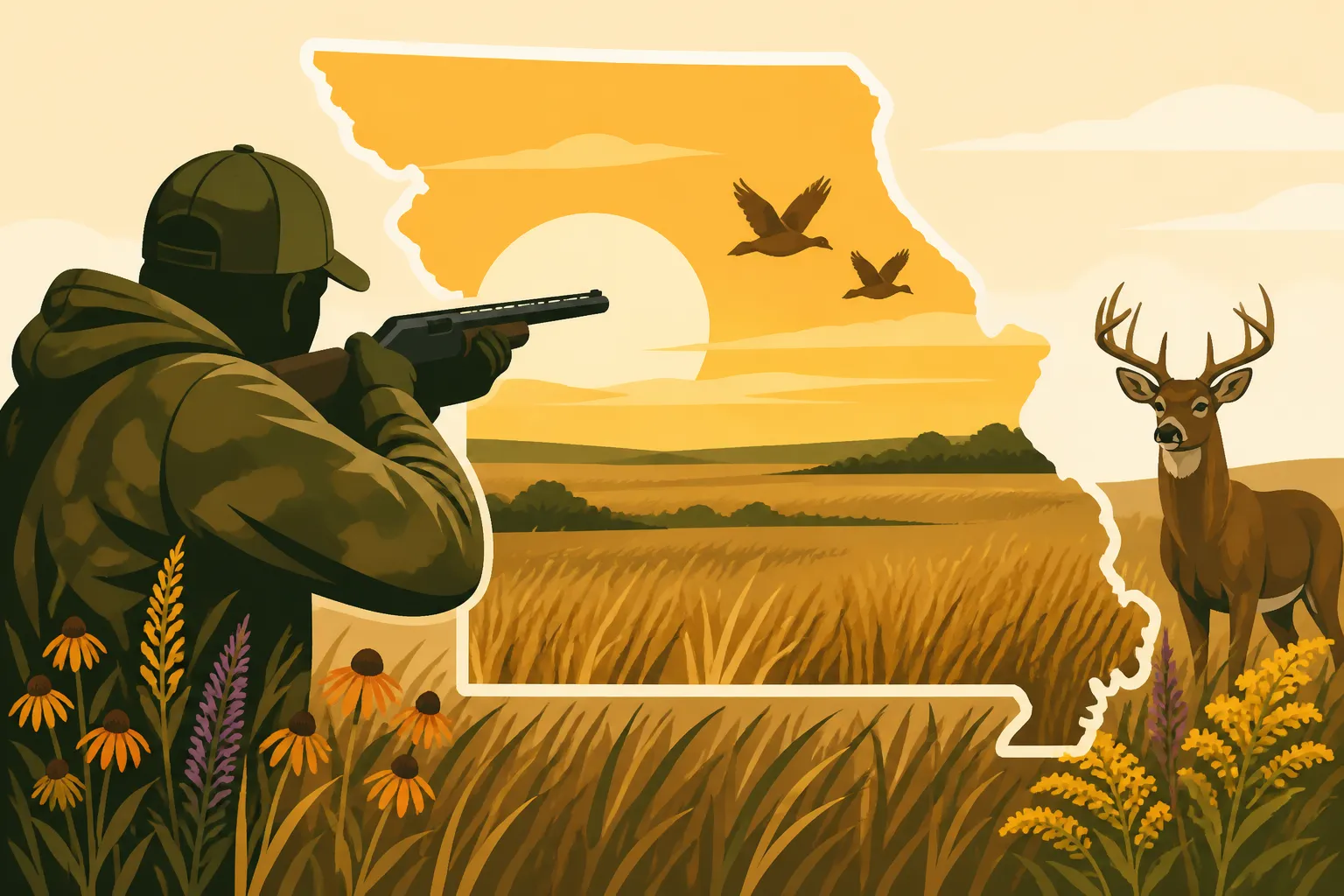
Missouri's landscape is incredibly diverse, and while much of the state is forested or cultivated, pockets of native prairie still exist, often preserved and managed by the Missouri Department of Conservation (MDC). These areas offer a stark contrast to the timber, presenting a completely different challenge and reward for hunters. Forget dense woods; here, you're looking at vast expanses of tall grasses, wildflowers, and scattered brush, often punctuated by subtle draws and small stands of timber that offer the only significant cover.
The Unmistakable Habitat of Native Prairies
Native prairies are ecosystems defined by their grasses—big bluestem, switchgrass, indiangrass—and a kaleidoscope of wildflowers. These aren't just overgrown pastures; they are complex biological communities that have evolved over millennia with fire and grazing. For hunters, this translates to specific types of cover. Instead of tree lines and thickets, you're navigating a "sea of grass" that can be chest-high or taller in places, offering incredible concealment for game. The terrain might appear flat from a distance, but subtle swales, dips, and shallow draws become critical travel corridors and bedding areas for wildlife.
The management of these areas often involves prescribed burns, rotational grazing, and targeted brush removal, all designed to mimic natural processes and maintain the health of the prairie. These practices directly impact where game will be found. A recently burned section might be less attractive to deer seeking cover, but it could offer new growth that attracts foraging animals. Conversely, a section with taller, denser grass that hasn't seen fire in a few years will be prime bedding cover for deer and excellent nesting and escape cover for upland birds. Understanding these habitat nuances is key to hunting success here. You'll quickly learn to appreciate the subtle changes in grass height, the presence of plum thickets, or the occasional cedar clump as vital pieces of the puzzle.
A Different Kind of Game: Species Thriving in Open Spaces
While deer are certainly present on prairie conservation areas, the species that truly define these habitats for hunters are upland birds and small game. Missouri's native prairies are critical strongholds for Northern Bobwhite Quail in Missouri. Walking a prairie in the fall with a good bird dog, waiting for that explosive covey rise, is an experience unlike any other. You'll also find ring-necked pheasants in the northern parts of the state where prairies transition into agricultural lands, though their numbers are more localized.
Beyond the birds, rabbits are incredibly abundant in these areas, especially where there's a mix of taller grass, brush piles, and fencerows. When Missouri Rabbit Season Runs often coincides with quail season, making a mixed-bag hunt a real possibility. Deer, particularly whitetails, have adapted to prairie life by utilizing the densest cover for bedding and the scattered timber for staging and travel. You might not see them at first, but they are there, hunkering down in the tall grass. Coyotes and other furbearers also thrive in these open environments, drawn by the abundance of small game. The wide-open nature of prairies allows for long-range visibility, which can be an advantage for spotting game, but also means game can spot you from a distance too, adding to the challenge.
Navigating the Open Plains: Finding and Understanding Prairie Conservation Areas
Stepping into a prairie can feel a bit disorienting if you’re used to the defined edges and landmarks of timber. The sheer vastness can be intimidating, but with the right tools and a solid understanding of the rules, you can unlock some fantastic hunting opportunities. The key is knowing how to find these areas and then how to interpret what you find.
Mapping Your Way to Missouri's Prairie Gems
The first step to finding any public hunting land in Missouri, especially prairies, is to consult The Missouri Conservation Atlas. This invaluable resource, available from the MDC, provides detailed maps of all conservation areas. However, for real-time navigation and boundary lines, digital mapping tools are an absolute game-changer. Tools like onX Hunt are indispensable for prairie hunters. You can layer satellite imagery, property boundaries, and even topography to identify those subtle draws, isolated clumps of timber, or patches of denser grass that game will utilize.
Before you even leave your couch, you can use these apps to virtually "walk" the property. Look for features that break up the monotony of the grass: old farmsteads, plum thickets, small ponds, or even subtle changes in elevation that might offer a thermal advantage to bedding deer. onX Layers for Missouri Land Status can show you exactly where the public land ends and private property begins, which is crucial in areas where fields and prairies might butt up against each other. Planning your approach, understanding the wind, and identifying potential escape routes for game are all made infinitely easier with good mapping software. Don't forget to download offline maps, as cell service can be spotty in some of these more remote locations.
Deciphering Regulations and Special Management Practices
Just like any conservation area, Missouri's prairie lands come with specific regulations you absolutely need to understand. While general MDC rules apply—like those found in Missouri Conservation Area Rules—many prairie CAs have their own unique local provisions. The best way to get this information is by checking the specific area brochure, which can usually be found online through the MDC website or sometimes printed at kiosks on the property itself. Reading a Missouri Area Brochure is not just a suggestion; it's a requirement for ethical and legal hunting.
For example, some prairie areas might have specific seasons for certain game, restrictions on vehicle access beyond designated parking areas, or even rules about hunter orange requirements during different portions. Pay close attention to signage at the area entrance. You might also encounter active management practices like grazing cattle (which helps maintain prairie health) or ongoing prescribed burns. Be aware of these activities and plan your hunts accordingly. Understanding these nuances, especially when it comes to Hunting Pressure on Missouri Public Ground, can help you find areas that might be less frequented by other hunters. Some areas might even be enrolled in special programs that affect public access or hunting methods, so always check before you go.
Hunting Strategies for the Missouri Prairie
Hunting prairies requires a significant shift in mindset and tactics compared to timber hunting. The open visibility changes everything, from how you approach a field to how you set up your shot. It's about understanding the subtle ways game uses sparse cover and how to move effectively through vast, unbroken landscapes.
Upland Bird and Small Game Tactics: Walking the Cover
For upland birds like quail and pheasant, prairie hunting is fundamentally a walking game, ideally with a good bird dog. The key is to cover ground methodically, working edges where prairie meets crop fields, timber, or brushy draws. These transition zones often hold the highest densities of birds seeking both food and cover. When hunting Walking Missouri Quail Country, you'll learn to look for dense clumps of switchgrass, plum thickets, or even old fencerows that provide critical escape cover. Don’t just walk in straight lines; instead, zigzag through the taller grasses, paying close attention to any changes in cover density or topography.
A good pair of brush pants and sturdy boots are non-negotiable for pushing through thick grass and thorny briars. Carrying enough water, especially on warmer days, is also vital for both you and your dog. When a covey flushes, the action is fast and exhilarating. Be ready for rapid, often close-range shots. For rabbits, focus on areas with a good mix of tall grass and briar patches or brush piles. Rabbit Hunting Brush Piles is a classic tactic, and prairies often have these scattered throughout, providing perfect rabbit habitat. Remember to spread out if you're hunting with a group to maximize coverage and safely move game.
Deer Hunting in Open Country: Adapting to the Landscape
Deer hunting on prairies presents a unique challenge. While big timber hunters might focus on pinch points and ridges, prairie deer hunters must think differently. Deer in these environments are masters of using even the most subtle cover. They will bed down in the tallest, thickest grass, seemingly invisible, relying on their keen senses and the vastness of the landscape for safety. Scouting, even virtual scouting with tools like GoHunt, becomes paramount. Look for drainages, even shallow ones, that provide a slight depression for travel. Isolated tree lines, small woodlots, or plum thickets become magnets for deer movement and bedding.
Archery hunting can be particularly challenging, requiring careful wind assessment and extremely cautious approaches. Ground blinds brushed into existing cover, or even pop-up blinds carefully placed along known travel routes, can be effective. During firearm seasons, long-range shooting skills become more important. Understanding the terrain, knowing your limits, and having a solid shooting rest are critical. Still-hunting can be effective on windy days when deer are hunkered down, but it requires extreme patience and a slow, deliberate pace. Consider how deer will use the wind; they often bed with the wind at their back, allowing them to smell danger from behind while watching ahead. Wind and Thermals in Ozark Hills principles might not perfectly apply, but understanding air movement across open plains is still vital.
Table: Comparing Prairie vs. Timber Hunting Challenges
| Feature | Prairie Hunting Challenges | Timber Hunting Challenges |
|---|---|---|
| Visibility | Extremely open, game can see you from afar; long shots possible | Limited visibility, close-range shots; game can sneak in close |
| Cover | Tall grasses, subtle draws, scattered brush, isolated timber | Dense hardwoods, thickets, cedars, creek bottoms |
| Navigation | Vast, often featureless; easy to get disoriented without GPS | Defined landmarks, but thick cover can make travel slow |
| Game Focus | Upland birds (quail, pheasant), rabbits, deer, coyotes | Deer, turkey, squirrels, rabbits, predators |
| Hunting Style | Primarily walking, driven hunts; long-range observation | Stand hunting (treestand/ground blind), still-hunting |
| Weather | Exposed to wind, sun, and cold; rapidly changing conditions | More sheltered from wind; can feel colder/damper due to shade |
| Noise | Rustling grass can be loud; less forgiving of movement noise | Crunching leaves, snapping twigs; difficult to move silently |
Notable Prairie Conservation Areas to Explore
Missouri is home to several incredible prairie conservation areas, each offering a slightly different flavor of this unique habitat. These aren't just random fields; they are carefully managed ecosystems that preserve a vital piece of Missouri's natural heritage and provide fantastic hunting opportunities.
Taberville Prairie: A Flagship for Bobwhites and Beyond
Located in St. Clair County, Taberville Prairie Conservation Area is often considered one of Missouri's crown jewels for native prairie. It's a vast expanse, encompassing thousands of acres of tallgrass prairie, scattered timber, and savanna habitat. For many, Taberville Prairie Conservation Area Access means prime quail hunting. The sheer size and habitat diversity make it an exceptional spot to pursue bobwhites, especially if you have a dog. The management here is geared towards creating ideal conditions for grassland birds, so you'll find a mosaic of habitat types from recently burned sections to areas with dense, mature grass.
Deer hunting at Taberville can also be incredibly rewarding, though it requires a more strategic approach. Deer here often utilize the edges of the prairie where it meets timber, or they might bed down deep within the tallest grass. Scouting specific draws or small, isolated stands of trees before the season is critical. Due to its reputation, Taberville can see significant pressure, particularly during opening weekends for upland birds or the Missouri Firearms Deer Portion Dates. However, its vastness means that if you're willing to walk a considerable distance from the parking areas, you can often find solitude and undisturbed game.
Wah'Kon-Tah Prairie and Other Hidden Gems
Further west, in St. Clair and Vernon counties, you'll find Wah'Kon-Tah Prairie, another significant example of Missouri's tallgrass prairie. Managed in partnership with the Nature Conservancy, Hunting Wah'Kon-Tah Prairie in Autumn offers a similar experience to Taberville, with excellent opportunities for quail and deer. These areas are vast, and you can truly get a sense of the "sea of grass" here, with sweeping views and endless horizons. The beauty alone is worth the trip, even before you consider the hunting.
Beyond these well-known areas, numerous smaller prairie or savanna conservation areas are scattered across Missouri, particularly in the central and western parts of the state. Many of these areas are less heavily trafficked, offering a more intimate hunting experience. Some are specifically managed for Missouri Quail Restoration Landscapes, providing insight into the ongoing efforts to bring back these iconic birds. You might find a small, overlooked prairie CA that holds a surprising number of rabbits or a decent deer herd simply because it doesn't have the same reputation as a larger area. Don't be afraid to use your mapping tools to discover these "hidden gems" and then check their specific regulations before heading out. Sometimes, the most rewarding hunts are found on the less-traveled paths.
The Prairie Hunter's Toolkit: Gear and Considerations for Success
Successful prairie hunting isn't just about understanding the game; it's also about being prepared for the unique environment. The open nature of these lands and the specific demands of traversing them mean that certain gear choices become far more critical than they might be in a dense timber setting.
Essential Gear for Exposure and Long Walks
When you're out on the prairie, there's little to shield you from the elements. This means layering clothing is essential, especially for Clothing for a Missouri November, where temperatures can swing wildly. Wind can be a constant factor, so wind-blocking outer layers are a must. Sun exposure is also significant, even on cooler days, so a wide-brimmed hat and sunscreen can prevent a miserable sunburn. When Missouri Hunter Orange Rules apply, make sure your orange is clearly visible from all directions, as you'll be seen from a long distance.
Footwear is arguably the most critical piece of gear for prairie hunting. You'll be walking, and often walking a lot, through uneven terrain and thick cover. Durable, comfortable, and waterproof boots are non-negotiable. Look for boots with good ankle support to prevent twists and turns in hidden ruts or uneven ground. Boots for Walking Ozark Rock would be a good starting point for reference, even though prairies are different, the emphasis on durability and support remains. A comfortable day pack with plenty of water, snacks, a first-aid kit, and perhaps even a small rain jacket or an extra layer is also vital. Consider a GPS unit or a fully charged phone with a reliable mapping app like GoHunt, as it's surprisingly easy to get disoriented in seemingly featureless terrain.
Respecting the Resource: Ethical Hunting in Fragile Ecosystems
Hunting on Missouri's prairie conservation areas carries a special responsibility. These are often fragile ecosystems, and it's imperative that hunters minimize their impact. Always practice Leave No Trace principles: pack out everything you pack in, and leave the area cleaner than you found it. Be mindful of fragile prairie plants and the efforts made to restore these habitats. Stick to established trails or natural breaks in the cover where possible, especially if the ground is wet and susceptible to rutting.
Respecting other users is also key. Prairies are popular for birdwatching, hiking, and other outdoor activities. Always be aware of your surroundings, clearly identify your target, and know what's beyond it. If you're hunting with a dog, ensure it's under control and doesn't harass other wildlife or people. Finally, educate yourself on Missouri Wildlife Disease Monitoring and report any unusual animal behavior. By being prepared, knowledgeable, and respectful, you can enjoy the incredible hunting opportunities that Missouri's prairie conservation areas offer while ensuring these special places remain vibrant for generations to come.
Disclaimer
This article is for general informational purposes only and does not constitute professional advice. Laws, prices and regulations vary by location and change over time. Consult a qualified professional for guidance on your specific situation.