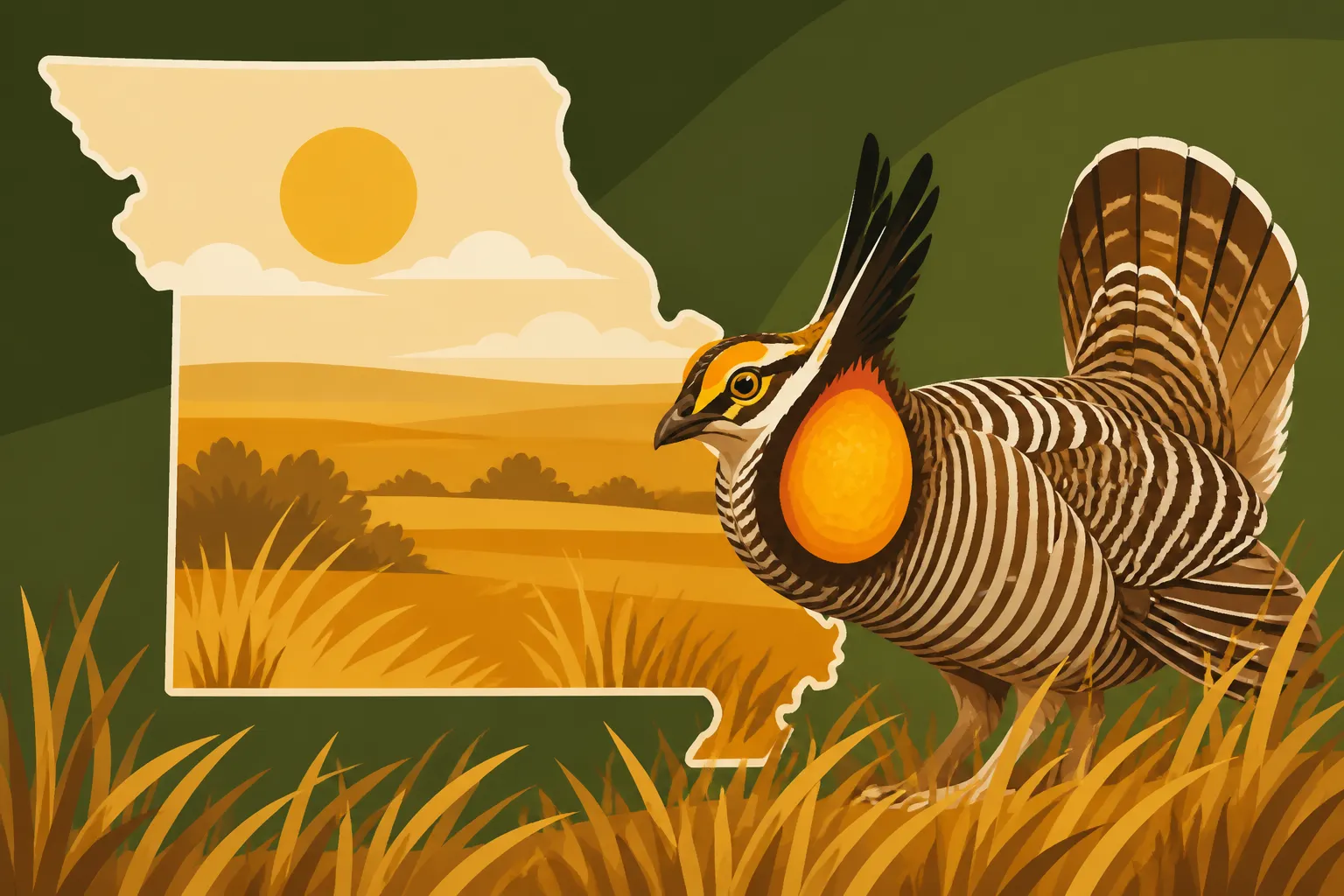
Where Missouri Prairie Chickens Remain
It's a stark reality that some of Missouri's most iconic wildlife has faced immense challenges over the centuries, and few species tell that story quite like the greater prairie-chicken. What was once a common sight across our vast native grasslands is now confined to precious, painstakingly managed pockets. This guide will take you through the history of these magnificent birds, the reasons for their decline, and most importantly, pinpoint the rare and special places where you can still find these remarkable feathered dancers in our great state.
Understanding the Prairie Chicken's Plight in Missouri
To truly appreciate the few remaining places where prairie chickens thrive, we first have to understand the journey that brought them to the brink. It’s a classic tale of habitat loss, one that echoes with the struggles of many grassland species across the Midwest.
Historical Abundance and Habitat Loss
Imagine Missouri as it once was: a sea of tallgrass prairie, stretching for miles across the northern and western parts of the state. This was the undisputed domain of the greater prairie-chicken. Historical accounts suggest they were so abundant, especially during the spring mating season, that their booming calls would carry for incredible distances, a constant chorus across the landscape. Flocks could number in the hundreds, painting a picture of a vibrant, wild Missouri that is hard for us to grasp today.
However, the relentless march of settlement and agriculture quickly began to chip away at this natural abundance. As settlers arrived, the rich prairie soils were recognized for their incredible fertility. Sod was broken, fields were tilled, and towns sprung up. The vast, unbroken expanses of prairie were fragmented into smaller and smaller pieces, like a patchwork quilt that eventually became threadbare. This wasn't just about losing grass; it was about losing an entire ecosystem. Prairie chickens need vast, interconnected tracts of tallgrass for nesting, brooding young, and winter cover. The subtle shifts in plant diversity, the insects they rely on for protein, and the sheer scale of the landscape all contributed to their decline. They simply couldn't adapt to a world dominated by row crops and fence lines. This fragmentation meant that even if small pockets of suitable habitat remained, they were often too isolated to support a viable, healthy population, making them incredibly vulnerable to harsh winters or disease.
Why They Matter: A Keystone Species
The prairie chicken isn't just another bird; it's a charismatic icon of the tallgrass prairie ecosystem. Its presence is a strong indicator of the health and integrity of that native grassland. When prairie chickens are thriving, it means the entire ecosystem—from the wildflowers and native grasses to the countless insects and other ground-nesting birds like bobwhite quail—is also doing well. They are what we call a "keystone species" in their habitat, meaning their existence supports and is intertwined with so many other components of the prairie.
Their unique mating ritual, known as "booming," is an incredible natural spectacle. Males gather on traditional display grounds called leks, where they perform elaborate dances, puff out bright orange air sacs, and emit deep, resonant calls that carry far across the prairie. It's a primal, awe-inspiring display that connects us to a wilder past. Losing the prairie chicken means losing a vital piece of Missouri's natural heritage, a living link to the landscapes that shaped our state. Their struggle reminds us of the delicate balance of nature and the profound impact human activity can have on even the most resilient species. Protecting them is about protecting an entire way of life, not just for the birds, but for the diverse flora and fauna that call the prairie home.
The Last Strongholds: Where Missouri Prairie Chickens Remain
After decades of decline, the question became not if we could save them, but where we could possibly keep them. Thanks to dedicated conservation efforts, Missouri still holds a few precious strongholds for the greater prairie-chicken, concentrated primarily in the southwestern and western central portions of the state. These aren't vast expanses anymore, but rather carefully managed islands of prairie that serve as critical refuges.
Dedicated Conservation Areas
Today, if you want to find a greater prairie-chicken in Missouri, you'll need to focus your attention on specific, managed conservation areas. These aren't places you just stumble upon them in a random field; these are specific, high-priority tracts where habitat restoration and management are key. The Missouri Department of Conservation (MDC) and other partners have invested heavily in acquiring and managing these lands.
Two of the most prominent and vital areas are Taberville Prairie Conservation Area in St. Clair County and Wah’Kon-Tah Prairie Conservation Area in St. Clair and Vernon counties. These areas are not only significant for their size but also for the intensity of their management. They actively use prescribed fire, grazing, and invasive species control to maintain the ideal blend of tallgrass and forb diversity that prairie chickens need. Hunting Wah'Kon-Tah Prairie in Autumn might offer opportunities for other species in adjacent areas, but for prairie chickens, it's about observation and appreciation.
Other critical areas, though often smaller or with more fluctuating populations, include Wah-Sha-She Prairie Conservation Area in Jasper County, Shawnee Trail Conservation Area in Barton County, and smaller remnants like Paintbrush Prairie in Pettis County. Each of these areas contributes to the overall network, providing essential habitat.
| Conservation Area (Primary County) | Habitat Type | Known for (Prairie Chicken) | Access for Viewing |
|---|---|---|---|
| Taberville Prairie (St. Clair) | Tallgrass | Active Leks, Stronghold | Good, designated spots |
| Wah'Kon-Tah Prairie (St. Clair/Vernon) | Tallgrass | Active Leks, Restoration | Good, designated spots |
| Wah-Sha-She Prairie (Jasper) | Tallgrass | Smaller Leks, Management | Variable, check MDC |
| Shawnee Trail CA (Barton) | Tallgrass | Restoration Efforts | Variable, check MDC |
| Paintbrush Prairie (Pettis) | Remnant Prairie | Small Population | Limited, check MDC |
It's important to remember that these are sensitive areas. Access for viewing is typically well-regulated to ensure minimal disturbance to the birds, especially during the crucial spring booming season. Always check the specific area's regulations on the MDC website or official brochures. You can use resources like Scouting With the Missouri Conservation Atlas to locate these areas and understand their boundaries, or even a robust mapping tool like GoHunt. While you're not using GoHunt to hunt prairie chickens (they're protected, after all!), it can be an invaluable tool for understanding the topography, identifying specific grassland areas, and visualizing land ownership around these crucial conservation zones. This knowledge helps you understand the bigger picture of their habitat and plan your visit for observation responsibly.
Key Geographic Regions
Beyond specific conservation areas, it helps to understand the general geographic regions where these birds persist. Missouri's remaining prairie chicken populations are concentrated in the southwestern and western central prairie regions of the state. This largely aligns with what remains of Missouri's historic tallgrass prairie belt.
Think of an arc stretching from roughly Barton and Jasper counties in the southwest, up through Vernon, St. Clair, and parts of Henry and Pettis counties. This region historically boasted some of the most extensive and productive prairies in Missouri, and it's where the most concerted efforts have been made to save and restore the habitat necessary for prairie chickens. These areas often feature a mosaic of native grasslands, interspersed with some agricultural fields, but the key is the presence of large, relatively unfragmented blocks of quality prairie habitat. Prairie Remnants Where Chickens Still Boom often exist within these regions, proving just how tenacious these birds can be when given a fighting chance.
It’s a far cry from their historical range which covered much of the northern half of the state, but these remaining regions are incredibly significant. They represent the last best hope for the greater prairie-chicken in Missouri. The habitat here is often managed not only for prairie chickens but also for other grassland species like northern bobwhite quail. Understanding this regional focus helps us appreciate the importance of these specific areas and the dedicated work being done to preserve them. You can use platforms like GoHunt to overlay satellite imagery with land ownership maps, giving you a comprehensive view of the landscape and helping you understand the contiguous nature of these crucial prairie habitats, or even to identify adjacent public lands where you might hunt other game while respecting the prairie chicken's protected status.
Conservation Efforts and What Hunters Can Do
The existence of prairie chickens in Missouri today isn't a happy accident; it's the direct result of tireless conservation efforts. For decades, the Missouri Department of Conservation and various partners have been working against immense odds to protect and restore these incredible birds.
Habitat Management and Restoration
The core of prairie chicken conservation lies in aggressive habitat management and restoration. It’s not enough to simply set aside land; you have to actively manage it to mimic the historical processes that created and maintained healthy prairie ecosystems. This primarily involves three key strategies:
- Prescribed Fire: Fire is a natural and essential component of prairie ecosystems. Historically, lightning strikes and Native American burning maintained the grasslands, preventing woody encroachment and promoting the growth of native grasses and wildflowers. Today, conservation managers use controlled burns to achieve the same effect, removing thatch, releasing nutrients, and stimulating new growth. This creates a mosaic of habitat types that benefit prairie chickens for nesting, brooding, and foraging.
- Grazing: While it might seem counterintuitive, properly managed cattle grazing can also be a powerful tool for prairie restoration. Mimicking the historical role of bison, grazing creates diverse sward heights and patterns, which are beneficial for different stages of the prairie chicken's life cycle. It also helps control invasive cool-season grasses that can outcompete native species.
- Invasive Species Control: Non-native plants like sericea lespedeza can quickly take over a prairie, reducing its value for native wildlife. Conservation efforts include targeted treatments to remove these invaders, allowing native flora to flourish once again.
These efforts are often part of broader initiatives aimed at restoring Missouri Quail Restoration Landscapes and other grassland habitats, benefiting a wide range of species. It's a continuous, labor-intensive process, but without it, our prairie chickens would surely vanish.
Supporting Prairie Chicken Conservation
As hunters and outdoor enthusiasts, we have a vital role to play in supporting prairie chicken conservation, even though these birds are not a huntable species in Missouri. Our shared commitment to wildlife and wild places makes us natural allies in this fight.
- Financial Contributions: Organizations like the Missouri Department of Conservation, the National Wild Turkey Federation, Pheasants Forever, Quail Forever, and private land trusts dedicate significant resources to habitat acquisition and management. Donating to these groups directly supports their work on the ground. Hunters often purchase habitat stamps or contribute through their permit fees, indirectly supporting these efforts.
- Advocacy: Speaking up for conservation funding, sound land management policies, and protecting remaining grassland habitats is crucial. This could mean contacting your elected officials, attending public meetings, or simply sharing information with your friends and family about the importance of prairie conservation.
- Responsible Land Stewardship: If you're a landowner with even a small patch of grassland, considering practices that benefit prairie chickens and other grassland birds—like delaying haying, managing for native plants, or even implementing small-scale prescribed burns (with proper training and permits)—can make a difference. Even small actions on private land contribute to the larger habitat picture, creating crucial connectivity and buffer zones around core public areas. Understanding property boundaries and habitat types can be enhanced using tools like GoHunt, which offers detailed mapping capabilities, helping you identify potential areas for habitat improvement or simply to understand the surrounding landscape where these birds might once have roamed.
By actively participating in these ways, hunters demonstrate their commitment to the broader conservation of all wildlife, reinforcing the idea that hunting is intrinsically linked to preserving the natural world.
Responsible Outdoor Recreation
Visiting these sensitive areas requires a heightened sense of responsibility and adherence to specific guidelines to ensure you don't inadvertently disturb these vulnerable birds. It’s not just about what you can do, but what you should do to be a good steward of these rare resources.
- Respect Designated Viewing Areas: Many prairie chicken conservation areas have specific parking lots, viewing blinds, or designated routes for observing the birds. Stick to these. Going off-trail or attempting to get closer to a booming ground can cause significant stress to the birds, disrupting their mating rituals, and potentially impacting nesting success. The goal is to observe, not to interfere.
- Keep Your Distance: Use binoculars or a spotting scope to get a good view from afar. The less direct human presence they perceive, the more natural their behavior will be. Avoid sudden movements or loud noises. Remember, they are wild animals in a critical part of their annual cycle.
- Follow All Regulations: Always check the specific rules for the conservation area you are visiting. This might include specific hours of operation, restrictions on pets (which can disturb ground-nesting birds), or rules about photography equipment. These rules are in place for the protection of the birds and their habitat. Using resources like the Missouri Conservation Atlas or detailed mapping apps, including GoHunt, can help you understand area boundaries, specific access points, and any posted regulations before you even leave home, ensuring a respectful and informed visit. This proactive approach ensures that your presence doesn't negatively impact the very creatures you've come to admire.
By being responsible and respectful visitors, we ensure that these precious prairie chicken populations can continue to recover and that future generations will also have the opportunity to witness the magic of the booming grounds.
Observing Prairie Chickens: Etiquette and Opportunity
While hunting prairie chickens is strictly prohibited in Missouri due to their protected status, observing them can be one of the most rewarding experiences in the Missouri outdoors. Witnessing their ancient booming ritual is a powerful connection to our state's wild heritage.
Best Times and Places for Viewing
The prime time to observe greater prairie-chickens is during their spring mating season, typically from mid-March through April, peaking in early April. This is when the males gather on their traditional leks (booming grounds) at dawn to perform their elaborate dances and calls.
- Time of Day: Your best bet for viewing is to arrive at a designated viewing blind well before sunrise, often an hour or more, and stay through the early morning. The most intense booming activity usually occurs in the first hour or two after dawn. Late evening can also offer some activity, but it's typically less intense than the morning display.
- Where to Go: As mentioned, Taberville Prairie Conservation Area and Wah’Kon-Tah Prairie Conservation Area are your primary destinations. Both areas often have designated public viewing blinds or specific viewing protocols established by the MDC. It's highly recommended to contact the local MDC office or check their website for current information on viewing opportunities and any necessary reservations or guidelines, as access can change to protect the birds. You might even find specific dates for guided tours or open blind days.
- What to Bring: Binoculars or a spotting scope are essential for a good view, as you'll be observing from a distance. Dress in warm layers, as pre-dawn spring mornings on the prairie can be chilly. A comfortable chair and a thermos of coffee or tea will make the wait more enjoyable. And, of course, a camera, but be mindful of flashes and shutter noise that could disturb the birds.
Patience is key. Sometimes the birds are very active; other times, they are more subdued. But even a glimpse of these magnificent birds is a profound experience.
Rules and Regulations for Access
Visiting prairie chicken leks is a privilege, and it comes with strict rules designed to protect the birds. These rules are non-negotiable and are crucial for the continued survival of the species.
- No Trespassing: Always stay on designated public land and within marked viewing areas. Using detailed maps, possibly from GoHunt or the Missouri Conservation Atlas, can help you clearly identify public land boundaries. Trying to get a closer look by entering private property or sensitive areas can lead to charges and severely disrupt the birds.
- Stay in Blinds/Vehicles: If a designated viewing blind is provided, use it. Remain inside the blind (or your vehicle if that's the designated viewing method) and do not exit until all activity has ceased or until a specified departure time. Sudden appearances can send the birds scattering, wasting their energy and interrupting their breeding rituals.
- Silence is Golden: Keep noise to an absolute minimum. No talking, no loud photography equipment, no rustling. The prairie chicken's hearing is acute, and human sounds can easily disturb them.
- Leave No Trace: Pack out everything you pack in. Do not leave trash, food scraps, or any other signs of your presence. The goal is to be an invisible observer.
- No Pets: Generally, pets are not allowed near booming grounds, even on a leash. Their presence, scent, or any barking can stress the birds and other wildlife. Always verify specific rules with the MDC before bringing any animals to conservation areas.
Understanding and meticulously following these regulations ensures that your presence supports, rather than hinders, the efforts to conserve Greater Prairie-Chickens in Missouri. It's a small price to pay for the incredible opportunity to witness such a rare and vital part of Missouri's natural heritage.
Disclaimer
This article is for general informational purposes only and does not constitute professional advice. Laws, prices and regulations vary by location and change over time. Consult a qualified professional for guidance on your specific situation.